Wall Mount Automatic Touchless Soap Dispenser
Spec-Grade · ADA · Water-Efficient
Wall Mount Automatic Touchless Soap Dispenser
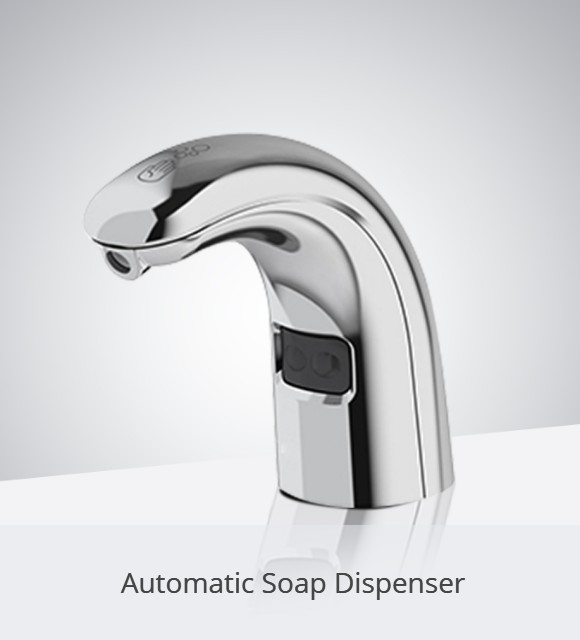
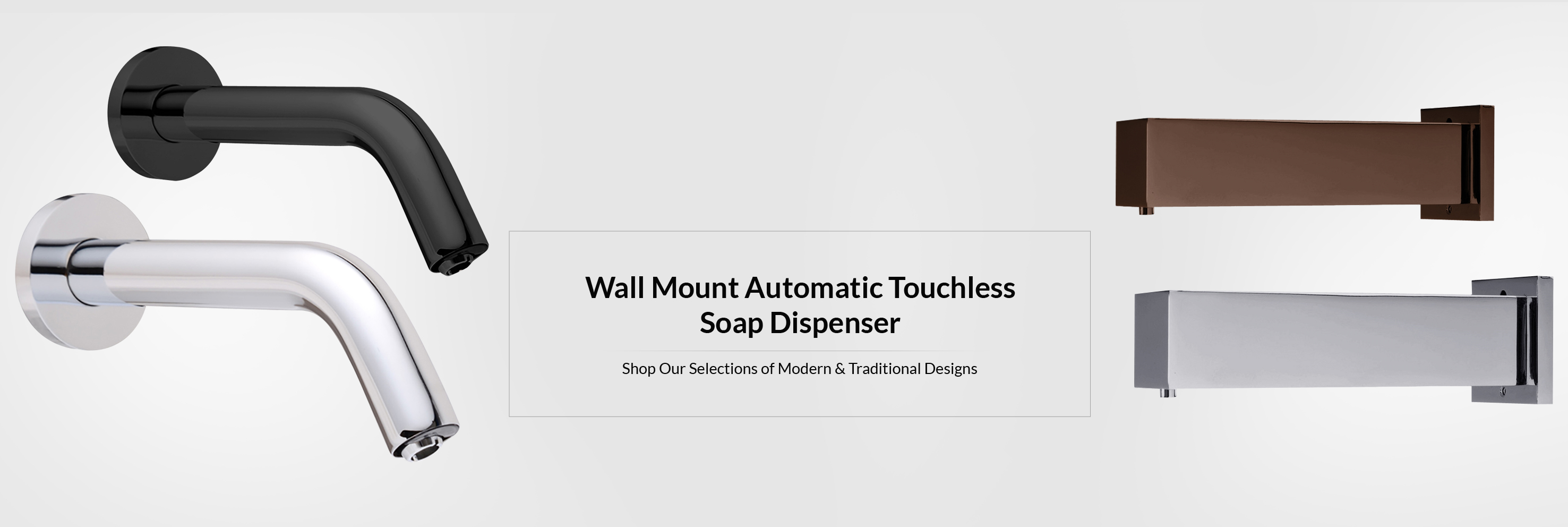
The Wall Mount Automatic Touchless Soap Dispenser is a hands-free soap dispenser that is activated by sensors. It is easy to use, and it dispenses just the right amount of soap each time. The sleek design is both modern and contemporary, and it will look great in any space. The Wall Mount Automatic Touchless Soap Dispenser is a great addition to any home, and it makes washing your hands easier than ever before! Explore the touchless wall mount soap dispenser at BathSelect and see the different options.
ToF & IR · AC/DC Dual Power · Multifeed Soap · WaterSense · ADA/UPC
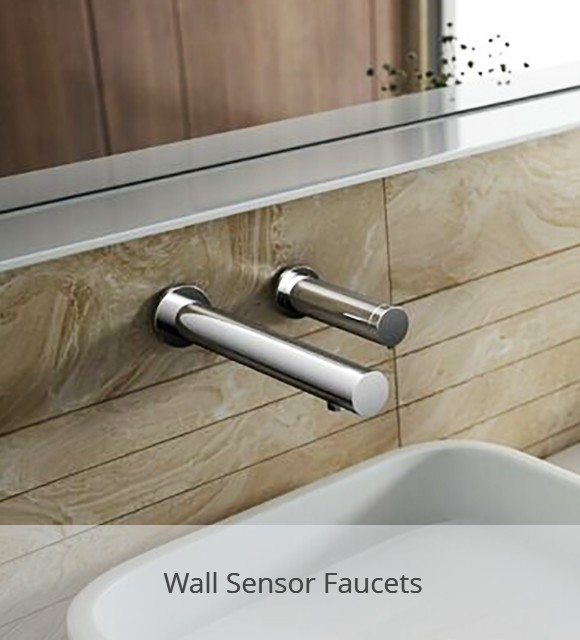
A wall-mounted automatic soap dispenser should be coordinated with the wall assembly and concealed service infrastructure before finishes are closed because mounting height, backing, power, soap routing, and future access all depend on conditions behind the finished surface. Architects, Engineers, Consultants, interior designers, plumbing designers, electrical coordinators, contractors, and facility teams should verify wall construction, structural backing, mounting elevation, user reach, dispenser projection, sensor position, reservoir location, tubing route, power-supply location, cable protection, access-panel requirements, refill path, splash exposure, and removal clearance before the final wall layout is released. Startup requirements including reservoir location, tubing connections, priming, dose verification, leak inspection, and facilities training can be coordinated through the BathSelect Bathroom Fixture Installation, Commissioning & Handover guide, centralized reservoir and distribution options can be evaluated through BathSelect Multi-feed Soap Dispenser Systems, and refill intervals, access requirements, spare components, inspection routines, and long-term service planning can be organized through the BathSelect Bathroom Fixture Maintenance & Lifecycle Planning guide so wall construction, anchorage, power, soap delivery, commissioning, and future maintenance remain coordinated as one concealed dispenser installation.
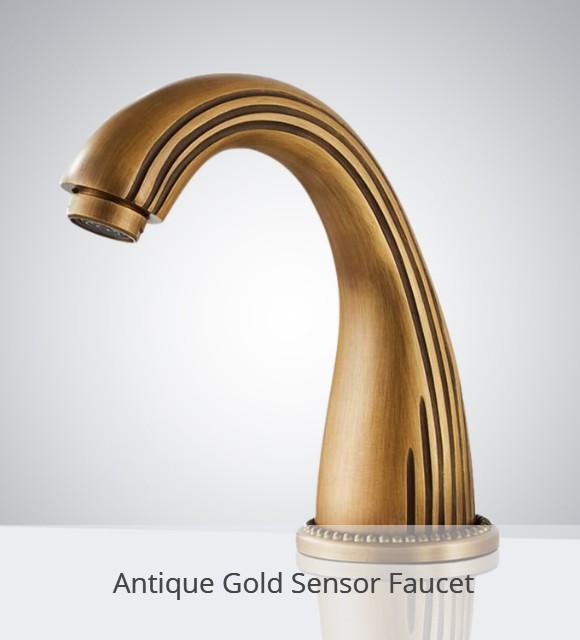
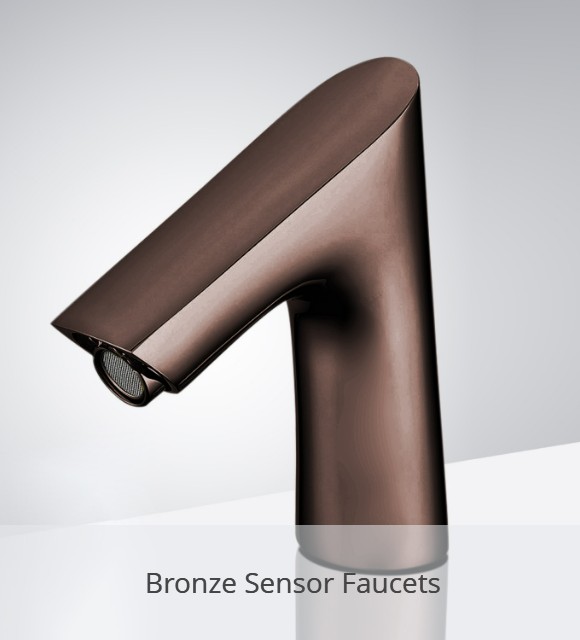
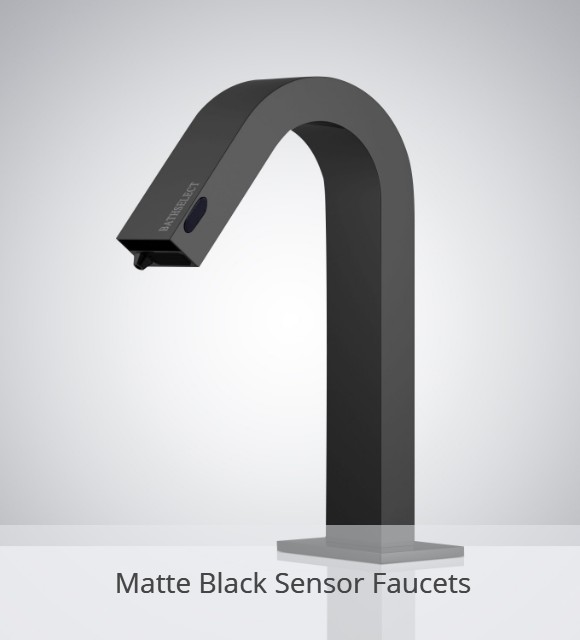
Browse Touchless Faucets By Type & Finish
Shop Touchless Faucets By Finish
|
|
Frequently Asked Questions
How does a wall-mounted automatic touchless soap dispenser function at a systems level?
A wall-mounted automatic touchless soap dispenser operates as an integrated electromechanical control system composed of a sensing module, signal processing unit, actuation mechanism, and fluid delivery system. When a user’s hand enters the detection field (typically 50–100 mm), the infrared emitter projects a modulated signal that reflects off the hand and is captured by a photodiode receiver. The analog signal is filtered and processed by a microcontroller, which validates the trigger based on threshold parameters to eliminate noise or false positives. Once validated, the controller energizes a DC motor or solenoid-driven pump for a predefined cycle duration, delivering a calibrated soap volume. After dispensing, the system enters a debounce or delay phase to prevent repeated triggering, ensuring controlled dosing and system stability under continuous use.
What sensing technologies are used, and how do they maintain accuracy in variable environments?
Most commercial-grade dispensers utilize active infrared (IR) reflective sensing systems, often operating at specific wavelengths (commonly ~940 nm) to minimize interference from visible light. The sensor circuit includes ambient light compensation, gain control, and signal modulation to maintain accuracy in environments with fluctuating lighting conditions such as LED flicker or sunlight exposure. Advanced models incorporate time-of-flight (ToF) sensors, which calculate distance by measuring the phase shift or travel time of emitted light, significantly improving detection precision and reducing false activations caused by reflective surfaces like stainless steel sinks. Sensor accuracy is also influenced by field-of-view geometry, enclosure design, and firmware-level filtering algorithms, with response times typically under 300–500 milliseconds in properly calibrated systems.
What types of pump and fluid delivery mechanisms are used, and how do they impact performance?
The dispensing system is typically driven by either a peristaltic pump, diaphragm pump, or gear-based micro pump, each offering different performance characteristics. Peristaltic pumps are preferred in high-end and hygiene-critical applications because the fluid only contacts the tubing, eliminating contamination risks and allowing precise volumetric control through controlled rotor compression cycles. Diaphragm pumps rely on reciprocating membrane movement to create pressure differentials, offering durability and moderate accuracy but with slightly higher wear over time. Foam dispensers integrate a dual-channel air–liquid mixing chamber, where soap and air are combined at a controlled ratio to produce consistent foam output. Pump performance is directly tied to viscosity tolerance, flow rate stability, and cycle repeatability, all of which influence user experience and operational efficiency.
How do power systems influence operational reliability and system design?
Power architecture in touchless dispensers typically consists of battery-operated DC systems, hardwired AC/DC converters, or hybrid configurations. Battery systems (usually 6V–9V) rely on efficient power management circuits, including sleep modes and low-power microcontrollers, to achieve operational lifespans ranging from 10,000 to 50,000 dispensing cycles. Hardwired systems utilize step-down transformers and rectifiers to convert 110–240V AC into low-voltage DC, ensuring consistent voltage supply for stable sensor operation and pump performance. Voltage fluctuations can affect motor torque and sensor sensitivity, so regulated power circuits and voltage stabilizers are critical in high-use environments. Hybrid systems provide redundancy, maintaining operation during power outages while benefiting from continuous wired power during normal conditions.
What fluid compatibility and viscosity constraints must be considered?
Soap compatibility is governed by fluid rheology, chemical composition, and pump design tolerances. Most dispensers are engineered for liquids within a viscosity range of approximately 1–3,000 centipoise (cP), depending on pump type. Low-viscosity liquids such as alcohol-based sanitizers flow easily but may require seal materials resistant to drying or chemical degradation. Higher-viscosity soaps demand stronger pump torque and can increase wear on internal components. Foam systems require low-viscosity concentrates specifically designed for air mixing; using standard liquid soap in foam units can cause clogging or inconsistent output. Additionally, formulations containing particulates, high glycerin content, or thickening agents can obstruct tubing and valves, making adherence to manufacturer-approved soap specifications critical for long-term reliability.
What are the critical technical specifications that determine performance in commercial applications?
Key performance specifications include reservoir capacity, dosing accuracy, sensor range, cycle life, ingress protection (IP rating), and material durability. Commercial units typically offer capacities between 800 ml and 2000 ml, reducing refill frequency in high-traffic environments. Dosing accuracy is measured in milliliters per cycle (commonly 0.8–1.5 ml) with tight tolerances to ensure cost control and consistent hygiene delivery. Sensor range (50–120 mm) affects usability, while cycle life ratings—often exceeding 100,000 activations—indicate mechanical durability. IP ratings such as IPX4–IPX6 define resistance to water ingress, which is essential in wet restroom conditions. Housing materials like 304 stainless steel provide corrosion resistance and vandal protection, while internal components must withstand repeated mechanical stress and chemical exposure.
What are the most common failure modes, and how can system reliability be optimized?
Failure modes in touchless soap dispensers typically fall into three categories: sensor degradation, pump failure, and fluid pathway obstruction. Sensor issues often arise from contamination on the emitter/receiver surface, leading to reduced sensitivity or false triggering. Pump failures may result from motor wear, seal degradation, or excessive load caused by high-viscosity fluids. Fluid pathway issues, including tubing blockages or valve sticking, are commonly linked to incompatible soap formulations or residue buildup. Reliability can be optimized through preventative maintenance strategies such as routine sensor cleaning, scheduled flushing of the pump system, and the use of chemically compatible soap products. Additionally, selecting units with robust ingress protection, high-quality seals (e.g., EPDM or silicone), and well-designed electronic shielding significantly improves long-term operational stability in demanding environments.
|
|
|