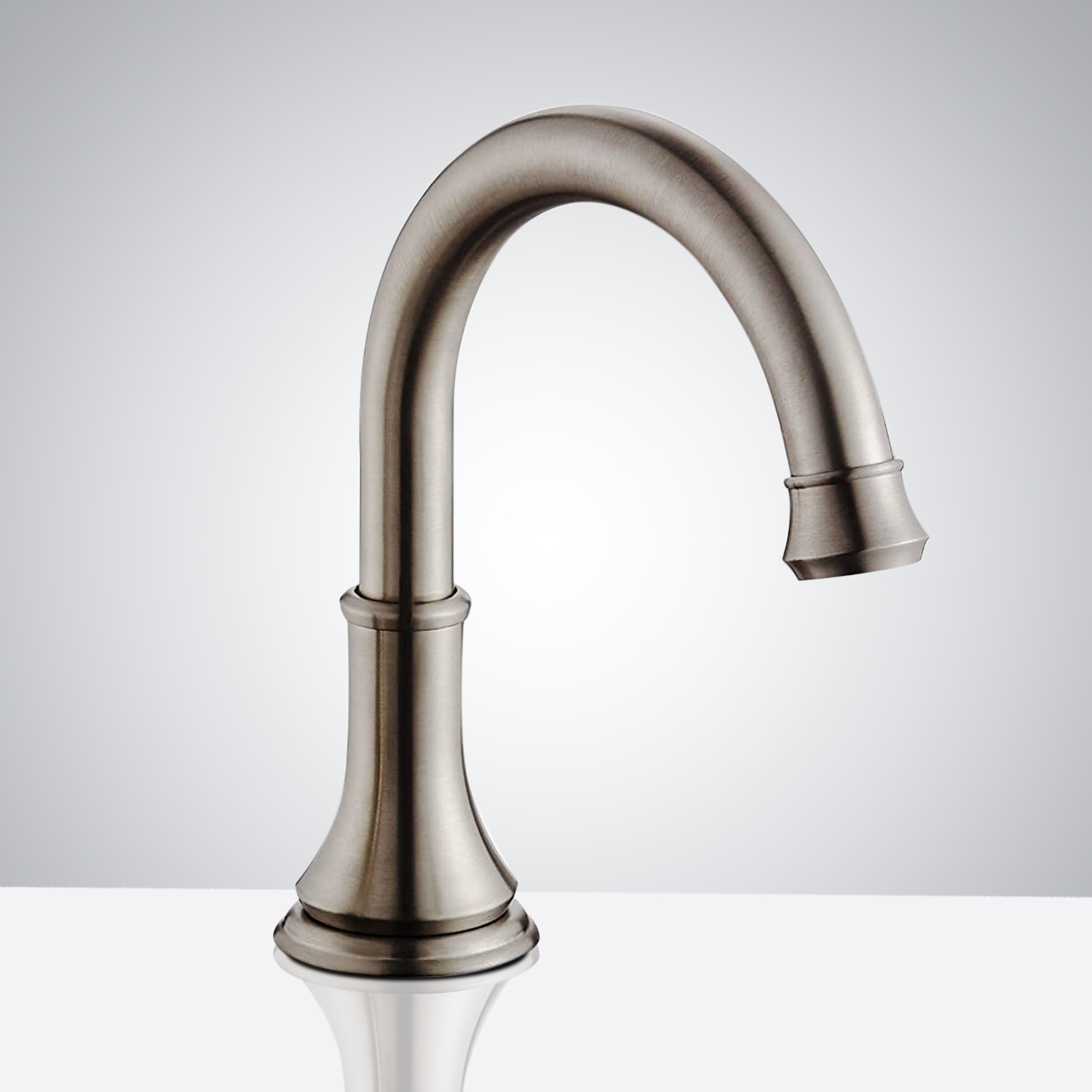
Why are single-hole faucets preferred in commercial restroom specifications?
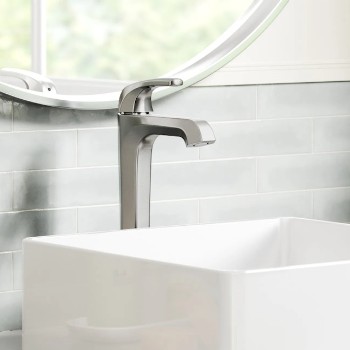
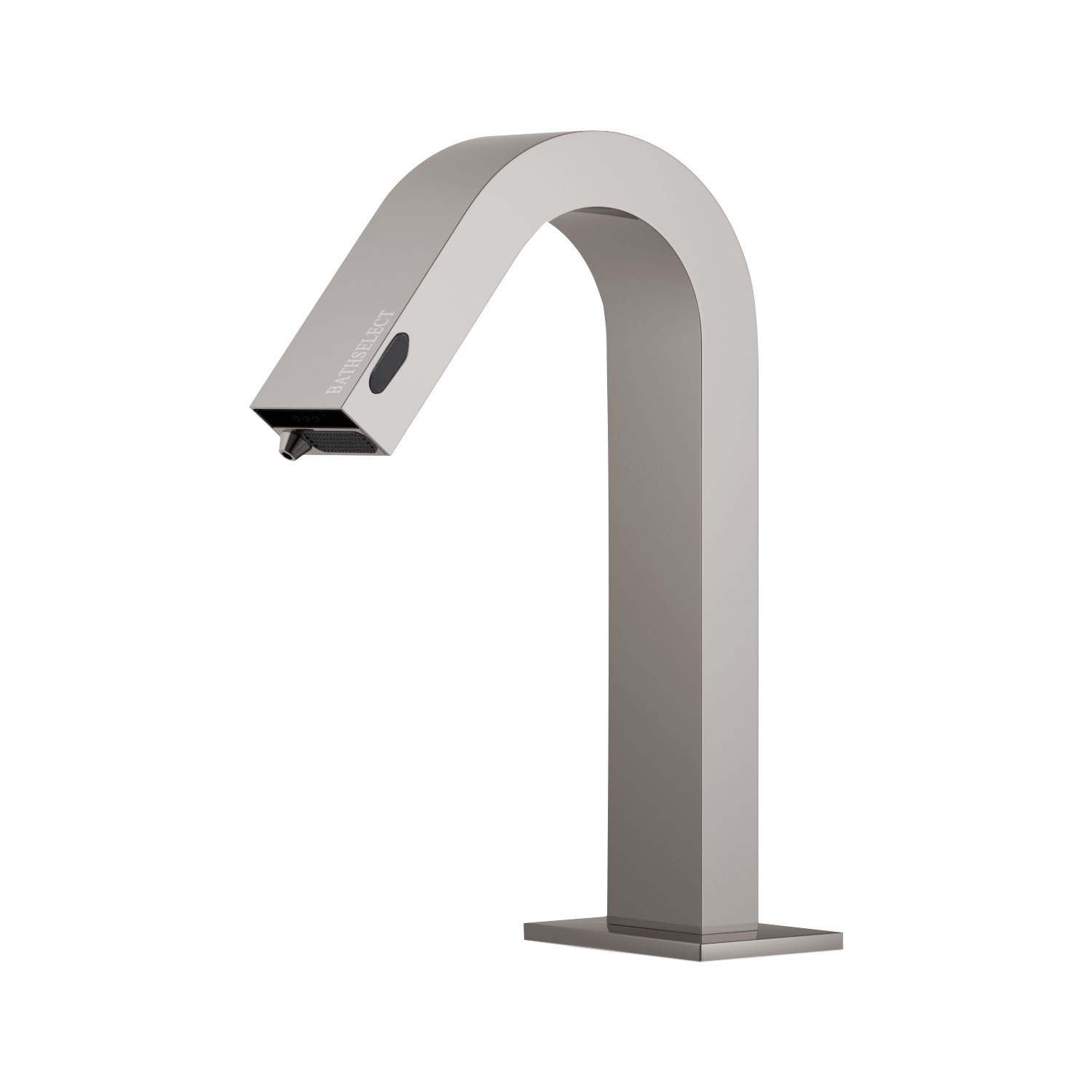
Single-hole faucets reduce installation complexity, minimize deck penetrations, and lower the number of potential
leak points. The integrated spout and control mechanism simplifies plumbing rough-in and allows facility
maintenance teams to service one fixture body rather than multiple handle assemblies.
What valve technology should be specified for high-use installations?
Ceramic disc cartridges are the preferred specification because they maintain sealing performance across
hundreds of thousands of operating cycles while resisting mineral buildup and mechanical wear. This
technology significantly reduces dripping failures common in compression or rubber-seal valve systems.
What flow rate should architects specify for commercial bathroom faucets?
Most modern lavatory faucets operate around 1.2 gallons per minute (GPM) at 60 PSI. This flow rate meets
water-efficiency targets while maintaining acceptable rinse performance for public restrooms, hospitality
bathrooms, and office environments.
How does brushed nickel perform in high-traffic environments?
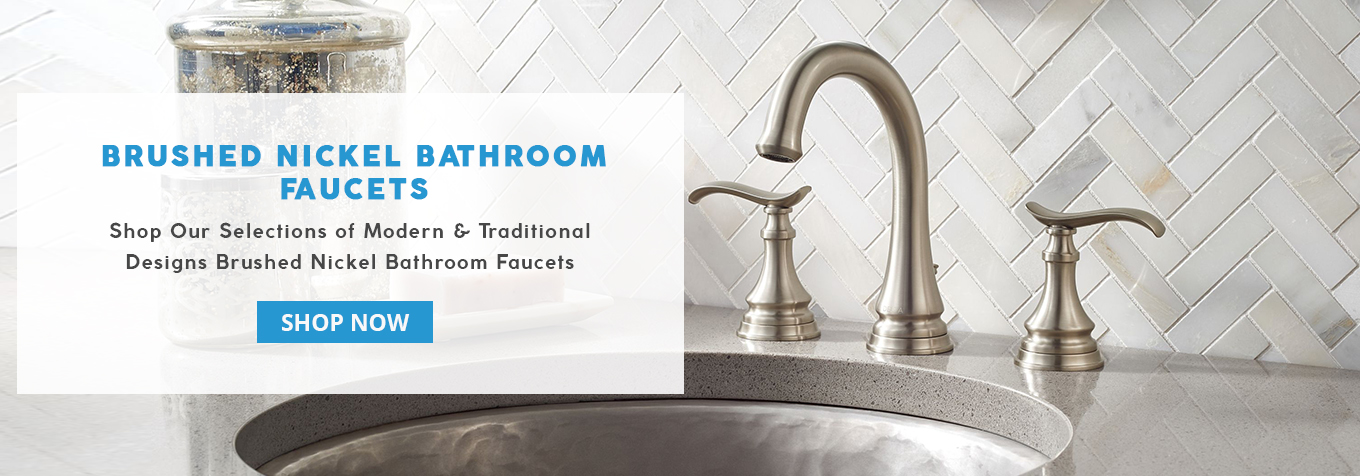
Brushed nickel finishes are commonly specified for commercial restrooms because the satin texture reduces
visible fingerprints, water spots, and micro-abrasions. The matte surface also tolerates frequent cleaning
chemicals better than mirror-polished finishes.
What mounting conditions should be verified before specifying a single-hole faucet?
Confirm sink drilling configuration, deck thickness tolerance, and clearance between backsplash and spout
handle rotation. Failure to verify these parameters during design documentation can result in installation
conflicts or handle interference after countertop fabrication.
How important is solid brass construction in commercial faucet bodies?
Solid brass construction provides structural stability, corrosion resistance, and improved thermal tolerance.
Compared to plastic or lightweight alloy bodies, brass housings better withstand pressure fluctuations,
cleaning chemicals, and long-term operational stress.
Should specifiers consider aerator type when selecting a faucet?
Yes. Aerator design directly influences splash control, flow stability, and water efficiency. Laminar flow
aerators are often used in healthcare environments because they reduce aerosolization and allow easier
sanitation compared to traditional mesh aerators.
What ADA considerations apply to bathroom faucet selection?
ADA-compliant faucets must allow operation without tight grasping, pinching, or twisting of the wrist.
Lever handles and single-control mixers are commonly specified because they allow easier activation for
users with limited mobility.
How should facility managers evaluate long-term serviceability?
Prioritize models with replaceable cartridges, accessible mounting hardware, and standardized aerator
fittings. Fixtures designed for modular servicing reduce downtime and eliminate the need to replace the
entire faucet body when internal components wear out.