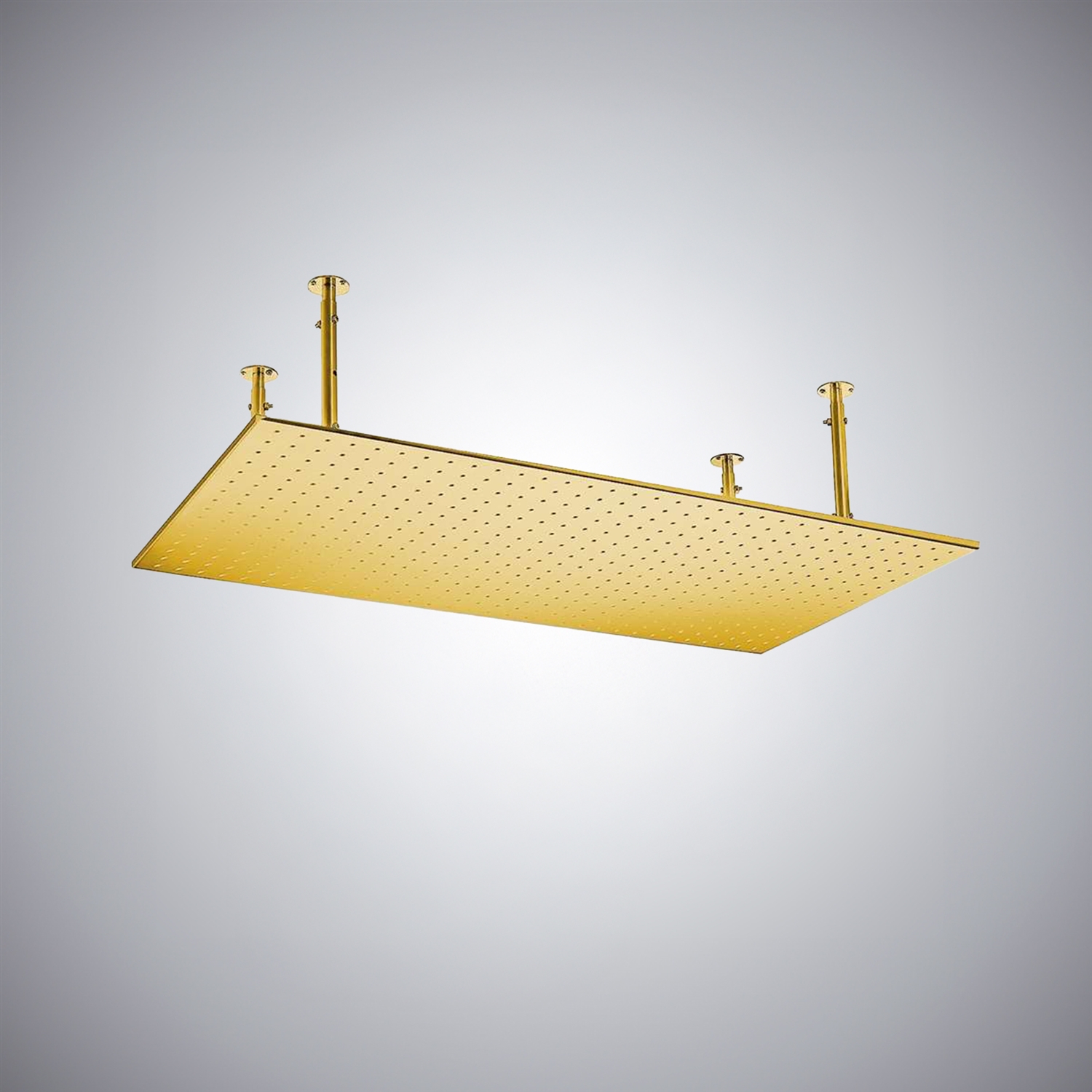
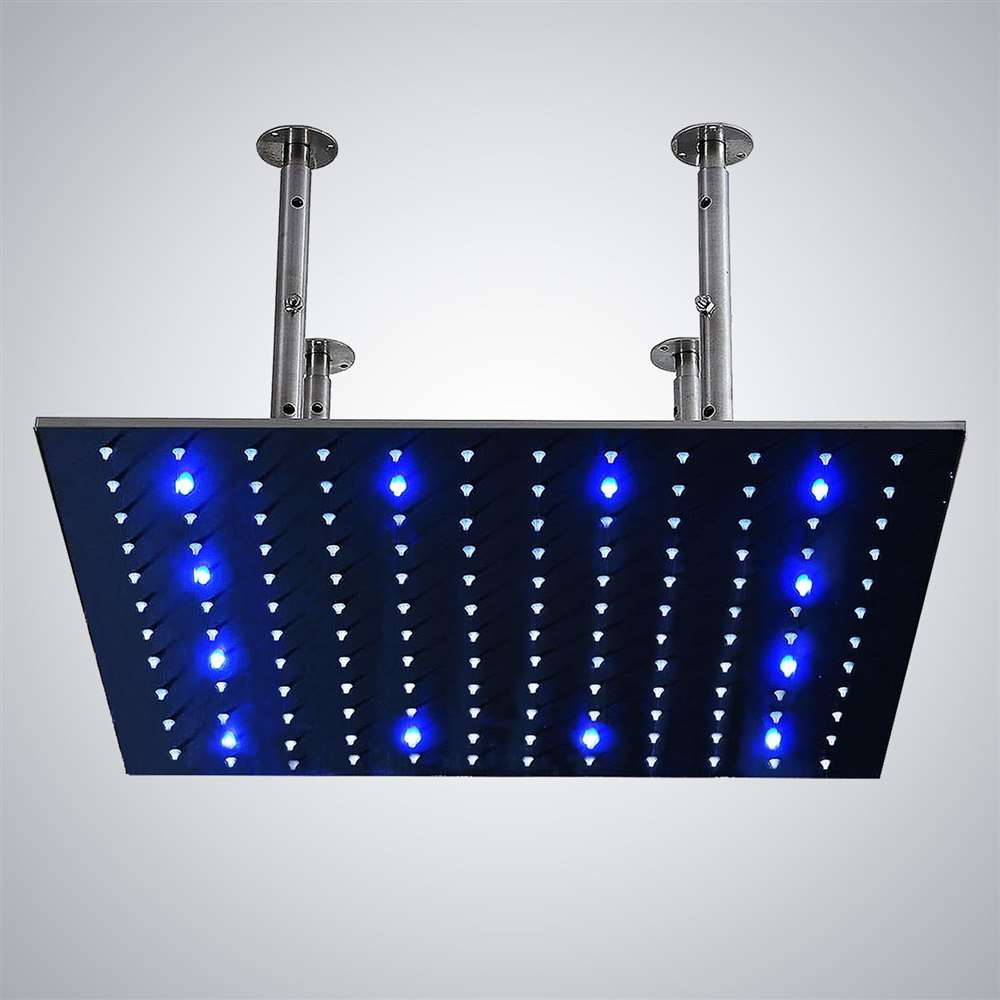
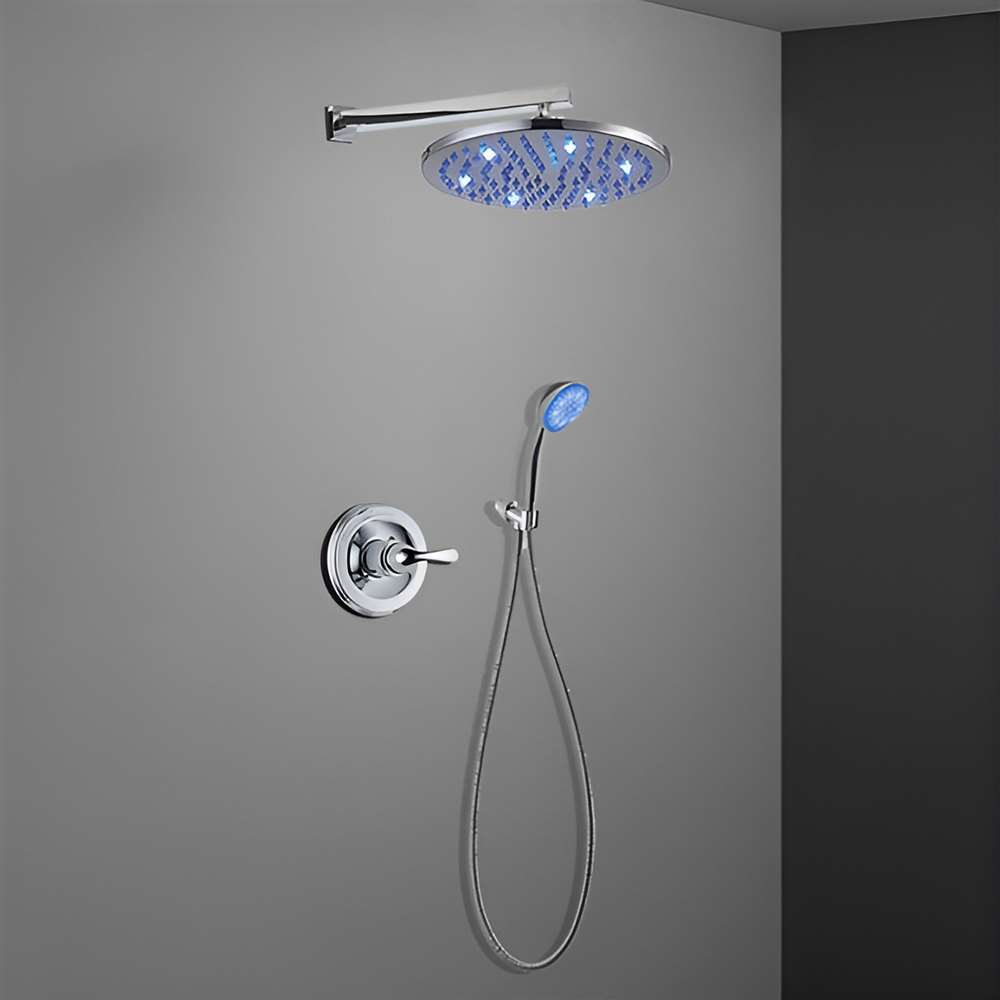
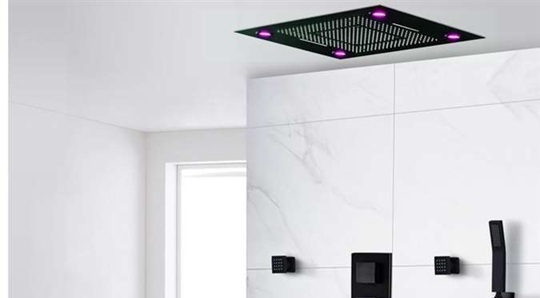
Choose the Right Shower Head for the Intended Experience
BathSelect shower heads are available in multiple sizes,
installation formats, spray configurations and architectural
finishes. Selection should be coordinated with available water
pressure, supply layout, ceiling or wall construction, valve
capacity, outlet quantity and the intended showering experience. A large shower head requires adequate water pressure to deliver the wide, even spray it is designed for. If your water pressure is too low, water may feel weak and uneven despite the oversized coverage. Before purchasing, verify your plumbing pressure and choose a shower head engineered to perform efficiently within your system's operating range.
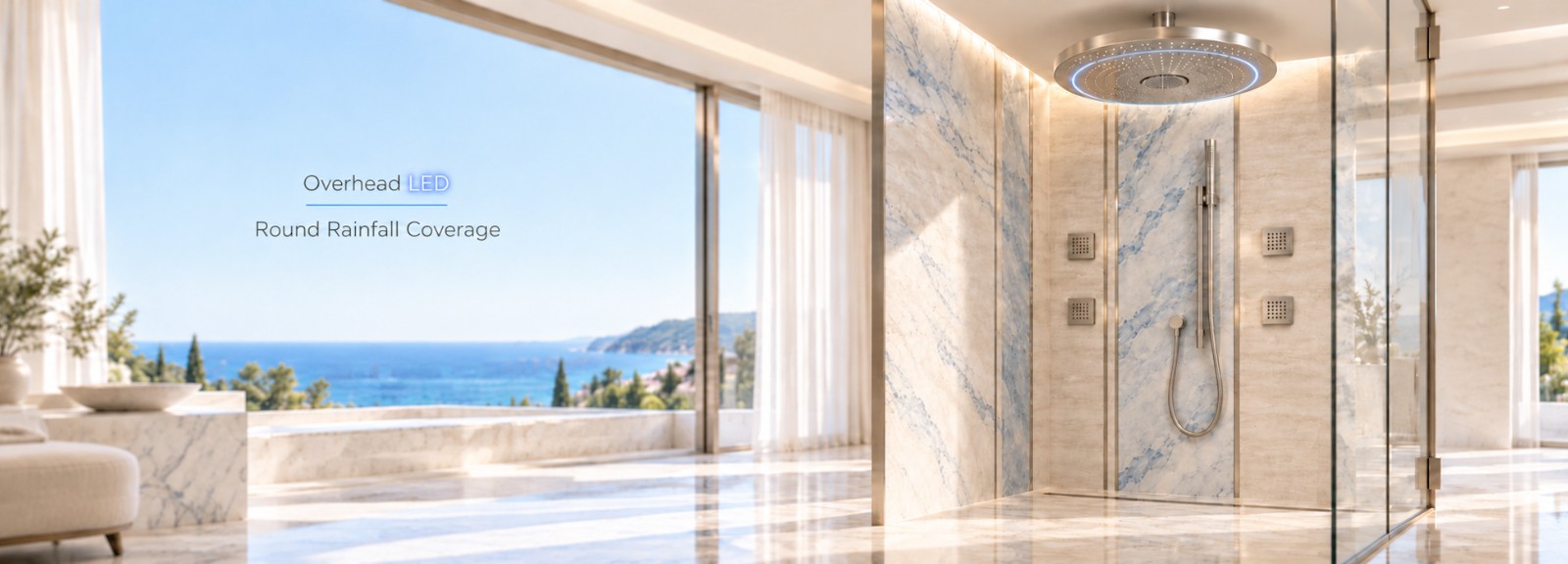
Rainfall Shower Heads
Wide spray-face designs distribute water across a larger
area to create an overhead rain-style showering experience.
Available models may support ceiling-mounted or wall-mounted
installation.
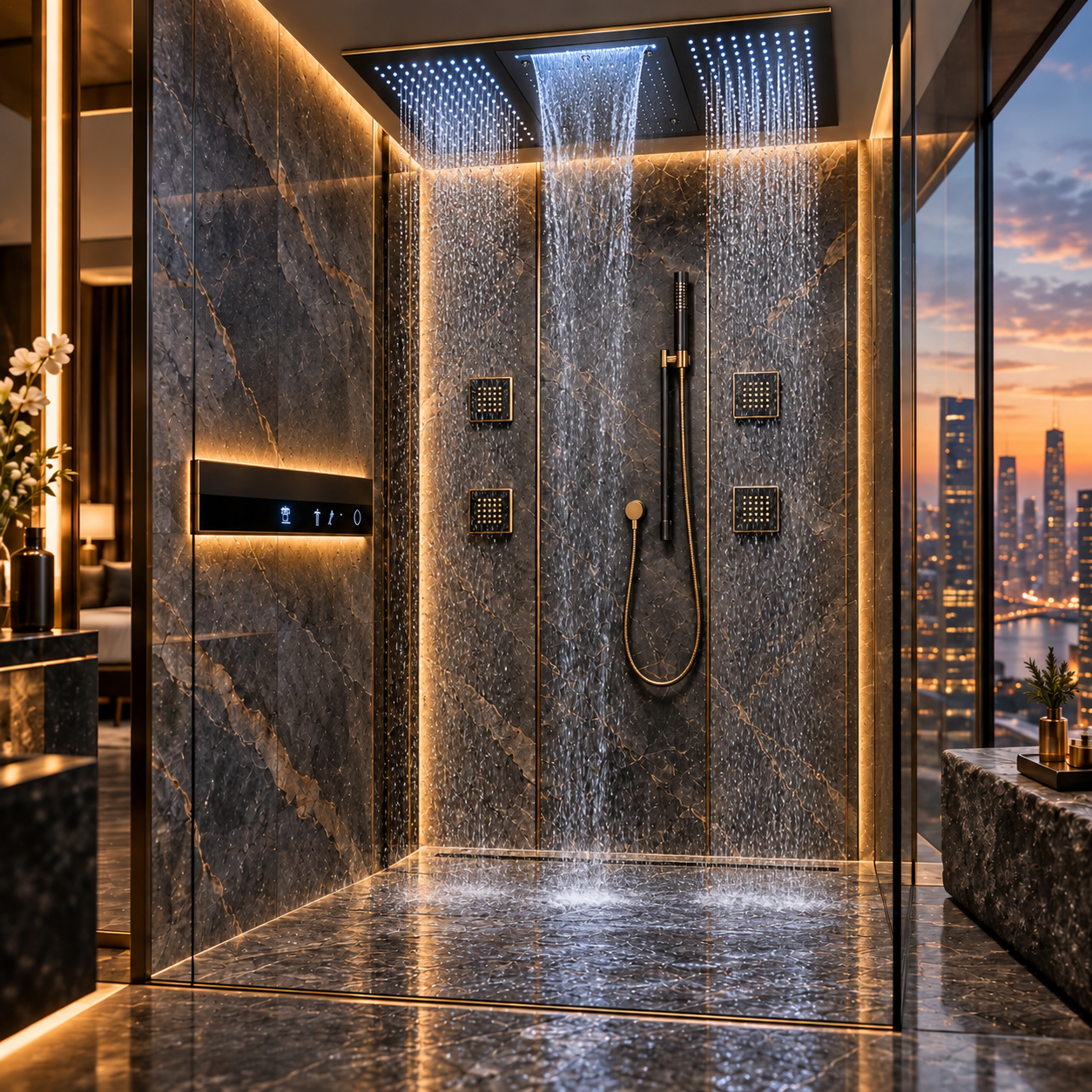
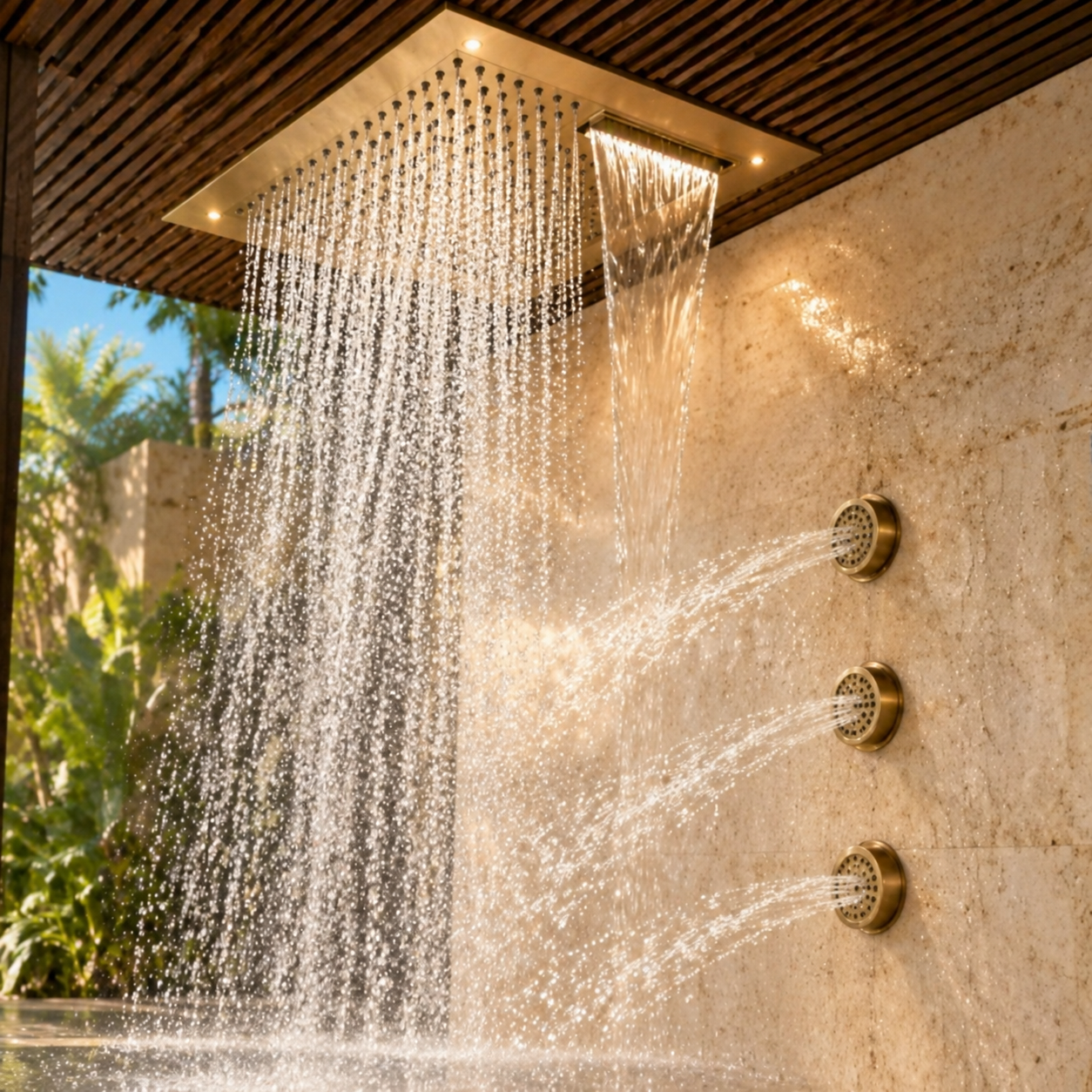
Waterfall outlets produce a broader sheet-style water flow
and are often integrated with rainfall functions in
multifunction shower heads and coordinated shower systems.
Selected shower heads incorporate integrated lighting to
add a visual feature to modern bathroom environments.
Lighting functions and installation requirements vary
according to the selected model.
Multifunction models may combine rainfall, waterfall,
mist or additional spray outlets within one coordinated
shower-head assembly. Confirm the available functions on
each individual product page.
A larger shower head does not automatically provide stronger
or more uniform coverage. Performance is influenced by inlet
pressure, available flow, internal water-channel geometry,
nozzle quantity, spray-face dimensions, supply-pipe sizing
and the number of outlets operating simultaneously.
Before selecting a shower head, confirm the mounting position,
rough-in location, ceiling or wall support, valve and diverter
configuration, service access and compatibility with the
intended shower system.
Confirm available static and dynamic water pressure.
Review the required inlet connection and mounting method.
Coordinate shower-head size with the available shower area.
Verify valve capacity when operating multiple outlets.
Review model-specific installation and maintenance documents.
Shower-head specification should begin with the outlet geometry and mounting plane because the selected head establishes hydraulic demand, support requirements, rough-in position, and the service conditions behind the finished surface. Architects, Engineers, and installers should coordinate shower-head dimensions, wall or ceiling mounting, inlet location, expected flow demand, valve capacity, structural backing, waterproofing interfaces, drainage response, and future access before approving the visible trim. Available pressure, valve capacity, and multi-outlet demand can be evaluated through
BathSelect Hydraulic Engineering, backing, rough-in, waterproofing, and preclosure requirements can be coordinated through BathSelect Installation Engineering, and access to concealed fittings, arms, valves, filters, and replaceable components can be reviewed through BathSelect Serviceability Engineering so shower-head size, mounting, hydraulic performance, structural support, finished-surface coordination, and future maintenance remain part of one engineered outlet assembly rather than separate product decisions.
BathSelect
® Engineering Reference
Manufacturer Engineering Philosophy
BathSelect
® approaches product engineering,
material selection, hydraulic performance, coordinated design,
installation planning, serviceability, hospitality use and
long-term fixture continuity beyond ordinary product marketing.
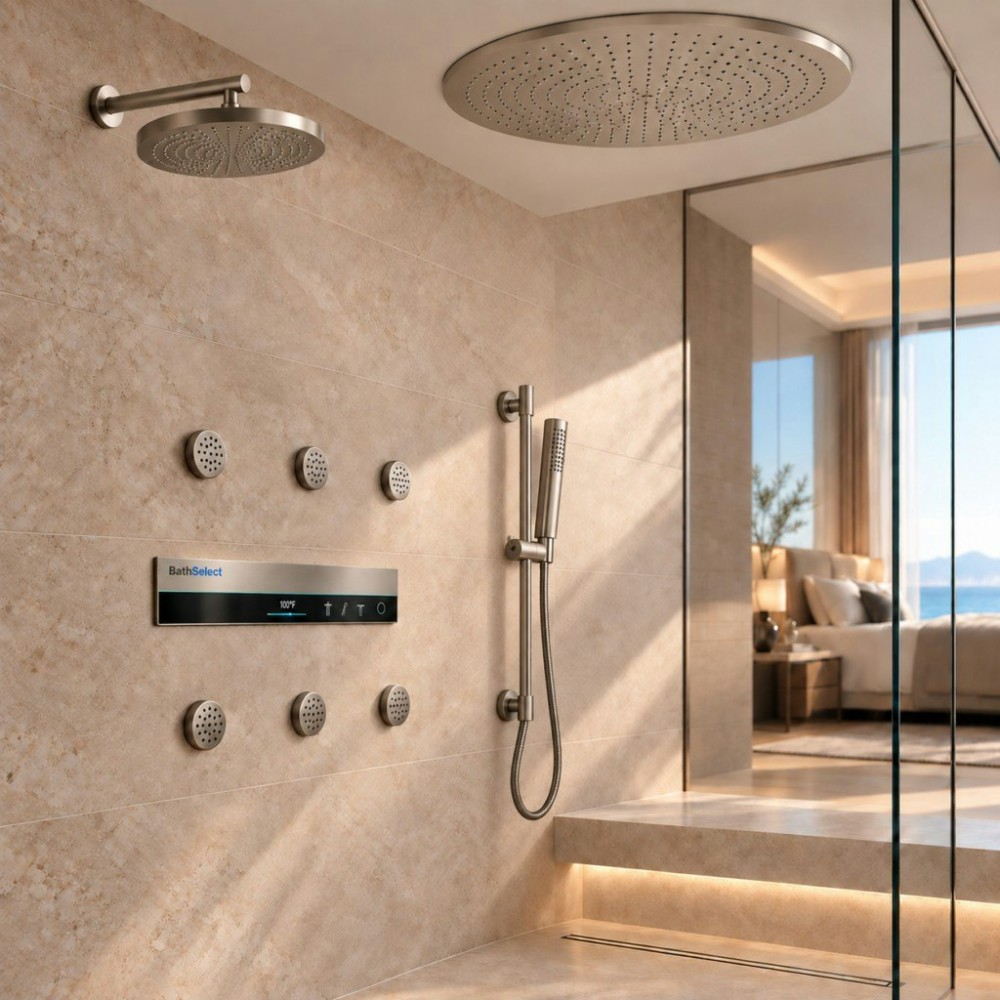
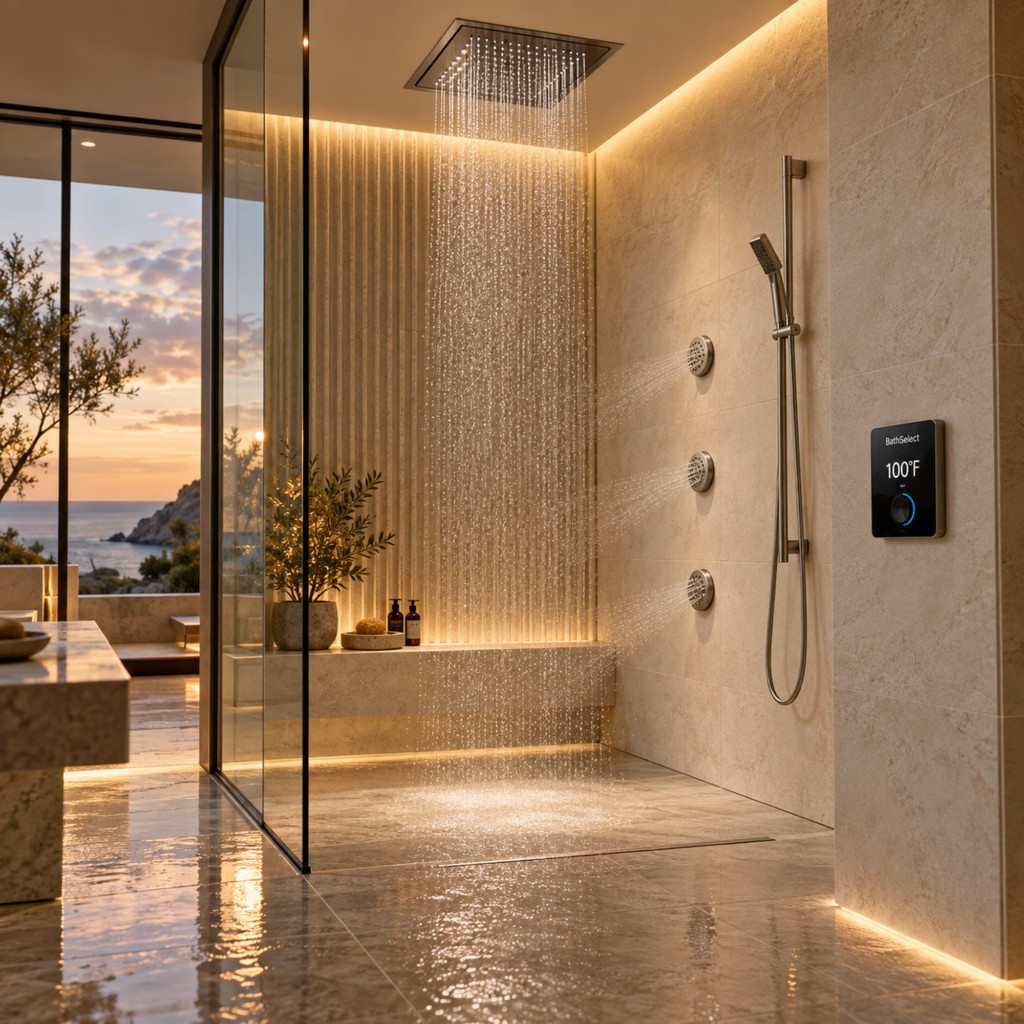
Build the shower around the water experience you prefer:
overhead rainfall, a defined waterfall stream, a flexible
hand shower or selectable body sprays. Then choose the
mounting style and compatible controls that bring those
functions together.
Overhead shower heads
Rainfall, Waterfall & Spray Shape
Rainfall distributes water through an array of nozzles;
waterfall outlets form a more concentrated sheet.
Round, square and rectangular heads introduce different
visual proportions above the bathing area.
Explore shower-head optionsShow less
Compare the active spray area with the standing
position and enclosure dimensions. A broad face
does not automatically mean a higher flow rate;
check the selected model’s outlet arrangement
and published performance.
Ceiling mounted:
positions the head directly above the bathing area.
Wall mounted:
uses arm projection to establish overhead reach.
Recessed:
integrates the outlet into the ceiling plane
where the assembly permits.
A hand shower adds a movable spray to the overhead head.
Select a compact wall holder for a fixed docking position
or a slide bar when adjustable showering height is part
of the design.
Explore hand-shower choicesShow less
Coordinate the hose outlet, holder and shower controls
as one arrangement. The hose should reach the intended
bathing positions without being pulled taut or
interfering with the enclosure door.
Compare wand and round spray-face formats.
Confirm available spray settings on the selected
hand shower.
Check whether the diverter allows overhead-only,
hand-shower-only or combined operation.
Choose the Combination Before Choosing the Controls
An overhead head and hand shower can form a straightforward
dual-outlet arrangement. Adding waterfall, mist or body
sprays changes the number of functions the valve must serve.
Use the
shower-head selection guide
to compare formats, then confirm whether each proposed
function operates independently or alongside another outlet.
A matching finish alone does not establish component
compatibility.
Digital shower options
Touch Panels & LED Shower Heads
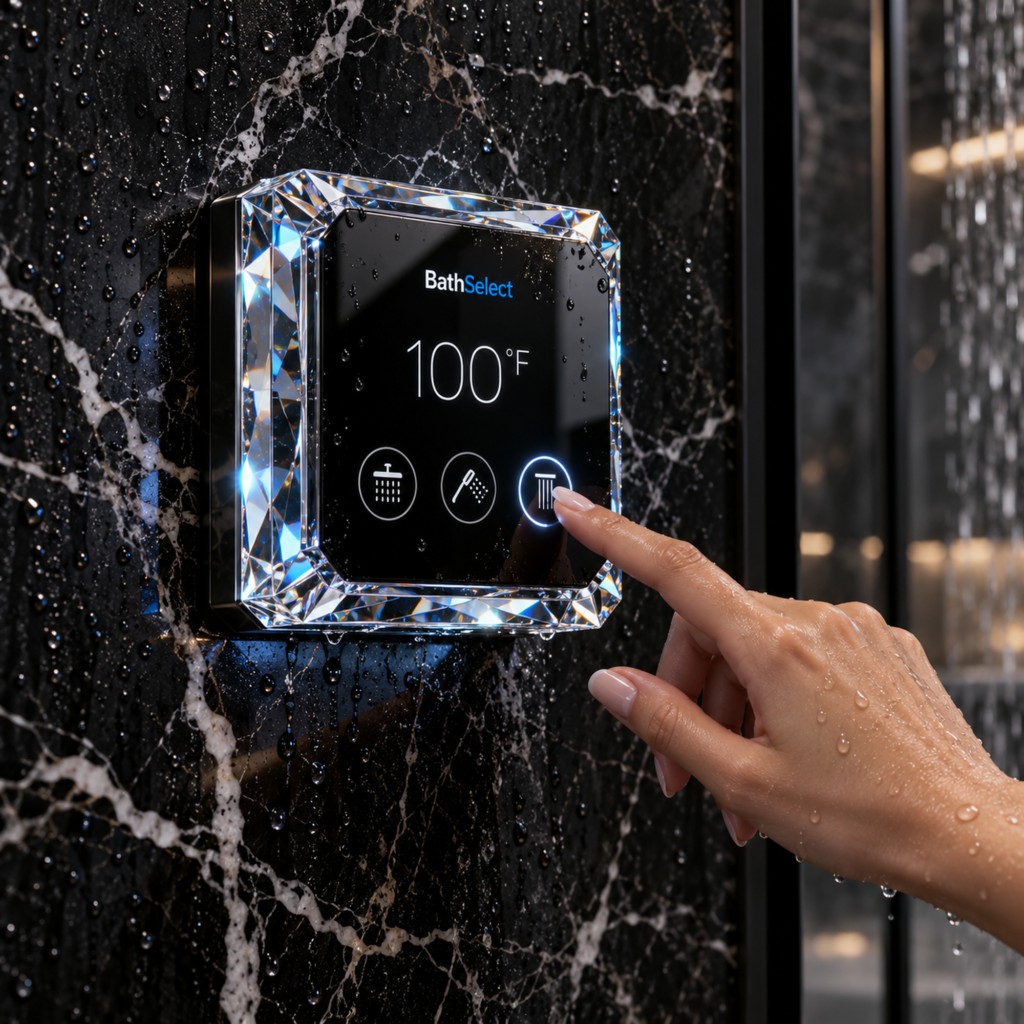
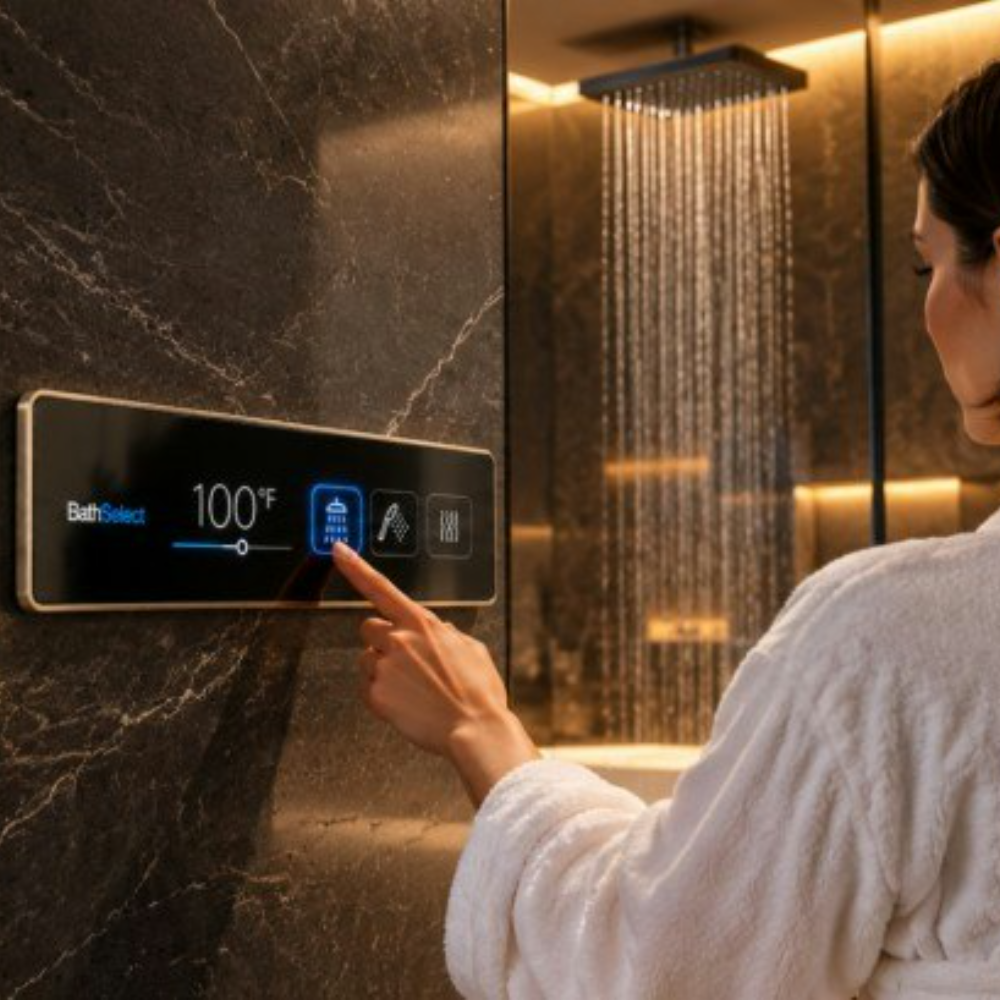
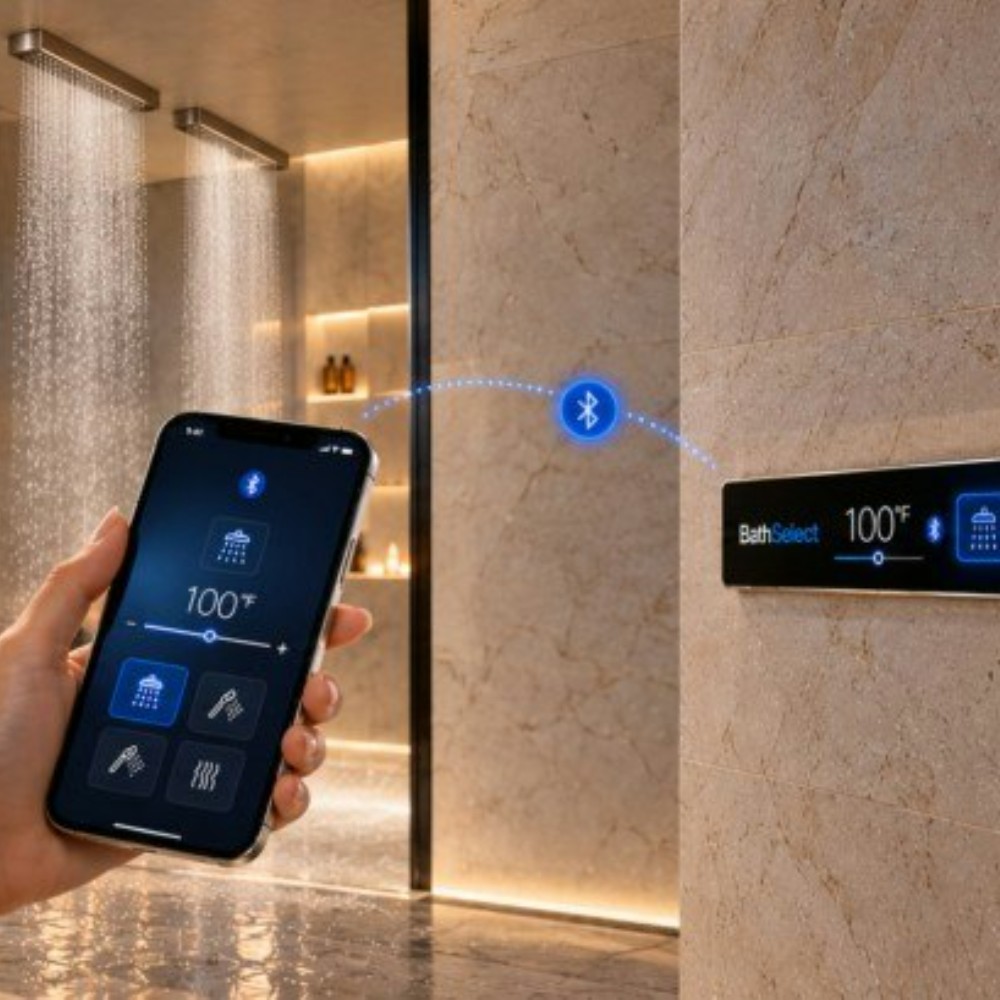
A compatible digital panel may combine temperature
selection, outlet switching and operating feedback.
LED shower-head lighting is a separate feature;
its power source and control method depend on the system.
Explore digital functionsShow less
Specify the panel together with its approved mixing
and distribution components. A display-only unit,
a touch-operated controller and an electronically
regulated mixer do not provide the same functionality.
Confirm which water and lighting functions the
panel actually controls.
Check whether temperature feedback is a measured
value or a selected setting.
Verify electrical requirements and the permitted
panel location using the model instructions.
Multifunction systems can pair overhead coverage with
finer mist outlets, waterfall discharge or directional
body sprays. The selected valve arrangement determines
which combinations are available to the user.
Explore outlet combinationsShow less
For simultaneous operation, add the demand of the
active outlets and compare it with the available
mixed-water supply. Evaluate spray direction and
body-jet placement against the intended user position,
rather than simply adding more outlets.
List the permitted combinations on the fixture
schedule.
Match each control label to the outlet it operates.
Review hot-water delivery and drainage for the
selected operating modes.
Carry the head’s geometry into the hand-shower holder,
outlet plate and control trim for a coordinated composition.
Compare
ceiling-mounted shower heads
for a centered overhead arrangement with
wall-mounted options
when projection from the wall better suits the layout.
Align the selected finish across the complete set,
including the hose and visible connectors.
Complete the shower configuration
Three Ways to Build Around an Overhead Head
Combine the overhead shower with the functions that suit
the room, using components documented to work together.
Flexible showering
Overhead + Hand Shower
Combine overhead coverage with directed rinsing.
Position the holder and hose outlet within comfortable
reach, and confirm whether the diverter permits
individual or simultaneous operation.
Pair the shower head with a compatible digital
controller for the specified temperature and outlet
functions. Confirm whether lighting is operated
through the same interface or a separate control.
Add directional sprays with positions coordinated
to the bathing area. Match the combined outlet
demand to the selected valve and confirm which
spray combinations the system supports.
For projects with water-efficiency targets, consult the
EPA WaterSense showerhead reference
and verify the exact model’s certification. Efficiency
claims should be supported by product-specific evidence.
The shower head is very nice quality. Its highly polished gold finish and large size create a satisfying rain-like downpour. It delivers strong, consistent pressure across a broad area and is one of the best shower heads I have used.
Finally installed, and it is exactly what I wanted for the master bathroom. The shower head looks impressive, performs beautifully, and was surprisingly easy to put together. The clear installation directions made the entire upgrade straightforward.
Absolutely the best shower head I have ever owned. This was extremely easy to install, even without the very detailed instructions included. I get a really powerful stream of water, and the extra-long cable works perfectly in our large, high shower stall. Buy it—you will not be sorry.
It is so satisfying to shower with this shower head. The shower arm is included, and the color looks amazing. The LED lighting is powered by the water flow, so I do not have to pay additional electricity costs. Anyone looking for a replacement or a new shower head should consider purchasing this model.
BathSelect Showers — Shower Systems
Complete BathSelect shower system—what does a typical set include for specification?
A complete shower system is typically specified as a coordinated group of components designed to function together to reduce common issues such as pressure loss, temperature instability, and compatibility conflicts. This includes the visible trim, an in-wall mixing valve, one or more outlets (shower head, hand shower, body sprays, or tub spout), and a diverter or transfer valve. For documentation, each component should be identified individually to confirm connection sizes, flow characteristics, material durability, and compatibility with the building’s plumbing infrastructure.
System layout—how do you engineer multi function showers to avoid pressure drop and weak outlets?
Weak spray performance and uneven outlet behavior are usually the result of poor flow budgeting, undersized piping, or excessive pressure loss through valves and fittings. Multi-outlet systems should be engineered by defining whether outlets operate sequentially or simultaneously, confirming pipe sizing, minimizing sharp turns, and selecting valves and diverters designed to manage combined flow without causing pressure imbalance, noise, or inconsistent spray patterns.
Thermostatic shower system—what are the key technical checks for AEC documents?
Thermostatic systems are specified to address temperature fluctuation and scald risk caused by pressure or supply temperature changes. Documentation should confirm applicable standards, maximum temperature limiting strategy, stable operation at low flow rates, and serviceability of internal components to prevent long-term performance degradation or failure due to mineral buildup or wear.
Pressure balanced valve—how is it different from thermostatic and when is it appropriate?
Pressure balance valves mitigate sudden temperature swings caused by pressure changes but do not regulate to a fixed temperature. They are often used where simplicity and compliance are priorities, though they may not fully address inconsistent water temperature under varying supply conditions. Proper specification helps reduce user complaints and maintenance issues.
Multi function configuration—how do diverters and transfer valves affect piping and user experience?
Diverters and transfer valves directly influence flow distribution, outlet behavior, and pressure stability. Incorrect selection can lead to weak spray, excessive noise, or unintended outlet interaction. Clear definition of outlet logic and pressure requirements helps avoid performance and compatibility issues during installation and use.
Digital or advanced controls—what is realistic to specify without overpromising features?
Advanced controls should only be specified when supported by model-specific documentation. Overstating features can lead to unmet expectations, service complications, or compliance concerns. Performance criteria such as stable temperature control, run-time limits, and documented commissioning procedures provide clearer, verifiable requirements.
BathSelect Showers — Shower Heads & Panels
Shower head selection—what parameters matter most for performance and compliance?
Key parameters include rated flow, pressure-compensating behavior, spray geometry, nozzle material, and connection standards. Improper selection can lead to low pressure complaints, uneven spray patterns, clogging from mineral buildup, or non-compliance with water efficiency regulations. Flow performance should be verified under expected dynamic pressure conditions.
Rainfall shower heads—how do you prevent weak or uneven coverage?
Large spray faces can feel underpowered when flow limits, pressure loss, or supply constraints are not coordinated. Proper pipe sizing, pressure compensation, and spray face engineering help maintain consistent coverage while avoiding noise, dripping after shut-off, or user dissatisfaction.
Waterfall outlets are sensitive to pressure variation, debris, and installation levelness. Without proper filtration and alignment, issues such as distorted water sheets, clogging, or uneven flow can occur, particularly in multi-outlet systems.
Materials and finishes—what should AEC teams document for durability and cleaning?
Material selection affects resistance to corrosion, rust, finish wear, and bacterial accumulation. Documentation should include base material, finish technology, and approved cleaning methods to avoid premature aesthetic degradation or surface damage caused by aggressive maintenance routines.
Adjustable spray patterns—what are the tradeoffs?
Multi-pattern heads introduce additional internal components that may increase pressure loss and susceptibility to clogging in hard water environments. Specification should balance user adjustability against long-term reliability and maintenance requirements.
Shower panels—what should be coordinated to avoid field conflicts?
Panels consolidate multiple functions, which increases the risk of compatibility issues, improper rough-in alignment, and service access limitations. Accurate coordination helps prevent leaks, noise, and performance inconsistencies after installation.
BathSelect Showers — Rainfall & Waterfall Systems
Ceiling mounted rainfall—what framing and waterproofing details are most important?
Inadequate support or waterproofing can lead to leaks, movement, or long-term material fatigue. Proper backing, sealed penetrations, and accessible connections reduce failure risk and simplify maintenance.
Dual rainfall and waterfall panels—what should be verified before specifying simultaneous operation?
Combined operation increases flow demand and pressure loss. Verification helps prevent weak performance, temperature instability, and excessive strain on valves or plumbing systems.
LED integration—what electrical and risk management items should be documented?
LED components introduce electrical considerations that must be protected from moisture intrusion. Clear documentation helps reduce failure risk, service interruptions, and code compliance issues.
Recessed rainfall systems—how do you reduce leak and condensation risk?
Recessed installations increase interface points where leaks, condensation, or corrosion may develop. Detailing proper drainage, sealing, and inspection access reduces long-term risk.
BathSelect Showers — Mixers & Diverters
Shower mixer valves—what should be shown on drawings and schedules?
Clear identification of valve type, rough-in depth, outlet mapping, and service access helps prevent installation errors, leaks, and trim misalignment that often lead to rework or performance complaints.
Thermostatic mixer behavior—what commissioning steps should be planned?
Commissioning ensures temperature limits are correctly set and documented, reducing scald risk and long-term liability. Improper setup is a common cause of inconsistent temperature performance.
2 way, 3 way, and multi way diverters—how do you choose the right architecture?
Diverter selection affects flow distribution, noise levels, and pressure stability. Incorrect sizing or assumptions about simultaneous use can result in weak spray or excessive pressure drop.
Concealed mixer installation—what are the most common failure points?
Common issues include debris damage, incorrect depth, and lack of service access, all of which can lead to leaks, premature wear, or difficult maintenance.
BathSelect Showers — Body Sprays & Spa Jets
Body spray design—how do you keep multiple jets balanced?
Uneven spray and pressure imbalance are usually caused by inconsistent piping lengths or restrictive fittings. Symmetrical layout and proper flow planning help maintain consistent performance.
Flow budgeting—how do you avoid exceeding code limits?
Without defined flow allocation, multi-spray systems can exceed regulatory limits or cause weak performance. Documented flow data supports compliance and predictable operation.
Maintenance—what keeps jets from clogging?
Strainers, line flushing, and easy-clean nozzle materials help reduce mineral buildup, pattern distortion, and long-term maintenance issues.
BathSelect Showers — Hand Showers & Slide Bars
Hand shower assemblies—what should be specified?
Hose durability, check valves, mounting security, and flow performance affect reliability, noise, and compliance. Poor specification often results in leaks or early wear.
Slide bars—what coordination issues matter?
Improper blocking or sealing can cause movement, leaks, or finish damage over time. Accurate coordination reduces these risks.
BathSelect Showers — Installation & Compatibility
Rough in valves—what should be verified before wall close up?
Verification helps prevent leaks, misalignment, compatibility problems, and costly corrective work after finishes are installed.
Water pressure and performance—how do you mitigate low pressure?
Pressure-compensating components, reduced restriction, and defined outlet sequencing help maintain acceptable performance even in lower-pressure systems.
Compatibility with common US plumbing standards—what should be confirmed?
Model-specific documentation ensures proper fit, regulatory compliance, and avoids issues related to mismatched connections or unlisted components.
BathSelect Showers — Safety, Certification & Performance
Anti scald safety—what should be specified?
Temperature limiting strategies and proper commissioning reduce scald risk and ensure consistent temperature delivery.
Flow rate compliance—how is it maintained?
Documented flow data and defined outlet logic prevent non-compliance and performance complaints.
Certification language—how should it be written?
Accurate, model-specific certification language reduces permitting delays and submittal conflicts.
BathSelect Showers — Commercial & Hospitality Use
Commercial durability—what construction details matter?
Material strength, corrosion resistance, stable pressure regulation, and service access reduce failures in high-use environments.
Maintenance planning—what should be included in closeout documents?
Clear maintenance guidance helps address clogging, wear, temperature calibration, and finish preservation over the system’s lifecycle.