Explore touchless automatic soap dispenser systems for residential,
hospitality, healthcare, commercial and public restroom environments.
Compare mounting styles, finishes and related hands-free bathroom solutions.
Explore
automatic soap dispensers designed for convenient,
hands-free soap dispensing in modern bathrooms and washrooms.
Sensor-activated operation eliminates the need to manually press a pump,
making touchless dispensers a practical choice for residential,
hospitality, office, and commercial bathroom environments.
BathSelect offers automatic soap dispenser options in multiple designs,
finishes, mounting configurations, and power options.
Product features vary by model, so review individual specifications when
selecting the right dispenser for your bathroom or project.
Automatic soap dispensers provide hands-free activation while offering
a clean, convenient way to dispense soap around bathroom and washroom sinks.
Features and configurations vary by model.
Hands-Free Activation
Sensor-operated dispensing eliminates the need to manually press
a soap pump during normal use.
Controlled Dispensing
Automatic activation provides a consistent dispensing process.
Dispense volume and adjustment options vary by model.
Bathroom Design Options
Choose from different mounting styles, forms, finishes and
configurations to coordinate with the surrounding bathroom.
Multiple Installation Types
Depending on the model, automatic dispensers may be designed for
wall-mounted, deck-mounted or other installation configurations.
Power Options
Power configuration varies by product. Review individual
specifications for battery, wired or other available options.
Residential & Commercial Options
The right dispenser depends on the installation environment,
expected usage, design requirements and product specifications.
How to Choose an Automatic Soap Dispenser
Compare installation requirements, soap compatibility, capacity,
power configuration, sensor operation and finish before choosing a dispenser.
Always confirm the specifications of the individual model.
Installation Type
Determine whether your project requires a wall-mounted,
deck-mounted or another dispenser configuration.
Soap Compatibility
Soap type and viscosity requirements can vary. Check the product
specifications before using liquid soap, foam, gel or sanitizer.
Capacity
Consider expected usage and refill frequency. Reservoir size
differs between dispenser models.
Power Configuration
Review the individual model for its required power source and
installation requirements.
Sensor Operation
Sensor configuration, activation distance and adjustment features
are model-specific and should be confirmed before installation.
Finish & Design
Select a dispenser that coordinates with faucets, hardware and
other bathroom fixtures while meeting the project's specifications.
Consideration
Automatic Dispenser
Manual Dispenser
Activation
Sensor activated
Manually activated
Physical Pump Contact
Not normally required
Typically required
Power Requirement
Depends on model
Typically none
Dispensing
Automatic when activated
Controlled by user
Maintenance
Refill plus sensor/power considerations
Refill plus mechanical pump considerations
Explore Related Touchless Bathroom Solutions
Looking for a more specialized installation? Explore related BathSelect
categories while keeping standalone automatic soap dispensers as the
primary focus of this collection.
Helpful information about choosing and using touchless soap dispensers
What is an automatic soap dispenser?
+
An automatic soap dispenser uses a sensor to activate dispensing
without requiring the user to manually press a pump. Sensor and
dispensing configurations vary by model.
How does an automatic soap dispenser work?
+
A sensor detects a hand within its activation area and triggers
the dispensing mechanism. The sensing and pump system depend on
the individual product.
What should I consider when choosing an automatic soap dispenser?
+
Consider mounting type, available space, power requirements,
reservoir capacity, soap compatibility, finish and the expected
level of use.
Can automatic soap dispensers be wall mounted?
+
Yes, wall-mounted automatic soap dispensers are available.
Other installation configurations may also be available, so
check the individual product requirements.
Are deck-mounted automatic soap dispensers available?
+
Yes, some automatic soap dispensers are designed for deck or
countertop installation. Verify mounting requirements,
countertop openings and available space before ordering.
What type of soap can I use?
+
Compatibility depends on the dispenser. Review the individual
model specifications for supported soap type and viscosity
before filling the reservoir.
Do automatic soap dispensers need electricity?
+
Power requirements vary by model. Check the product
specifications to determine the required power configuration
before planning installation.
Can I coordinate a soap dispenser with a touchless faucet?
+
Yes. BathSelect also offers coordinated touchless faucet and
soap dispenser solutions for projects where matching hands-free
fixtures are preferred.
How do I maintain an automatic soap dispenser?
+
Follow the maintenance instructions supplied with the individual
model. Routine care may include refilling the reservoir,
cleaning the exterior and sensor area, and checking the
dispensing and power systems as applicable.
Are automatic soap dispensers suitable for commercial bathrooms?
+
Some models are suitable for commercial projects. For
commercial-focused selections, review the product specifications
and BathSelect's dedicated commercial automatic soap dispenser
collection.
Find the Right Automatic Soap Dispenser
Browse BathSelect automatic soap dispensers and compare design,
installation, power and finish options to find a model suited to
your bathroom project.



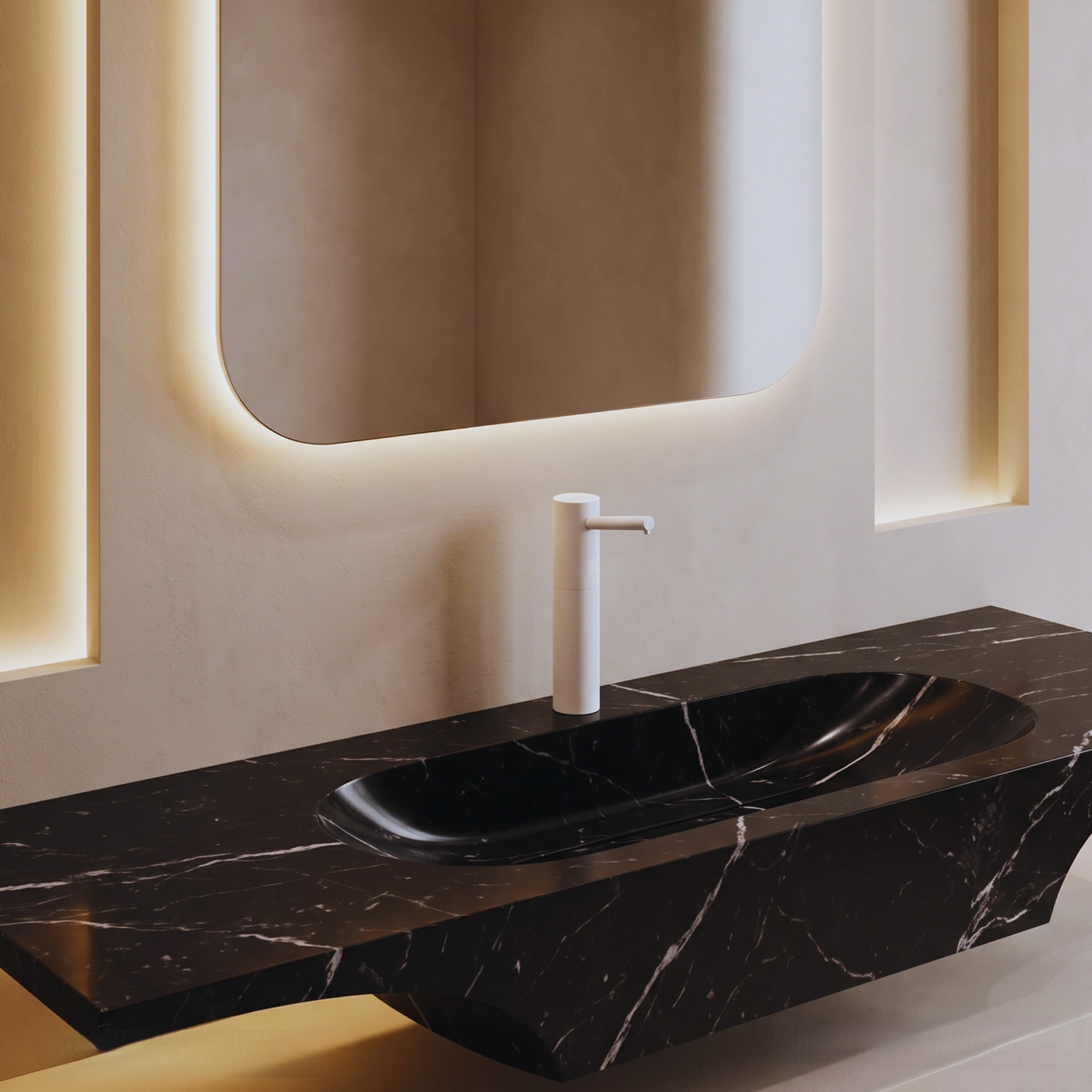
 Automatic
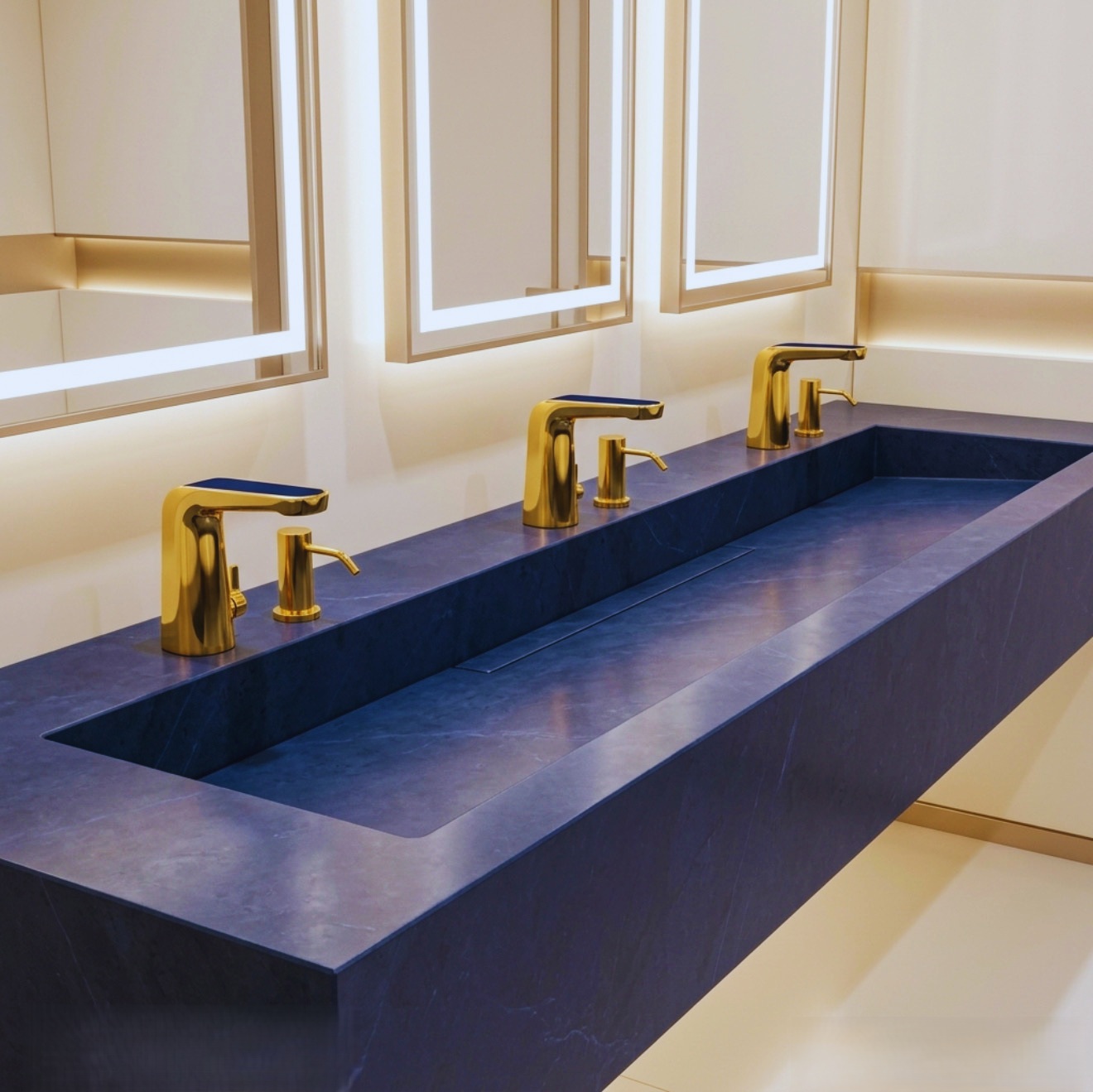 Commercial
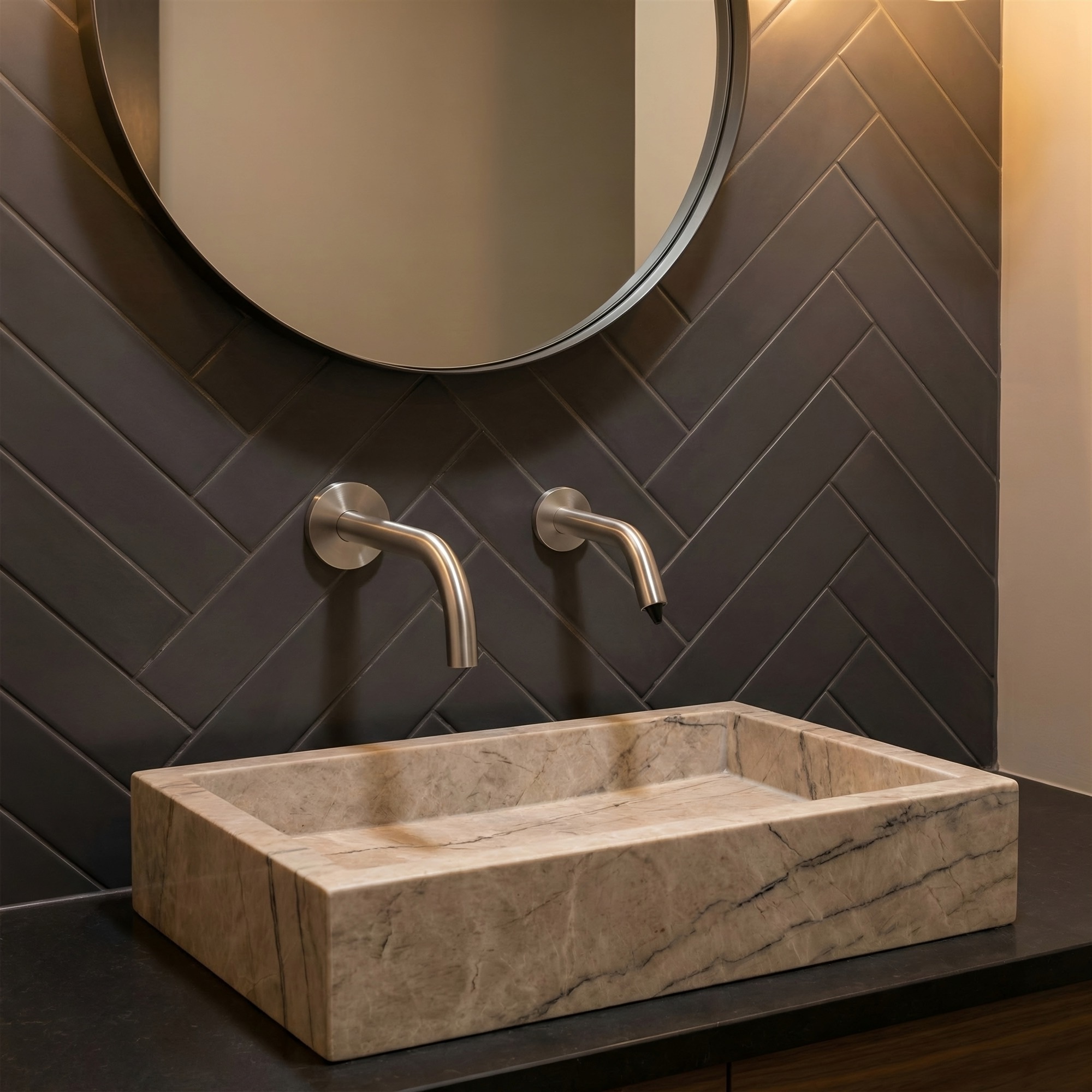 Wall-Mount
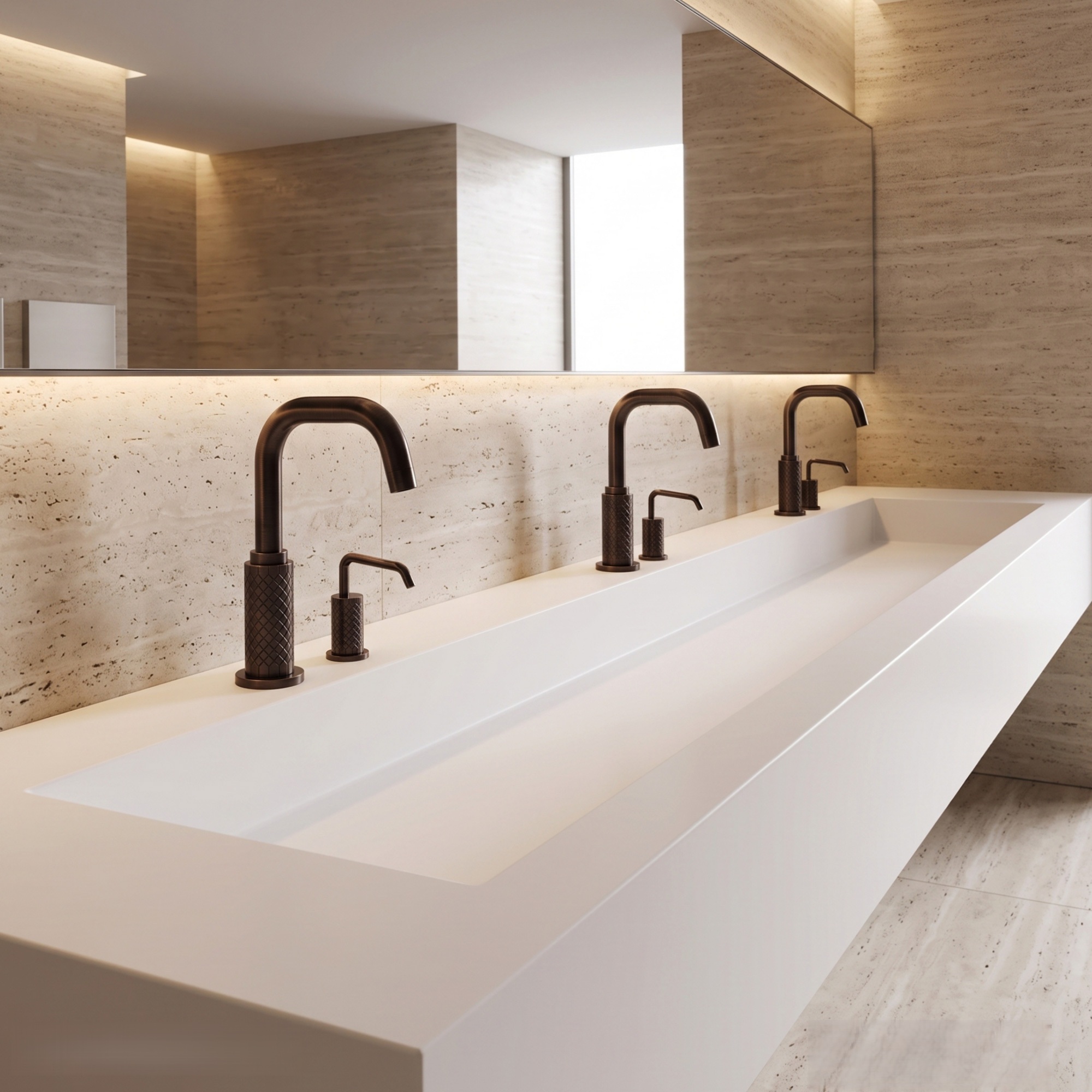 Deck-Mount
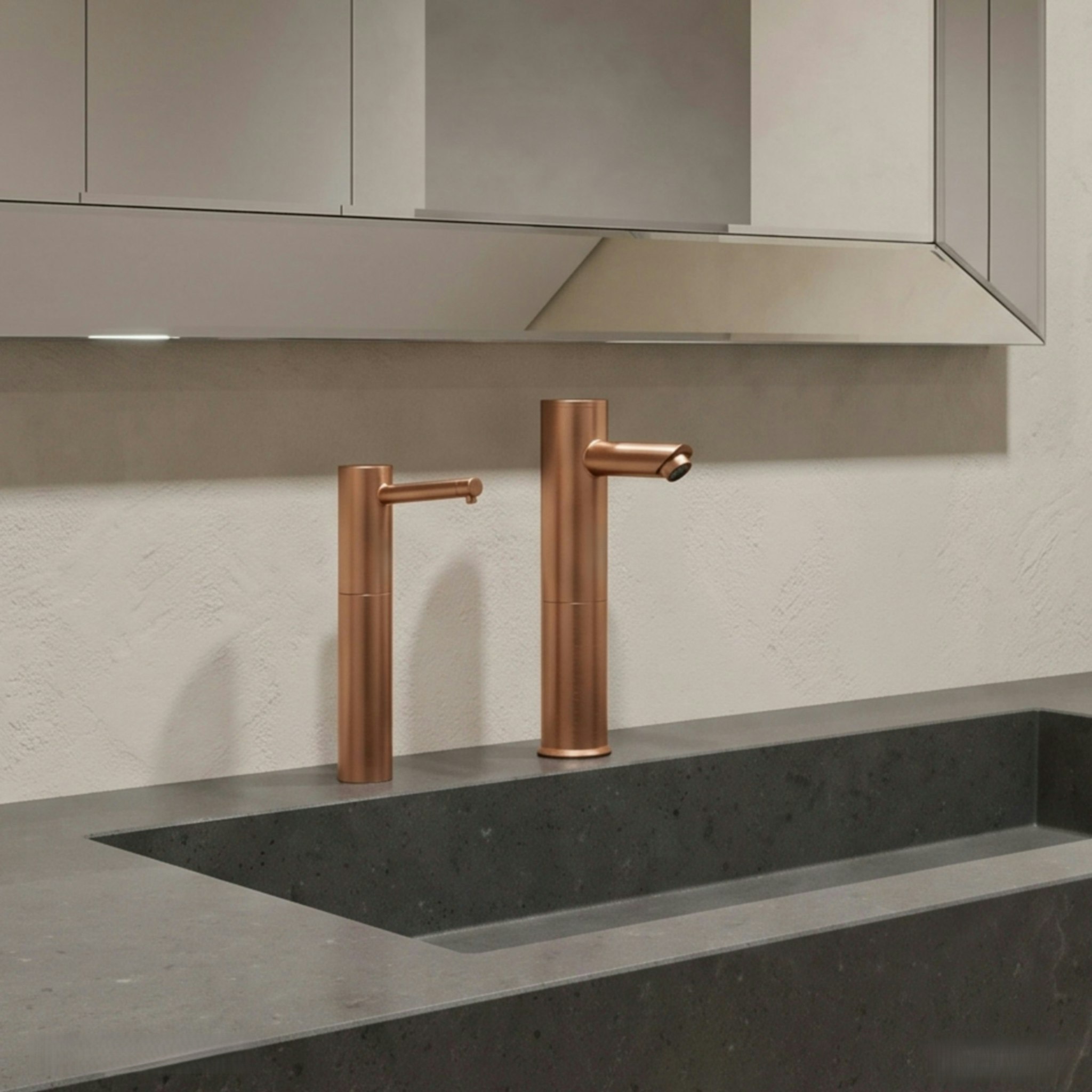 Faucet + Soap