Successful fixture installation begins before decorative products are unpacked. The project team must verify approved models, rough-ins, utilities, supports, finishes, access and current instructions, then protect the work through testing and turnover.
Commissioning confirms that installed fixtures operate as intended under actual project conditions. Handover preserves the documents, settings, training and service information the owner needs after construction. Exact procedures must follow the selected model, project documents, adopted requirements and qualified-trade practices.
Confirm models, finishes, quantities, components and visible condition
Receiving log and discrepancy report
Storage
Protect products from moisture, impact, chemicals, dust and unauthorized handling
Storage and protection plan
Preinstallation
Verify rough-ins, supports, utilities, access, surfaces and approved documents
Preinstallation checklist
Installation
Follow current exact-model instructions and coordinated project requirements
Installer verification record
Startup
Flush, connect, energize, prime, configure and inspect
Startup checklist
Functional Testing
Test flow, temperature, sensing, shutoff, outlets, controls and leaks
Test results and settings
Correction
Document deficiencies, corrective work and retesting
Issue and resolution log
Handover
Transfer manuals, warranties, settings, care, spares and training
Owner operations package
Bathroom fixture installation and commissioning should verify that approved models, rough-ins, utilities, concealed components, controls, service access, and project settings remain coordinated through final turnover rather than treating installation as the end of the specification process. Project teams can reference the bathroom fixture rough-in and MEP coordination guide, use the fixture specification and closeout checklist, and retain BathSelect warranty and product-support resources when testing fixture operation, recording settings, training facility teams, and transferring complete bathroom systems into service.
Receiving and Protection
Control Products Before Installation Begins
Receiving Check
Verification
Action if Unresolved
Identity
Exact model, option and finish match the approved submittal
Quarantine and clarify before installation
Completeness
Trim, valves, controllers, power parts, outlets, drains and accessories are present
Record missing components by package
Quantity
Counts reconcile with room types and delivery phase
Report shortages and avoid uncontrolled reassignment
Condition
Visible surfaces, threads, cables and packaging are undamaged
Photograph and report before handling
Documentation
Current exact-model instructions are available
Obtain controlled documents before work
Storage
Products remain dry, secure, labeled and separated by phase
Correct storage and protection conditions
Complete Fixture Systems
Install Visible and Concealed Components as One Assembly
Protect Valves and Controls from Construction Debris
Coordinate system flushing before final fixture connections according to project and product requirements. Debris can affect cartridges, filters, aerators, solenoids, check valves, thermostatic controls and small water passages.
Preparation Step
Control Objective
Isolation
Identify accessible shutoffs and prevent uncontrolled discharge
Flushing
Remove construction debris before sensitive components are exposed
Filter Inspection
Confirm strainers and filters are clean, oriented and accessible
Pressure Check
Confirm project pressure is within exact-model limits
Leak Test
Inspect connections and concealed assemblies before closure and turnover
Temperature Setup
Adjust the approved control method under actual operating conditions
Record
Retain pressure, temperature, leak and corrective-action results
See
Hydraulic Engineering for related planning principles. Plumbing calculations and water-treatment procedures remain project-specific.
Manual Faucet and Fixture Testing
Confirm Fit, Flow, Temperature and Drainage
Test
Acceptance Question
Record
Mounting
Is the fixture secure, aligned and undamaged?
Location and installer
Operation
Do handles, valves, diverters and moving parts operate correctly?
Observed condition
Flow
Does output match the intended configuration and project conditions?
Test condition and result
Temperature
Does the approved temperature-control strategy function as required?
Setting and measured condition
Drainage
Does water land, drain and clear without avoidable leakage or overflow?
Observed performance
Connections
Are supplies, drains and concealed joints free of leaks?
Inspection and corrective action
Finish
Is the visible product clean and free of installation damage?
Condition and exception log
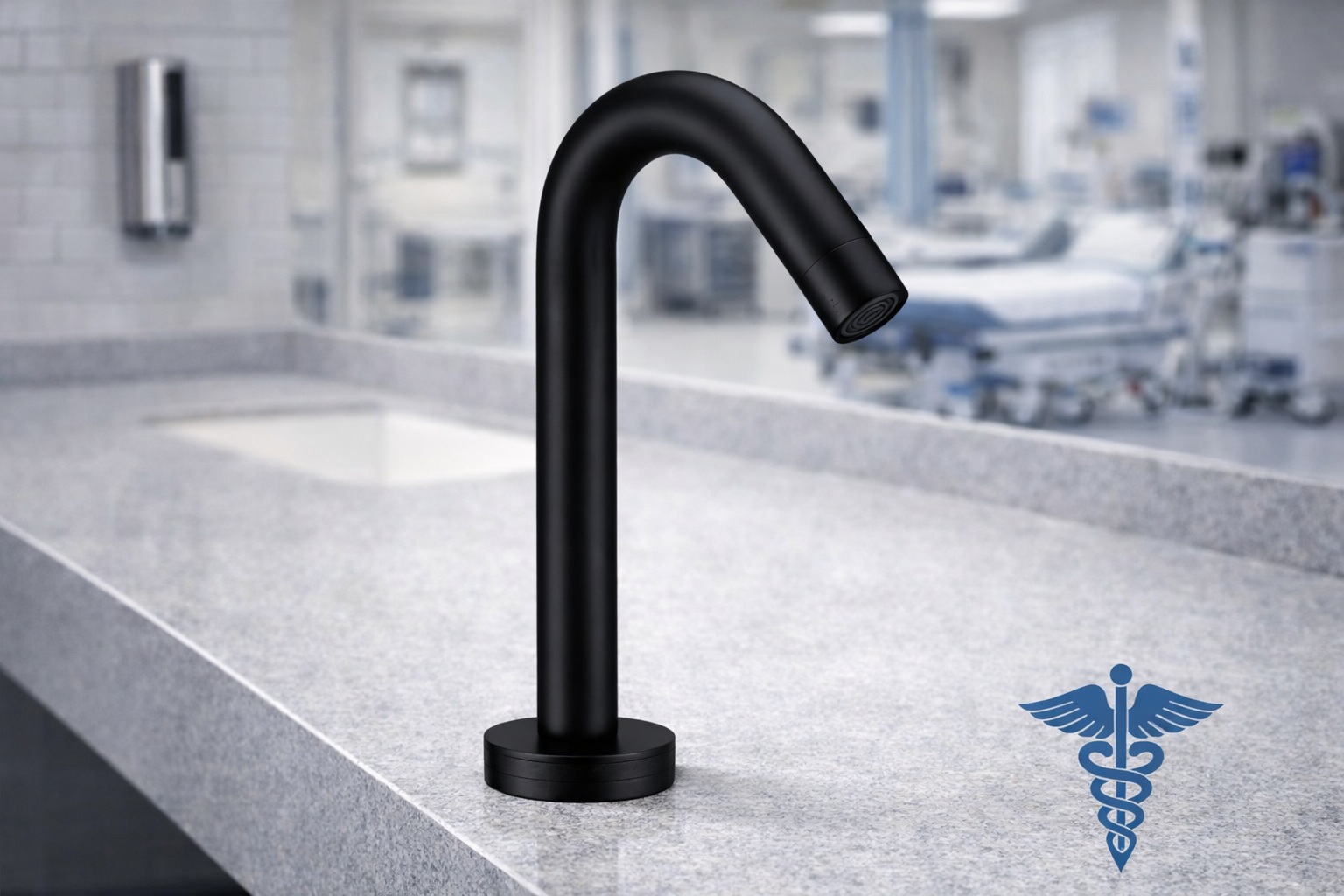
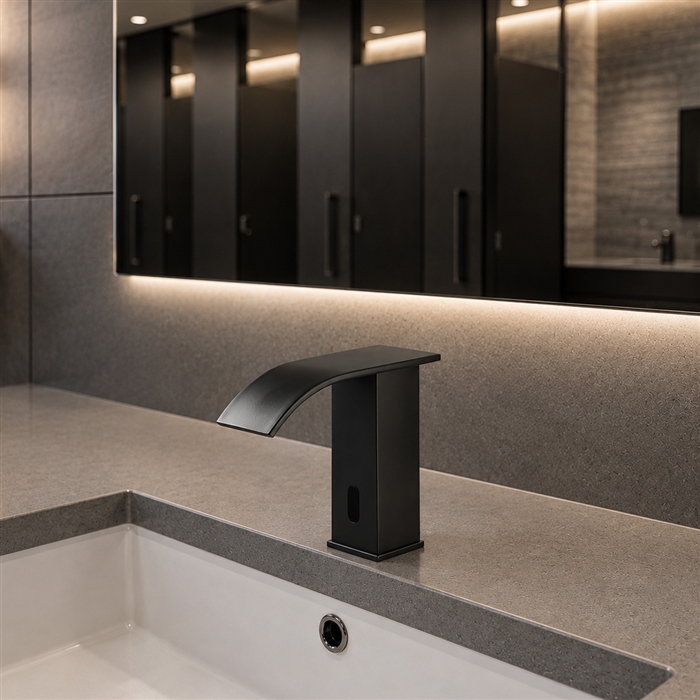
Touchless Faucet Commissioning
Test the Fixture in Its Actual Sink Environment
Commissioning Item
Verification
Power
Correct battery, transformer, voltage, connections and access
Detection
Reliable activation for the intended user approach without avoidable false triggering
Water Landing
Flow reaches the usable bowl area without excessive splash
Shutoff
Water stops consistently under intended operation and time limits
Temperature
Approved mixing or tempering arrangement is adjusted and documented
Flow Device
Correct model-specific outlet and flow rating are installed
Service Components
Filter, solenoid, control box, isolation and power remain accessible
Settings
Final adjustments and responsible technician are recorded
Use approved nonabrasive cleaning methods and avoid construction chemicals, aggressive tools or protective materials that can affect the finish. Remove dust and residues using the exact-product care guidance.
Inspect every visible fixture under final lighting. Record scratches, discoloration, coating damage, misalignment and cleaning residue before acceptance. Keep the approved finish sample and exact finish code with the project record. See
Material Engineering and Quality Engineering.
Owner Handover Package
Preserve the Information Needed After Construction
Handover Item
Required Content
Approved Schedule
Exact installed models, finishes, quantities and locations
Product Documents
Data, rough-ins, installation and operating instructions
Commissioning Records
Tests, settings, deficiencies, corrections and retest results
Access Record
Locations of isolation, valves, controllers, filters, transformers and batteries
Finish Care
Approved cleaners, methods and prohibited chemicals
Warranty
Applicable terms, dates, documentation and claim process
Parts & Spares
Attic stock, replaceable components and storage locations
Training
Attendees, topics, procedures and service contacts
Verify exact model, configuration, finish and assigned room before opening or installing the product.
Debris in Waterways
Coordinate flushing and filter inspection before cartridges, solenoids and flow devices are placed into operation.
Settings Not Recorded
Unrecorded sensor, temperature, digital or dosing settings make later troubleshooting and restoration more difficult.
Finish Damaged
Protect fixtures from tools, chemicals, abrasives and construction handling through final acceptance.
Access Obstructed
Confirm that panels, valves, controls and service parts remain reachable after all surrounding work is complete.
Incomplete Closeout
Do not separate manuals, settings, warranty data, care instructions, parts and training from the installed fixture record.
Frequently Asked Questions
Installation and Commissioning Questions
Who should commission fixtures?
Qualified parties identified by the project documents should perform and document the work using current exact-model procedures.
When should testing occur?
Test concealed connections before closure, then commission complete fixtures after utilities and finishes are ready under representative operating conditions.
Should every repeated room be tested?
The project commissioning plan should define the required scope. Do not assume one tested sample proves every installation is correct.
Can generic instructions be used?
No for critical installation or setup decisions. Use current documents for the exact installed model and configuration.
What settings should be retained?
Record applicable sensor, flow, temperature, outlet mapping, digital-control and soap-dose settings with the fixture location and date.
What training does the owner need?
Cover normal operation, isolation, cleaning, approved consumables, battery or filter service, basic troubleshooting, warranty and support contacts.
From Delivered Product to Documented Operation.
BathSelect supports project teams with exact-product information, installation questions, system coordination, finish care and post-purchase resources.
Professional responsibility: BathSelect information does not replace manufacturer instructions, adopted codes, commissioning requirements, qualified-trade work or contractual responsibilities. Exact procedures vary by model and project. Verify current product documents, approved submittals, field conditions, testing criteria and owner requirements before installation and acceptance.





 Complete Spa
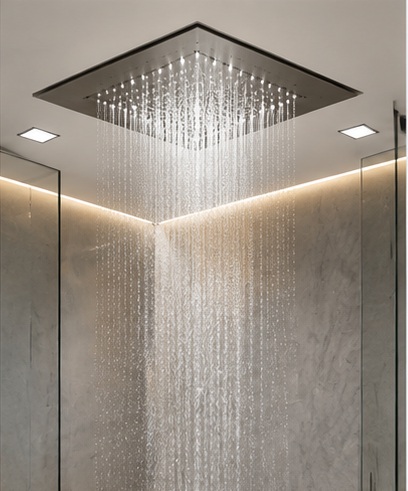 Ceiling Shower
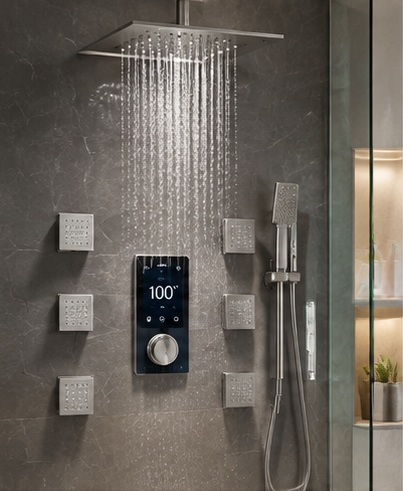 Smart Digital
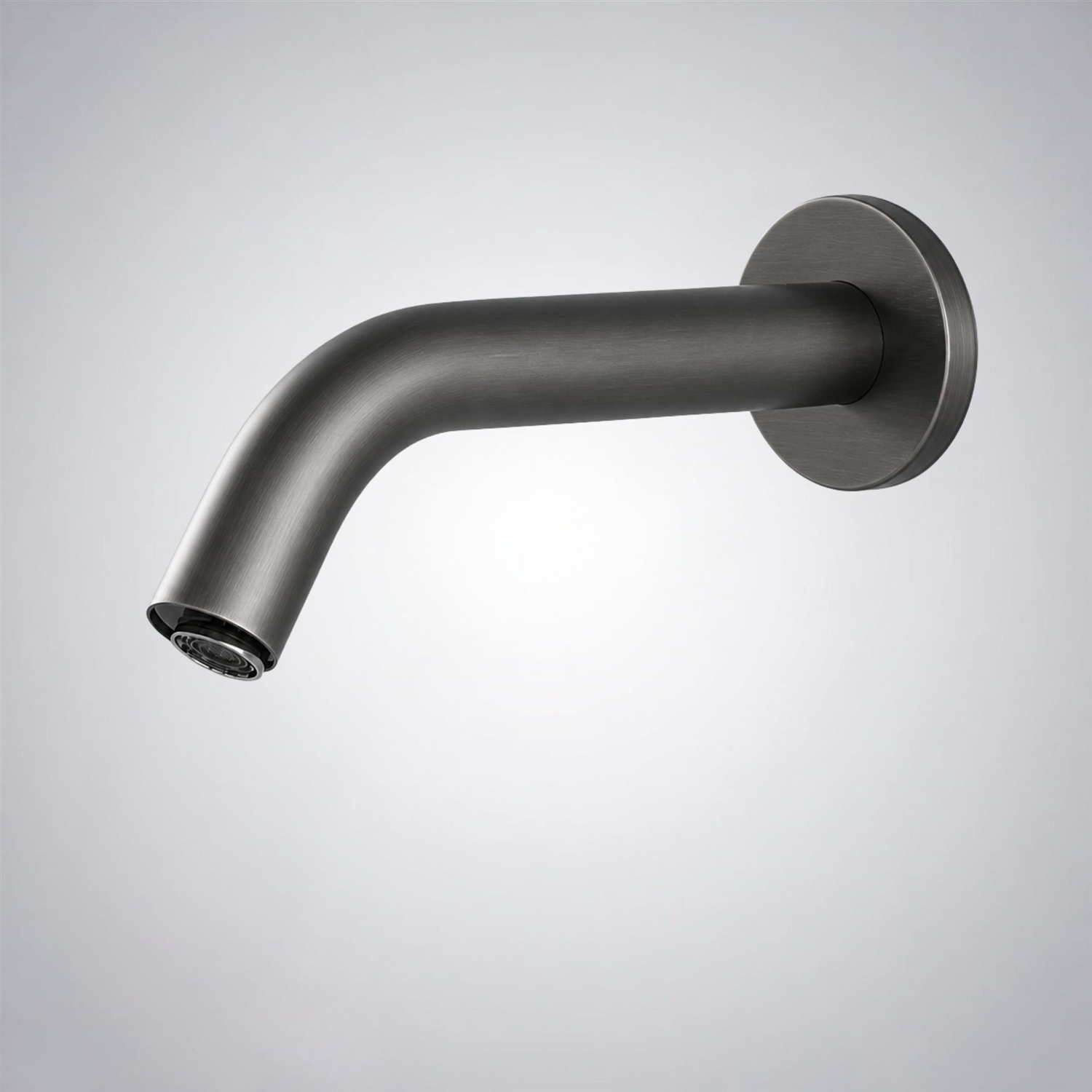 Touchless Faucet
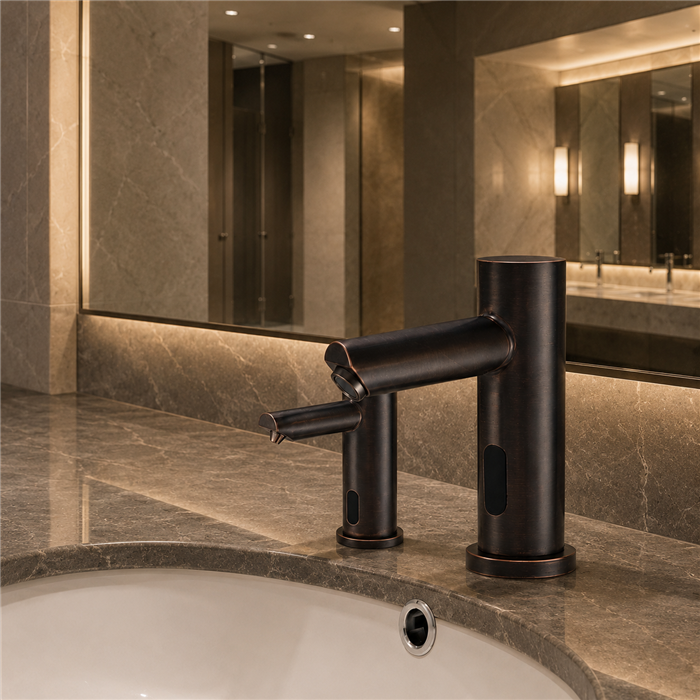 Commercial