A successful finish program aligns faucets, shower components, tub fillers, drains, accessories, sinks and public-restroom systems as one visual language. The specification must distinguish exact finish names, substrates, coating processes, sheen and approved variations.
Coordination also requires physical samples, representative lighting, adjacent-material review, procurement controls and finish-specific care planning. Similar marketing names are not proof that products from different manufacturers or production lots will match.
Control Every Decision from Design Intent to Turnover
Coordination Stage
Required Action
Controlled Record
Design Intent
Define the visual role, sheen, warmth, contrast and durability expectations
Project finish narrative
Basis of Design
Select exact products, substrates, finishes and locations
Basis-of-design schedule
Sampling
Review physical samples under representative lighting beside adjacent materials
Approved sample set
Coordination
Align fixture, accessory, hardware, lighting and surface schedules
Coordinated finish matrix
Mockup
Approve assembled relationships, reflections, spacing and care expectations
Mockup record and images
Procurement
Carry exact finish codes through submittals, orders, packaging and room assignments
Approved procurement schedule
Installation
Protect, inspect and compare visible work against approved references
Installation and exception log
Handover
Transfer finish codes, samples, care methods, spare trim and replacement rules
Owner finish-control package
Architectural fixture finishes should be approved through a controlled sample-and-record process rather than by finish name, catalog image, or screen color alone. Architects, Designers, Consultants, contractors, and procurement teams should establish the intended metallic direction, review labeled physical samples beside tile, stone, millwork, glass, hardware, and representative project lighting, then record the accepted finish code, sample condition, location, approver, and permitted variation before products are released. Coordinated fixture families can be evaluated through BathSelect Coordinated Bathroom Fixture Collections, finish handling and ownership documentation can be supported through BathSelect Assurance, and long-term cleaning and finish-protection requirements can be referenced through BathSelect Warranty Information so the approved sample, exact finish identity, installation protection, cleaning method, accepted variation, and future replacement reference remain connected to the same architectural finish decision throughout the project lifecycle.
Finish Schedule Foundation
Define the Information Behind Every Finish Name
Finish Field
Required Definition
Coordination Purpose
Exact Identity
Manufacturer, model, finish name, finish code and approved option
Prevents name-only substitutions
Substrate
Base material and relevant construction beneath the visible finish
Clarifies performance and appearance expectations
Process
Polished, brushed, plated, coated, PVD or other documented treatment
Distinguishes visually similar finish systems
Appearance
Color family, undertone, sheen, texture and acceptable variation
Creates a shared visual reference
Location
Room type, fixture type, elevation and adjacent materials
Connects the finish to design intent
Care Standard
Approved cleaners, methods, restrictions and maintenance responsibility
Protects appearance after installation
Coordinate Complete Fixture Systems
Create One Visual Language Across Every Product Family
Approve Finish Relationships Under Project Lighting
Exact Identity
Label each sample with manufacturer, product, finish name, finish code, date and approval status.
Lighting
Review samples under the color temperature, intensity and direction expected in the completed bathroom.
Adjacent Materials
Compare finishes beside tile, stone, millwork, glass, mirrors, paint, lighting and door hardware.
Orientation
View curved, flat, horizontal and vertical components because reflection changes perceived color and sheen.
Variation
Document acceptable variation between shapes, materials, production lots and manufacturing processes.
Approval
Retain the signed sample, comparison images, decision date, approver and any location-specific conditions.
Use
Material Engineering with physical samples and exact-product finish documentation.
Finish Family Selection
Evaluate Appearance, Exposure and Operational Demand
Finish selection should account for design intent and the service environment. Confirm exact product availability and characteristics; the same color family can vary in tone, sheen, texture, process and care requirements.
Finish Family
Coordination Focus
Chrome
Bright reflection, cool neutrality, strong contrast and visible water spotting
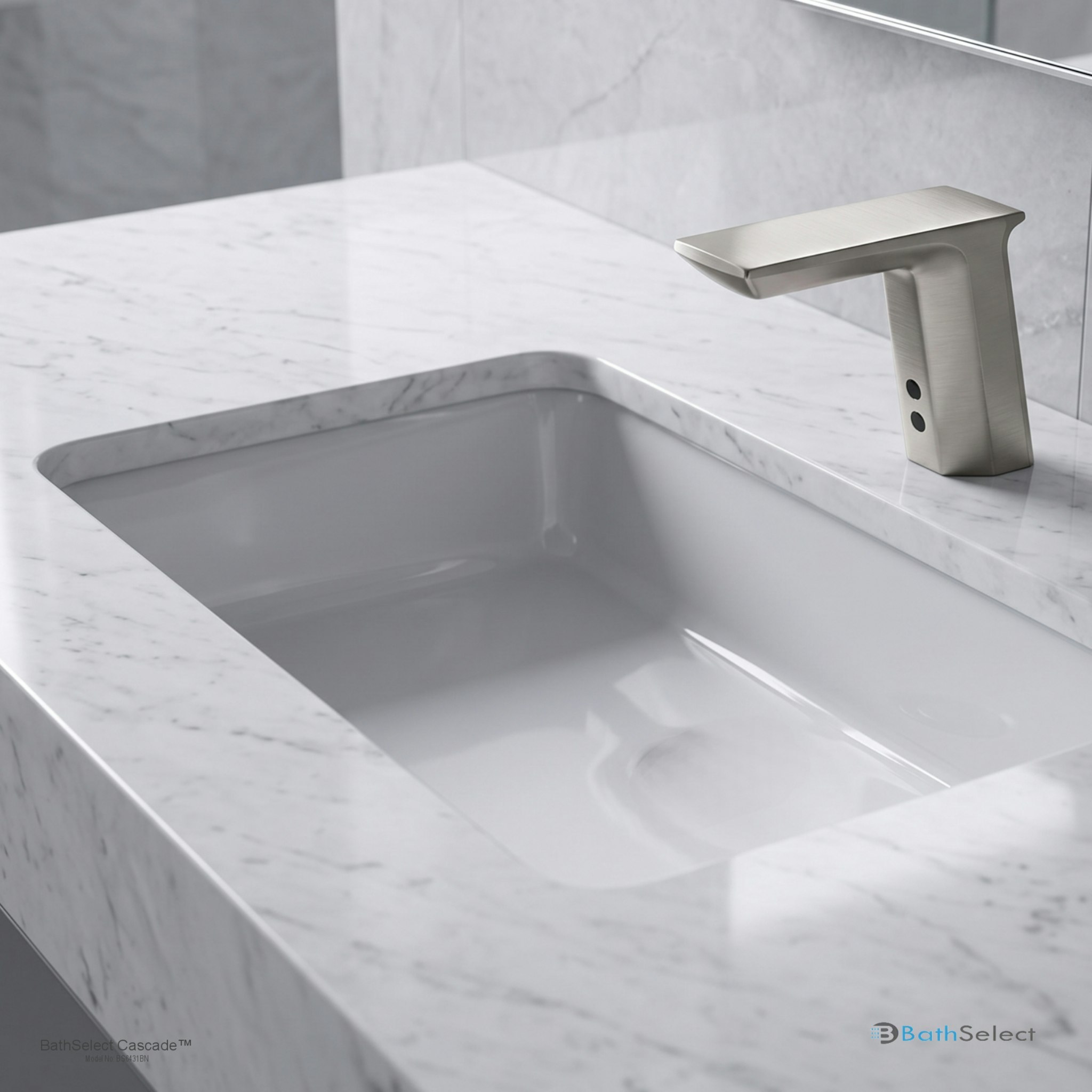
Brushed Nickel
Softer reflectivity, directional brushing and warm-to-neutral undertones
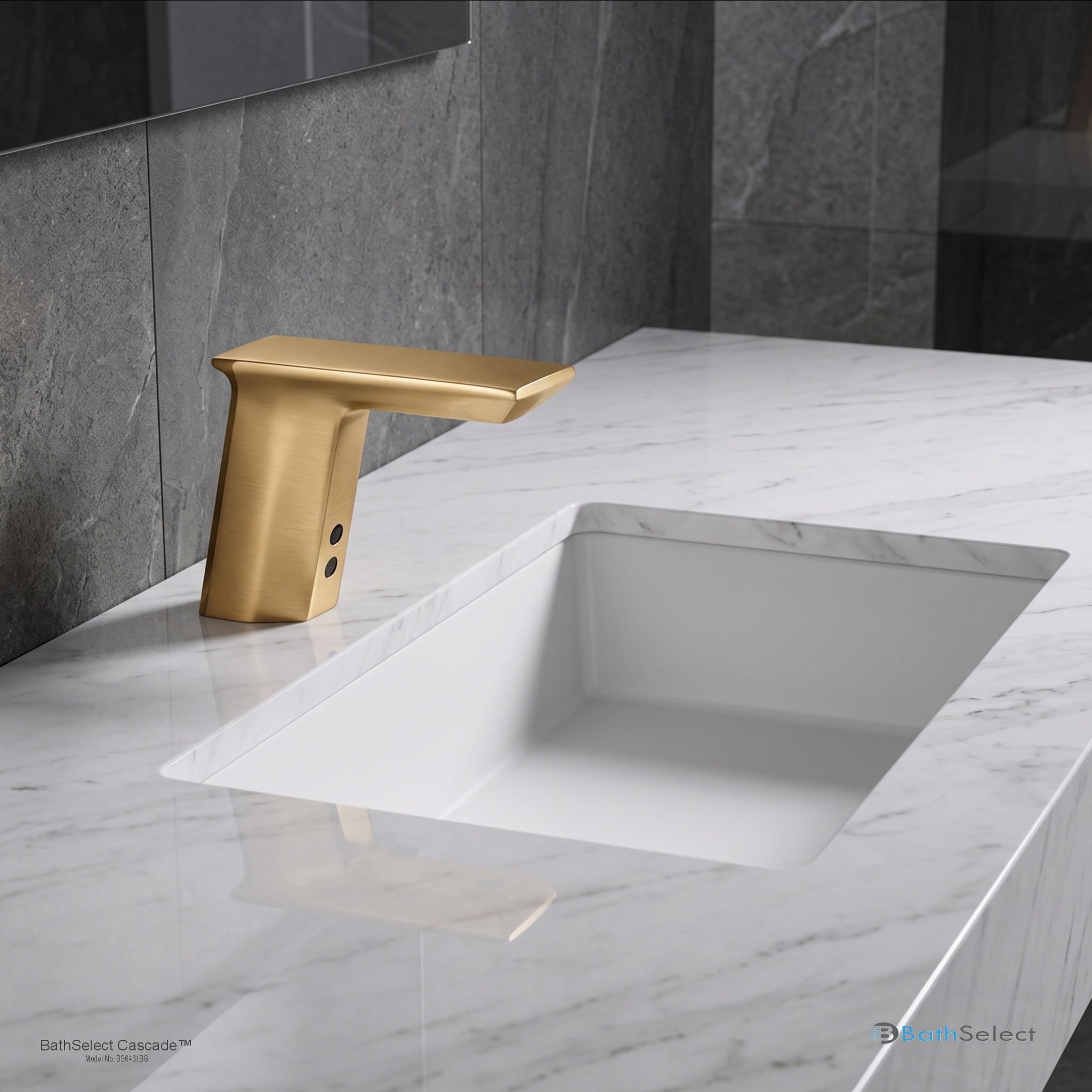
Brushed Gold
Warm metallic emphasis, sheen control and coordination with stone and lighting
Matte Black
Graphic contrast, silhouette consistency and mineral-residue visibility
Bronze
Dark warm character, tonal variation and compatibility with surrounding hardware
Gunmetal
Cool dark-metal balance, reflectivity and distinction from black finishes
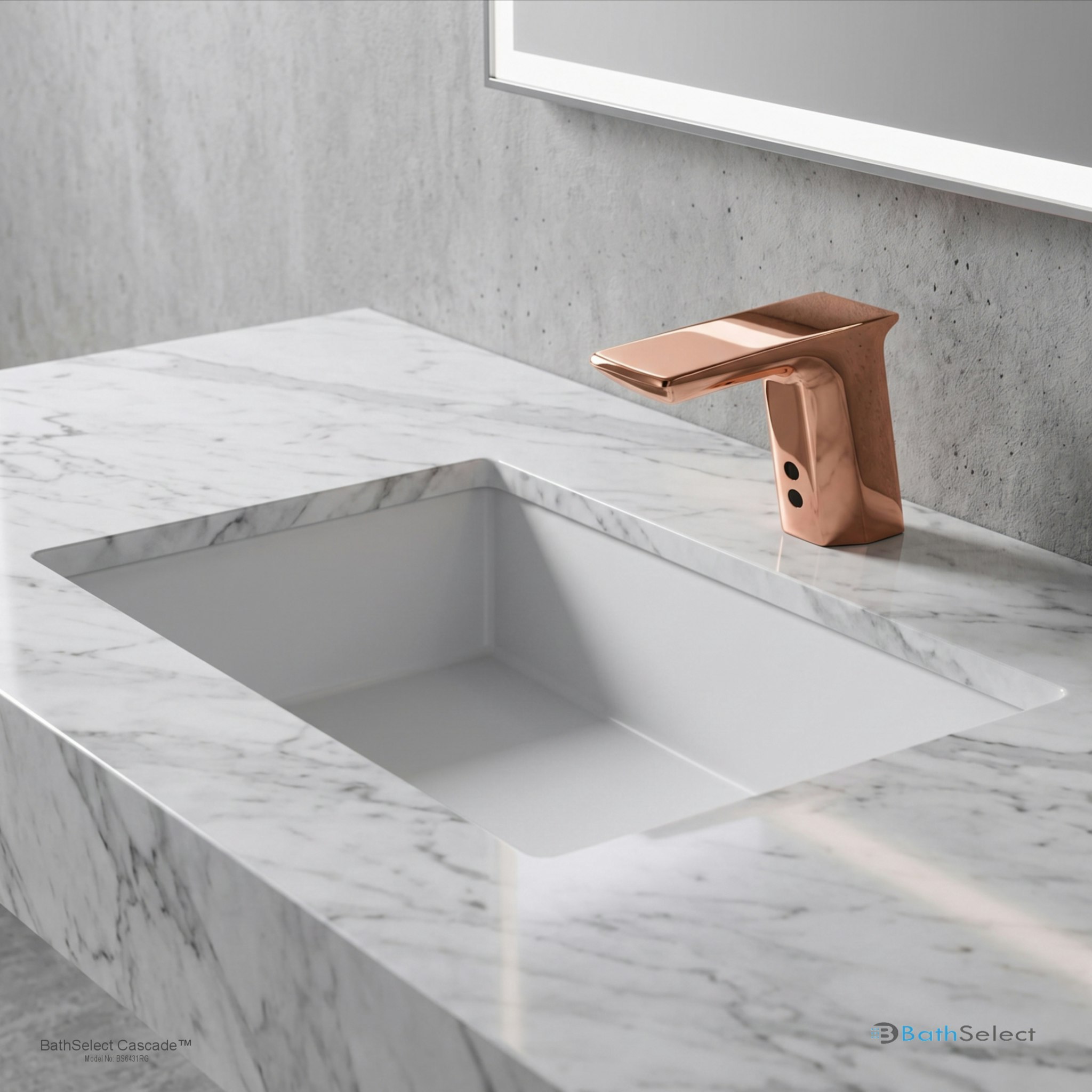
Rose Gold
Warm blush undertone, project lighting response and disciplined accent use
Specify Care Requirements Before the Finish Is Approved
A finish decision is incomplete without an operating plan. Review anticipated cleaning frequency, water chemistry, disinfectants, abrasives, coastal or humid exposure, touch frequency and the consequences of visible spotting or fingerprints.
Specify only manufacturer-approved care methods. Retain the approved sample and finish code so future replacements can be compared against the original intent. See
Material Engineering and Quality Engineering.
Procurement and Installation Control
Prevent Substitution, Lot Mixing and Field Damage
Control Point
Required Content
Approved Schedule
Exact product, finish code, quantity, room type and approved alternates
Product Documents
Physical sample, comparison record and written approval status
Delivery Control
Finish-coded packaging, protected storage and controlled distribution by area
Access Record
Written review of proposed substitutions against the complete coordinated system
Finish Care
Installer handling, protective covering and approved cleaning before inspection
Warranty
Representative inspection under final lighting against retained samples
Parts & Spares
Documented discrepancies, responsible party, resolution and reinspection
Training
Finish schedule, samples, care guidance, spare trim and replacement process
Decisions That Create Visible Inconsistency or Rework
Name-Only Matching
Do not assume two products match because both are described as gold, nickel, bronze or black.
Screen Approval
Digital images and displays cannot replace labeled physical samples reviewed under representative lighting.
Missing Accessories
Include drains, overflows, shower outlets, soap dispensers, bars, hooks and exposed piping in the finish matrix.
Late Substitution
Review proposed changes against the full coordinated set, not as isolated product substitutions.
Mixed Lots
Identify production-lot or process variation early and distribute products deliberately where consistency is critical.
No Care Standard
Approve finish-specific cleaning guidance before occupancy and train every responsible team from the same record.
Frequently Asked Questions
Finish Selection and Coordination Questions
Can finish names be matched?
Not reliably by name alone. Compare exact physical samples, finish codes, substrates and processes.
Why does lighting matter?
Color temperature, direction, intensity and reflections can make the same finish appear warmer, cooler, brighter or darker.
Must every fixture match?
No. Deliberate contrast can be successful, but the relationship should be documented and repeated consistently.
When should samples be approved?
Before procurement, after adjacent materials and representative lighting are known, and before approving substitutions.
How should substitutions be reviewed?
Compare exact samples, performance, dimensions, availability, care and every affected product relationship.
What belongs at handover?
Provide finish schedules, codes, retained samples, approved care guidance, exceptions, spare trim and replacement procedures.
From Finish Concept to Coordinated Reality.
BathSelect supports architects, designers and project teams with coordinated fixture collections, exact finish information, sample review and project-wide selection support.
Professional responsibility: BathSelect information does not replace exact-product finish documentation, physical samples, adopted requirements, qualified professional judgment or contractual responsibilities. Appearance and performance vary by product, substrate, process, lighting, exposure and care. Verify current finish availability, approved samples, test requirements and manufacturer care guidance before specification and procurement.





 Shower Finish
 Coordinated Fixture
 Touchless Faucet
 Commercial Handwashing