Lifecycle Performance Starts with a Maintainable Specification
Reliable bathroom fixtures depend on more than cleaning or reactive repair. Owners benefit from accessible service components, documented settings, compatible care products, trained staff and a planned stock of frequently needed parts.
Lifecycle planning connects those operating practices to condition data, service history, water use, guest or occupant impact and capital forecasts. Exact maintenance intervals and procedures must always follow the installed model, water conditions, usage intensity and current product documentation.
Calendar intervals are a starting point, not a universal prescription. Adjust them using inspection findings, manufacturer requirements, usage intensity, water quality, environmental conditions, criticality and service history.
Maintenance Activity
Planning Objective
Isolation
Find leaks, looseness, damage, abnormal sound and deteriorating finish early
Flushing
Maintain flow and spray quality without damaging the outlet or finish
Filter Inspection
Inspect or clean at model-appropriate intervals and after water-system events
Pressure Check
Verify reliable activation, shutoff, battery or transformer condition and access
Leak Test
Investigate promptly and record cause, correction and affected finishes
Temperature Setup
Verify performance under representative operating conditions and approved procedures
Record
Use recurring findings to revise frequencies, parts levels and replacement forecasts
See
Hydraulic Engineering for related planning principles. Plumbing calculations and water-treatment procedures remain project-specific.
Fixture Maintenance Matrix
Define the Task, Trigger and Closeout Test
Test
Preventive Focus
Record
Mounting
Aerator, cartridge, handle, mounting, connections, flow and finish
Work performed, parts and leak/flow check
Operation
Sensor window, power, filter, solenoid, timing, mixing and water landing
Activation, shutoff, flow, temperature and settings
Flow
Outlets, nozzles, valves, diverters, controls, seals and drainage
Each mode, leak check and temperature response
Temperature
Power, interface, communication, presets, control module and access
Functional test, settings and software/firmware note if applicable
Drainage
Approved consumable, reservoir, tubing, priming, dose and leaks
Dose test, refill and issue record
Connections
Sealant, mounting, strainers, traps, drainage and overflow paths
Leak, drainage and attachment test
Finish
Approved chemistry, cloths, tools, contact time and rinse/dry method
Condition note and damage escalation
Touchless Faucet Maintenance
Diagnose the Complete Faucet–Sink–Power System
Service Item
Maintenance Verification
Power
Inspect supply, connections, remaining battery condition or transformer operation and service access
Detection
Clean the sensor window and verify intended activation without false triggering
Water Landing
Confirm flow reaches the usable bowl area without excessive splash after service
Shutoff
Verify consistent shutoff and investigate drips or extended run time
Temperature
Confirm the approved mixing or tempering arrangement performs as intended
Flow Device
Clean or replace only with the correct model-specific outlet and rating
Service Components
Inspect filter, solenoid, control box, isolation and power access
Settings
Record final settings, parts, cause, technician and return-to-service test
Protect Appearance Without Compromising Performance
Use approved nonabrasive cleaning methods and avoid aggressive chemicals, pads or tools that can damage coatings, seals, sensor windows and outlets. Train housekeeping and facilities teams from the same controlled care standard.
Inspect visible fixtures under representative lighting and record scratches, discoloration, mineral buildup, coating change, looseness and cleaning residue. Keep the approved finish sample and exact finish code with the asset record. See
Material Engineering and Quality Engineering.
Spare Parts and Renewal Plan
Balance Immediate Service Needs with Long-Term Capital Planning
Planning Element
Required Content
Approved Schedule
High-impact components selected by installed quantity, lead time and failure consequence
Product Documents
Filters, aerators, cartridges, batteries, seals and approved consumables as applicable
Commissioning Records
Labeled parts, suitable conditions, accountable issue and periodic inventory review
Access Record
Availability, compatibility, substitutes and last-time-buy decisions
Finish Care
When repeated repair cost, downtime or condition justifies refurbishment or replacement
Warranty
Risk, water performance, user impact, accessibility, aesthetics and remaining service life
Parts & Spares
Near-, mid- and long-term quantities, phasing, allowances and procurement lead times
Training
Removal, replacement, recommissioning, records, warranty and disposal requirements
Patterns That Increase Downtime, Cost and Replacement Risk
Uncontrolled Asset Data
Verify exact model, configuration, finish and assigned room before opening or installing the product.
Reactive-Only Service
Coordinate flushing and filter inspection before cartridges, solenoids and flow devices are placed into operation.
Settings Not Recorded
Unrecorded sensor, temperature, digital or dosing settings make later troubleshooting and restoration more difficult.
Incompatible Cleaning
Control cleaning chemistry, tools and procedures by exact finish, then document and escalate visible deterioration.
Access Obstructed
Confirm that panels, valves, controls and service parts remain reachable after all surrounding work is complete.
No Renewal Forecast
Do not separate manuals, settings, warranty data, care instructions, parts and training from the installed fixture record.
Frequently Asked Questions
Maintenance and Lifecycle Questions
Who should maintain fixtures?
Qualified parties identified by the project documents should perform and document the work using current exact-model procedures.
How often should maintenance occur?
Set initial intervals from manufacturer guidance, usage, water conditions and risk; then adjust them using inspection and failure history.
Should every fixture be tracked?
Yes. A location-based asset record connects model data, service actions, settings, parts and recurring failures to the correct fixture.
Can one schedule cover every fixture?
No. Frequencies and tasks should reflect the exact system, finish, usage, water conditions, criticality and current manufacturer guidance.
What service data should be retained?
Record date, location, symptom, cause, work performed, parts, labor, downtime, settings and the return-to-service test.
What training does the team need?
Cover approved cleaning, safe isolation, consumables, routine inspections, parts control, model-specific service, recordkeeping and escalation paths.
From Daily Care to Planned Renewal.
BathSelect supports owners and project teams with exact-product information, serviceability planning, finish care, replacement coordination and post-purchase resources.
Professional responsibility: BathSelect information does not replace manufacturer instructions, adopted codes, water-management programs, qualified service work or contractual responsibilities. Maintenance needs vary by model, usage, water conditions and project. Verify current product documents, approved care methods, safe isolation procedures, applicable requirements and owner protocols before service.




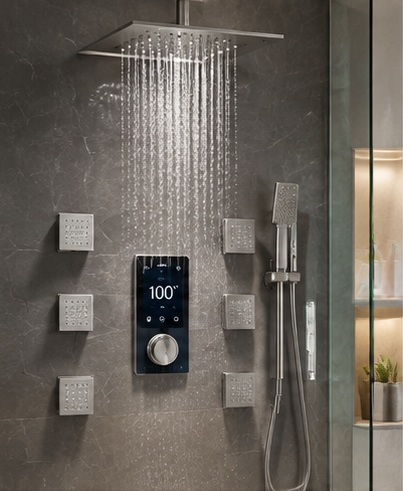
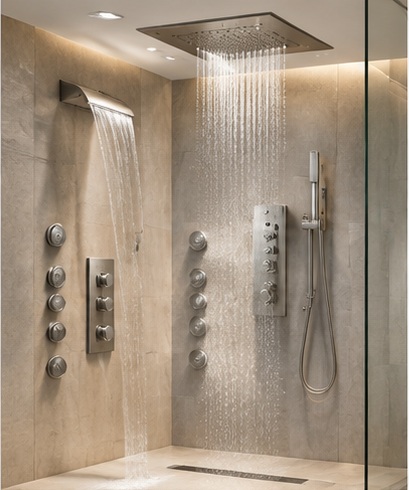 Complete Shower
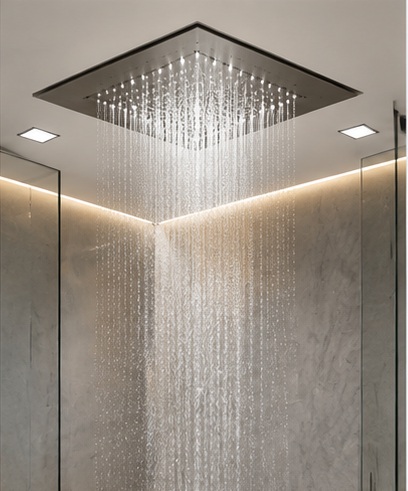 Ceiling Shower
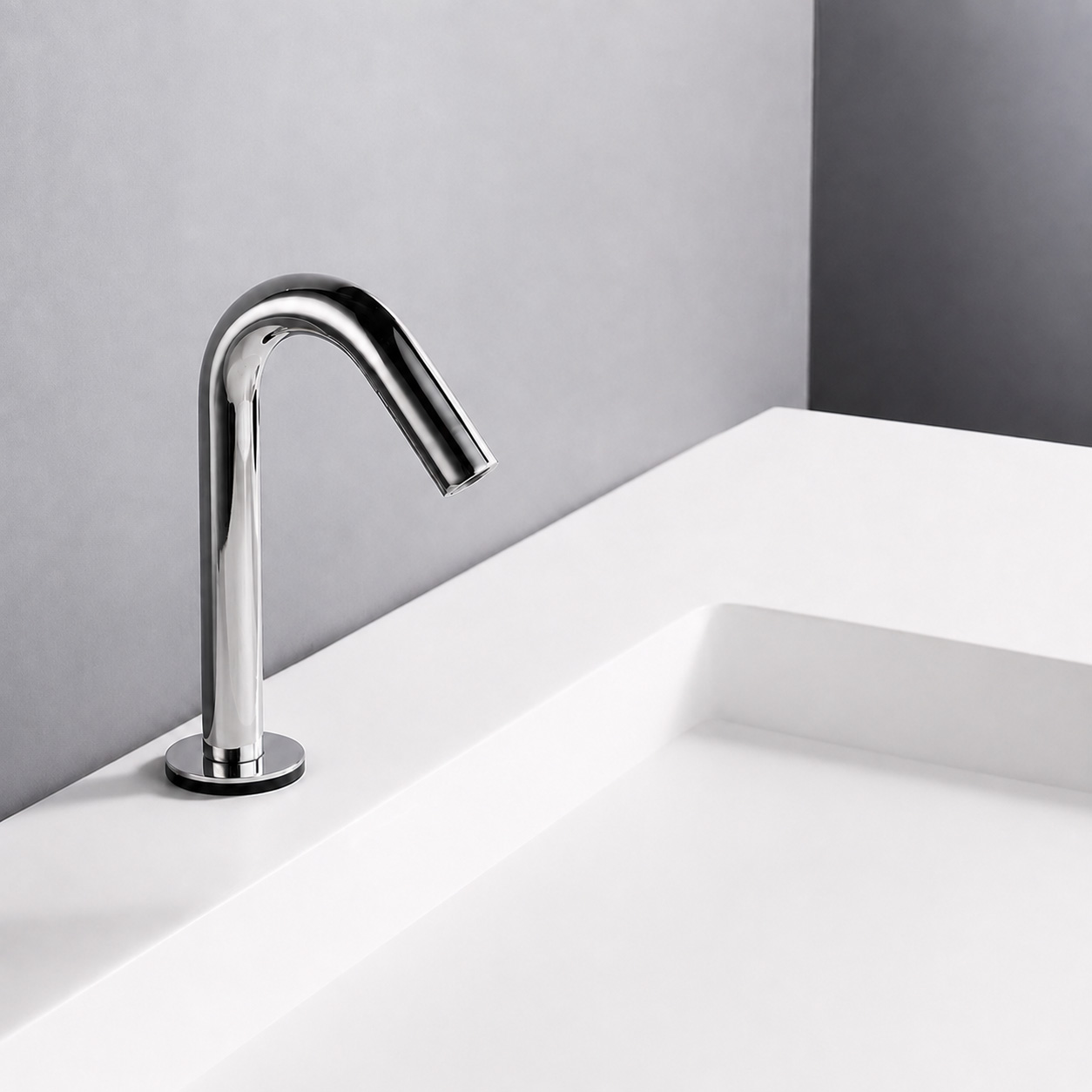
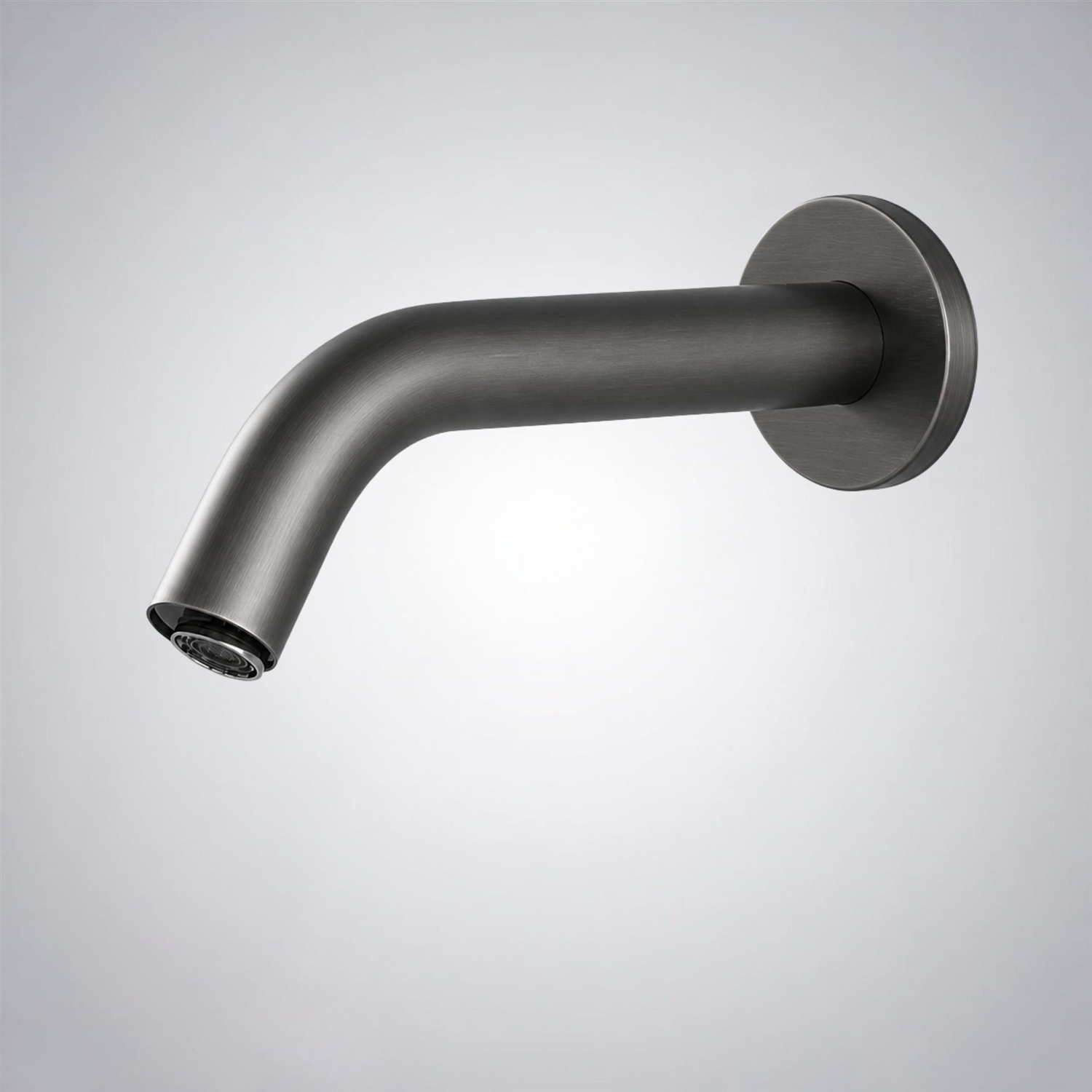
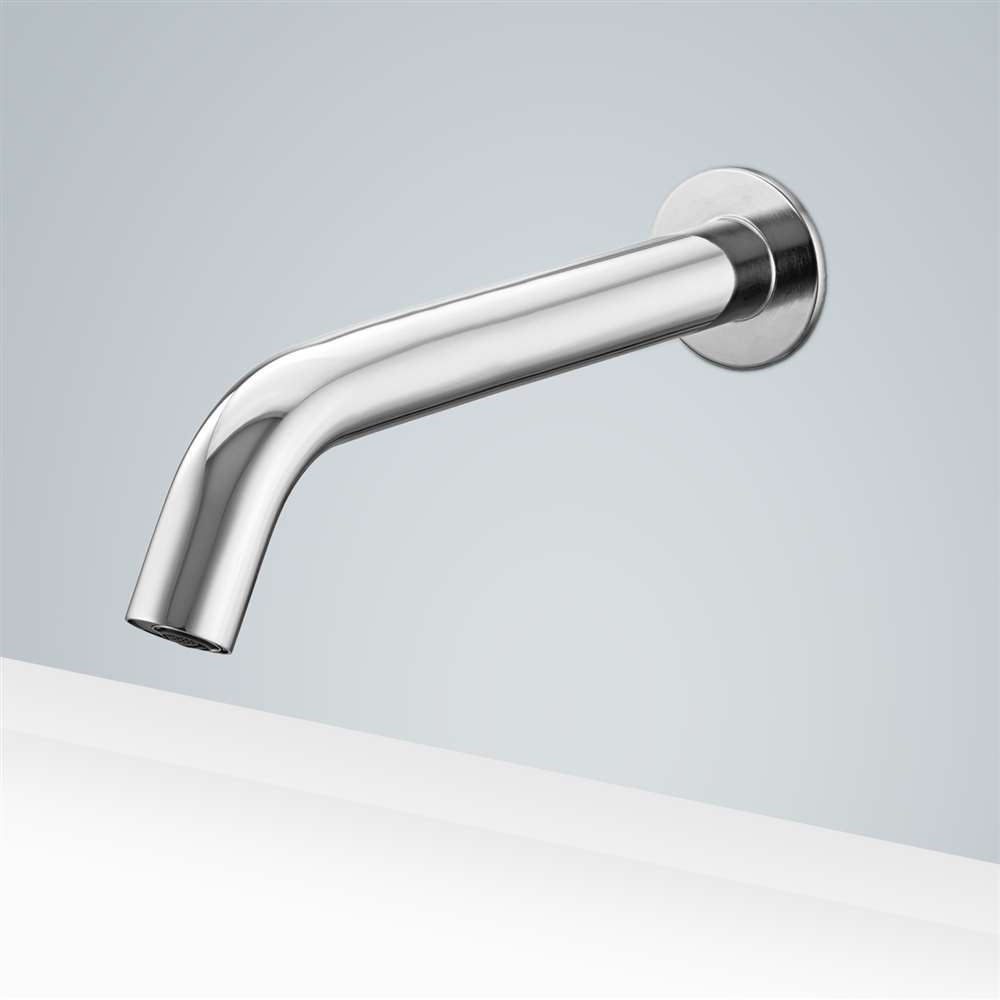 Touchless Faucet
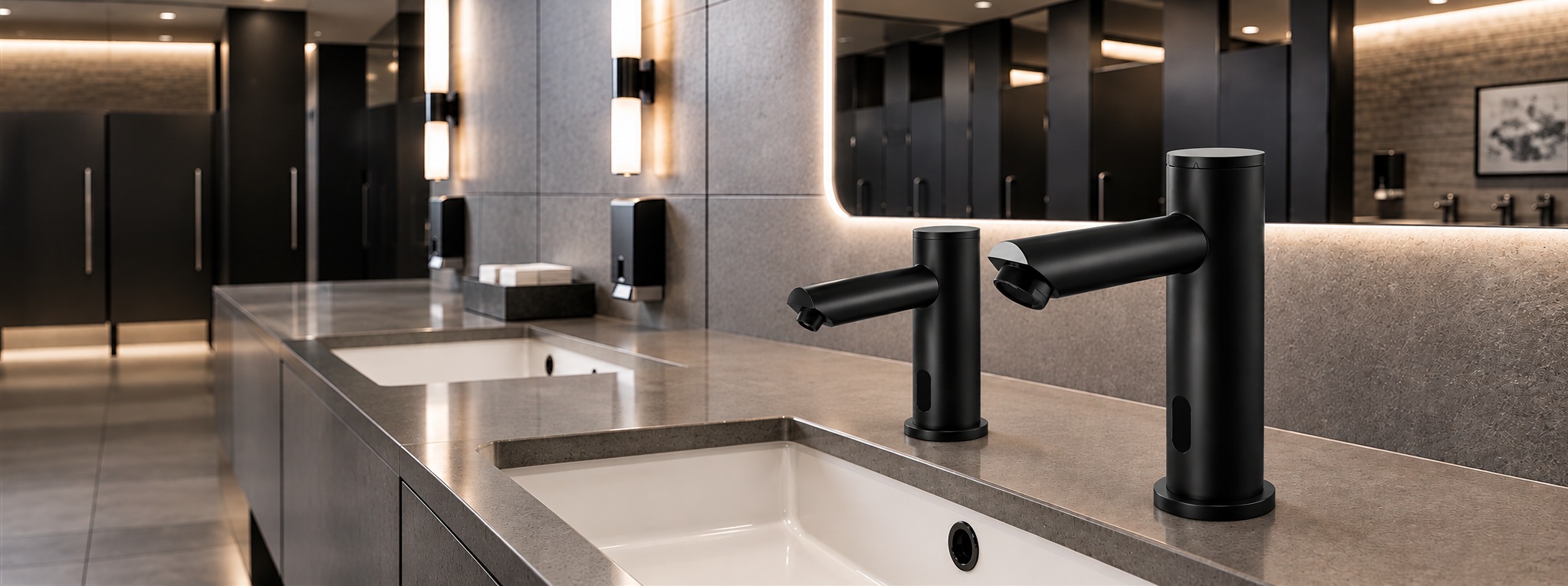
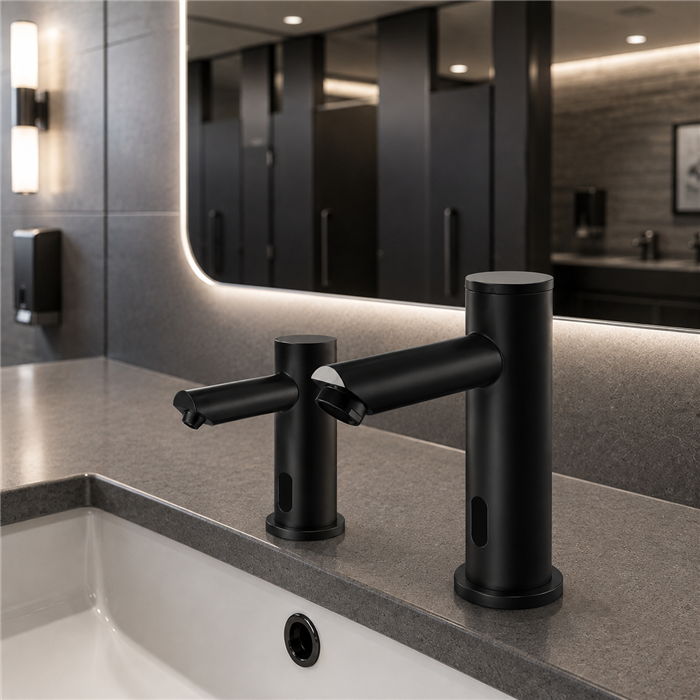 Commercial Handwashing