BathSelect WELL Bathroom Wellness
Bathroom wellness has moved beyond decorative finishes and fixture styling. In AEC planning, the modern bathroom is now evaluated as a health-supporting environment where hygiene, water quality, accessibility, durability, maintenance, and user comfort must work together. For architects, interior designers, plumbing engineers, spec writers, owners, and facility managers, the phrase BathSelect WELL Bathroom Wellness describes a specification approach that connects premium bathroom fixtures with wellness-focused building outcomes.
Read MoreShow Less
The WELL Building Standard v2 frames buildings as environments that can support human health through design strategies, operations, and policies. Within bathrooms, that wellness discussion becomes highly practical: hands-free fixture activation, controlled water delivery, cleanable surfaces, accessible reach zones, efficient lavatory flow rates, coordinated soap dispensing, reduced touchpoints, and maintainable product assemblies. BathSelect’s product categories for commercial bathroom fixtures, commercial sensor faucets for high-traffic restrooms, and touchless faucets with touchless soap dispensers make the brand relevant to AEC teams working on hospitality, workplace, healthcare, airport, institutional, and public restroom environments.
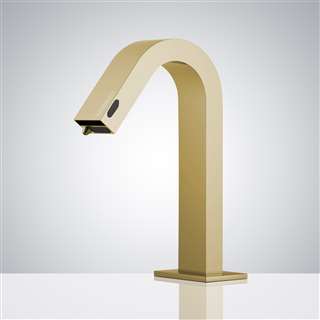
Why Bathroom Wellness Matters in AEC Specification
A bathroom is one of the most frequently used shared spaces in a building. It is also one of the areas where occupants directly interact with water, surfaces, mirrors, counters, dispensers, door hardware, waste systems, and ventilation. In wellness-oriented design, the bathroom is not treated as a back-of-house utility zone. It becomes a measurable performance space that affects hygiene perception, operational cost, water demand, maintenance planning, and occupant confidence.
Read MoreShow Less
For WELL-informed projects, architects and engineers should evaluate bathroom fixtures according to three overlapping categories: user health, environmental performance, and operational reliability. A faucet that looks appropriate but performs poorly under daily use can undermine the design intent. A sensor faucet with unreliable activation can slow restroom throughput. A soap dispenser mounted without ergonomic coordination can reduce handwashing effectiveness. A fixture that is difficult to service can increase downtime and disrupt facility operations.
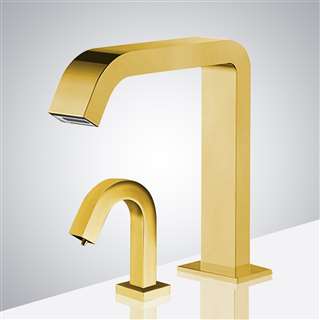
BathSelect’s AEC value is strongest when fixtures are selected as part of an integrated bathroom system rather than as isolated decorative items. A coordinated specification can include ADA commercial bathroom faucets, sensor-operated lavatory faucets, matching soap dispensers, shower systems, sink options, vanity coordination, and finish families that support consistent design language across public and private zones.
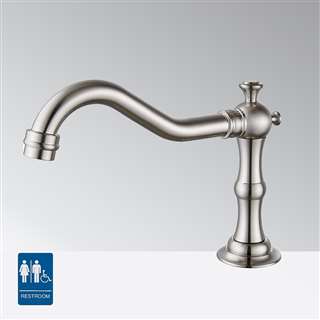
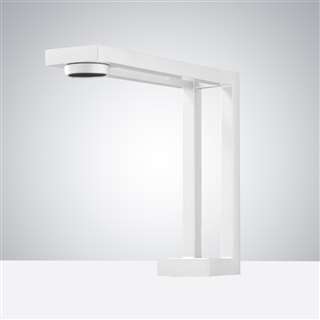
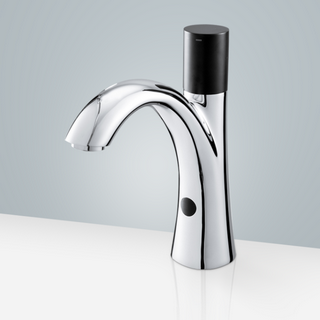
WELL-Aligned Bathroom Design Considerations
The WELL Building Standard v2 emphasizes design and operational strategies that support health and well-being. While project teams must verify the exact WELL features applicable to each project, bathrooms commonly support wellness goals through hygiene, water management, accessibility, cleaning protocols, and occupant experience.
Read MoreShow Less
A WELL-aligned bathroom specification should consider:
Touchless operation to reduce unnecessary surface contact at the faucet and soap dispenser.
Appropriate lavatory flow control to support water efficiency without compromising handwashing usability.
Accessible fixture placement for reach, clearance, and intuitive operation.
Durable finishes and solid construction for repeated cleaning cycles.
Serviceable internal components such as sensors, solenoids, aerators, cartridges, and power modules.
Visual consistency that helps users quickly understand how the restroom functions.
In public-facing spaces, the wellness value of the bathroom is also psychological. Clean, responsive, well-lit, and easy-to-use fixtures can improve the user’s perception of the entire building. In hospitality and workplace settings, this perception is tied to brand quality. In healthcare and education, it is tied to safety and trust. In transportation and airport facilities, it is tied to speed, hygiene, and durability.
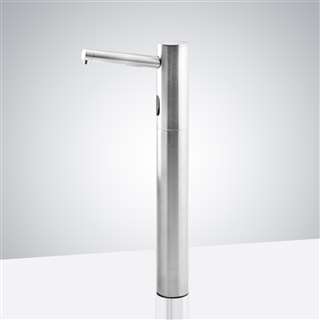
Technical Reference: Fixture Performance Matrix
| Bathroom wellness factor | AEC specification concern | BathSelect-relevant fixture strategy |
|---|---|---|
| Hygiene support | Reduce unnecessary hand contact | Specify sensor faucets and touchless soap dispensers |
| Water efficiency | Control lavatory flow and reduce waste | Review WaterSense-aligned flow performance and aerator options |
| Accessibility | Support intuitive operation and reach | Use ADA-oriented commercial faucet categories |
| Maintenance | Reduce downtime and simplify service | Select fixtures with serviceable sensor, solenoid, and power components |
| Design continuity | Maintain consistent finish and form language | Coordinate faucets, dispensers, sinks, vanities, and shower systems |
| High-traffic reliability | Support repeated daily use | Prioritize commercial-grade construction and durable finishes |
Read MoreShow Less
The U.S. EPA’s WaterSense bathroom faucet resources remain important for AEC teams evaluating lavatory water performance. Water efficiency should not be treated as a simple low-flow decision. Engineers must balance water savings, user experience, handwashing time, pressure conditions, aerator behavior, and maintenance access. In wellness-focused bathrooms, poor usability can reduce actual handwashing effectiveness, even when the fixture is technically efficient.
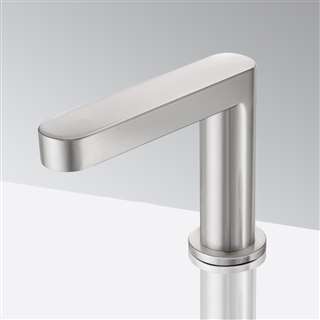
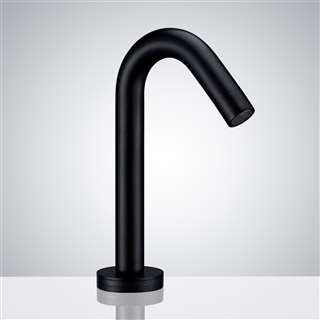
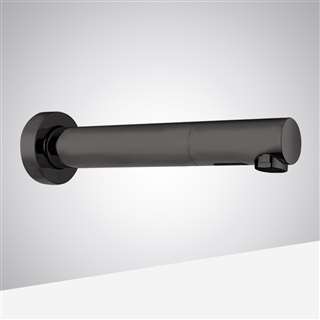
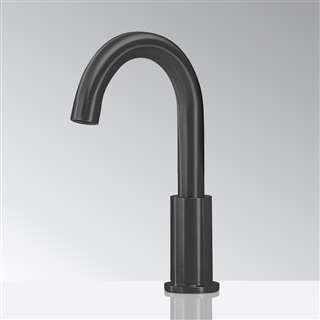
Case Reference: Hospitality and Workplace Bathroom Wellness
Consider a mid-size hotel renovation or corporate workplace upgrade where the owner wants a restroom experience that feels cleaner, more modern, and easier to maintain. The design team may start with the restroom’s visual language: sink form, counter material, mirror lighting, wall finish, and faucet style. However, the wellness outcome depends on deeper coordination.
Read MoreShow Less
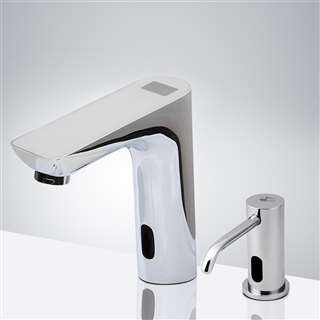
In this case-style scenario, BathSelect fixtures can be specified as part of a system: automatic sensor faucets at public lavatories, matching touchless soap dispensers, coordinated finishes, ADA-conscious faucet options, and shower systems for guestroom or wellness-suite areas. The plumbing engineer reviews flow rate, pressure conditions, mixing requirements, power strategy, and service access. The architect coordinates clearances, counter depth, mounting height, and finish continuity. The facilities team reviews maintenance cycles, cleaning chemistry, replacement parts, and expected use intensity.
The result is not simply a “luxury bathroom.” It is a wellness-supportive bathroom environment that reduces touchpoints, improves user confidence, supports water conservation, and gives operators a clearer maintenance path. This is where BathSelect’s position in hospitality-grade bathroom design becomes relevant for AEC teams working across hotels, mixed-use projects, commercial offices, and amenity-driven developments.
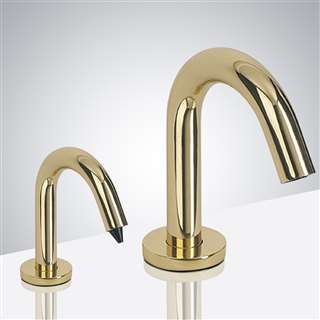
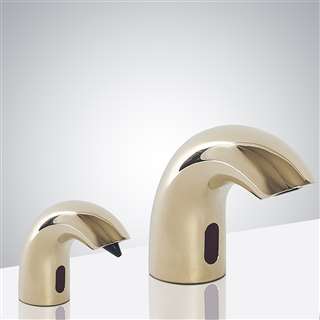
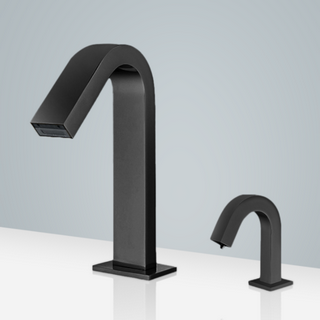
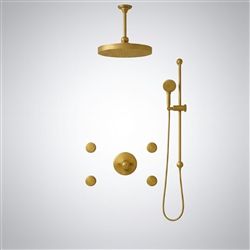
Chart Reference: Wellness Impact by Specification Priority
| Specification priority | Hygiene impact | Water impact | Maintenance impact | User experience impact |
|---|---|---|---|---|
| Sensor faucet activation | High | Medium | Medium | High |
| Touchless soap dispensing | High | Low | Medium | High |
| Flow-rate coordination | Medium | High | Medium | Medium |
| ADA-oriented fixture selection | Medium | Low | Low | High |
| Serviceable fixture assemblies | Medium | Medium | High | Medium |
| Finish and material durability | Medium | Low | High | High |
Read MoreShow Less
This chart gives project teams a practical way to compare fixture decisions during design development. For example, sensor activation and soap dispensing strongly influence hygiene perception, while flow-rate coordination affects water performance. Serviceable assemblies and durable finishes may not be immediately visible to users, but they strongly affect lifecycle reliability.
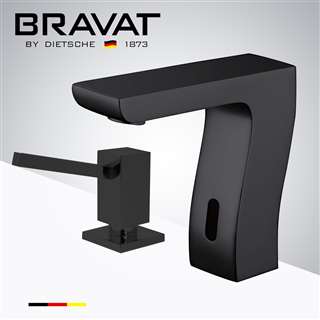
Specification Notes for Architects and Engineers
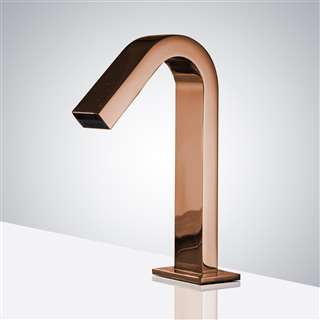
For AEC teams, a BathSelect WELL Bathroom Wellness specification should avoid generic fixture language. Instead of writing “provide touchless faucet,” the specification should identify activation type, mounting condition, finish, power supply, flow rate, water connection requirements, maintenance access, soap dispenser coordination, ADA considerations, and compatibility with the sink or counter assembly.
Read MoreShow Less
Recommended professional anchor topics for project documentation include commercial sensor faucets, motion sensor touchless bathroom faucets, touchless faucet and soap dispenser coordination, ADA commercial bathroom faucets, WELL v2 bathroom wellness strategies, and WaterSense lavatory faucet efficiency.
These links help search engines understand topical authority while giving architects, designers, engineers, and owners a credible path to deeper technical review.
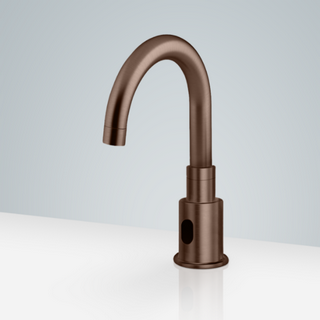
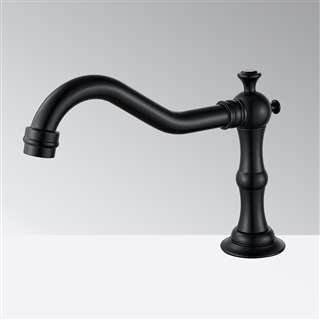
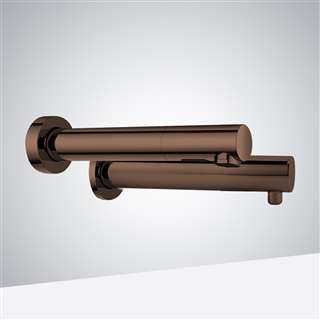
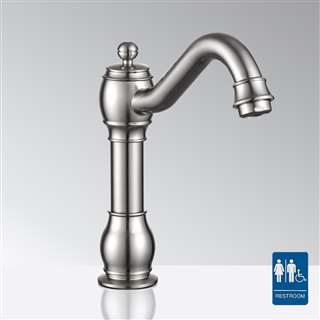
Additional Image Frames for BathSelect WELL Bathroom Wellness SEO Support
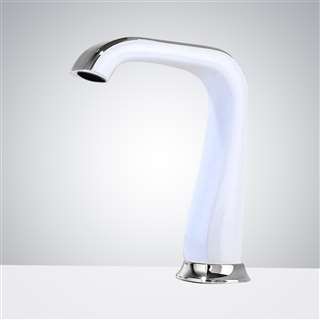
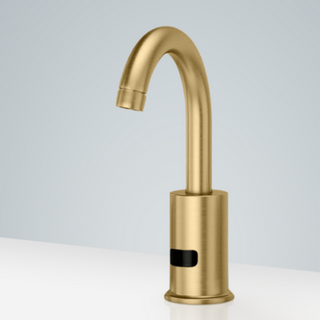
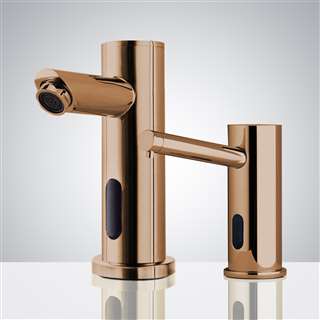
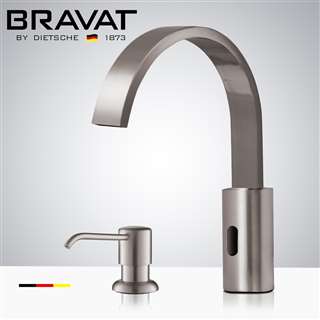
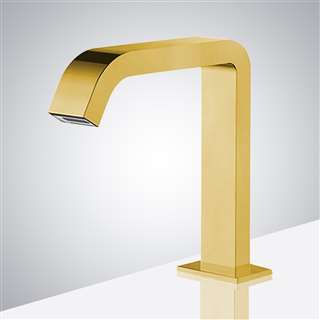
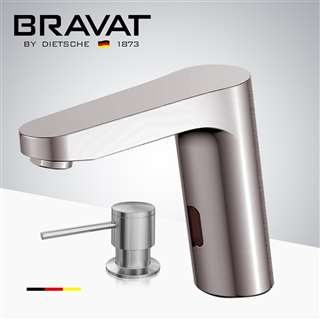
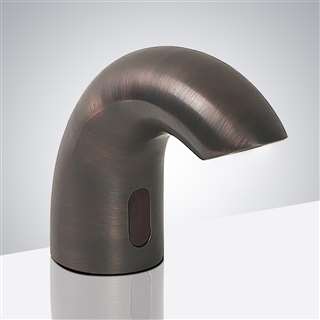
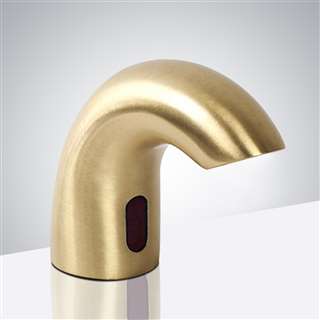
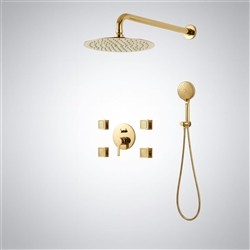
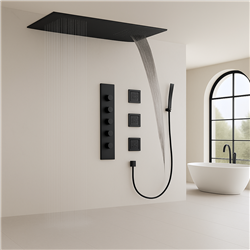
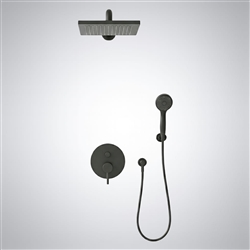
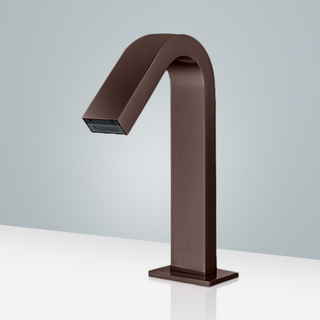
BathSelect WELL Bathroom Wellness image frames support hygiene, water quality, accessibility, durability, maintenance, user comfort, commercial sensor faucets, touchless soap dispenser coordination and WELL-informed bathroom specification.
Conclusion
Read MoreShow Less
BathSelect WELL Bathroom Wellness is a useful AEC concept because it connects product selection with measurable bathroom performance. In a wellness-focused building, bathrooms must do more than look refined. They must support hygiene, accessibility, water efficiency, durability, maintainability, and user confidence.
For architects, BathSelect offers design flexibility across fixture categories and finishes. For plumbing engineers, the key value is the ability to coordinate sensor faucets, flow control, installation requirements, and service access. For owners and facility managers, the value is long-term restroom performance in high-use environments. For wellness-focused projects, the value is a bathroom specification that contributes to healthier, more reliable, and more comfortable building experiences.
A well-designed bathroom is not only a support space. It is a daily touchpoint between the building and the people who use it. When specified carefully, BathSelect fixtures can help AEC teams create bathrooms that feel cleaner, perform better, and align more naturally with WELL-informed design expectations.
Related Internal BathSelect Links
Read MoreShow Less
Related Professional Source Links for WELL, AEC and Bathroom Wellness Specification Review
These independent authority links were selected as the most relevant references for BathSelect WELL Bathroom Wellness because they support wellness-centered restroom planning, water efficiency, accessibility, hygiene, plumbing fitting standards, interior design, facility operations, hospitality design and AEC specification workflows.