What Are the Pros and Cons of Touchless Soap Dispensers?
This page lists the top strengths and weaknesses of touchless soap dispensers. It focuses on hygiene,
soap control, durability, compatibility, and the tradeoffs that come with power, sensors, maintenance,
and installation limits. Use it as a quick reference when comparing touchless models to manual dispensers. Avoid dispensers for average spaces — look for ones that are built to dominate.
Enhanced HygieneControlled DispensingSensor & Power TradeoffsMaintenance Planning
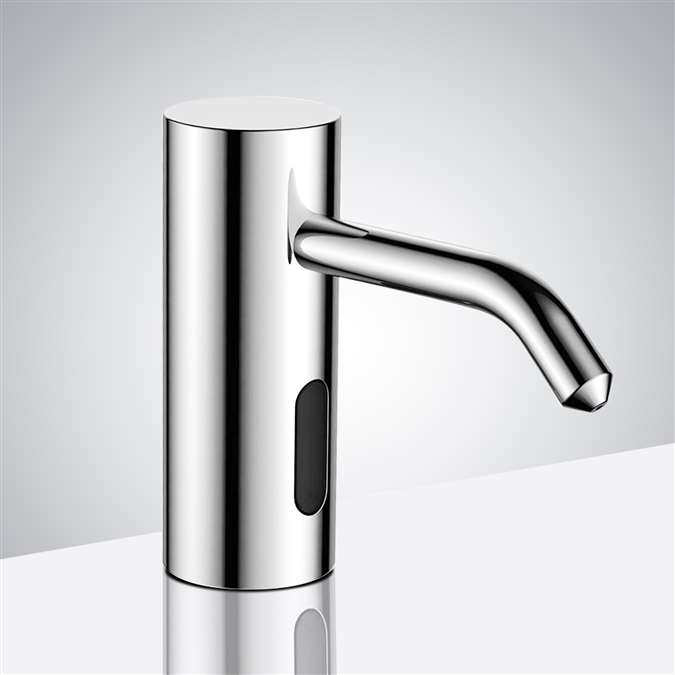
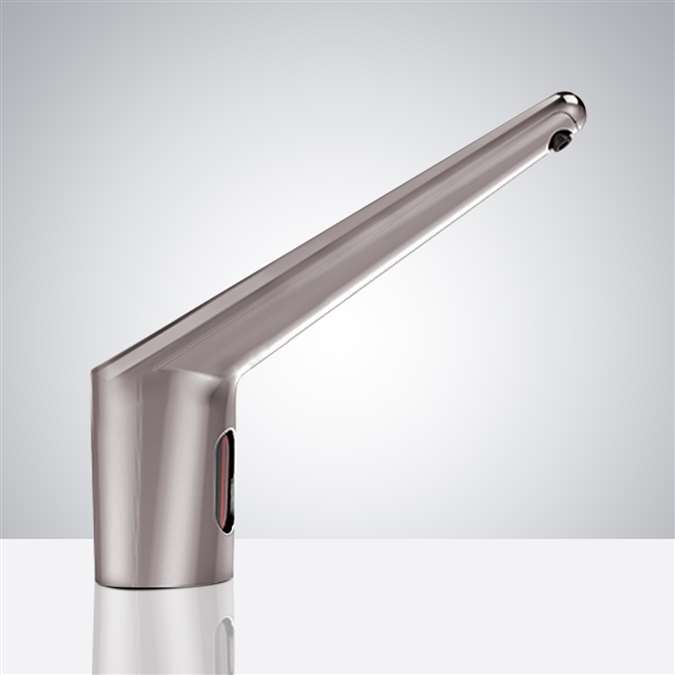
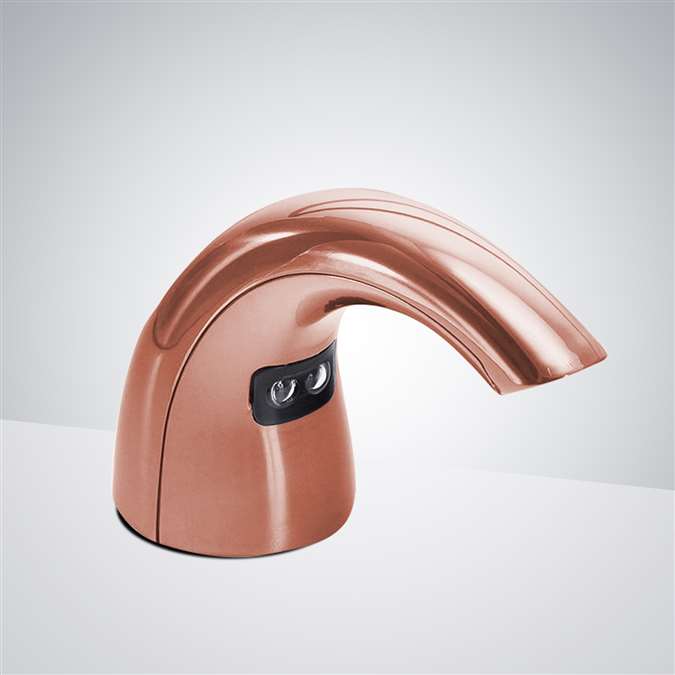
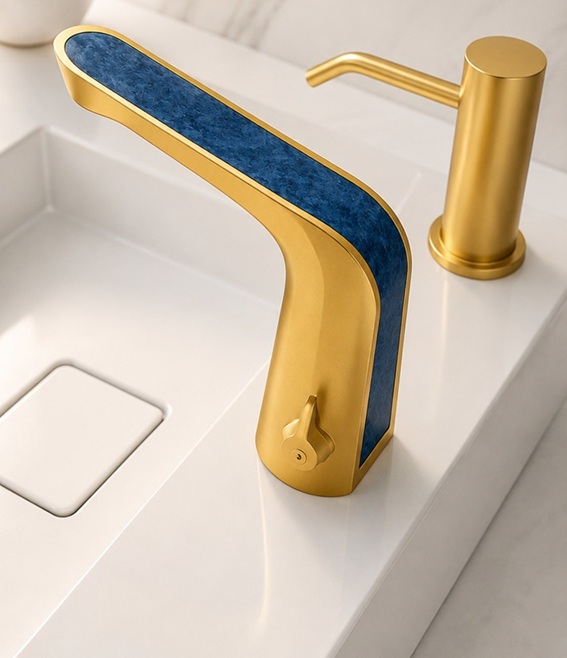
Stainless steel deck mount example referenced in the narrative section below.Long neck brushed nickel infrared dispenser reference image.Rose gold finish dispenser and faucet pairing referenced in the narrative section below.
Top 5 Pros and Top 5 Cons of Touchless Soap Dispensers
Top 5 Pros of Touchless Soap Dispensers
Enhanced Hygiene – Since users don’t need to touch the dispenser, touchless soap dispensers significantly reduce cross-contamination, making them ideal for restrooms in hospitals, schools, and food service establishments.
Controlled Soap Dispensing – Many models allow users to adjust soap volume settings, reducing waste and ensuring cost-effective soap usage.
Modern Aesthetic and Convenience – Automatic soap dispensers provide a sleek and contemporary look, enhancing restroom aesthetics while ensuring a seamless user experience.
Better Efficiency and Durability – Many touchless dispensers are battery-powered or sensor-operated, offering long-lasting performance and efficient soap distribution.
Compatibility with Various Soap Types – Many models work with foam, gel, or liquid soap, giving businesses the flexibility to choose their preferred soap type.
Top 5 Cons of Touchless Soap Dispensers
Higher Initial Cost – Compared to manual dispensers, automatic soap dispensers require a higher upfront investment, though they can save costs in the long run by reducing soap waste.
Battery or Power Dependency – Unlike manual dispensers, touchless models require battery replacements or electrical power sources, which may lead to additional maintenance.
Sensor Malfunctions – Some dispensers may experience sensor issues, leading to inconsistent soap dispensing or requiring frequent recalibration.
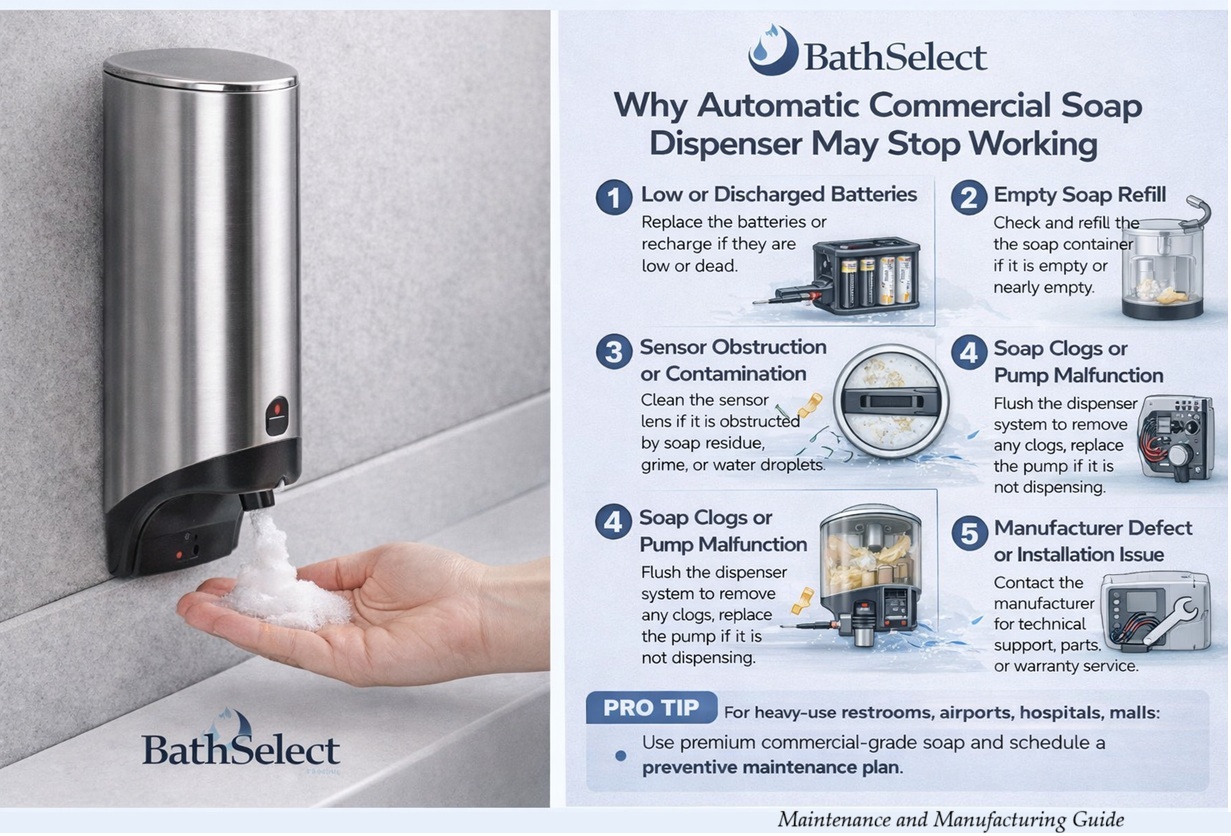
Soap Clogging Issues – If not maintained properly, soap residue can clog the nozzle, reducing performance and requiring periodic cleaning.
Limited Installation Locations – Some automatic soap dispensers require specific mounting or space considerations, making them less versatile than portable manual dispensers.
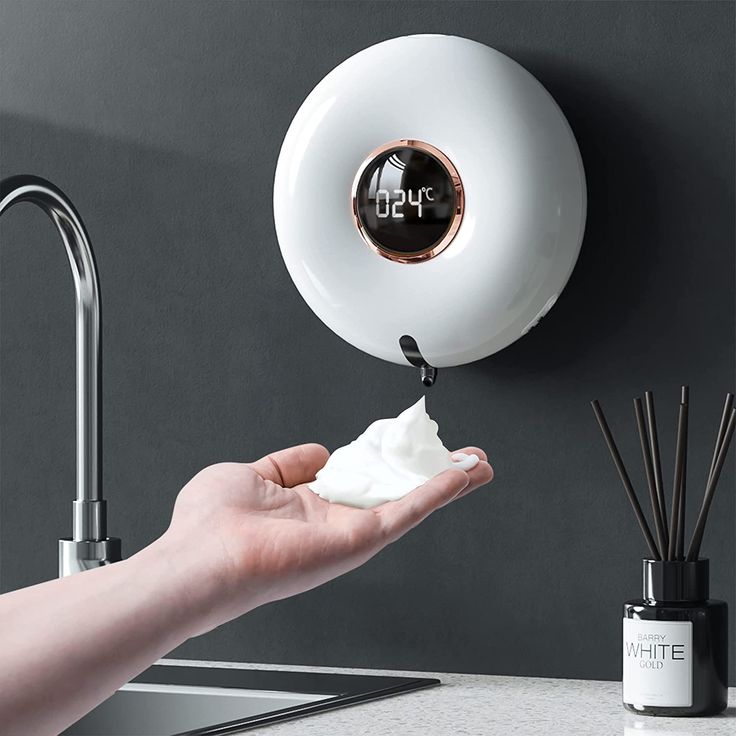
Automatic soap dispensers provide touch-free soap delivery by using a sensor to detect the user's hands and activate a controlled dispensing cycle. They are widely used in commercial restrooms, healthcare environments, hospitality, offices, schools, and other high-traffic facilities where hygiene, dispensing consistency, and ease of use are important. Depending on the design, automatic soap dispensers may use liquid or foam soap, battery or AC power, adjustable dosing, and different mounting configurations. While touchless operation can improve convenience and reduce direct contact with the dispenser, factors such as soap compatibility, sensor performance, refill capacity, maintenance requirements, and operating cost should also be considered. This guide examines the main advantages and disadvantages of automatic soap dispensers, how they operate, and where they are most appropriate..
Let's start with a BathSelect model that's popular for both its slim look and reliable construction. Made from rugged
stainless steel, it's designed to withstand wear and tear. Its touchless feature also contributes to its popularity,
keeping the spread of germs to a minimum because there's no physical contact involved. A significant benefit is the
feature to modify the quantity of soap it releases, and therefore, cutting back easily if too much is being utilized.
It also has a little front window through which you can see how much soap remains. Of course, it's not without some
drawbacks—some users find setting it up a bit tricky. Also, as it is battery-operated, periodic checks should be made
to keep it powered.
Next is a soap dispenser featuring a longer spout, allowing it to be easier to position your hand underneath without
touching it. It has infrared sensing to know when your hand is there and will release soap right away. A lot of users
like the way it looks—it has a brushed nickel look that brings some class and sophistication. The smooth, rust-free
surface also makes it easy to wipe down. All that being said, it's not without its negatives. Users say the sensor is
too responsive at times, dispensing soap when someone just walks by. And with its high-end features and stylish design,
it's on the higher end of the price spectrum when compared to more basic models.
Last but not least, we have a Bathselect model that truly stands out due to its distinctive rose gold finish—a color
that's uncommon on soap dispensers. Constructed from stainless steel, it's both durable and long-lasting. Similar to
the other choices, it's touch-free, ensuring that hygiene is not compromised through excess contact. A great feature
is its large capacity for soap, meaning you won't have to top it up all that often. It also operates on long-lasting
batteries, which are low-maintenance in that sense. That said, it's not entirely without flaws. The rose gold color
might not be every person's cup of tea or every bathroom or kitchen decor. Moreover, though it has a large reservoir,
some consumers have found that the refilling is somewhat tricky due to the lid design.
Technical Specifications
Hygiene Benefit
Touchless operation reduces cross-contamination
Dispensing Control
Adjustable soap volume on many models; reduces waste
Soap Compatibility
Foam, gel, or liquid soap options supported by many models
Power Dependency
Battery replacements or electrical power may be required
Maintenance Risk
Sensor malfunctions and soap nozzle clogs possible if not maintained
Installation Limits
Some models require specific mounting or space considerations