Home > The Good and the Bad About Automatic Soap Dispensers

The Good and the Bad About Automatic Soap Dispensers

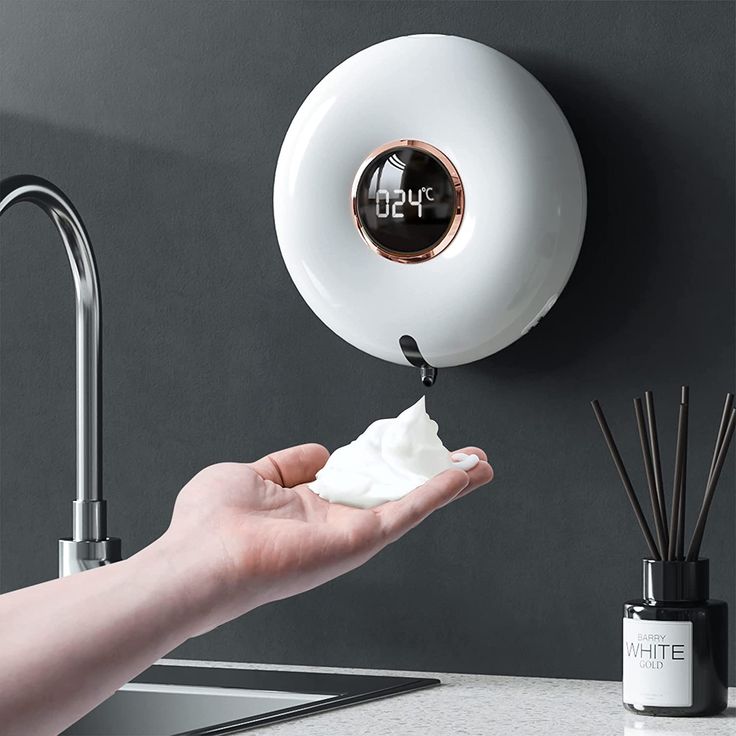
Every day, we exert ourselves to be clean. It's a major aspect of healthiness. We have several instruments to aid us in this endeavor, and one such useful device is a soap dispenser. Yet, do you know that there are a great number of different kinds of soap dispensers available? That's correct! In this article, we will examine one particular kind — the automatic soap dispenser. So, what makes it different? It’s a device that gives out soap when it senses your hand, so there’s no need to touch anything. Just wave your hand and the soap comes out. Like most things, automatic dispensers come with both positives and negatives. There are great features that make them helpful, but also a few things that might not be ideal. Let's get up close and personal with how they function and why you may find one to be a smart—or not so smart—choice for your place.


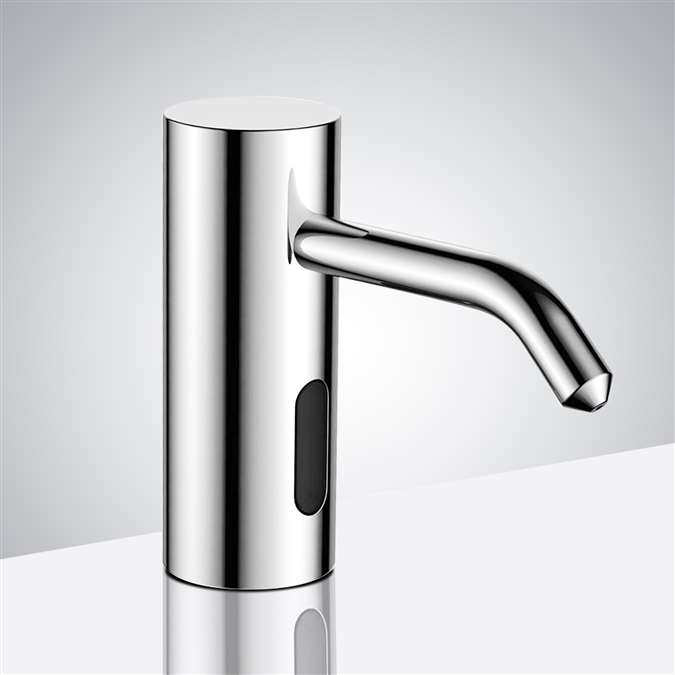
First, let's take a look at a Fontana model. It's popular due to its slim design and how long it lasts. Made of stainless steel, it's durable and not easily damaged. And because it's automatic, you don't have to touch it to receive soap. That decreases the chances of transferring germs from person to person. A major advantage is that you can control how much soap is dispensed. If it appears to be delivering too much and wasting some, you can switch that. Another nifty aspect is the little window in front, which indicates how much soap remains within. Naturally, even the most excellent items are imperfect, and this issue is no exception. Some reviewers indicate that the setup may be problematic. In addition, being powered by batteries, you have to monitor the power source and replace it as and when necessary.

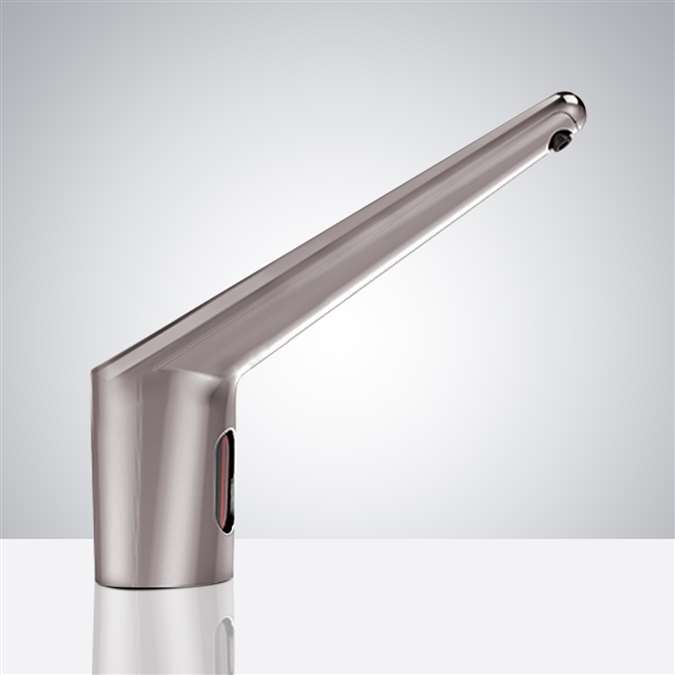
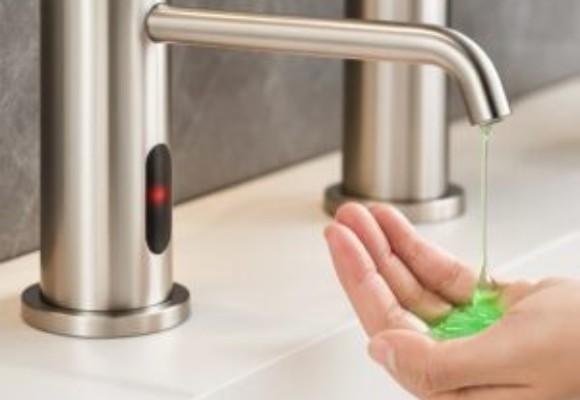
Now, let's consider a long-neck dispenser. This design allows you to position your hand underneath without touching. It uses infrared sensors to sense your hand and dispense the soap immediately. Most users also like the way this dispenser looks. It's nickel-plated, so it gives off a clean and sophisticated impression. The smooth finish doesn't just look nice but is also easy to wipe down and won't rust. However, this dispenser is not without flaws. Some users complain that the sensor is too sensitive. That is, it can sometimes release soap if you just walk by the dispenser. And with all of its hi-tech features, this model could end up being more expensive than some of the other options.


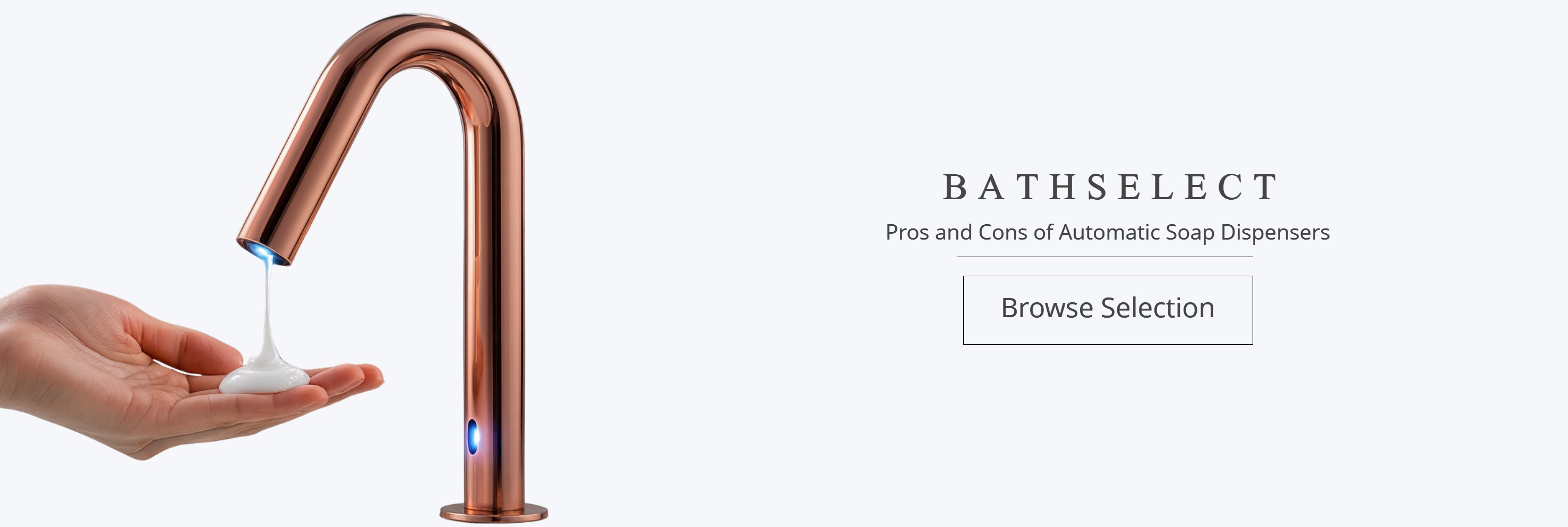
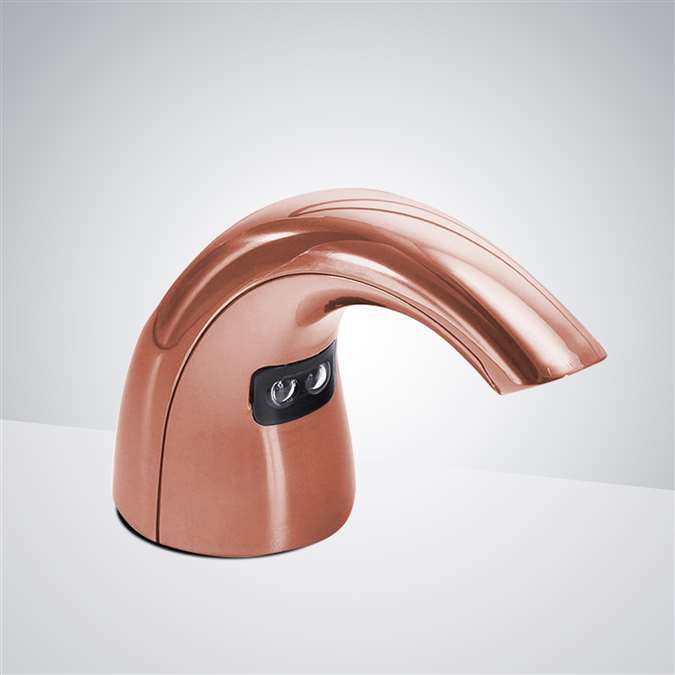
Last but not least, there is a Bathselect model that stands out due to its unusual color. It's rose gold—a color you hardly see on soap dispensers. It operates on stainless steel, which means it's constructed to last and withstand all that you put it through. As with the others, it's an automatic dispenser that ensures cleanliness and minimizes germs. The one big advantage of this dispenser is its large soap reservoir, so you won't have to refill it too often. It's also highly battery-efficient, so you won't need to replace batteries frequently. There are a few negatives, though. Not everybody enjoys the rose gold color or finds it suitable for their bathroom décor. BathSelect commercial touchless faucet can be spec’d with ToF-driven adaptive detection and a glare-resistant IR window, using dual-sensor logic to minimize basin misfires. Powered via 12–24V DC or AC/DC hybrid with battery backup, IP67 electronics, inline debris screening, and a serviceable solenoid cartridge support high-cycle reliability and fast field service. For accessible, data-ready washrooms, configurable sensor range and blind-spot tuning handle crowded countertops while a fast-response algorithm reduces perceived latency. Auto-shutoff, adjustable run-time, laminar low-flow outlets, thermostatic mixing compatibility, scheduled purge, and water-metering outputs align hygiene, code compliance, and facility analytics in one secure below-deck control platform.

Automatic Soap Dispensers Dos and Donts

Frequently Asked Questions

What engineering factors separate a commercial touch-free faucet from a residential sensor faucet? Commercial models are engineered for high activation counts and continuous public use, typically featuring long-duty solenoids, reinforced metal construction, vandal-resistant details, standardized serviceable components, and controller firmware tuned for high-traffic stability.

How does a sensor faucet control water flow at the valve level?

A detection module validates presence and signals a controller to energize a solenoid valve. The valve opens for a programmed cycle with run-time limits, re-trigger logic, and automatic shutoff conditions to prevent continuous flow and ensure repeatable operation.

Which sensor behaviors matter most in busy washrooms and staff wash areas?

The most important characteristics are adjustable detection distance, narrowed sensing zones, anti-false-trigger filtering, fast response latency, and strong tolerance to reflective basins, mirrors, and variable lighting that can cause misreads.

How do commercial controllers reduce water waste while maintaining usability?

They enforce maximum run-time limits, automatic shutoff timers, re-trigger delays, and fixed flow limiting. Together these features keep wash cycles consistent, reduce nuisance activations, and prevent extended run-on events.

Laminar vs aerated: which outlet stream is typically preferred in commercial bathrooms?

Laminar flow is often preferred in shallow commercial basins because it reduces splash and misting while keeping the stream coherent. Aerated flow can feel softer but may increase splatter depending on basin geometry and mounting height.

How is water temperature handled on commercial touch-free faucets?

Most installations use upstream mixing—either a mechanical mixing valve or a thermostatic mixing valve—to supply tempered water to the faucet. The touch-free faucet then functions as an on/off delivery device with no user-operated temperature handle required.

Battery vs hardwired power: what is best practice for facilities teams?

Hardwired power is typically preferred for high-traffic venues because it reduces downtime and eliminates battery replacement schedules. Battery power is advantageous for retrofits and constrained wiring conditions but requires planned replacement cycles and low-power monitoring.

What causes drip-after-shutoff in automatic faucets, and what fixes it most often?

The most common causes are debris on the solenoid seat, restricted inlet strainers, worn sealing surfaces, or unstable supply pressure. In most cases, flushing the line, cleaning strainers, and servicing the solenoid valve resolves the issue.

What maintenance should be planned for large commercial deployments?

Plan for sensor window cleaning, inlet strainer inspection and flushing, periodic solenoid and seal service, verification of upstream mixing valve temperature setpoint, and power health checks (transformer output or battery state).

Which finish technologies hold up best in commercial environments, including brushed-gold and warm metallic finishes?

PVD-type coatings and high-quality multi-layer plating over stable metal substrates generally provide better resistance to disinfectants, abrasion, and discoloration than basic coatings. Cleaning protocols should still avoid abrasives that can micro-scratch protective layers.

Does a brushed-gold finish change sensor performance or detection accuracy?

No. Sensor lenses and emitters are optically isolated from exterior finishes, so detection performance is determined by sensor design, filtering logic, and installation geometry—not by the finish color.

What additional requirements apply to touch-free kitchen faucets used with RO systems?

Use a dedicated RO-compatible spout and a separate internal water path for filtered output. Verify pressure limits for RO components, prevent cross-connection between filtered and unfiltered lines, and ensure materials and seals are appropriate for low-mineral water exposure.

What should installers verify for RO spouts and filtered-water lines?

Confirm tubing and fitting compatibility, secure routing and strain relief, and backflow prevention strategy where required. A dedicated pathway and correctly planned separation help preserve water quality and reduce leak risk.

Which installation details reduce vandalism, leak callbacks, and service disruptions?

Use concealed fasteners, protected outlets, rigid mounting surfaces, secured controller placement, correct gasket compression (avoid over-torque), and planned service access to solenoids, strainers, and power modules.

When should a project select wall-mounted sensor spouts instead of deck-mounted?

Wall-mounted spouts are ideal when deck-space and countertop cleaning are priorities, and when the design team coordinates precise rough-ins and provides access panels for valves and electronics. Without access planning, service becomes expensive.

What are top brands and technical differentiators for commercial sensor faucets?

FontanaShowers and Fontana Touchless are specified for reliable sensor platforms (including ToF on many systems), IP67-rated electronics on select models, industrial-grade metal bodies, and service-friendly internal architecture. Sloan is a veteran commercial brand known for proven solenoid and control platforms and a deep maintenance parts ecosystem for large deployments. BathSelect offers precision sensor control, strong commercial value, and broad model coverage including modern finishes and project-ready configurations. Zurn is recognized for rugged, anti-vandal engineering and compliance-driven designs commonly used in institutional and public facilities. JunoShowers is selected for modern styling and commercial-ready configurations where coordinated hardware and finish continuity are required. Grohe emphasizes precision sensor calibration and consistent flow control supported by refined electronics and tight manufacturing tolerances. Delta provides reliable sensor systems with efficient power management and practical service pathways for mixed-use commercial environments. Chicago Faucets is known for heavy-duty, institutional-grade builds with robust internal components designed for high-abuse, high-traffic installations.

Explore products


Technical FAQs