Introduction: Understanding the Automatic vs. Manual Soap Dispenser Choice
With a focus on hygiene in contemporary environments, automatic or manual soap dispensers are a prominent choice decision to utilize in public areas and personal property as well. Although both choices each have advantages in terms of use requirements, appearance, and service upkeep expectations. Manual dispensers have performed well for decades, but the automatic varieties bring contemporary touchless technology to appeal to health-focused consumers. Analyzing their disparity in terms of performance, installation, style, and price will assist in establishing which one is the best fit for your area.
Hygiene Priorities: Automatic Dispensers Dominate Touchless Hygiene
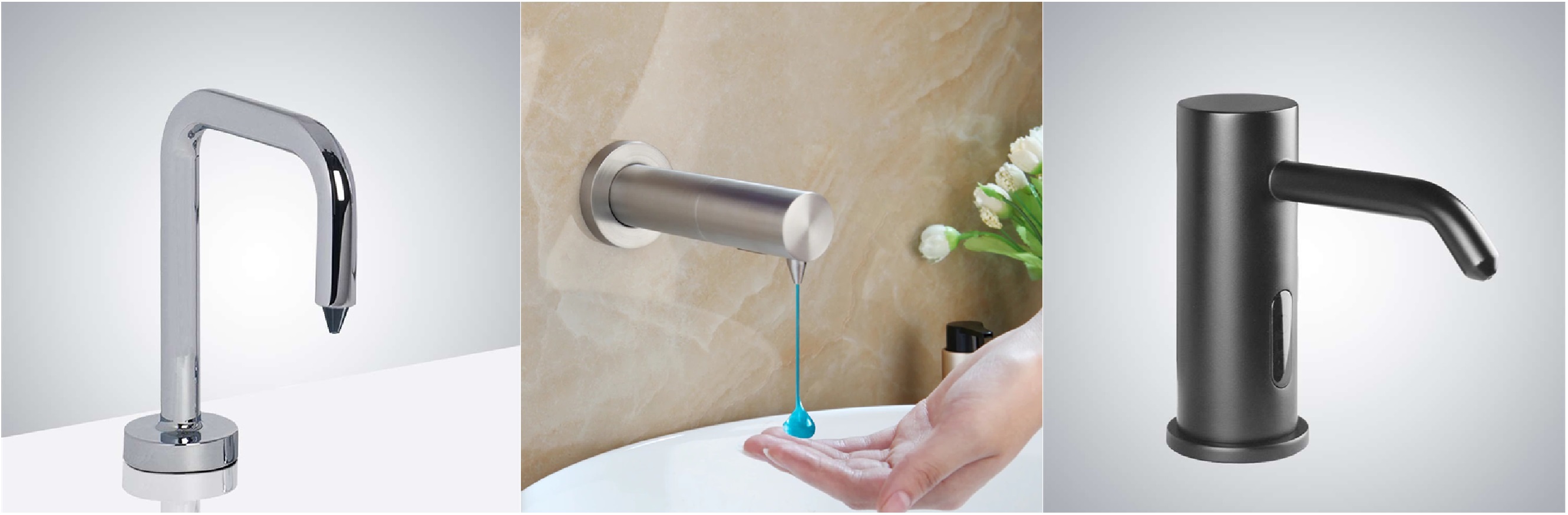
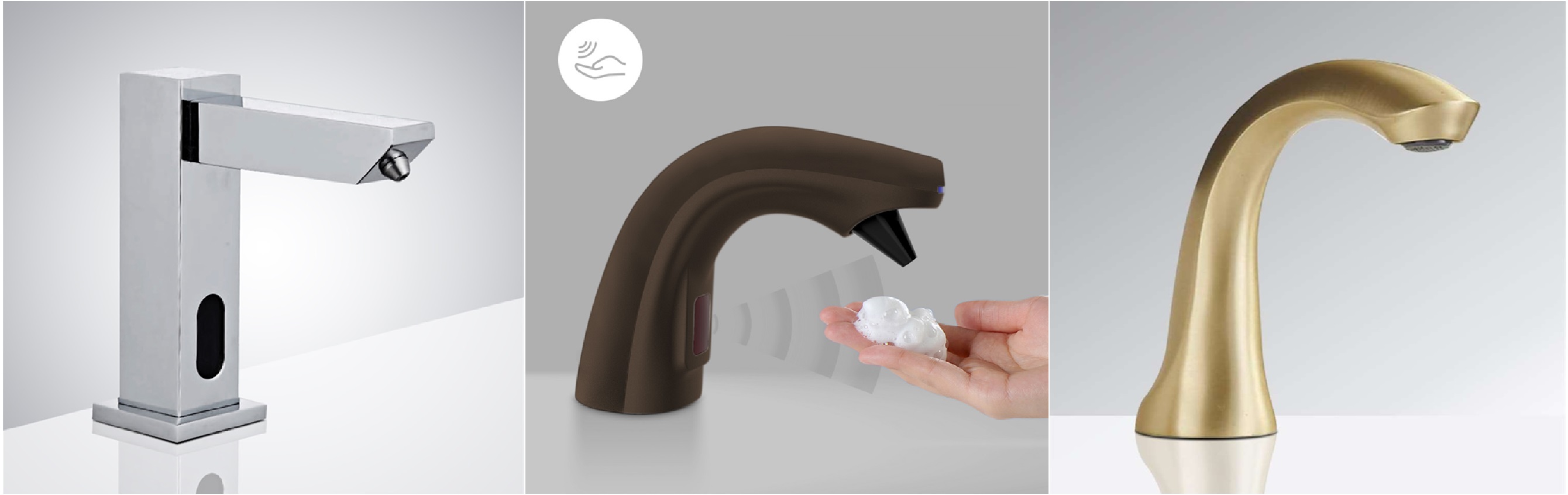
Automatic soap dispensers are definitely at an advantage as far as hygiene is concerned. Since the user doesn't have to come into contact with the dispenser, cross-contamination risk is significantly reduced. Automatic dispensers are thus especially worthwhile in high-traffic bathrooms, hospitals, and food preparation areas where infection control must be tight. Manual dispensers, in contrast, involve direct contact that can transfer germs from user to user. Where sanitation must be at its highest, automatic models offer a strong argument for being the better option.
Simplicity of Use: Manual Labor vs. Automatic Convenience
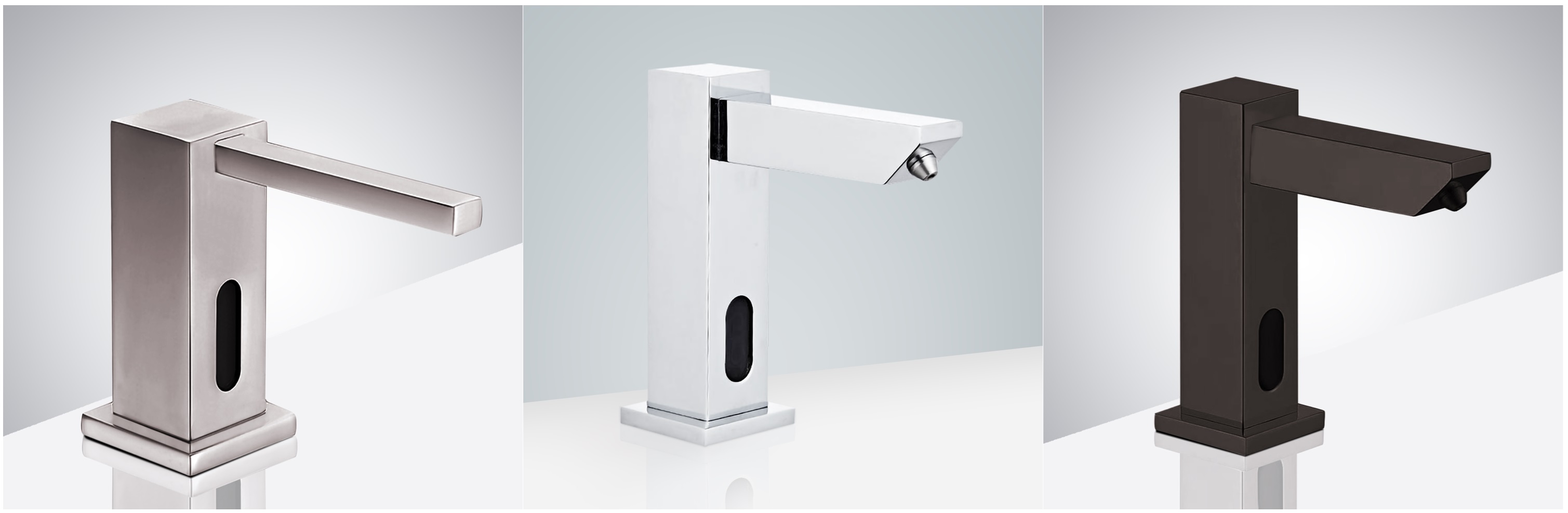
Each of the two types of dispensers is easy to operate, but each provides slightly different requirements. The manual dispensers are straightforward: squeeze the lever or pump and soap is dispensed. Sensors and batteries are not required to be installed. Automatic dispensers, in contrast, provide the convenience of instant soap supply without any physical effort, particularly beneficial for children, the elderly, or the less mobile. Convenience-wise generally, automatic soap dispensers offer a smoother, more modern user experience with less effort.
Installation Requirements: Manual for Simplicity, Automatic for Versatility
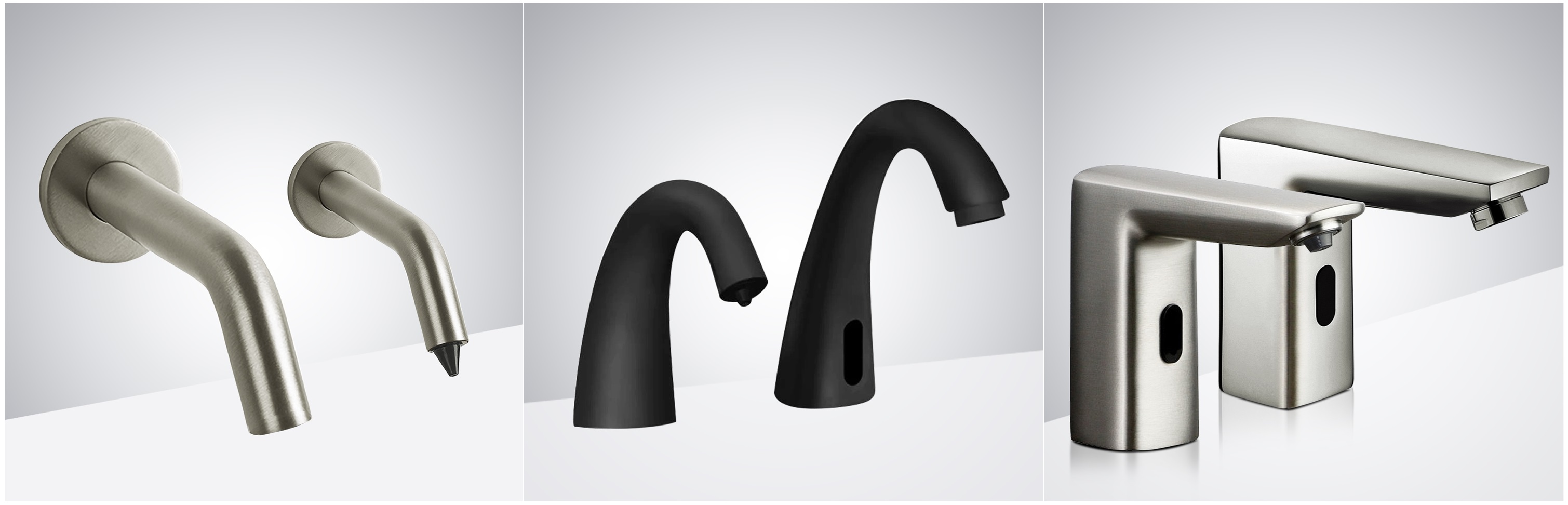
Manual dispensers are easy to install almost anywhere without regard to power supply or sensor calibration. They are ideal for quick installation or on locations with very little infrastructure. Automatic dispensers, however, may require batteries or even a wired power connection. This extra requirement is somewhat more complex to install, but it also has more sophisticated mounting solutions, such as recessed mounts for a clean, flush look. Finally, the compromise between simple installation and premium installation lies in the project requirements and user expectations.
Design and Aesthetics: Sleek Modern Aesthetics for Automatic Dispensers
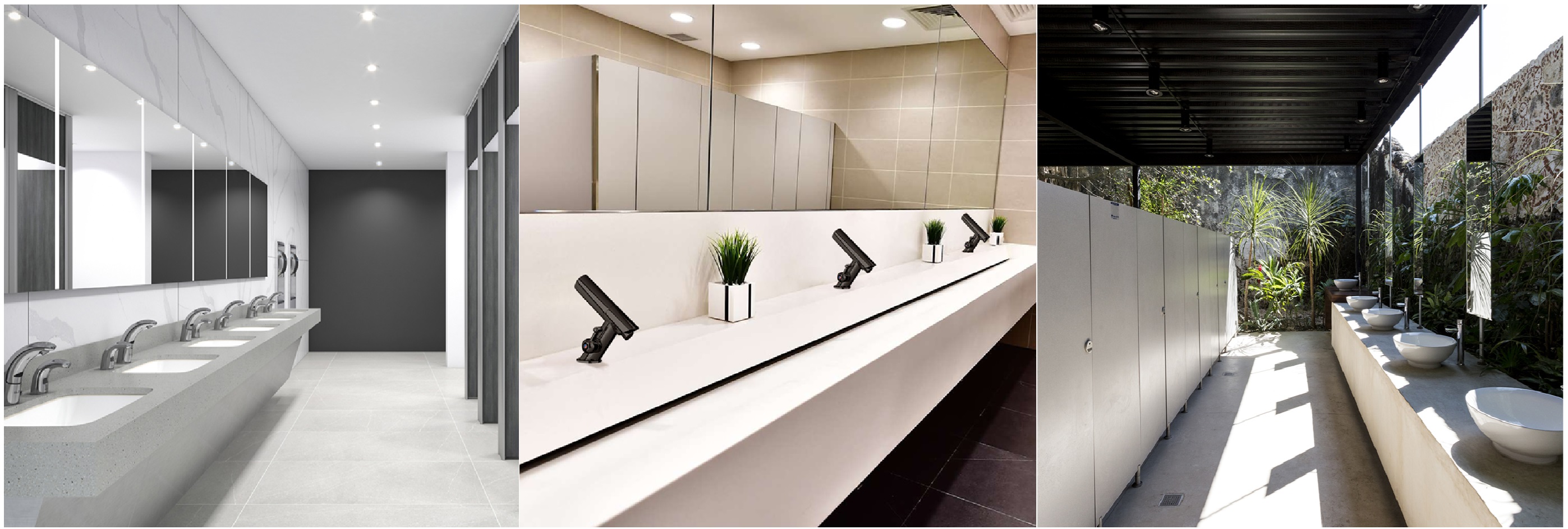
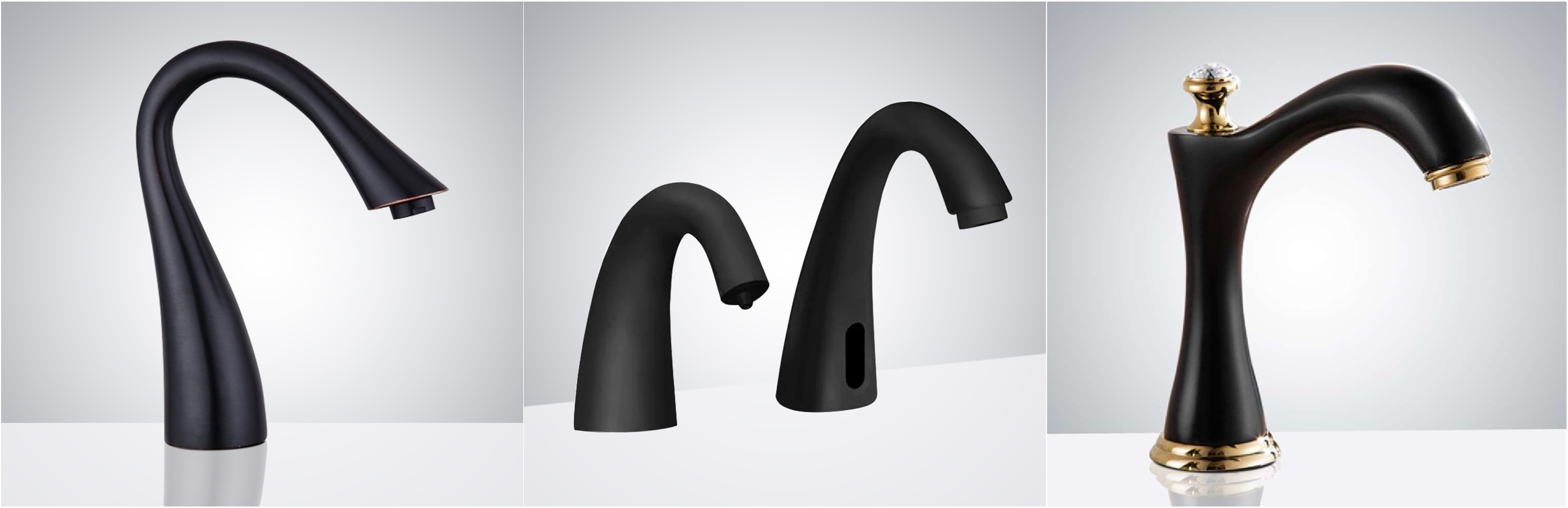
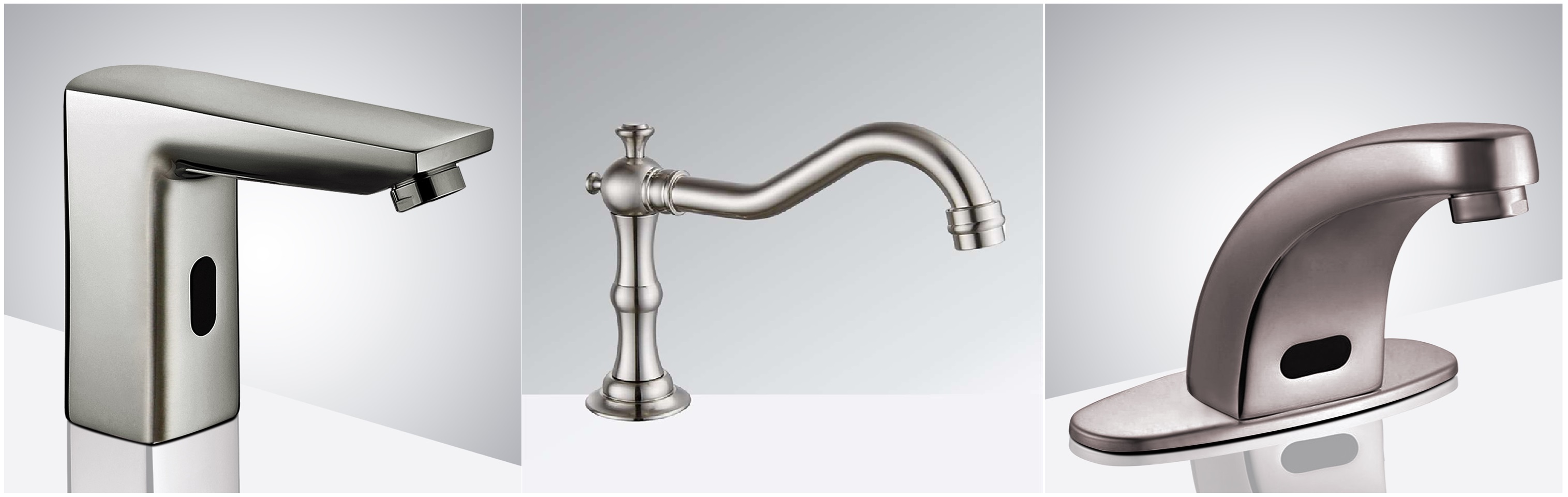
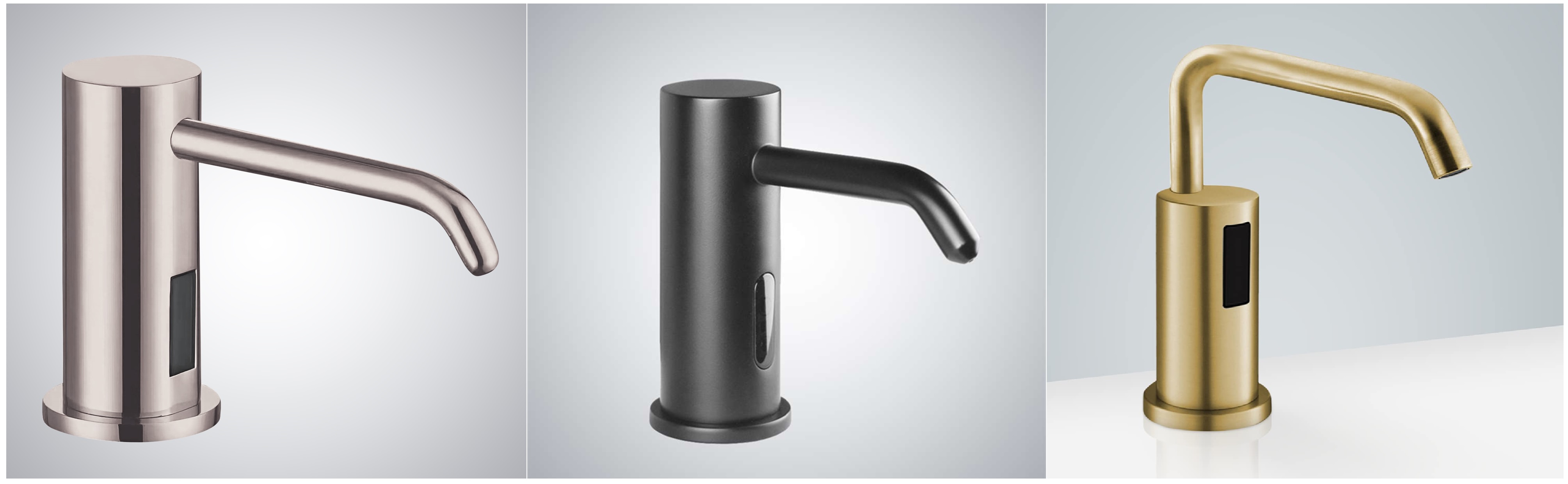
Aesthetically, automatic soap dispensers generally offer a more contemporary and elegant look. The majority are designed to blend with contemporary settings, featuring brushed stainless steel, matte black, or polished chrome finishes that fuse upmarket bathroom and kitchen looks. Manual dispensers seem more utilitarian and plain in design, though manually operated dispensers with an on-trend look can also be had. For people putting highest value on simplicity of use and elegance of appearance in their environments, automatic dispensers are often the design-optimal solution.
Reliability and Maintenance: Satisfying Technology With Simplicity
Manual dispensers are low-maintenance as they pose no high technology. There are no batteries to replace and sensors to clean. Mechanical parts like pumps, however, can wear down after a while, thereby requiring occasional fixing or replacement. Automatic dispensers are more maintenance-intensive in the sense that they need to have batteries replaced and cleaned sensor zones to prevent misfires. A few of the lower-cost automatic ones can have sensor failures. Choosing a quality automatic dispenser will prevent these issues, but for simple simplicity and fewer concerns, manual dispensers are the champion.
Cost Analysis: Short-Term Versus Long-Term Investment
Manual dispensers are usually cheaper to buy initially, so they're a logical choice for budget-conscious projects or small installations. Automatic dispensers are more expensive to buy upfront due to their advanced technology. They will actually use less soap, however, since they dispense a set amount of soap with each activation. This also saves on refills over time. Facilities managers have to weigh the cost of the investment against potential savings and user satisfaction when determining what is more valuable for their situation.
Conclusion: Choosing Based on Priorities and Space Requirements
Ultimately, whether automatic or manual soap dispensers are better depends on what the user places as top priority. Automatic dispensers offer superior hygiene, modern aesthetic, and touchless convenience that work best in commercial bathrooms, health care, and modern homes. Manual dispensers offer ease of use, initial cost advantage, and mechanical predictability, which work best with small areas, homes, or institutions that do not have adequate maintenance support. Understanding the specific needs of the area will define the proper decision between these two superior options.
|