Commercial Soap Dispenser Engineering and Integration in Architectural Plumbing Systems
Commercial Soap Dispenser Engineering Systems and Technical Integration
Infrared Sensor Activation and Electronic Control Engineering
Read More
Commercial touchless soap dispensers utilize precision infrared proximity sensors and integrated electronic control modules to detect user presence and activate dispensing without physical contact, ensuring hygienic performance and operational reliability.
Use cases: Healthcare Facilities · Airports · High-Traffic Commercial Washrooms
Dispensing Pump Assembly and Solenoid Valve Flow Regulation Systems
Read More
Electronically controlled pump assemblies regulate soap flow volume, ensuring consistent dispensing performance while minimizing waste and maintaining reliable operation across extended commercial lifecycles.
Use cases: Commercial Office Buildings · Institutional Facilities · Hospitality Projects
Structural Material Engineering and Corrosion-Resistant Housing Construction
Read More
Solid brass structural housings and corrosion-resistant finishes provide long-term durability, mechanical strength, and resistance to environmental exposure in demanding commercial plumbing environments.
Use cases: Institutional Buildings · Hospitals · Commercial Infrastructure
Reservoir Storage Capacity and Leak-Prevention Engineering Design
Read More
Internal soap reservoirs are engineered to provide adequate storage capacity, leak-resistant sealing, and efficient refill access to support continuous operation in high-use commercial environments.
Use cases: Commercial Restrooms · Transportation Facilities · Public Infrastructure
Electrical Power System Integration and Low-Energy Circuit Engineering
Read More
Low-power electronic circuitry and battery or AC electrical integration ensure efficient energy usage, extended operational lifespan, and reliable dispensing performance in commercial installations.
Use cases: Smart Buildings · Commercial Developments · Retrofit Projects
Architectural Plumbing Fixture Integration and BIM Coordination
Read More
Commercial soap dispensers integrate into architectural plumbing systems and BIM workflows, enabling accurate spatial coordination, installation planning, and clash detection across multidisciplinary construction teams.
Use cases: BIM Coordination · AEC Engineering · Construction Documentation
Commercial Soap Dispenser Engineering Performance and System Integration Summary
|
Engineering System
|
Technical Function
|
Engineering Benefit
|
Action
|
|
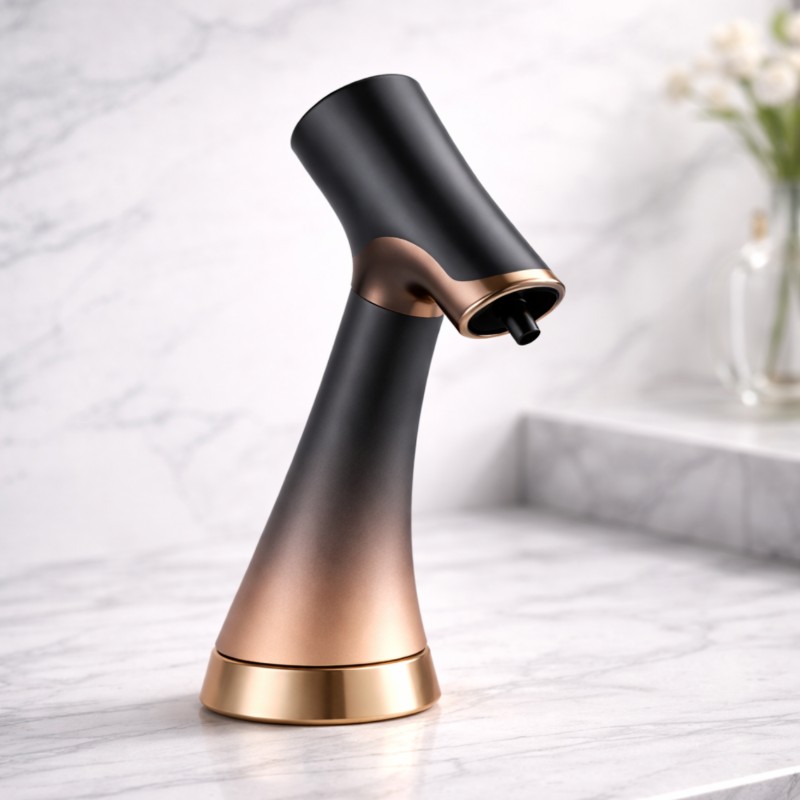
Touchless Infrared Sensor Soap Dispenser Fixture Assembly
|
Infrared proximity sensors activate dispensing automatically without physical contact, supporting hygienic operation and infection control protocols in commercial environments.
|
Touchless Operation
Hygiene Compliance
|
View System
|
|
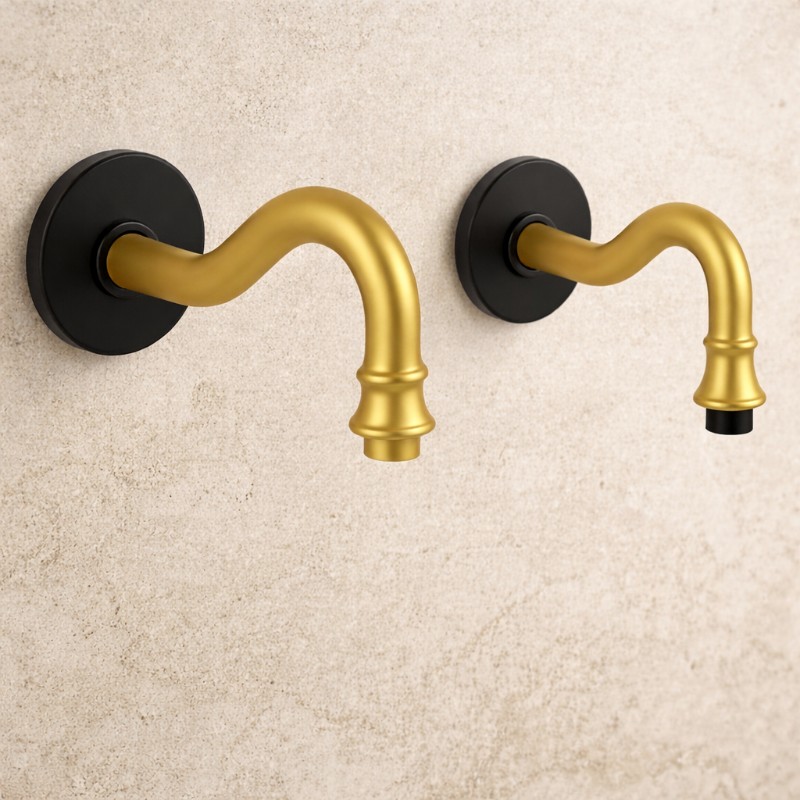
Commercial Automatic Soap Dispenser Systems Engineering Platform
|
Integrated dispensing mechanisms regulate soap volume precisely, ensuring consistent dispensing performance and operational reliability in high-traffic plumbing installations.
|
Flow Control
Lifecycle Reliability
|
Open Collection
|
|
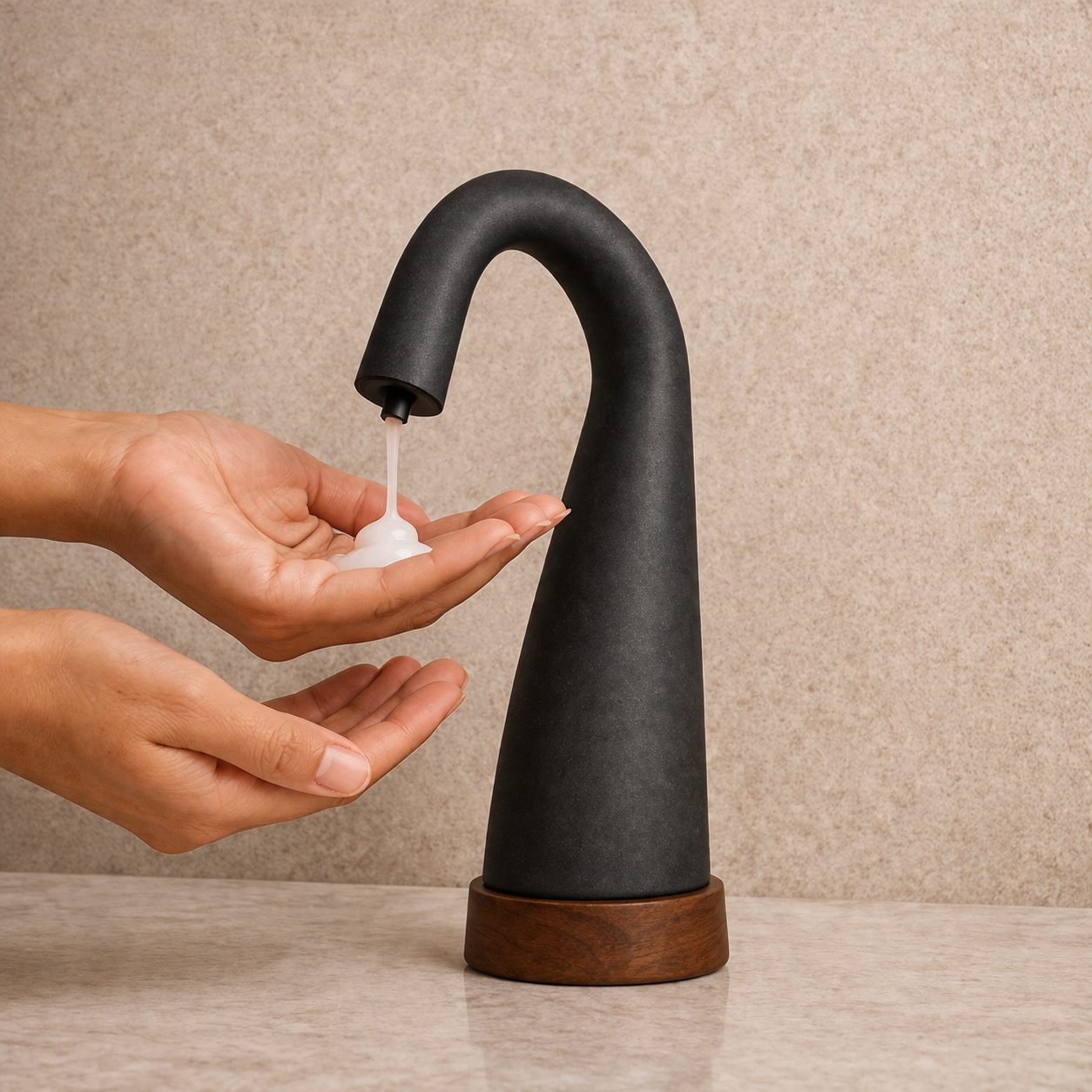
Soap Dispenser Installation Engineering and Mounting Specification Guide
|
Installation documentation provides engineering guidance for mounting alignment, electrical integration, and plumbing fixture coordination to ensure reliable system operation.
|
Installation Engineering
Technical Documentation
|
View Manual
|
|
Commercial Soap Dispenser Technical Installation and Engineering Resource Library
|
Engineering resource directories provide installation manuals, technical drawings, and integration specifications supporting construction and maintenance workflows.
|
Engineering Resources
Technical Support
|
Access Library
|
|
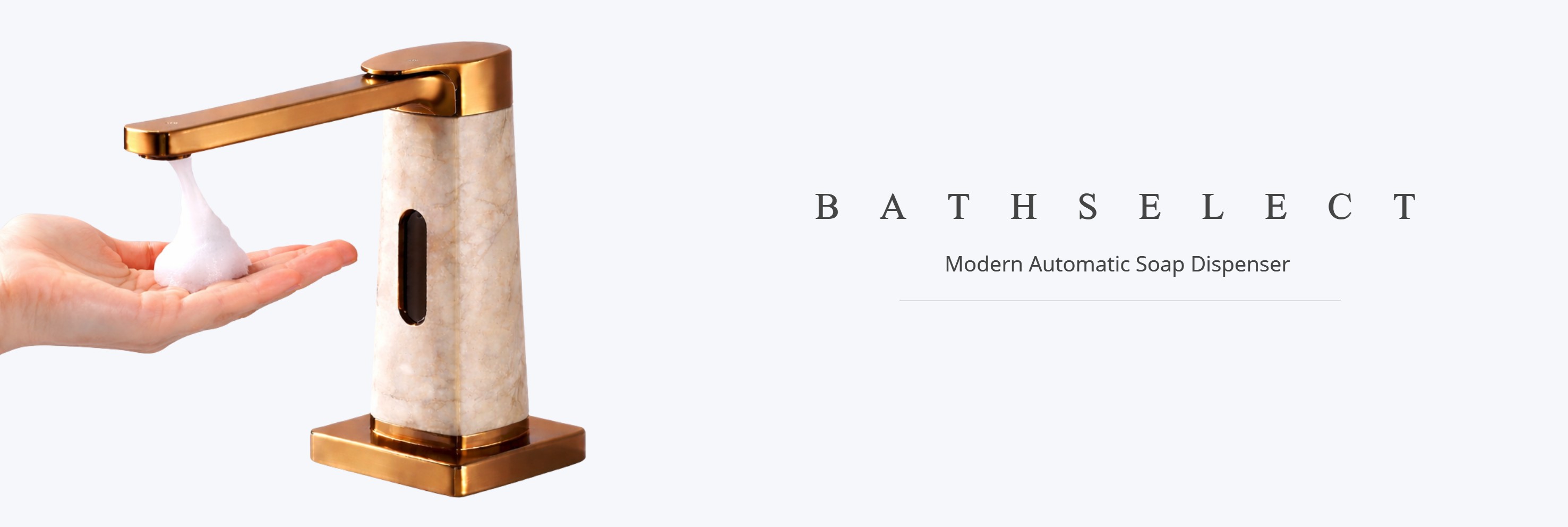
Commercial Soap Dispenser Specification and Engineering Support Coordination Portal
|
BathSelect engineering support assists architects, contractors, and engineers with product selection, installation coordination, and technical specification requirements.
|
Specification Support
AEC Coordination
|
Contact Support
|
Commercial Soap Dispenser Engineering and Specification FAQs
How does infrared sensor calibration affect dispensing reliability and user detection accuracy in commercial environments?
Infrared sensors operate by detecting reflected IR energy from objects within a defined sensing range, typically between 2 and 10 cm. Proper calibration ensures reliable hand detection while preventing false activation from ambient light, reflective surfaces, or moving objects. Commercial-grade systems use adaptive signal processing and filtered detection thresholds to maintain consistent activation across varying lighting conditions, surface reflectivity, and installation geometries. This ensures reliable dispensing performance in high-traffic environments such as airports, hospitals, and institutional facilities.
What engineering factors determine the lifecycle durability of a commercial soap dispenser dispensing mechanism?
Lifecycle durability depends on pump assembly design, solenoid valve cycle rating, internal seal material, and structural housing strength. High-performance commercial dispensers use precision solenoid valves rated for hundreds of thousands of cycles, corrosion-resistant internal components, and reinforced pump chambers. Brass housings provide structural rigidity and resistance to mechanical fatigue, while elastomer seals are selected for chemical compatibility with soap formulations. These engineering factors ensure reliable operation over extended service lifespans.
How are commercial soap dispensers integrated into architectural plumbing fixture coordination and spatial planning?
Integration requires coordination between architectural layout, plumbing rough-in locations, sink geometry, and wall construction. Engineers must ensure proper mounting height, clearance from faucet spouts, and accessibility for maintenance. BIM modeling is often used to verify spatial compatibility, identify clashes with plumbing lines or structural elements, and ensure ADA compliance. Proper integration ensures efficient operation and long-term serviceability.
What structural and material engineering considerations ensure corrosion resistance and durability in commercial washroom environments?
Commercial dispensers use solid brass or stainless steel housings with corrosion-resistant finishes such as brushed nickel or chrome plating. These materials resist moisture exposure, cleaning chemicals, and environmental humidity. Internal components are engineered using chemically resistant polymers and corrosion-resistant metals to maintain performance integrity. Material selection directly influences lifecycle performance, structural durability, and maintenance requirements.
How do power system design and energy efficiency affect operational performance and maintenance frequency?
Automatic dispensers utilize low-power electronic circuitry optimized for extended battery life or continuous AC operation. Efficient power management systems minimize standby energy consumption while maintaining rapid activation response. Battery-operated systems can achieve tens of thousands of dispensing cycles per battery set, reducing maintenance frequency and operational costs. Electrical integration must ensure reliable performance while minimizing energy usage.
How does dispenser placement relative to faucet spout geometry and sink basin design affect hygiene and splash performance?
Dispenser placement must consider faucet spout reach, basin depth, and hand positioning to ensure efficient soap delivery and minimize splashing. Proper positioning ensures that soap is dispensed directly into the user's hand without contacting sink surfaces, reducing contamination risk. Engineering coordination between dispenser location and plumbing fixture geometry ensures optimal hygiene performance and user ergonomics.
How are commercial soap dispensers incorporated into BIM workflows and digital construction coordination processes?
Soap dispensers are modeled as plumbing accessories within BIM environments to support spatial coordination, installation planning, and documentation accuracy. BIM integration allows engineers to confirm mounting positions, maintenance access clearances, and compatibility with surrounding fixtures. This process improves installation efficiency, reduces field conflicts, and ensures alignment between architectural, plumbing, and construction documentation.
Specify Commercial Soap Dispenser Systems
Select engineered BathSelect commercial soap dispenser systems to ensure reliable hygiene performance, plumbing integration, and long-term durability across commercial and institutional building environments.
|
|
|