BathSelect WaterSense Bathroom Products
Water efficiency is no longer simply a matter of choosing a fixture marketed as “low flow” in today’s bathroom design. For architects, plumbing engineers, sustainability consultants, contractors and facility teams, the specification process should include rated flow, operating pressure, fixture classification, user demand, plumbing-system compatibility, third-party certification and long-term serviceability.
Read MoreShow Less
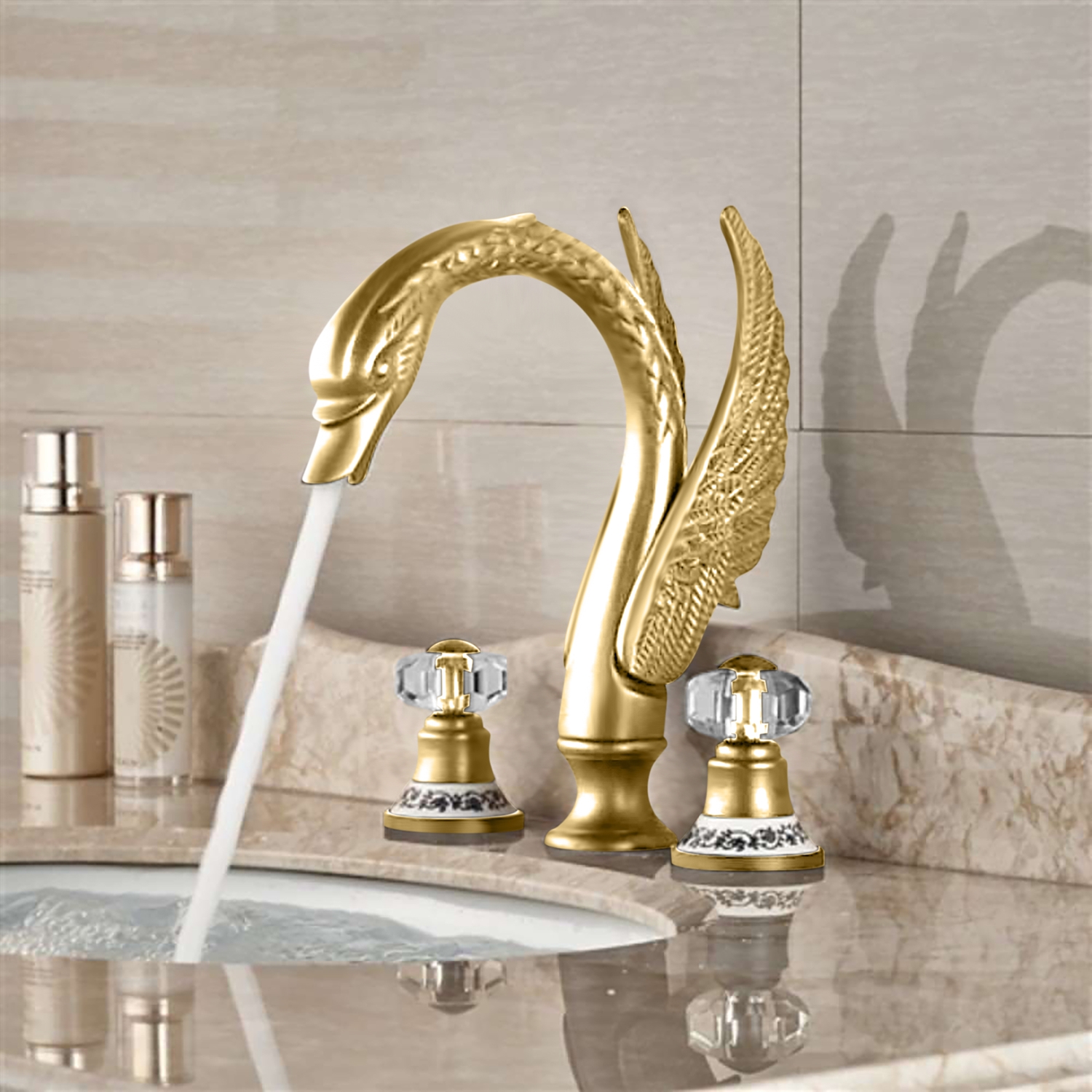
WaterSense criteria are a useful engineering benchmark for projects incorporating BathSelect bathroom faucets, water-efficient shower heads and commercial touchless faucets, but there is a significant difference between a WaterSense-labeled product and a product designed with similar water-efficiency goals.
U.S. Environmental Protection Agency regulations require products with the WaterSense label to meet applicable efficiency and performance requirements and be certified by an independent third party. Flow rate does not alone determine WaterSense certification.

WaterSense as a Benchmark for AEC Specifications
The current WaterSense specification for private lavatory faucets describes a maximum flow rate of 1.5 gpm (5.7 L/min) at 60 psi. The specification also includes a minimum flow of 0.8 GPM at 20 psi, which helps verify usable performance at lower supply pressure. According to the EPA, WaterSense-labeled bathroom faucets can reduce flow by about 30 percent or more compared to the federal standard of 2.2 GPM.
Read MoreShow Less
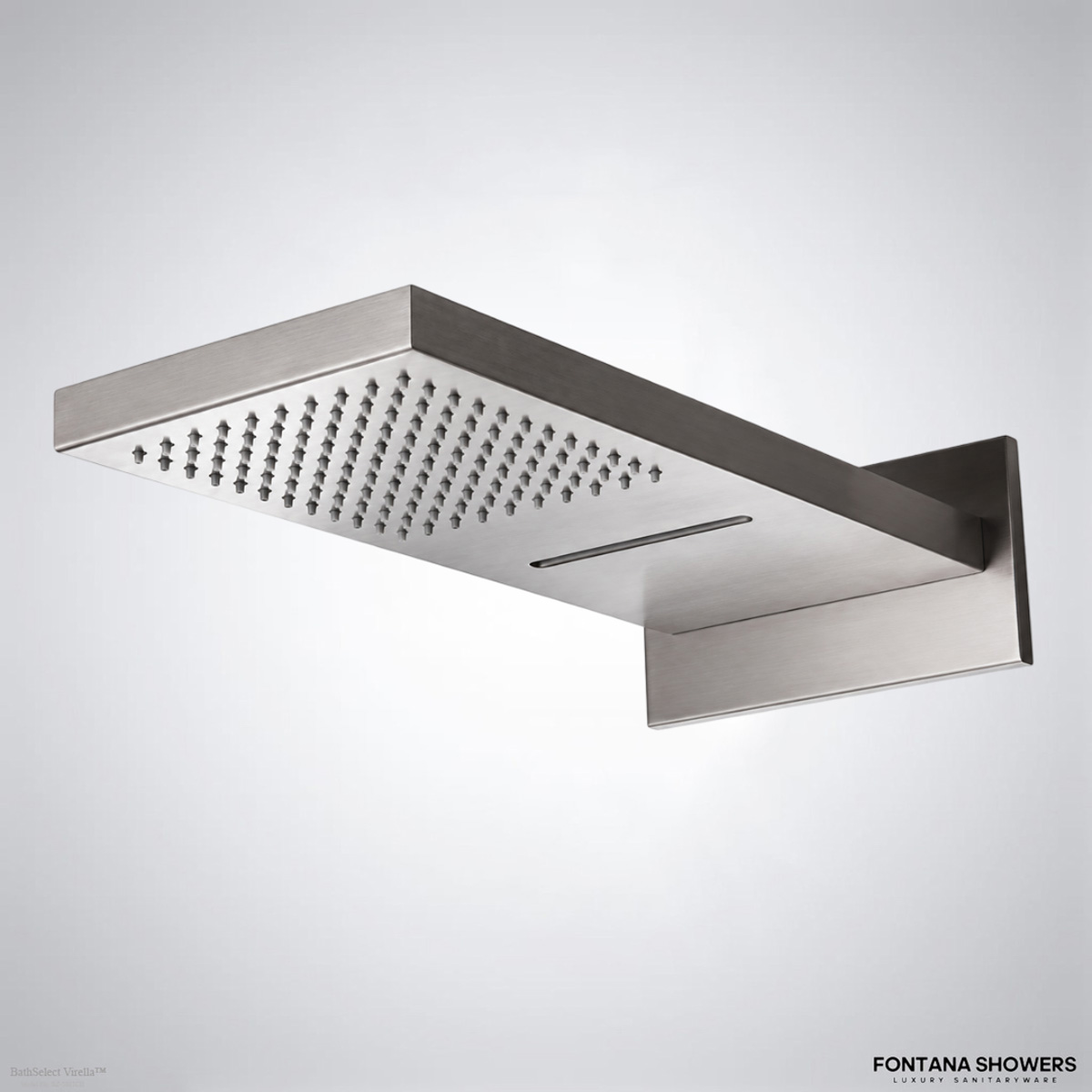
WaterSense sets a maximum rated flow of 2.0 GPM, or approximately 7.6 L/min, for showerheads. Performance requirements are not limited to the maximum consumption, as showerheads are tested under referenced test procedures for flow behaviour and spray performance. The WaterSense Version 1.1 applies to conventional showerheads, rain showers and handheld showers within its defined scope; body sprays are not included.
Tank-type WaterSense toilets are currently required to meet an effective flush volume of no more than 1.28 gallons per flush under the applicable EPA specification. EPA notes that this is about 20 percent less water than the federal standard of 1.6 GPF.
| Fixture Type | Reference Baseline | WaterSense Maximum | Nominal Reduction |
|---|---|---|---|
| Bathroom tap (private) | 2.2 GPM | 1.5 GPM | 31.8 % |
| Showerhead | 2.5 GPM | 2.0 GPM | 20 % |
| Tank toilet | 1.6 GPF | 1.28 GPF | 20% |
| Public restroom sink tap | 0.5 GPM LEED baseline | WaterSense public-faucet specification currently on hold | Project-specific |
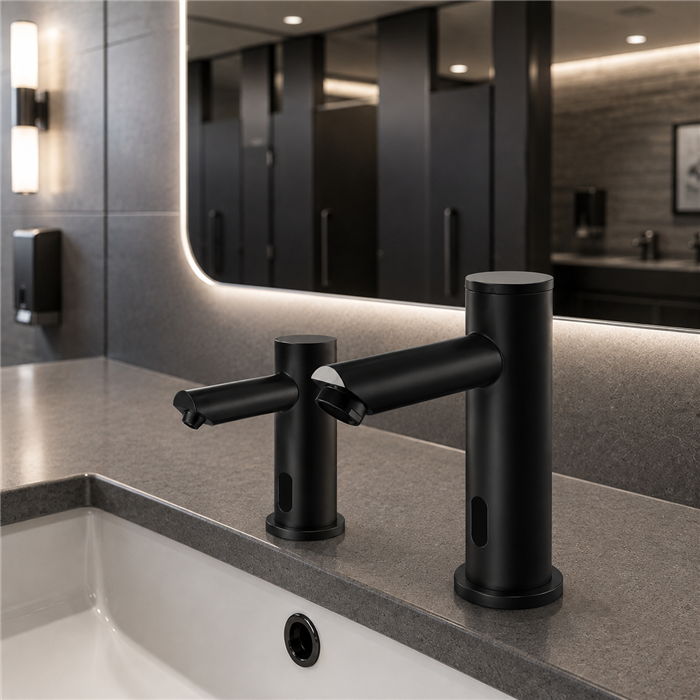
The last row is worth a special note. EPA considers 0.5 GPM or less to be an efficient flow rate for public lavatory faucets. A WaterSense specification for public-use lavatory faucets is currently on hold. Thus, it should not be automatically claimed that a 0.5 GPM BathSelect automatic sensor tap is WaterSense labelled unless the particular product and application are independently verified as eligible.
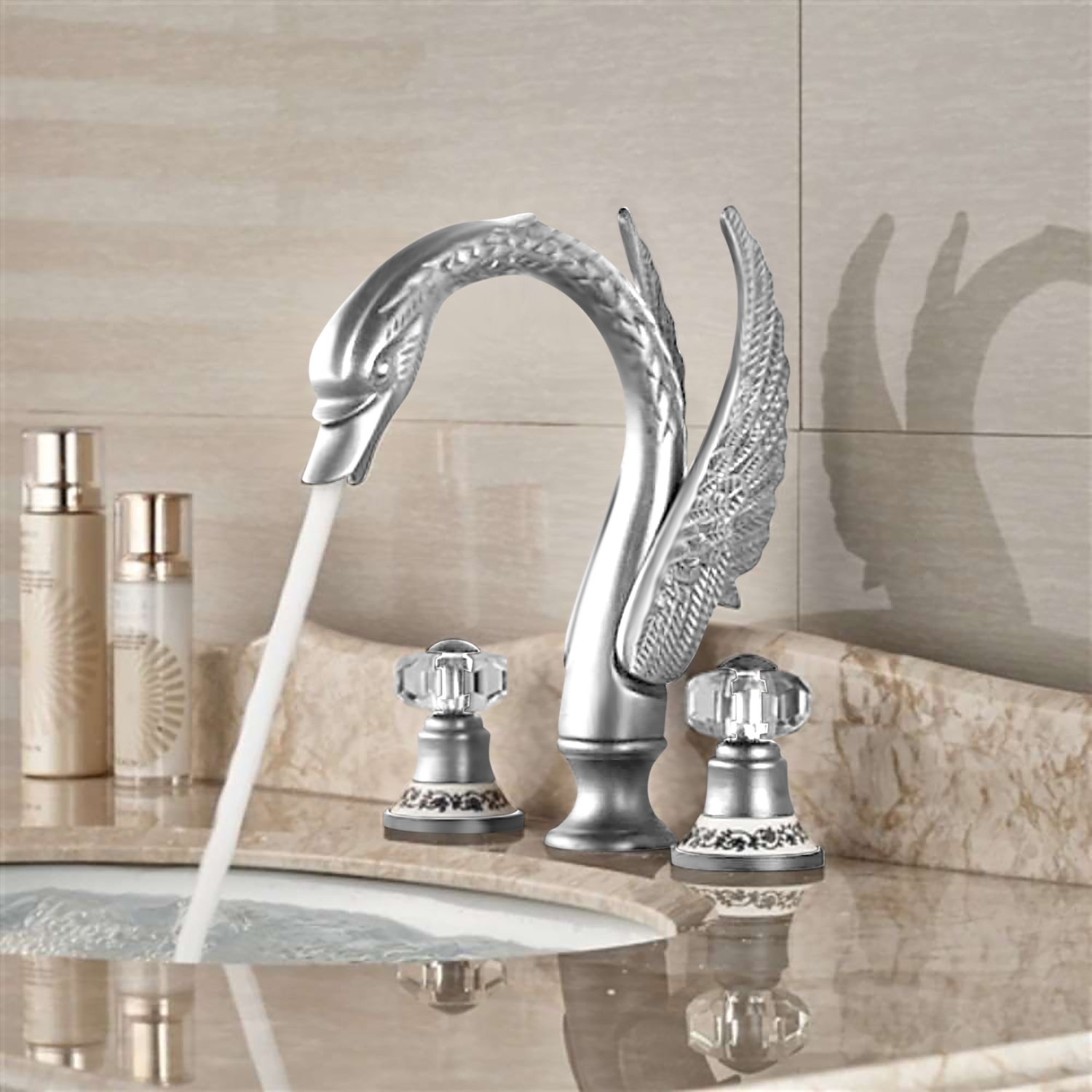
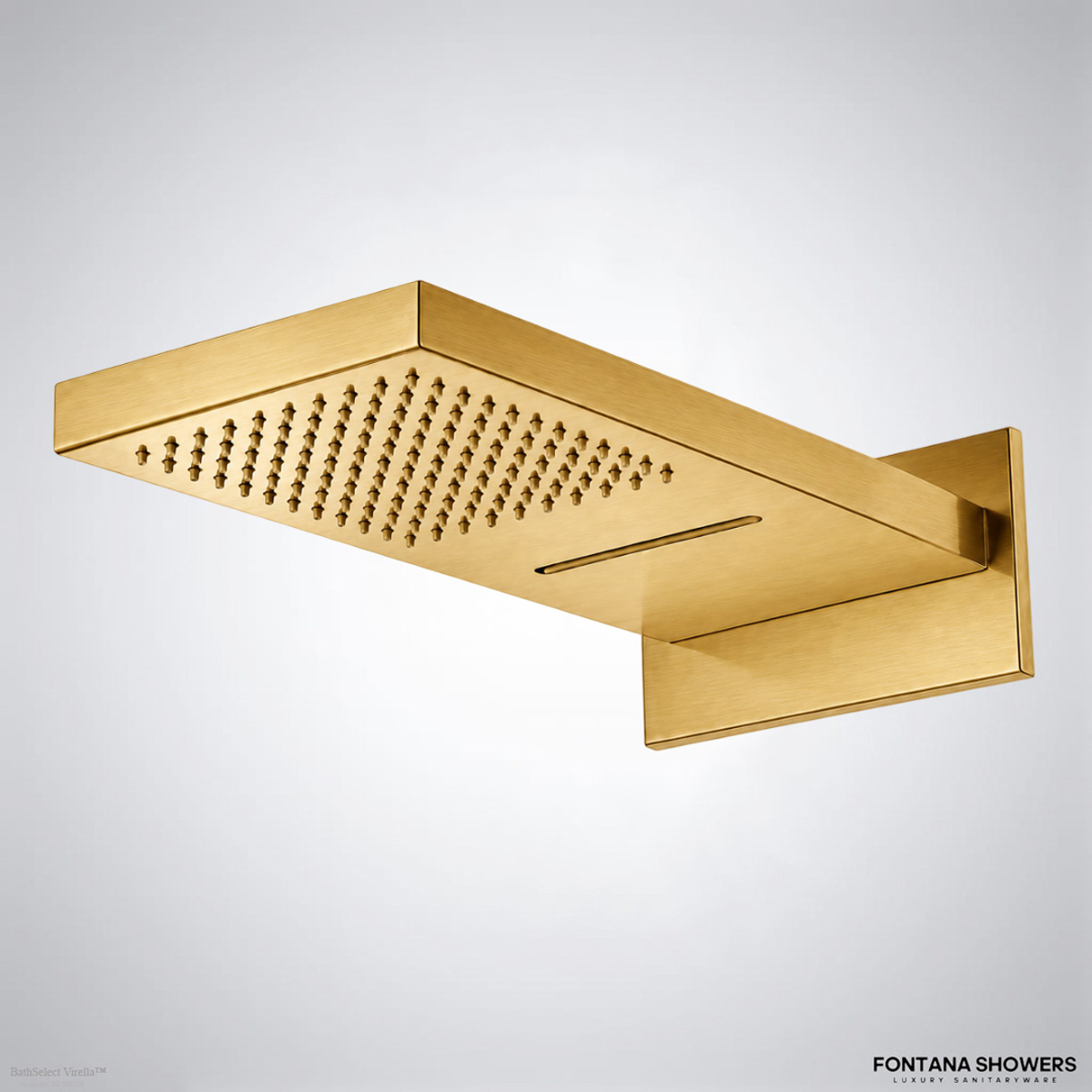
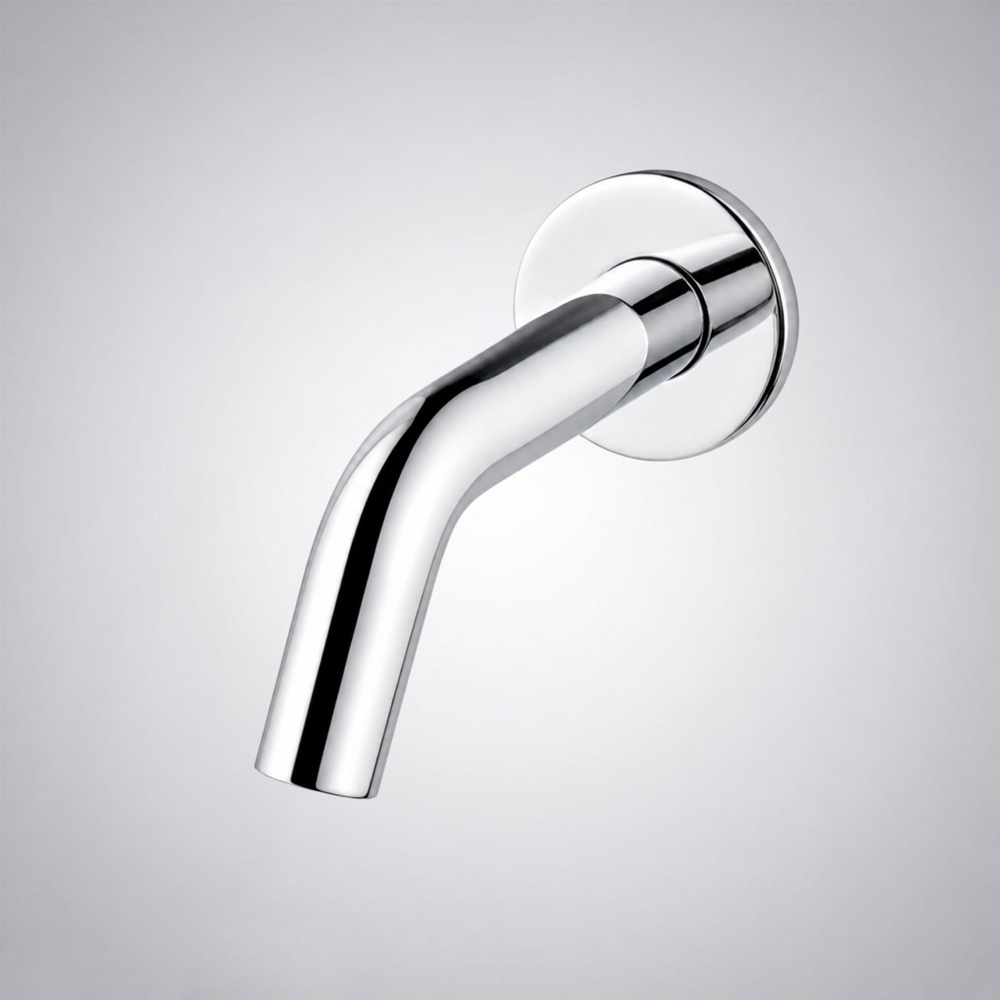

Water Efficiency Is a System Calculation”
The architectural spec should not be confined to a single GPM number.
Read MoreShow Less
Engineers should consider inlet pressure, pressure compensation, aerator or laminar outlet configuration, spout reach, basin shape, mounting condition, hot-water delivery, valve construction and maintenance access for a tap. Sensor-actuated fixtures require more coordination of the sensor range, shutoff logic, solenoid location, power supply, cable routing, isolation valves and service clearances.
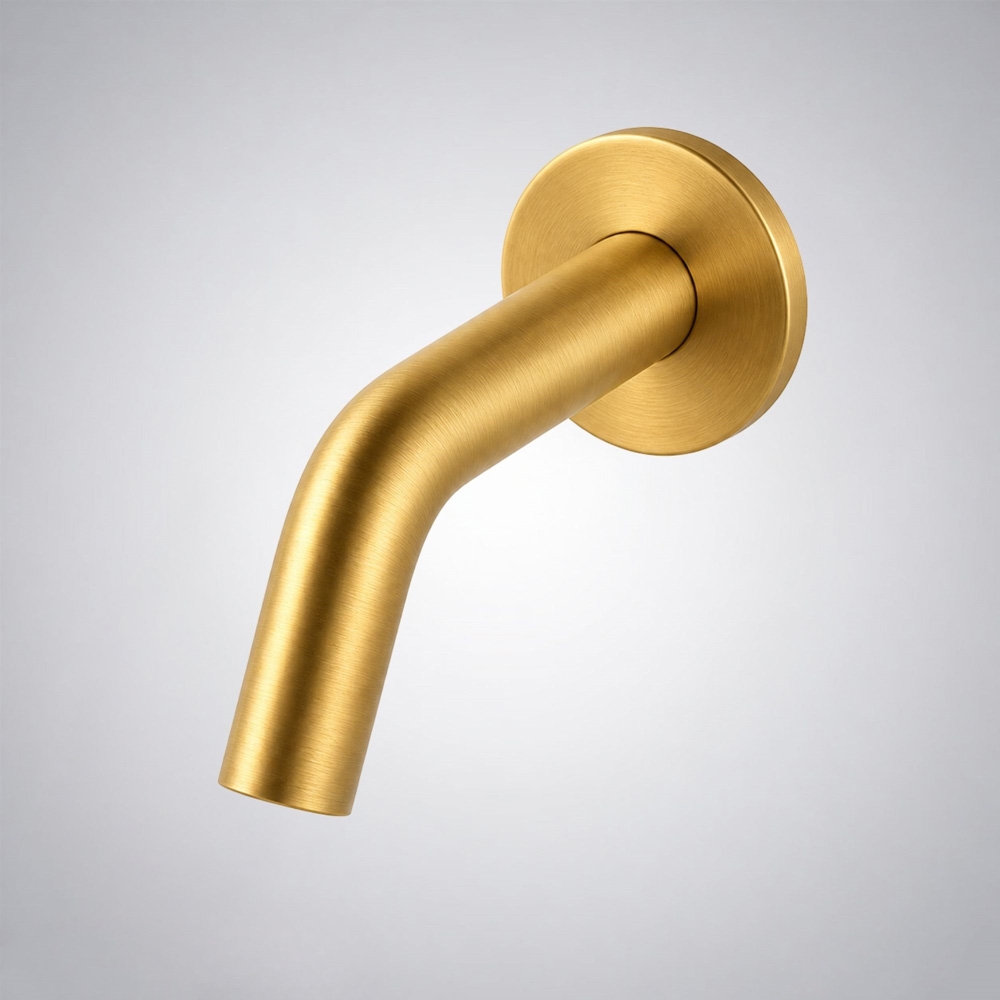
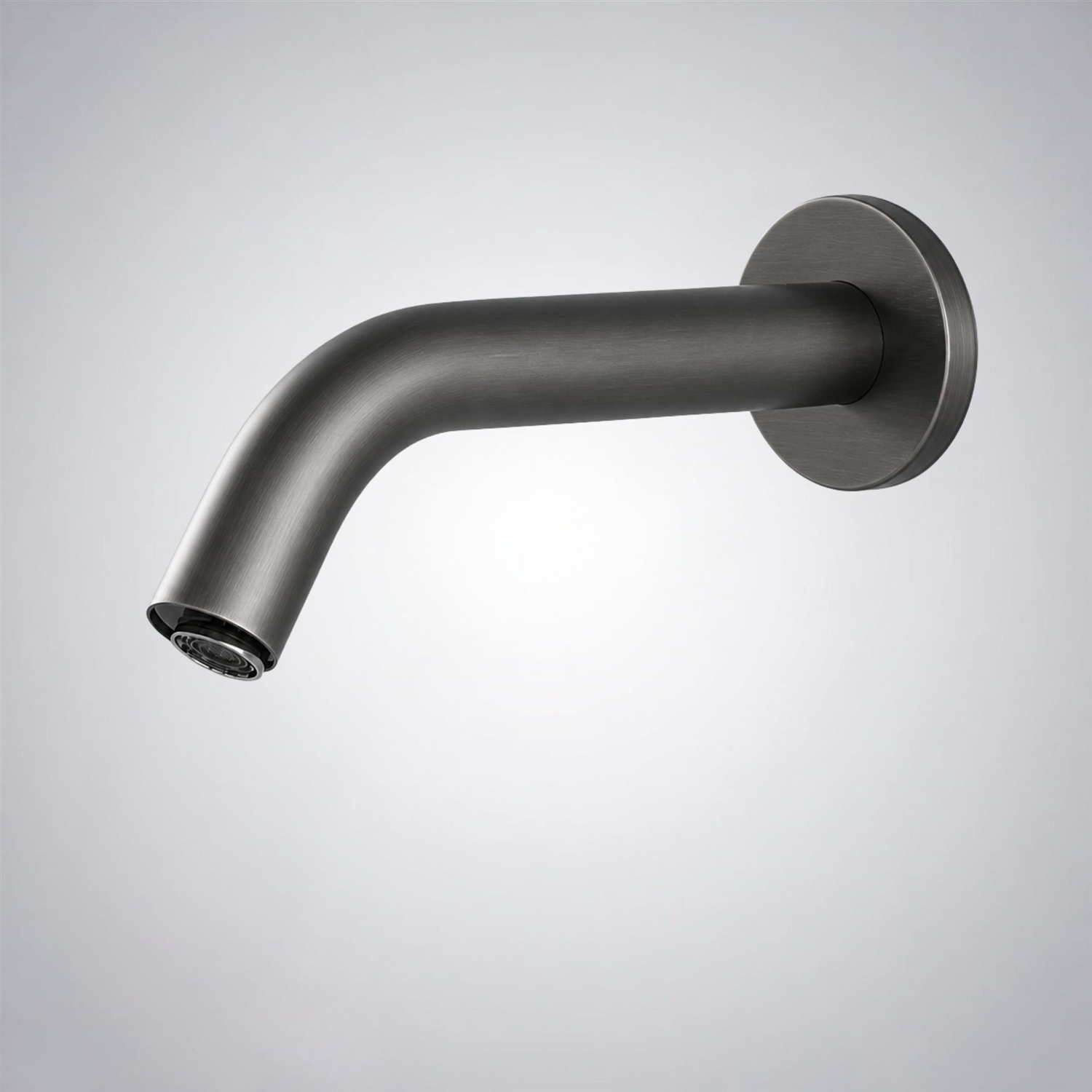
BathSelect’s commercial and luxury tap collection has configurations with published low-flow options, and its architect-oriented touchless tap systems have commercial flow configurations such as 0.35 and 0.5 GPM on selected systems. For the exact model, project teams should refer to the current cut sheet and not transfer specifications from fixtures that look similar.
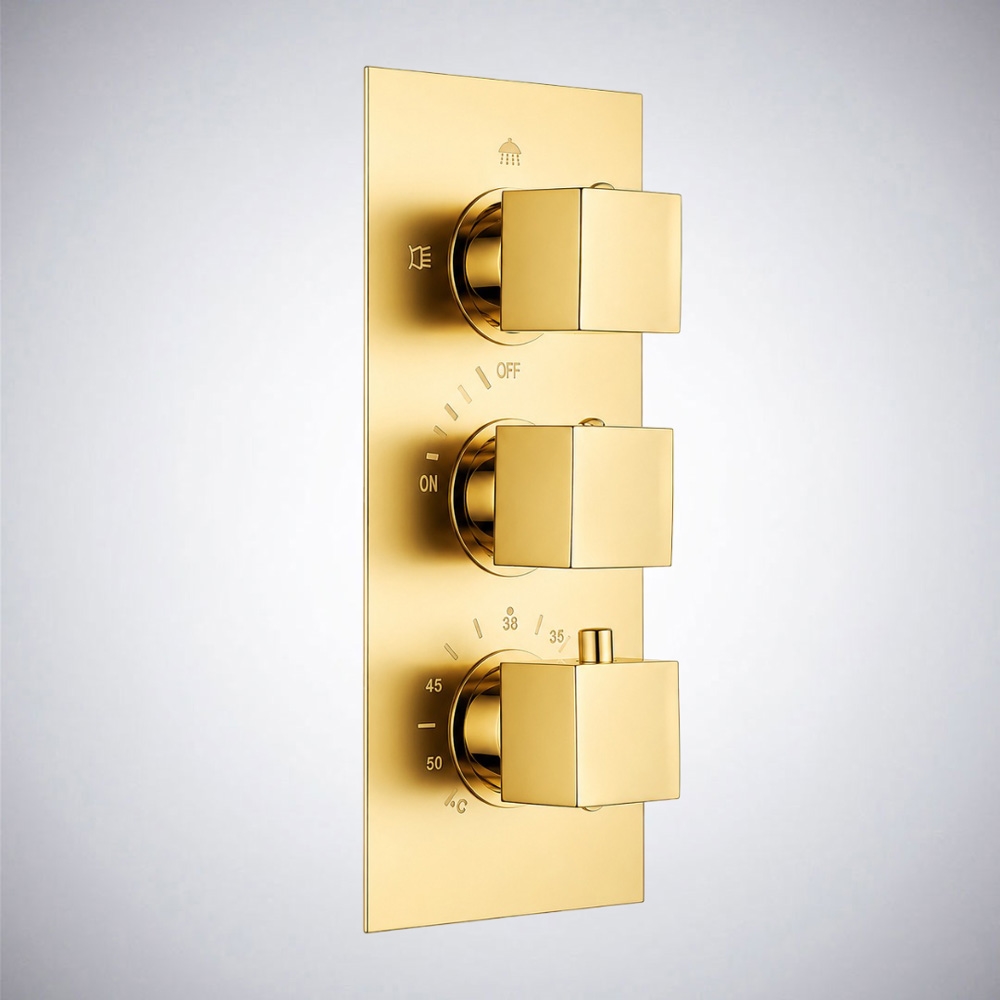
The same goes for showers. While the individual outlets can appear to be efficient, a large rain head, handheld, multi-outlet shower and body-spray installation can have total system demand that varies greatly.
Water-efficient fixture selection should be carried from certification intent into the actual hydraulic and operating conditions of the completed bathroom system. Architects, Engineers, Consultants, and facility teams should coordinate rated flow with available dynamic pressure, simultaneous fixture demand, valve and outlet configuration, sensor or control behavior, hot-water delivery, drainage capacity, and long-term service access rather than treating a WaterSense benchmark as an isolated product attribute. Project teams can evaluate pressure, distribution losses, and combined outlet demand through BathSelect Hydraulic Engineering, organize measurable flow, pressure, temperature, and field-verification criteria through the Bathroom Fixture Water Efficiency & Performance Specification, and retain model-specific testing, settings, corrective work, and turnover records through the Bathroom Fixture Installation, Commissioning & Handover guide so water-efficiency goals remain connected to actual fixture performance throughout installation and operation.
inlet pressure
pressure compensation
spout reach
sensor range
solenoid location
service clearances
LEED Coordination and WaterSense
WaterSense is also directly applicable to green-building documentation.
Read MoreShow Less
LEED v4.1 BD+C Indoor Water Use Reduction prerequisite requires 20 percent aggregate reduction in indoor fixture water use from defined baseline conditions. New toilets, urinals, private lavatory faucets and showerheads eligible for WaterSense labelling must be WaterSense labelled, or use an accepted equivalent where applicable outside the United States.
That means designers should not describe a product itself as “LEED certified.” LEED doesn’t certify bathroom faucets or showerheads – it certifies buildings and projects.
Instead, the fixture schedule should list quantifiable information: manufacturer, model, fixture classification, rated GPM or GPF, reference pressure, WaterSense status where applicable, quantity, estimated daily uses, and supporting product documentation.
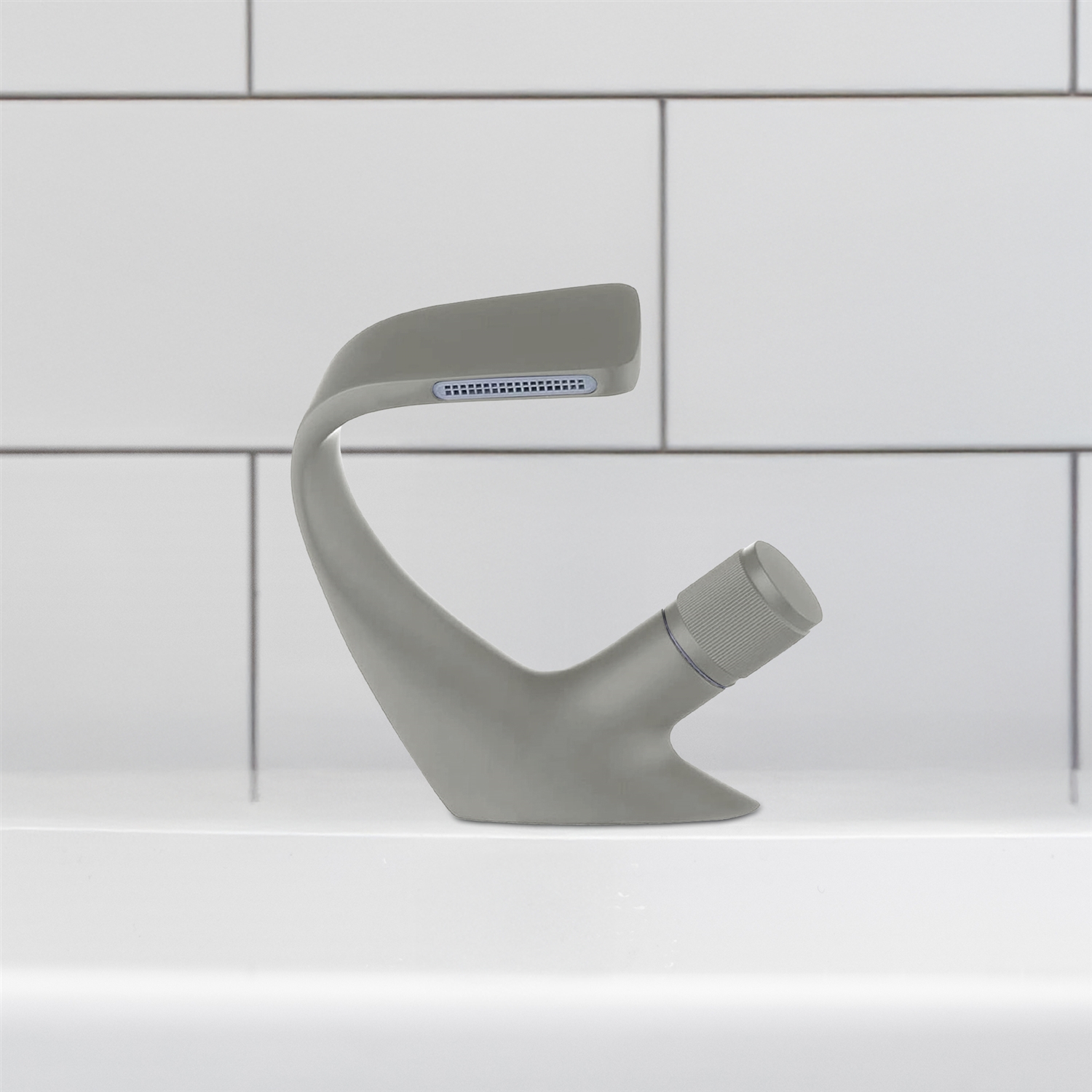
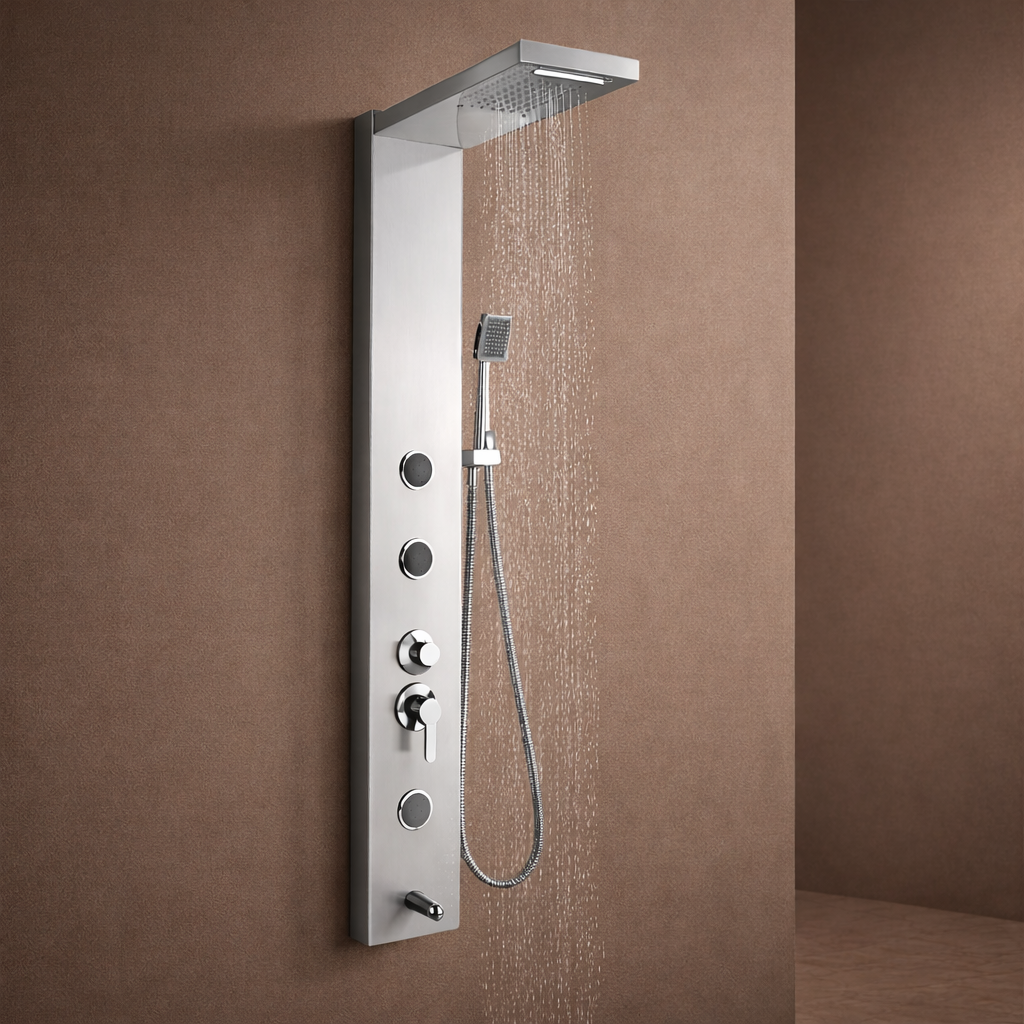
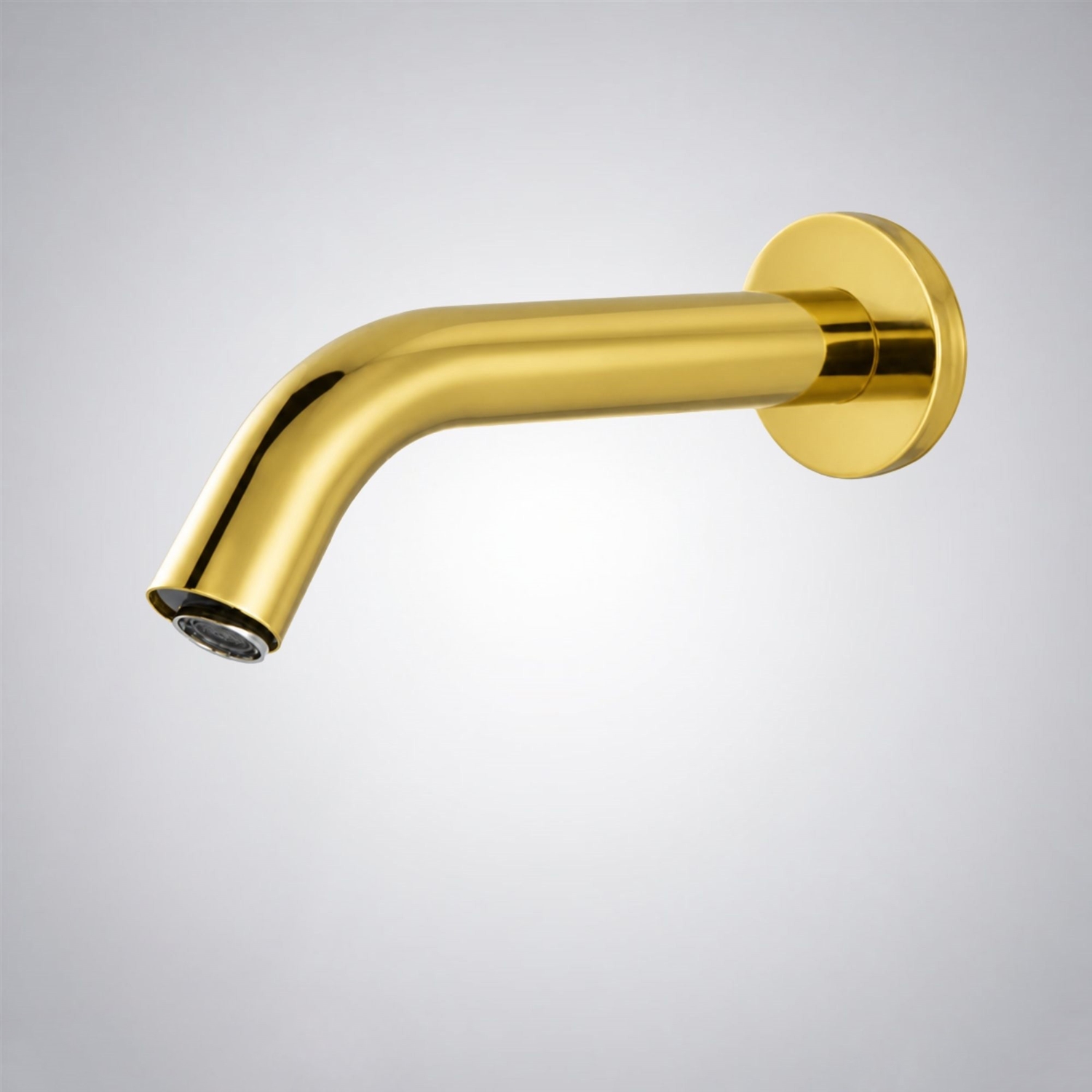
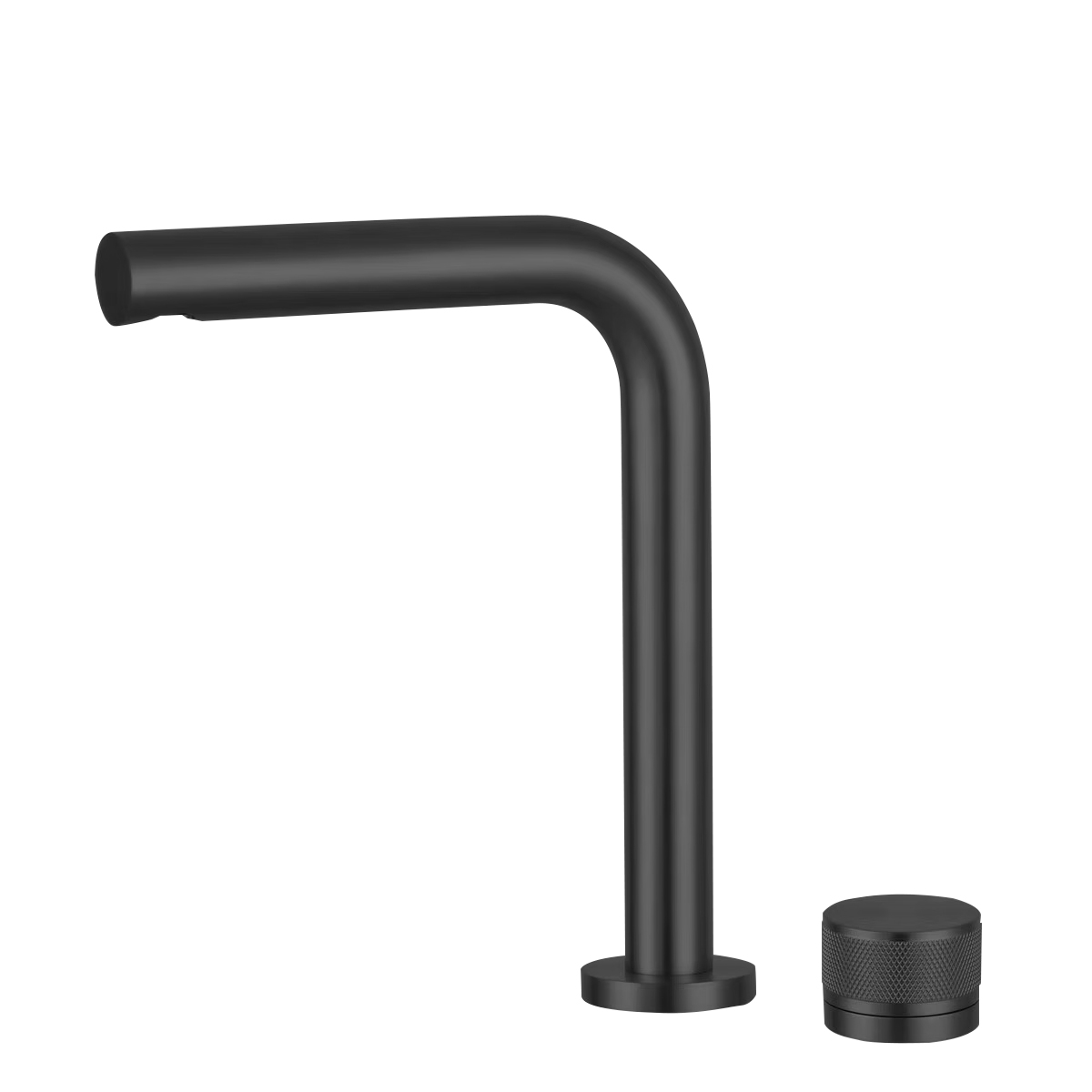
How to Specify BathSelect Fixtures for Water-Conscious Projects
If you are an AEC team evaluating BathSelect shower heads, BathSelect bathroom faucets or hands-free commercial bathroom faucets, the best specification approach is evidence-based.
Read MoreShow Less
Check the exact cut sheet for the product. Verify that the rated flow is achieved at the test pressure. Verify the WaterSense listing for the eligible product category. Match the supply pressure and number of fixtures to the plumbing calculations. Verify applicable ASME/CSA requirements for the fitting. Document power, solenoid, mixing, detection, shutoff and service requirements for sensor fixtures. The simultaneous outlet demand for showers should be calculated rather than based on the nominal rating of a single showerhead.
Showerhead options currently available from BathSelect are 1.5, 1.8 and 2.0 GPM configurations. Project-oriented fixture categories are available for commercial, hospitality and luxury applications.
The net result is a more defensible way to conserve water in the bathroom—not just by reducing flow, but by engineering fixture performance around actual building conditions.
Illustrative Water-Use Case in Hospitality
Imagine a fictitious hospitality project with 100 rooms, an average occupancy of 75 percent, and 1.5 guests per occupied room.
Read MoreShow Less
This works out to about 112.5 occupant-days per operating day.
Assuming each occupant uses the lavatory tap separately for five minutes a day, showers for eight minutes and flushes a toilet five times.
Illustrative Water-Use Case in Hospitality
| Modelled condition | Water use |
|---|---|
| A baseline design using a 2.2 GPM lavatory tap, a 2.5 GPM showerhead and a 1.6 GPF toilet would use about: | 31 gal/occupant-day. |
| Using WaterSense benchmark values of 1.5 GPM, 2.0 GPM and 1.28 GPF reduces the modelled consumption to approximately: | 21.9 gallons per occupant-day) . |
| The modelled difference is thus about 9.1 gallons per occupant-day. | 9.1 gallons per occupant-day. |
| The design reduces fixture water use by approximately 1,024 gallons per day or approximately 374,000 gallons annually over 112.5 occupant-days. | 1,024 gallons per day or approximately 374,000 gallons annually |
Read MoreShow Less
This is an example engineering case, not a measured BathSelect project result. Real savings must be modelled with project occupancy, fixture counts, operating schedules, actual flow rates, local pressure conditions, and user behaviour.
From product selection to performance building
WaterSense provides architects and engineers with a familiar framework to balance water efficiency and verified product performance. But the real value is when the certification is linked to plumbing design, occupancy calculations, commissioning, maintenance planning, and accurate fixture schedules.
Read MoreShow Less
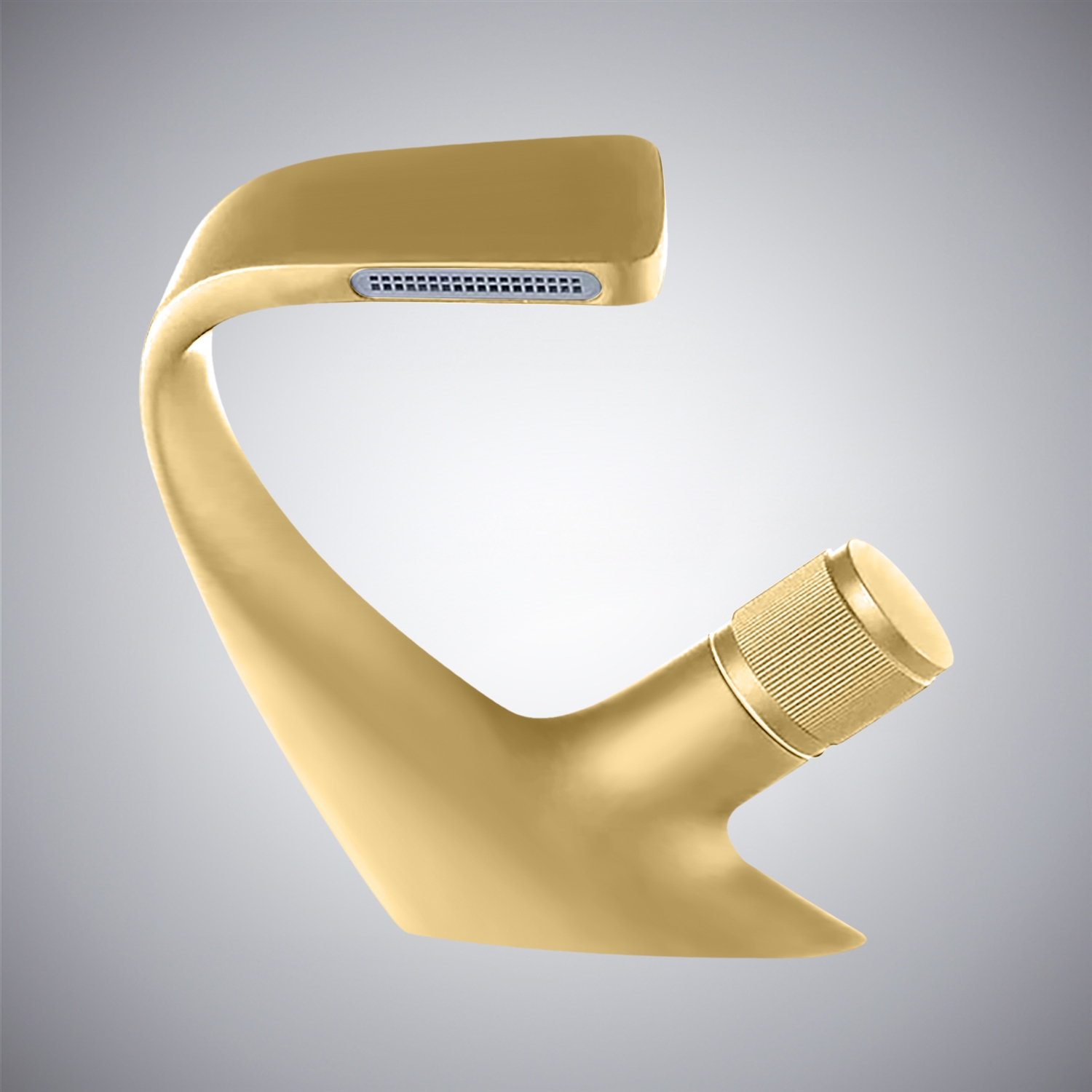
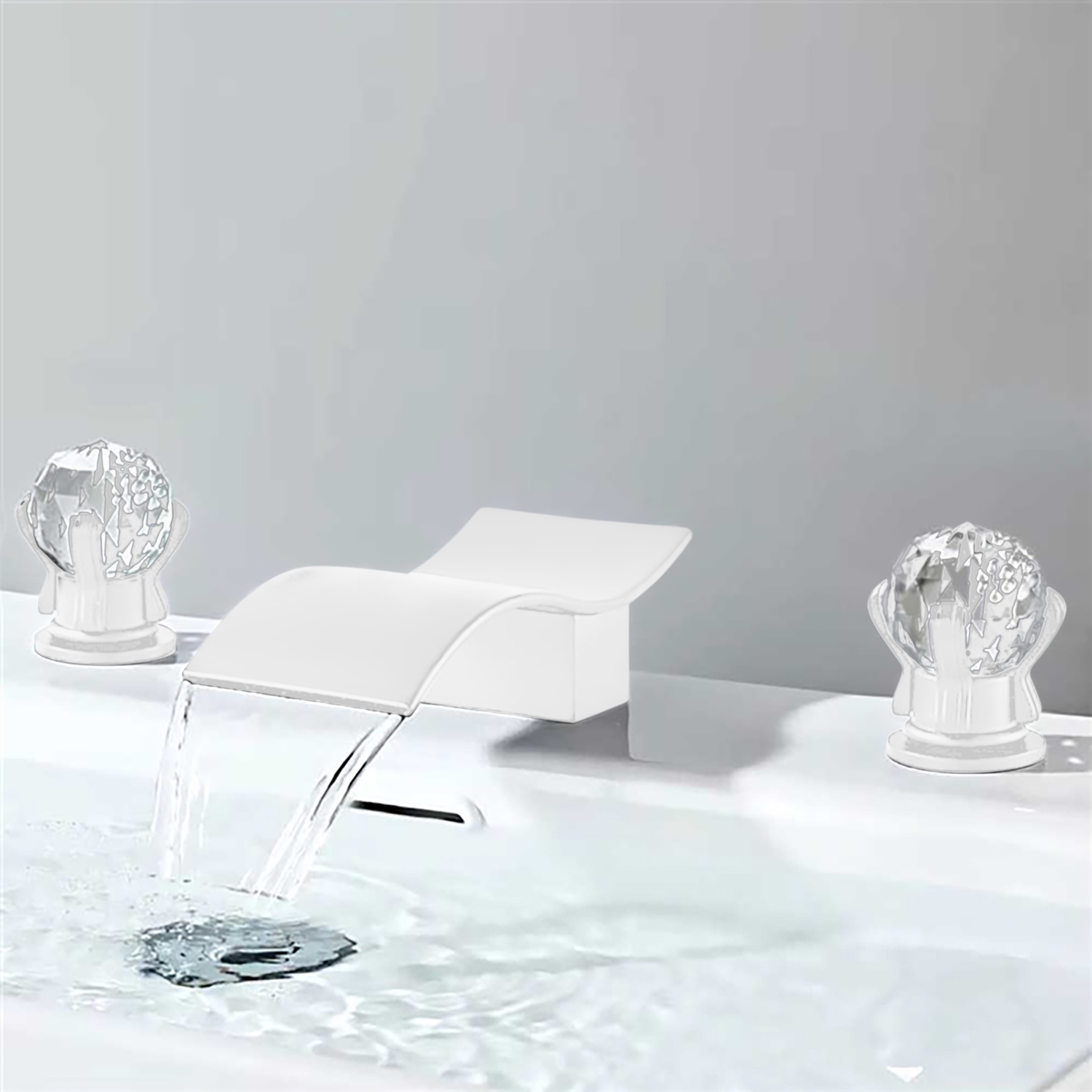
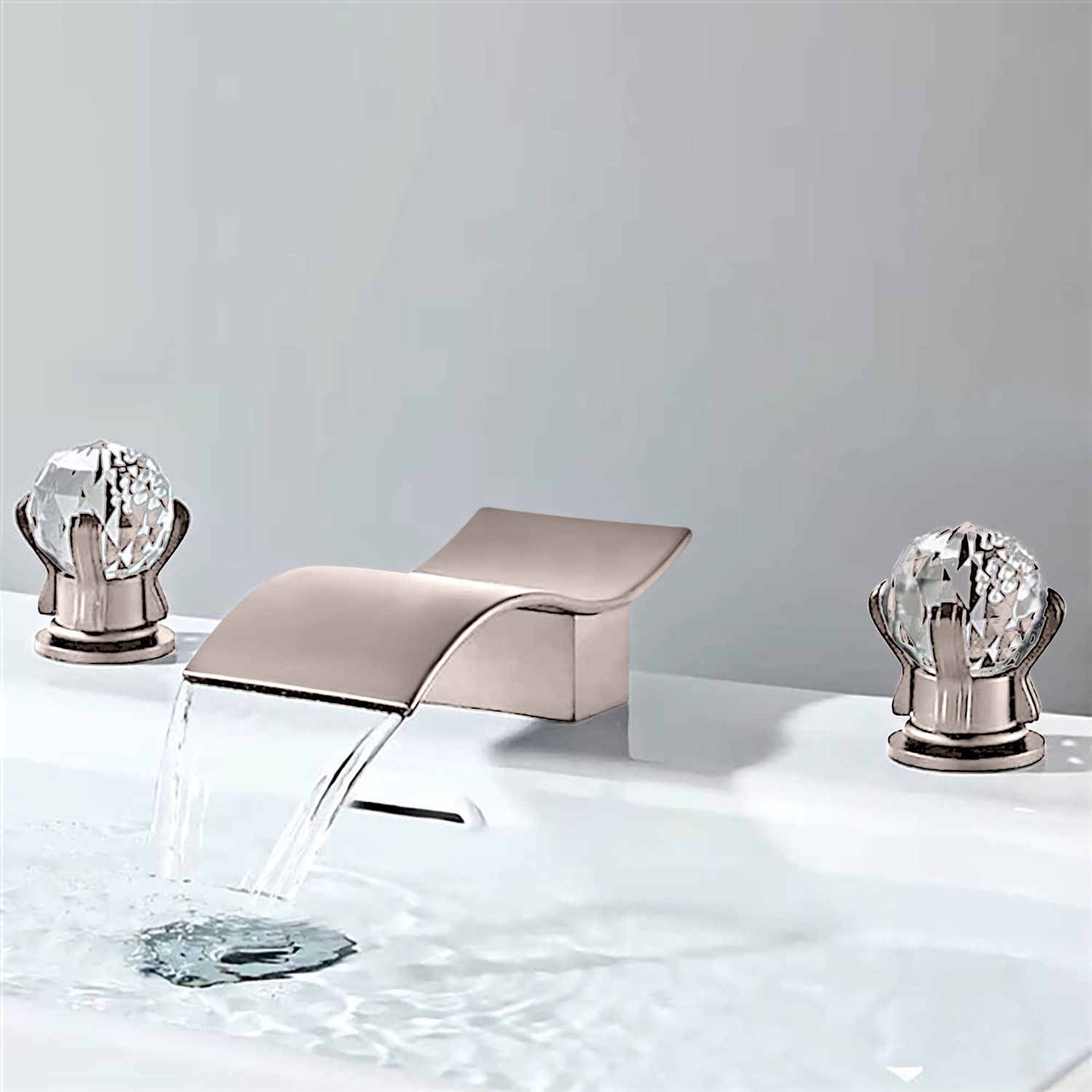
Architects, MEP engineers, developers, hospitality designers and facility managers can assess BathSelect bathroom fixtures in this broader performance context – a mix of controlled water delivery, proper plumbing configurations, technical documentation and design flexibility.

From product selection to performance building
It is not simply about fitting a lower flow fixture. It is to develop a bathroom system that uses the required amount of water, at the required pressure, for the required duration, while maintaining dependable operation throughout the building lifecycle.
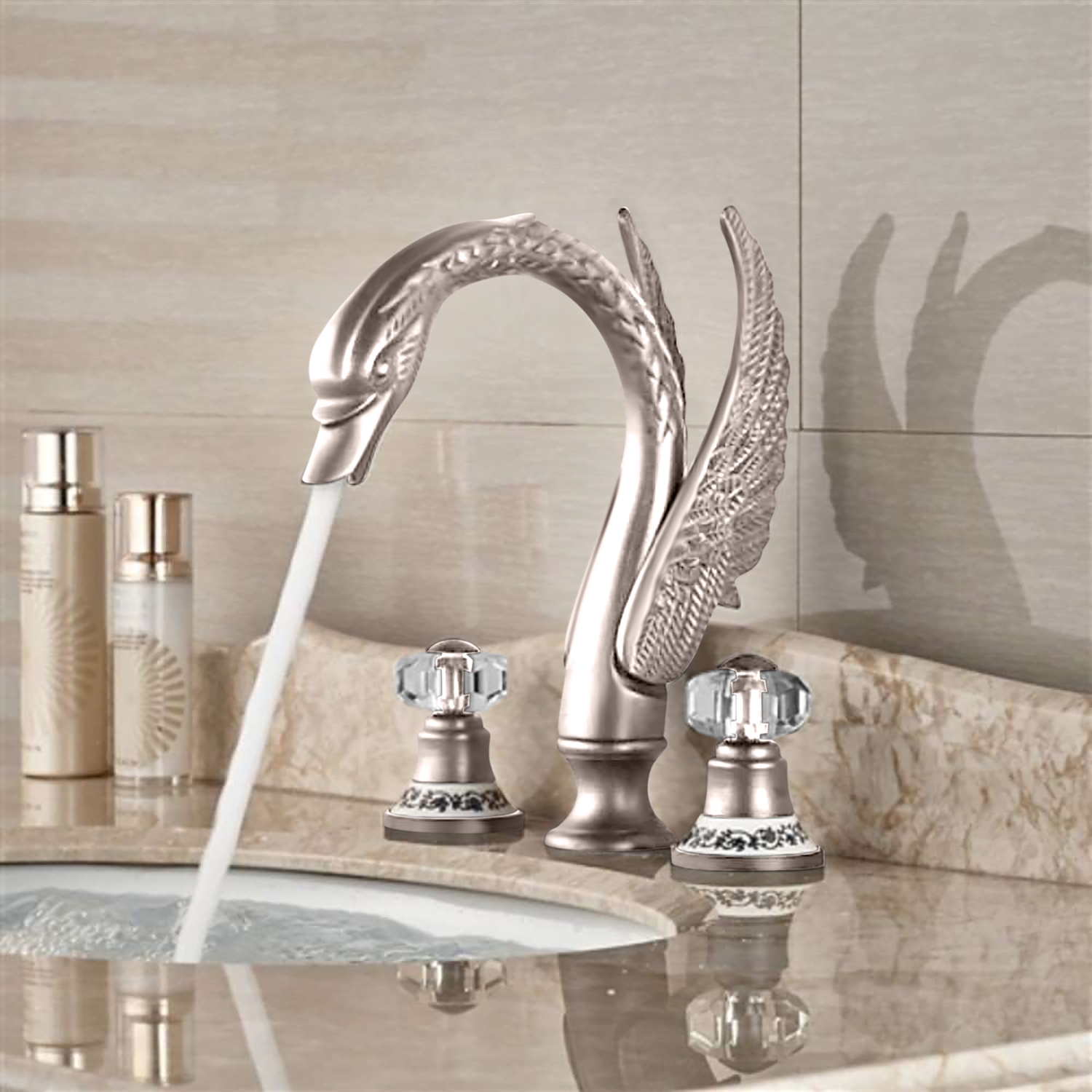

BathSelect WaterSense Bathroom Products
Read MoreShow Less
It is not simply about fitting a lower flow fixture. It is to develop a bathroom system that uses the required amount of water, at the required pressure, for the required duration, while maintaining dependable operation throughout the building lifecycle.