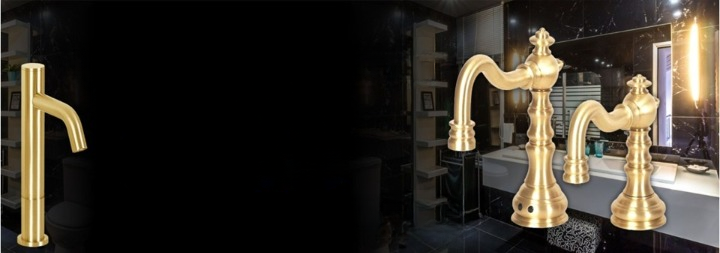
This technical guide explains the internal engineering behind
sensor activation, solenoid valve control,
power systems, and water flow regulation used in modern touchless faucets.
Designed for engineers, facility planners, architects, and maintenance teams seeking deeper understanding of hands-free plumbing technology.
Infrared transmitters and receivers detect hand presence through reflected light signals. Detection distance and response timing determine activation accuracy and water efficiency.
Engineering Focus: Detection Range · Signal Stability
Aerators, flow regulators, and mixing cartridges maintain consistent pressure while meeting conservation standards and preventing hydraulic shock.
Engineering Focus: Flow Rate · Efficiency
Operational Workflow Summary
A touchless faucet operates through sequential engineering events. The infrared sensor continuously emits signals. When hands enter detection range, reflected energy triggers the electronic controller. The controller energizes the solenoid valve, allowing pressurized water flow. Once motion disappears, the signal stops and the valve closes automatically, preventing waste and mechanical wear.
All component examples reference verified BathSelect engineering categories.
Engineering Design Considerations
Sensor Calibration
Detection distance must balance responsiveness and false activation prevention. Reflective surfaces and ambient lighting conditions influence performance accuracy.
Valve Mechanics
Solenoid durability depends on water quality and pressure consistency. Mineral buildup can restrict diaphragm movement and increase electrical load.
Power Reliability
Commercial installations typically prioritize AC power with battery backup to ensure uninterrupted operation during outages or maintenance cycles.
Technical FAQs
How does an infrared sensor detect hands?
The sensor emits infrared light and measures reflected energy returning from nearby objects. When reflection exceeds a programmed threshold, activation occurs.
Why is a solenoid valve used?
Solenoid valves provide rapid electronic control of pressurized water without manual mechanisms, enabling precise automatic shutoff.
Do touchless faucets consume electricity continuously?
Sensors operate in low-power standby mode and only energize valves briefly during activation, minimizing overall energy consumption.
What causes delayed activation?
Common causes include sensor misalignment, mineral buildup, unstable voltage supply, or reflective interference from sink materials.
Download Engineering Specifications
Request technical documentation including wiring layouts, valve schematics, sensor specifications, and installation guidance.