International Airport Case Study: Touchless Hygiene and Operational Efficiency (BathSelect)Skip to content
International Airport Case Study: Touchless Hygiene and Operational Efficiency (BathSelect)
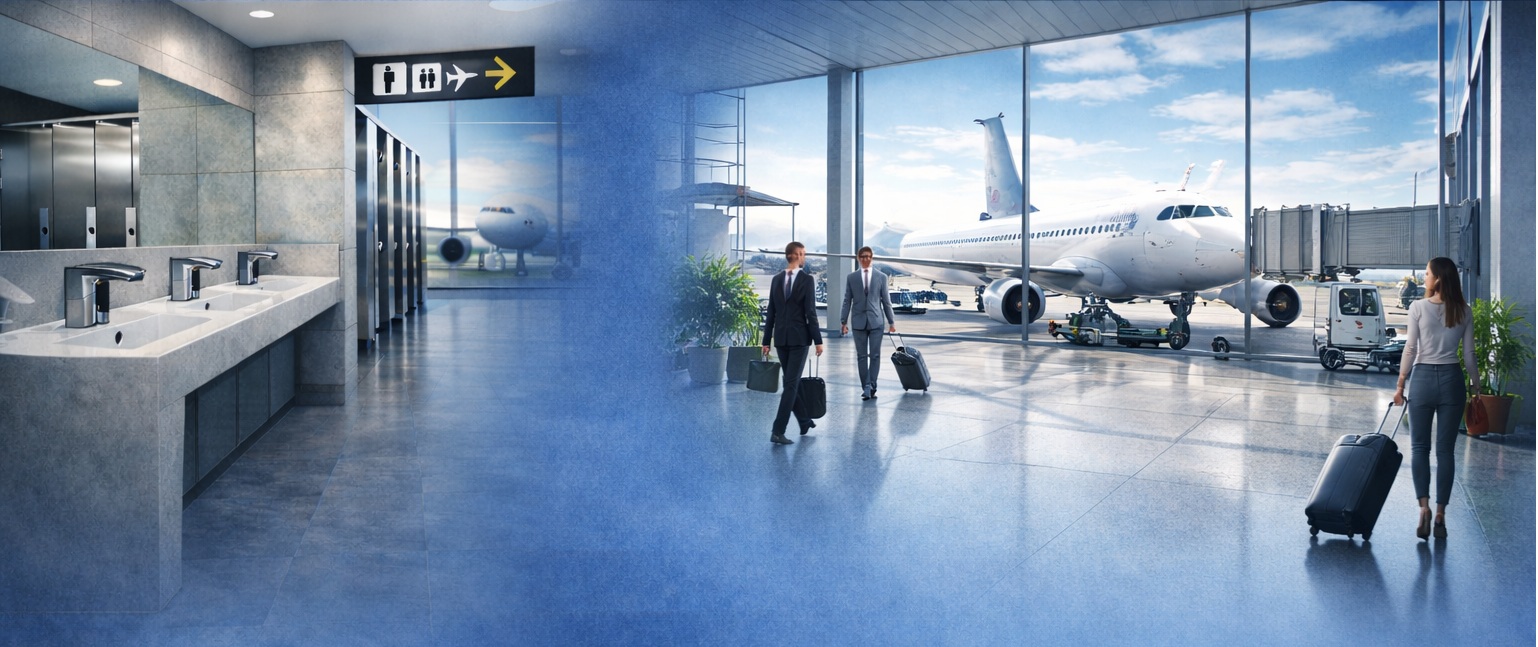
A spec-focused airport restroom case study for contractors, architects, and engineers.
The focus is practical: passenger usage modeling, reliability targets, and maintenance intervals you can actually run with.
This airport upgrade targets hygiene and throughput without adding operational complexity.
The workflow is spec-first: define the usage model, set reliability targets, then select touchless fixtures that match maintenance capacity.
Scope: terminal public restrooms plus employee cores in high-traffic circulation routes.
Primary goal: reduce touch points while keeping activation stable in dynamic lighting and crowd movement.
Delivery plan: phased installation by zone, with commissioning checklists tied to traffic windows.
These values keep the worksheet realistic. Adjust during site verification.
Typical sink bank: 8 sinks in high-use concourse restrooms.
Peak concourse traffic: 8,500 passengers/hour in combined gates cluster.
Restroom entry rate: 12% during peak windows (calibrate on site).
What this page gives you
A usage worksheet you can calibrate in under an hour.
Reliability targets that translate into commissioning actions.
A maintenance cadence aligned to real staffing.
Passenger Usage Model (Field-Ready)
Replace these values with local counts and observations. The “daily activations” line is a planning number for batteries, aerators, and service cadence.
In airport restrooms, success is stable sensing, predictable shutoff, and serviceable hardware.
Touchless fixtures reduce touch points. The operational win comes from commissioning and maintenance plans that match traffic peaks.
Model passenger usage so battery and aerator cadence is predictable.
Track reliability metrics so adjustments happen early, not after complaints.
Standardize spares across zones to reduce service complexity.
Use search links for internal navigation that remains stable.
How do you estimate touchless faucet activations for an airport restroom?
Model passengers per hour, apply a restroom entry rate, then multiply by sinks per bank and typical activations per visit.
Validate the model with short-term counts during peak and off-peak periods, then adjust runtime and service cadence accordingly.
What sensor reliability metrics matter most for high-traffic facilities?
Track false triggers, non-activation incidents, shutoff quality, and service time.
In airports, stable sensing and easy access for batteries, aerators, and shutoffs often matter more than added complexity.
Battery or AC adapter: which is better for airport zones?
Battery power simplifies retrofits and reduces wiring scope. AC power can fit constant high-traffic areas to reduce battery changeouts.
Many projects mix both based on access and operational preferences.
What should contractors verify during commissioning?
Confirm stable sensing with minimal nuisance activations, drip-free shutoff, consistent stream, correct detection zone,
and service access for batteries, filters, aerators, and shutoffs.
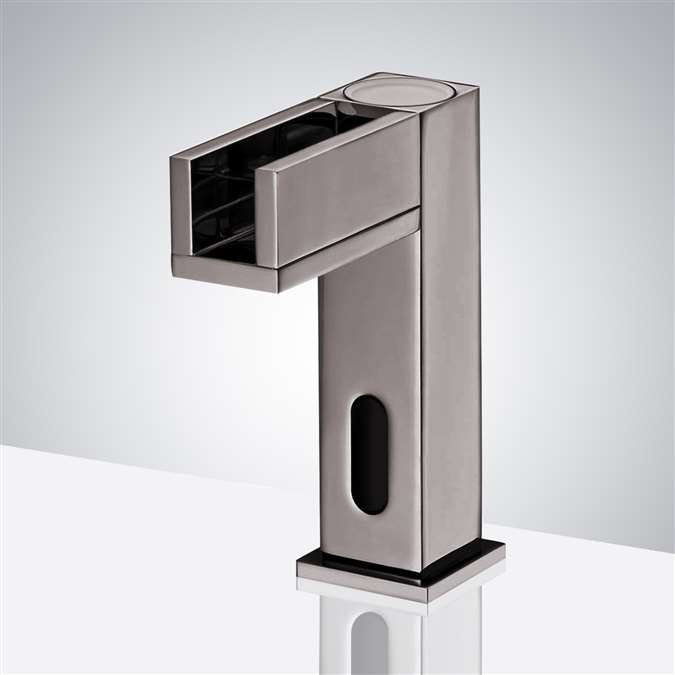
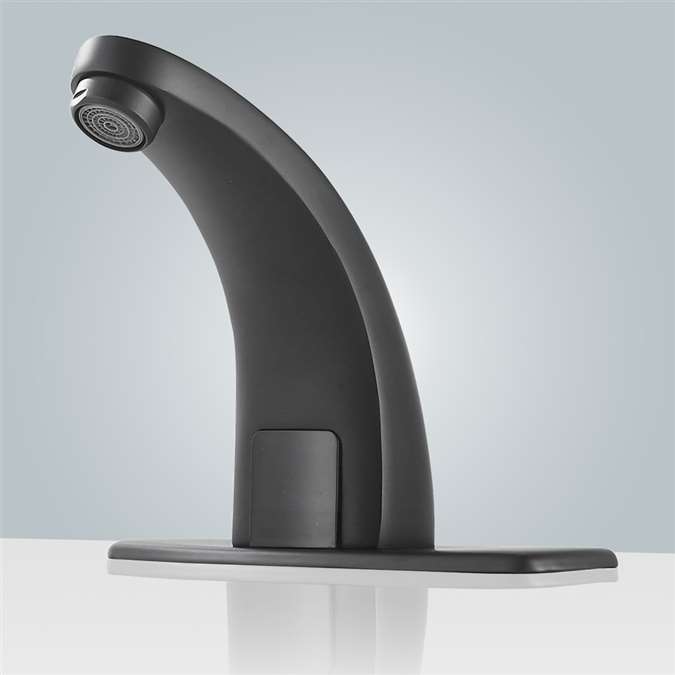
International airport restrooms run on throughput and reliability. This collection is built around touchless hygiene hardware that supports fast passenger turnover while reducing touch points and keeping maintenance predictable for facilities teams.
For specification and planning, focus on three items:
Traffic fit: match sensor response and runtime settings to concourse peaks, queue behavior, and sink bank layout.
Reliability in real conditions: select models that handle reflections, luggage movement, and variable lighting with stable activation and clean shutoff.
Serviceability: prioritize fast access for batteries or adapters, aerators, filters, and shutoffs so repairs do not close restrooms during busy windows.
If you are coordinating an airport retrofit or new terminal package, use this category to keep a consistent touchless standard across zones while controlling long term service time, spare parts complexity, and operational disruptions.