Why Flow Rate is Important?
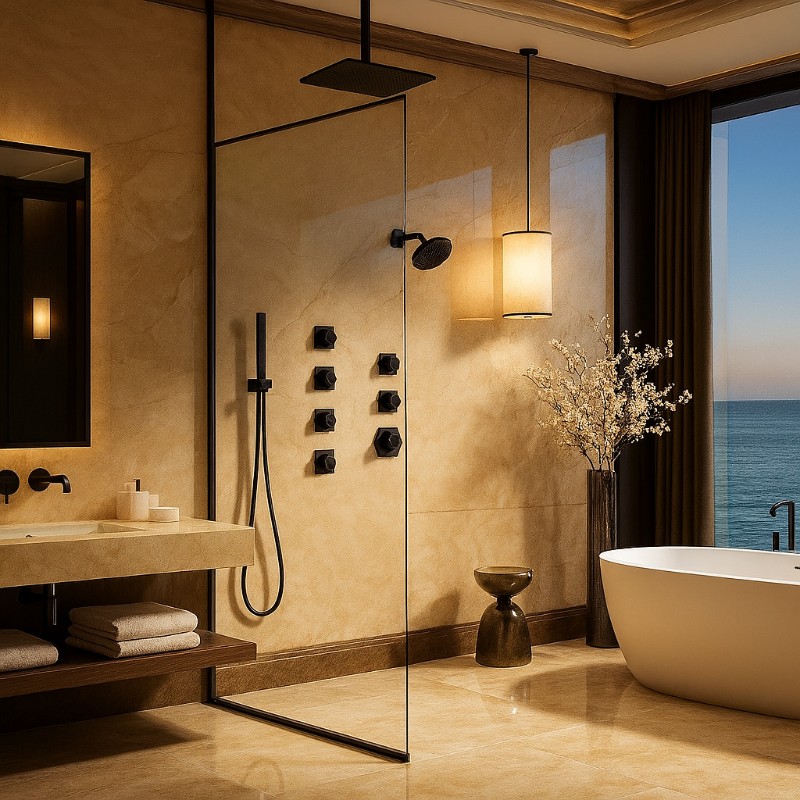
Luxurious hotel bathroom with ocean view, marble finishes, walk-in shower, freestanding tub, and elegant black fixtures.
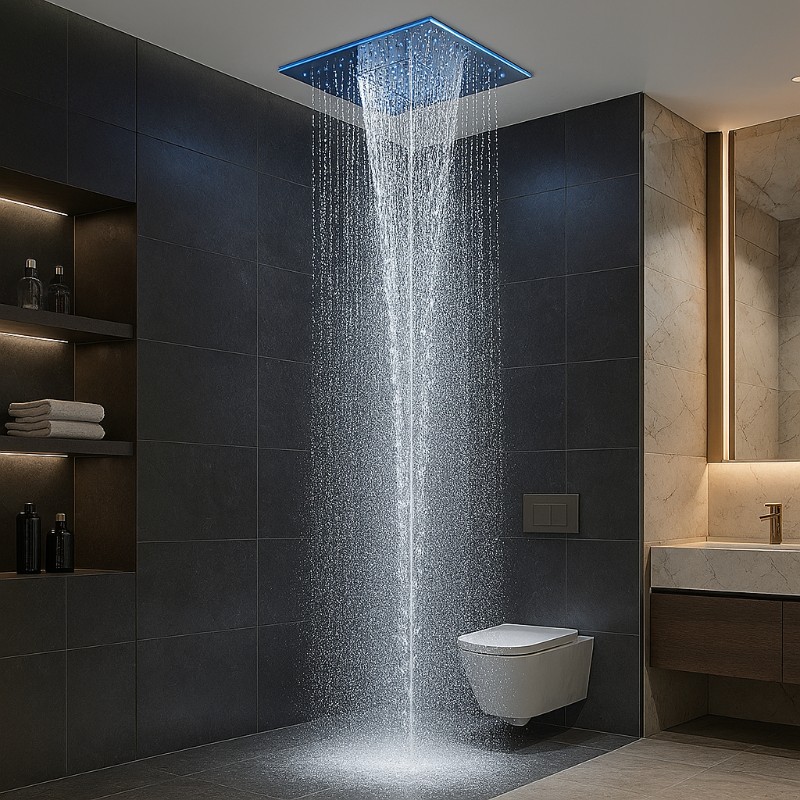
Luxurious modern bathroom with dark marble walls, floating vanity, LED mirror, glass shower, and elegant wood accents.
💧Showerhead Flow Rate Pros Vs Cons?
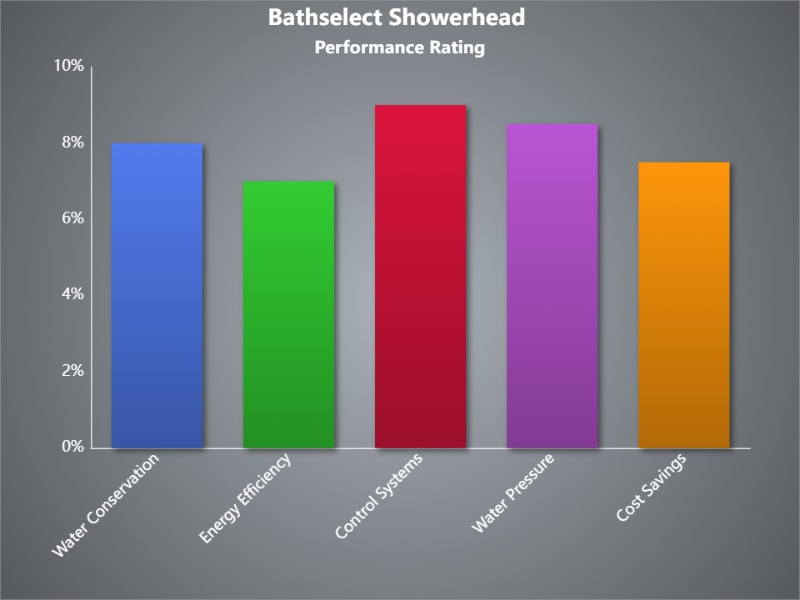
Impact on Water Conservation & Energy Efficiency
low rate is one of the most important performance metrics in contemporary plumbing design and sustainable architecture, with direct application to water conservation, energy efficiency, and cost of operation. Flow rate is expressed in gallons per minute (GPM) or liters per minute (LPM) and is the quantity at which a faucet, shower, or fixture delivers a volume of water within an expired time interval. Control and regulation of flow rate are critical to both environmental effectiveness and long-term savings.
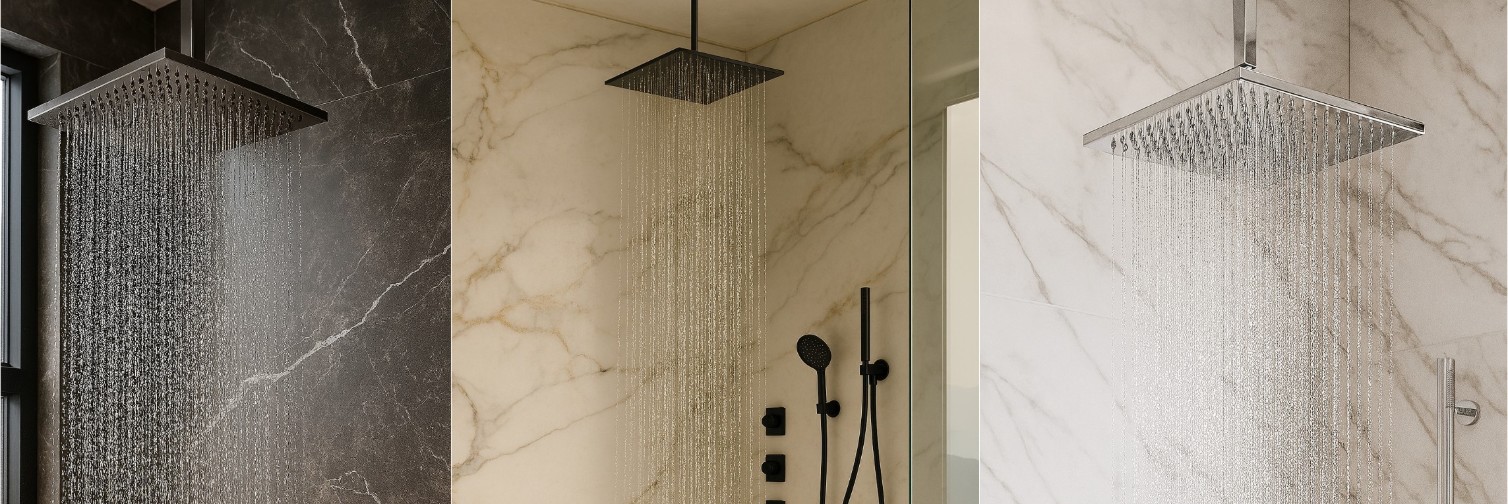
🚿How Does Flow Rate Impact Water Use?
t feels luxurious but promotes high consumption of water at times when high rates of flow exist. As an example, conventional shower heads most times feature 5 GPM or higher rate of flow when contrasted to low-flow shower heads, which limit flow to 2.0 GPM or below but not because the pressure gets depleted due to innovative aeration technology introduced in it. Year after year, this discrepancy accumulates a lot—saving thousands of gallons per fixture annually. In public and commercial environments like schools, airports, and hotels, this amounts to millions of gallons per year.
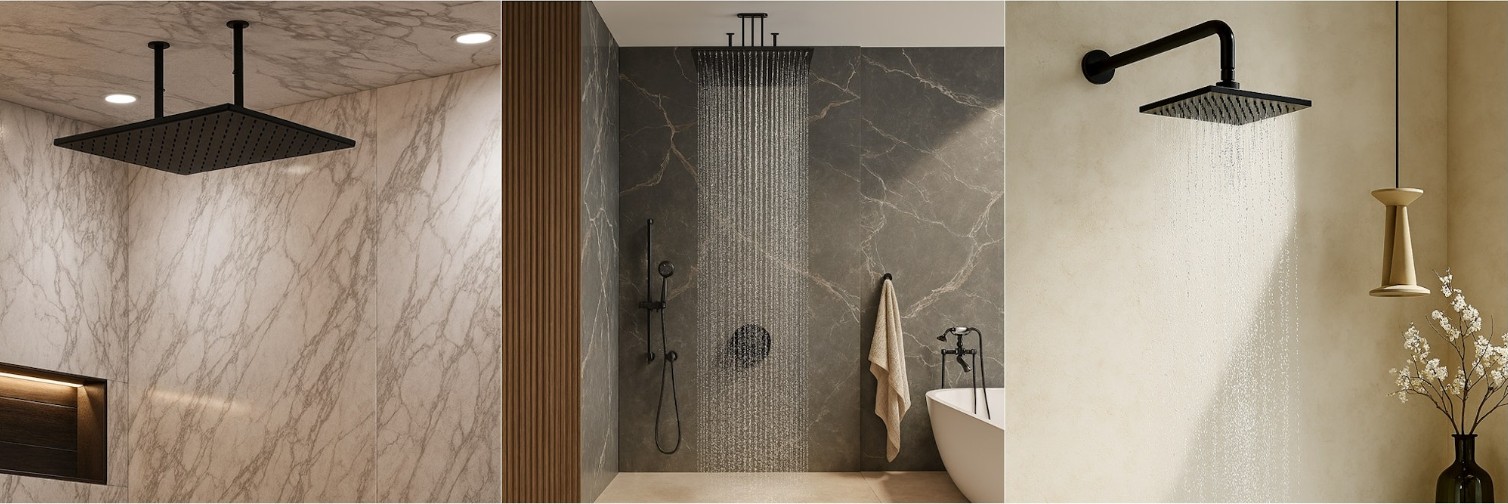
🔥The Flow Rate Link to Energy Consumption
Each gallon of hot water pulled through a fixture involves energy to be heated, whether from sunlight, gas, or electricity. Lowering the water flow directly decreases water heater load and saves energy and decreases building carbon footprints. This is particularly significant in multi-fixture applications with all outlets operating simultaneously. Lowering the flow rate prolongs the life of installed heating equipment, decreasing the need for upgrading or adding equipment.
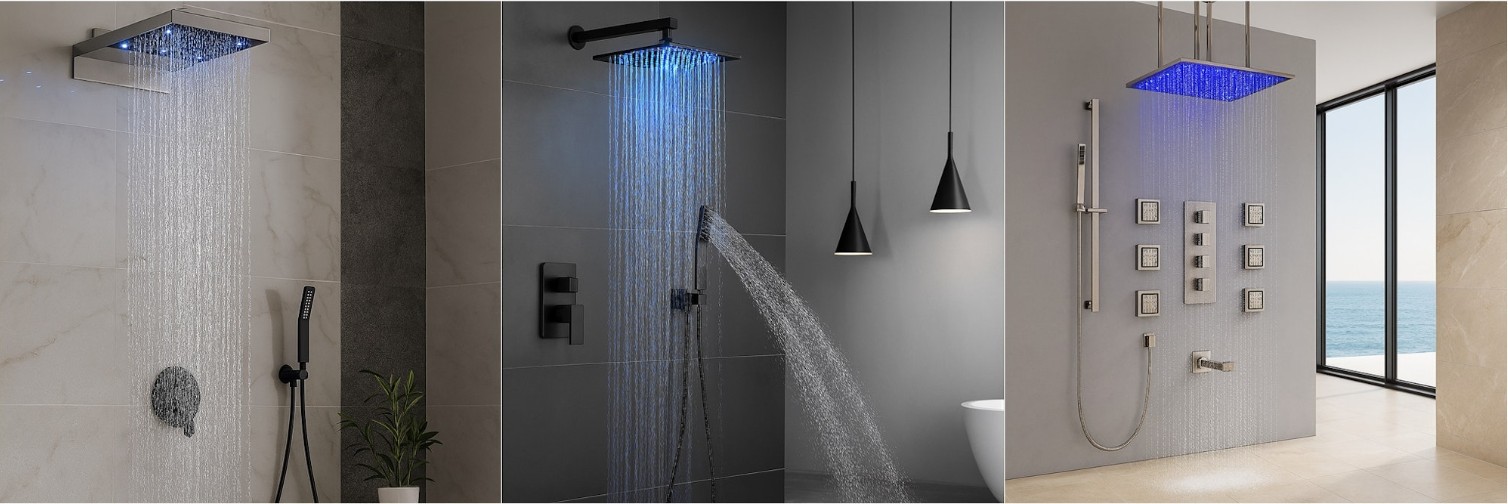
✅Regulations & Compliance
Most areas have embraced flow rate standards through schemes such as the EPA WaterSense, Title 20 in California, and LEED certifications. Such programs promote the fitting of high-efficiency fixtures that marry performance and conservation. Features such as touchless faucets and low-flow shower systems not only ensure compliance but also introduce hygienic and efficient use in busy restrooms.
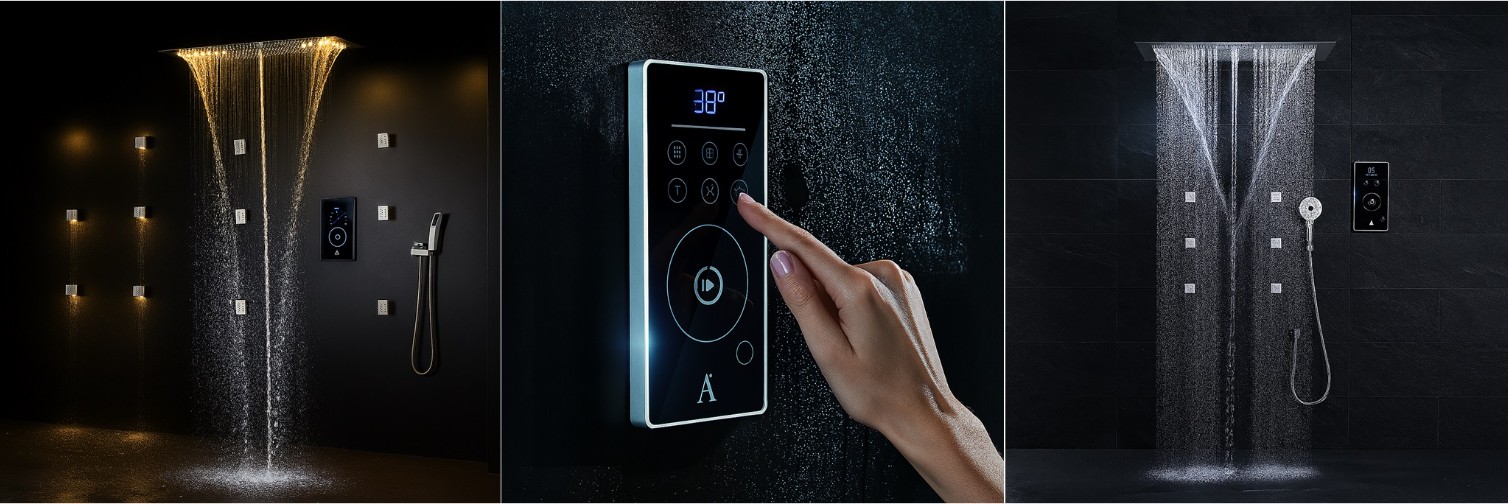
💡Does Lower Flow Rate Mean Better/h2
While reduced flow rates do encourage conservation, caution must be exercised to ensure that the flow rate is appropriate for the application. Too much restriction can deter use, particularly in commercial food preparation environments or high-use applications. Smart flow control is the optimal solution, with sensor faucets and thermostatic mixing valves dynamically controlling flow to provide peak performance and savings.
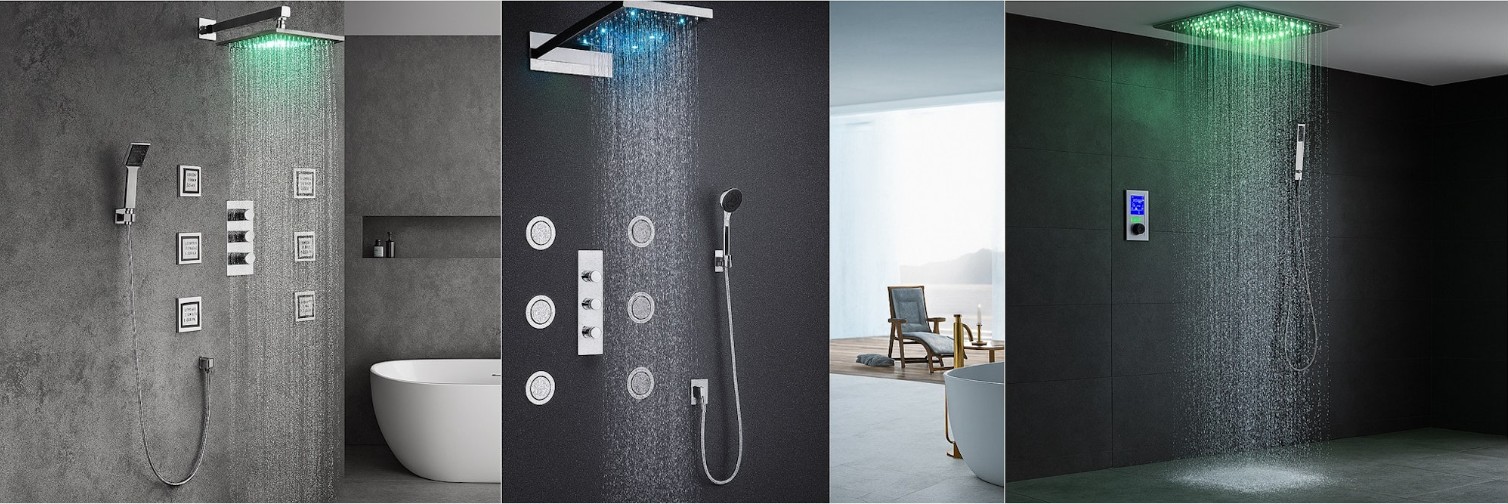
Low Flow Bathroom Faucets for Water Conservation
Save water effectively
Faucets save water so that residential and business customers can save water without any compromise on performance or customer comfort.
Advantages of Lower Flow Rate in Plumbing Systems
Efficiency in flow is paramount
Emphasizes the aspect that lower flow rate translates to significant water and energy savings for commercial and residential plumbing systems.
Savings in Energy with Low Flow Shower Heads
Less water, less bill
Describes how limiting shower water flow saves energy by necessitating less hot water heating, lowering utility bills.
Water Conservation Fixtures for Green Buildings
Saves resources at build-out
Defines green shower heads and faucets that comply with green building standards using water and energy conservation.
How Flow Rate Affects Water Heating Energy Cost
Energy connections to water usage
Examines the direct correlation between energy expense and water consumption, specifically the expense of heating large quantities of water.
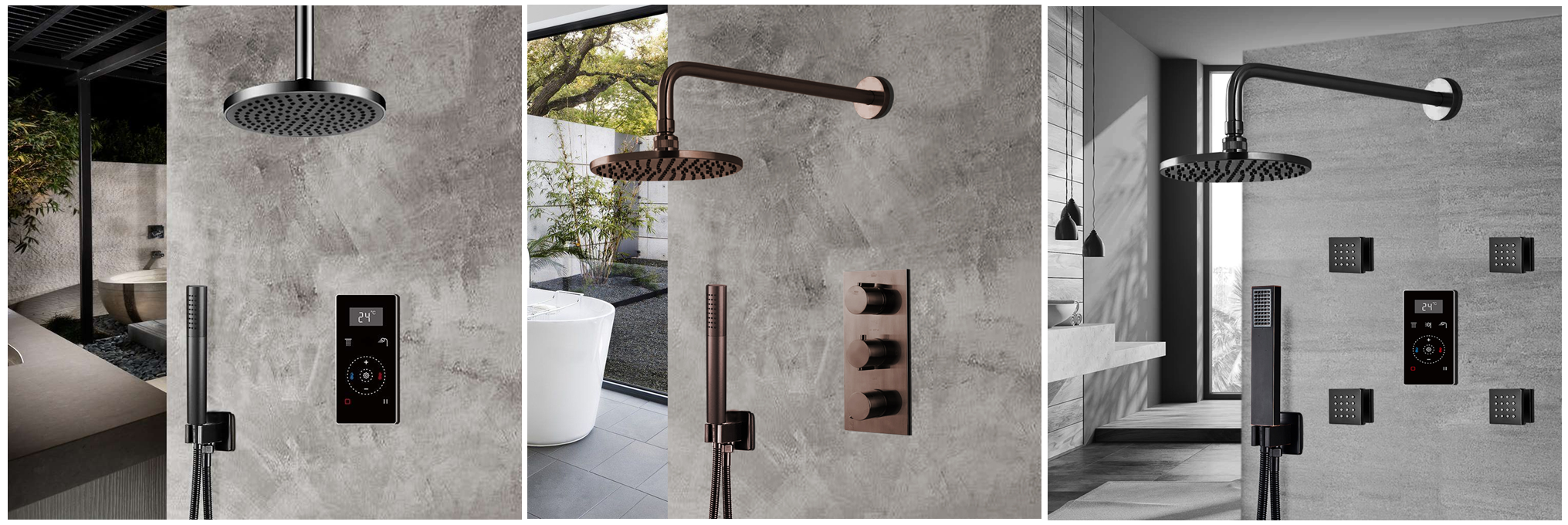
Commercial Low Flow Sensor Faucets for Restrooms
Hygiene and savings under one roof
Touchless, low-flow faucets engineered to maximize hygiene while saving water on busy commercial or institutional restroom settings.
EPA WaterSense Certified Low Flow Fixtures
Trust in standards
Products proven to meet EPA standards for water efficiency, so users can save water without sacrificing performance.
Faucet Flow Rate Effect on Energy Efficiency
Plumbing design and energy
Explains the effect of faucet flow rates on water heater loads, lowering hot water supply system energy demands.
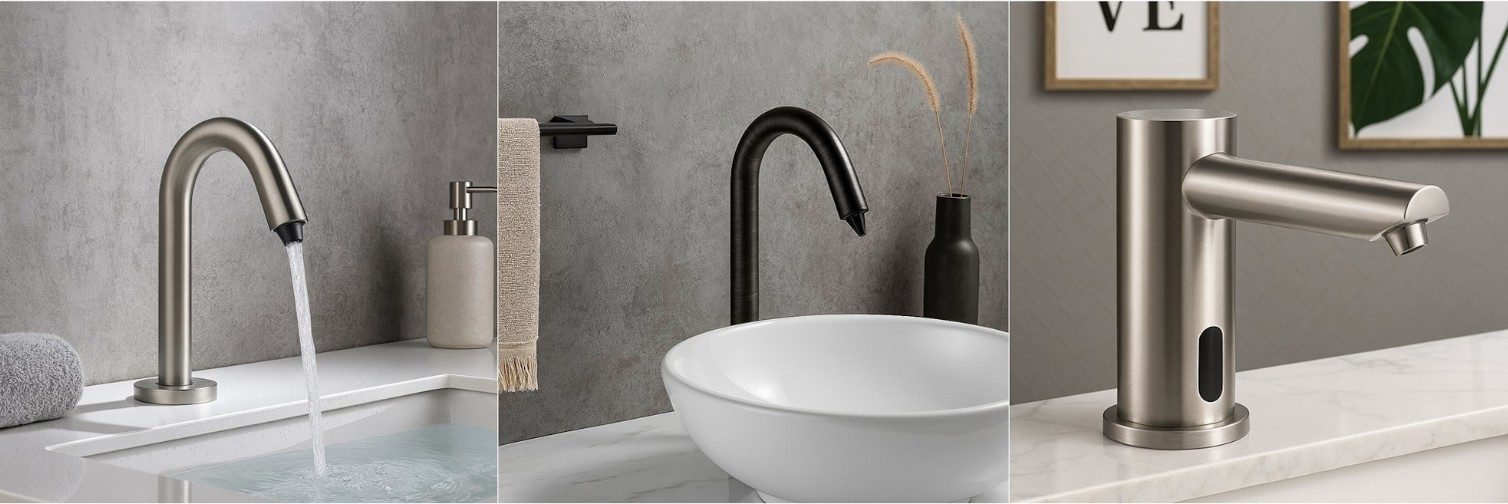
Green Building Code for Low Flow Plumbing Fixtures
LEED & Title 20 compliant
LEED or Title 20 codes that call for low-flow fixtures in new commercial and residential buildings.
How to Select the Proper Flow Rate for Your Faucet
Find your flow sweet spot
Directs customers to choose faucets according to use requirements, satisfying comfort, water efficiency, and code compliance.
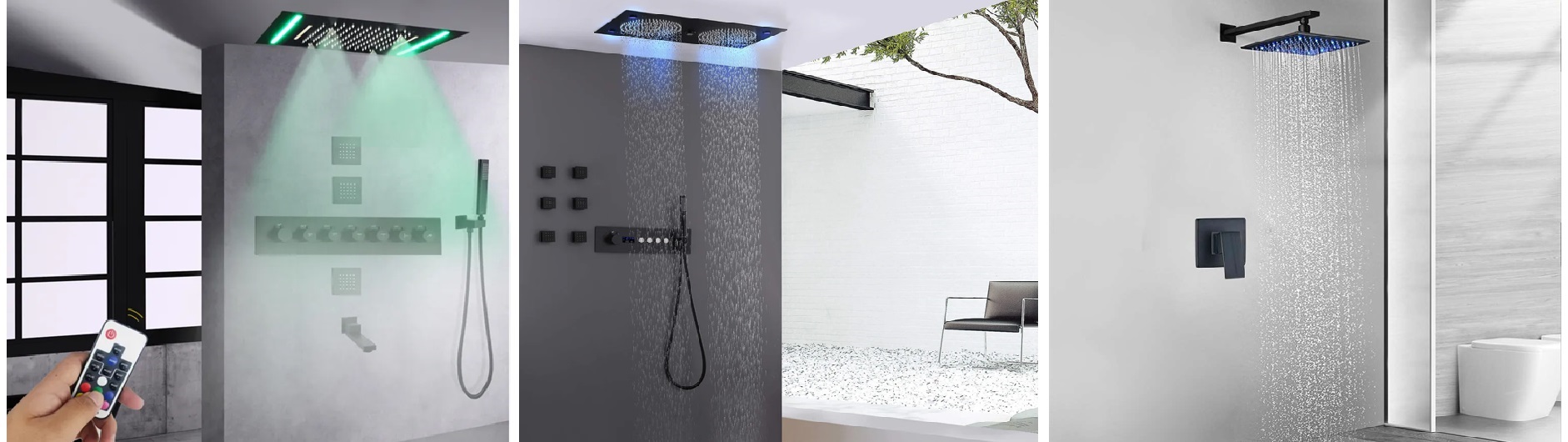
Water Efficiency Standards for Public Restrooms
Codes and compliance
Responds to calls for flow limits in public facilities to limit wastage and meet environment and public health codes.
Flow Rate and Utility Savings in Schools and Hospitals
Institutional water savings
Studies how institutions save on water bills and become more sustainable using efficient fittings and regulated flow rates.
Smart Faucets with Intelligent Flow Control Systems
Smarter water delivery
Automatically modulating water discharge systems, tuning for optimal use and wastage saving in commercial spaces.
Commercial Plumbing Solutions with Energy Efficiency
Waste of energy saved on a larger scale
Energy and water conserving pipe design by using optimized flow rate, particularly applicable to large-scale or multi-users buildings.
Low Flow Aerators for Faucets and Showers
Retrofits for efficiency
ubminiature restrictors saving the flow with high pressure, particularly suited for retrofitting current fittings to be energy-efficient.
Saving Hot Water Use in Commercial Kitchens
Reduce heat demand
Explains how flow control minimizes the load on hot water systems and saves energy in high-use situations such as restaurants and hotels.
How to Calculate Faucet Flow Rate Manually
Know your numbers
Walks users through measuring GPM or LPM with stopwatch and container, to test or troubleshoot water-saving performance.
Flow Rate vs Water Pressure Differences Defined
Clarifies common misunderstanding
Explains difference between water being supplied in terms of quantity and pressure at which it is being supplied—usually confused.
Cost Savings Calculator for Low Flow Fixtures
Compute savings before time
Products that calculate water and energy cost savings on conversion to efficient, low flow fixtures.
Best Touchless Faucets with Low Flow for Bathrooms
Best for public use
Lists top-rated sensor faucets that feature automatic function combined with water-saving technology, perfect for offices, malls, and airports.
Frequently Asked Questions
Water Flow Showerhead
Expert Advice!
FAQ Pros and Cons Flow Rate
What is a showerhead flow rate?
The flow rate is how much water the showerhead emits, usually in gallons per minute (GPM)
Read More
What is the standard flow rate for showerheads in the U.S.?
The U.S. federal showerhead flow rate requirement is 2.5 GPM
Read More
May I have an increased flow rate on my showerhead?
Most showerheads do have a flow restrictor installed to meet regulation requirements, but modifying it so that it delivers a greater flow rate may be illegal and also wasteful
Read More
Why is the flow rate important?
It affects water conservation and energy consumption. Reduced rates of flow save water and energy in heating water
Read More
|





.jpg)