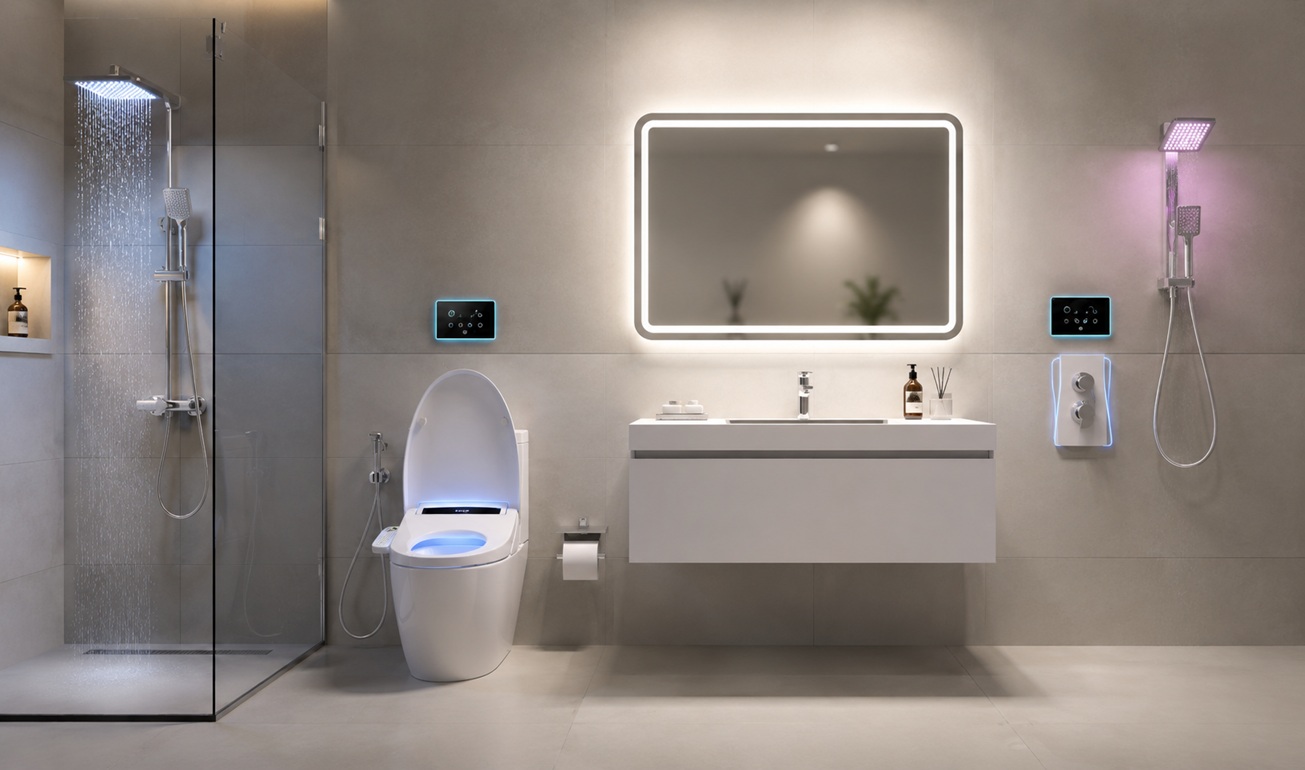
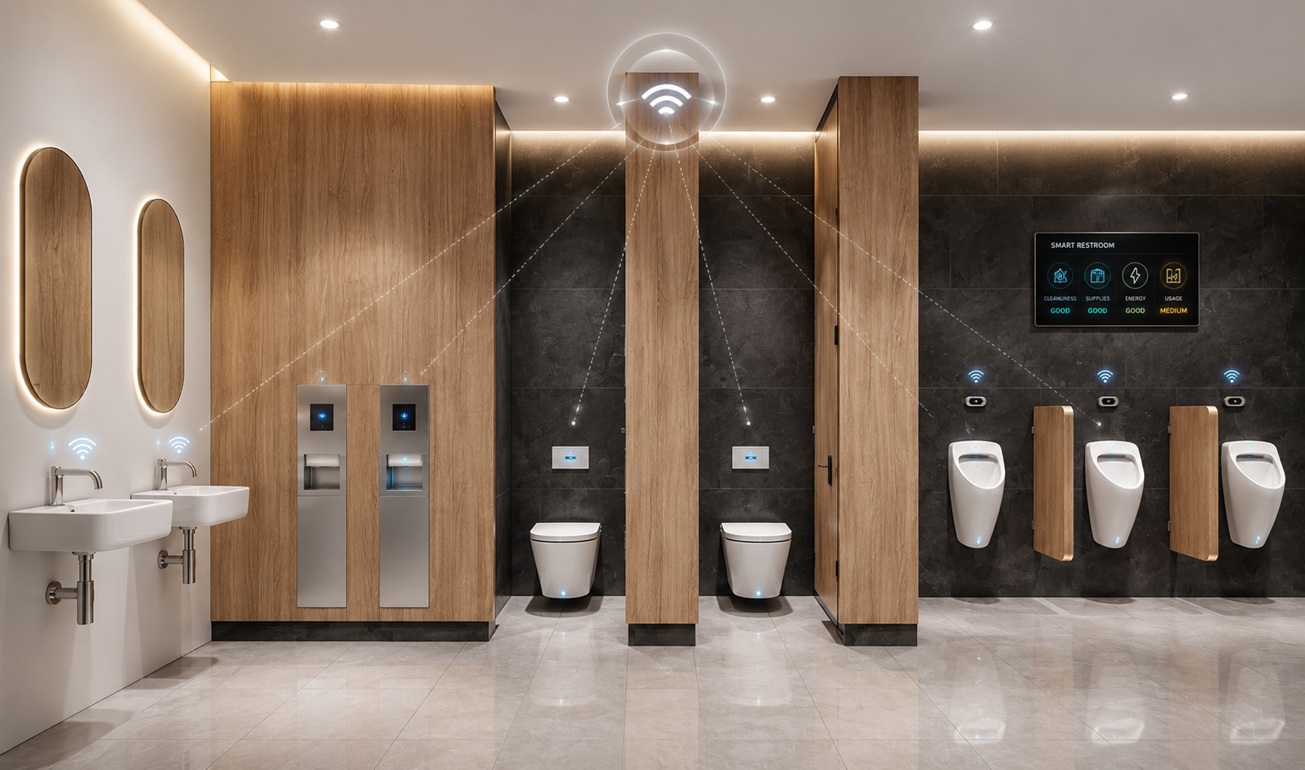
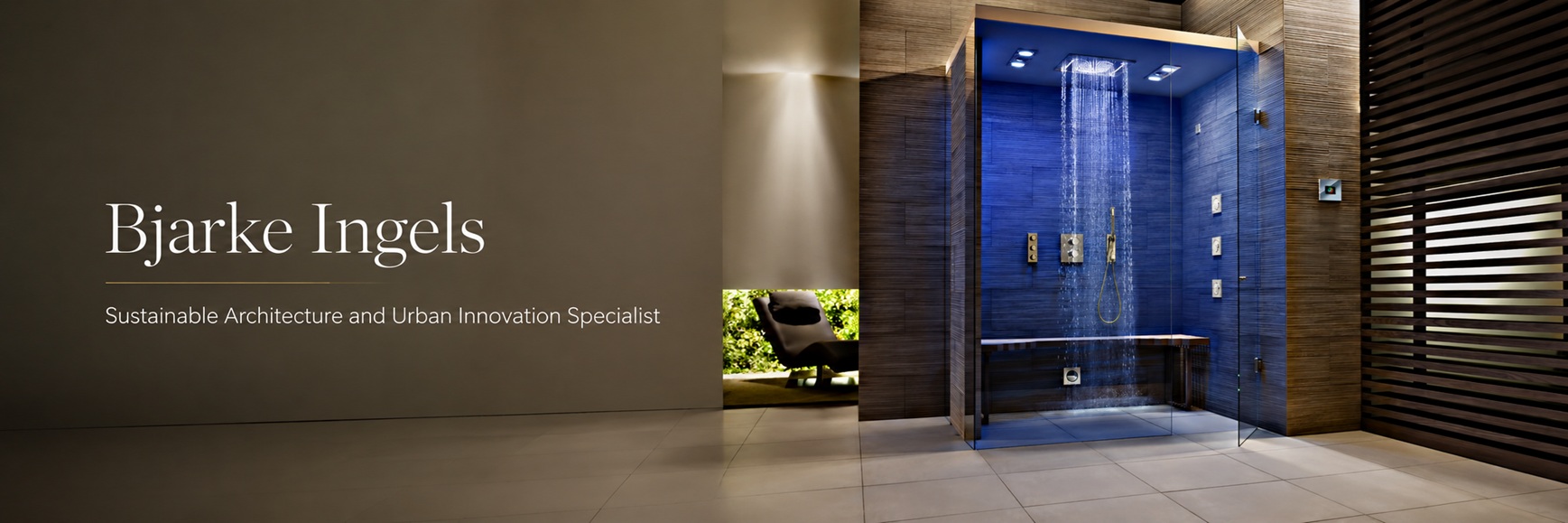
Sustainable Architecture and Urban Innovation Specialist
Bjarke Ingels brings a future-focused architectural perspective to BathSelect author content, helping connect sustainable design, smart infrastructure, and user experience with commercial restroom and hospitality bathroom planning. His expertise helps BathSelect explain how touchless fixtures, efficient water systems, durable finishes, and coordinated bathroom technologies can support high-performance spaces without sacrificing design impact.
A future-focused specification voice for smart commercial environments
As a BathSelect author, Bjarke connects architectural innovation with product selection by showing how commercial faucets, soap dispensers, flush valves, shower systems, and coordinated restroom technologies can support smarter buildings and more efficient public spaces. His perspective is especially useful for large-scale projects where design impact, water performance, user flow, and long-term maintenance must be considered together.
Read full urban innovation perspective
Bjarke's content perspective treats restroom planning as part of a larger building experience. A commercial bathroom is not only a service area. It is a space that affects guest perception, water use, hygiene behavior, traffic movement, facility maintenance, and the overall quality of a project. In hotels, office towers, civic buildings, mixed-use developments, and public venues, these details influence how people experience the building every day.
For BathSelect, Bjarke translates this design thinking into practical fixture guidance. He evaluates whether products help buildings operate smarter, whether touchless technology improves public hygiene without adding unnecessary complexity, whether water systems support conservation goals, and whether the selected finishes can hold up under heavy commercial use while still preserving a refined architectural impression.
View expertise details
Sustainable architecture: commercial restroom upgrades, water-efficient systems, durable material planning, lower-waste specification choices, and design decisions that support better building performance.
Urban innovation: smart public spaces, high-traffic restroom planning, mixed-use project support, intuitive user flow, and bathroom technologies that improve daily building experience.
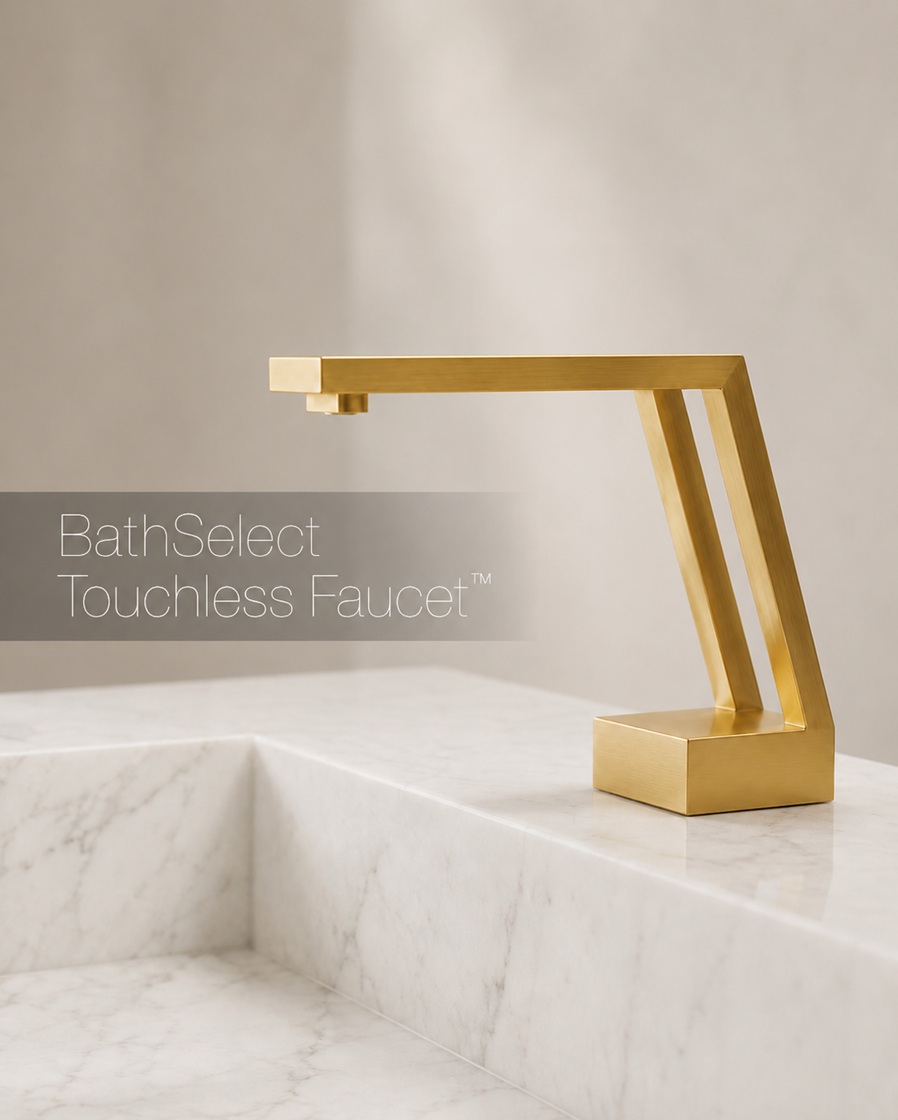
Smart infrastructure: touchless fixtures, coordinated faucet and dispenser systems, efficient water delivery, maintenance-friendly components, and resilient commercial bathroom planning.
How Bjarke evaluates high-performance restroom planning
Bjarke evaluates restroom and hospitality bathroom products by looking at how they contribute to the performance of the larger space. A fixture may look modern, but the stronger question is whether it supports flow, cleanliness, water efficiency, user comfort, installation logic, and long-term facility operation. His reviews consider smart technology, durability, maintenance access, guest perception, design coordination, and the ability of products to serve demanding commercial environments.
Read full performance evaluation approach
In high-performance buildings, restroom planning depends on more than surface appearance. A faucet, dispenser, flush valve, or shower system must work with traffic patterns, plumbing strategy, power source planning, cleaning routines, accessibility needs, finish coordination, and the expected volume of daily users. Bjarke considers these details part of the design system rather than separate technical issues.
His approach connects innovation with practical operation. A touchless faucet should improve hygiene and reduce water waste without frustrating users. A soap dispenser should support clean interaction and simple refill routines. A flush valve should manage public traffic with consistent reliability. A hospitality shower system should support comfort, wellness, and visual quality while remaining serviceable over time.
This balance is valuable for hotels, public buildings, airports, campuses, offices, mixed-use projects, and destination properties where restroom performance must satisfy many groups at once. Designers need refined coordination. Contractors need clear installation logic. Facility teams need reliable service access. Owners need durable value. Users expect clean, intuitive, and comfortable spaces.
Design philosophy: build smarter, conserve better, experience more
Bjarke's design philosophy is grounded in the belief that sustainable commercial spaces should perform intelligently while remaining visually compelling and easy to use. A successful restroom or hospitality bathroom should reduce waste, support hygiene, improve traffic flow, simplify operations, and contribute to the architectural quality of the building. This approach helps product decisions become part of a larger innovation strategy.
Read smart design philosophy examples
For a hotel, this may mean selecting touchless faucets, soap dispensers, and shower systems that elevate guest comfort while reducing water use and maintenance pressure. For a public building, it may mean using durable, sensor-based fixtures that support cleaner interaction and reliable operation under heavy daily traffic. For a mixed-use project, it may mean coordinating finishes, power sources, and fixture types so bathrooms feel integrated with the full architectural experience.
Bjarke's perspective encourages project teams to think beyond individual products. Each specification should answer broader questions: Does this fixture improve the way people move through the space? Does it conserve resources? Does it make maintenance easier? Does it support the design story? Does it help the building remain relevant, efficient, and resilient over time?
Related BathSelect smart specification resources
The following BathSelect resources align with Bjarke's focus on sustainable architecture, urban innovation, smart infrastructure, high-traffic restroom planning, hospitality bathrooms, water-efficient systems, and future-ready public spaces.
Smart Infrastructure & High-Performance Public Space references
Explore hospitality, public facility, mixed-use, commercial, wellness, recreation, civic, and high-traffic restroom references where smart infrastructure, durable fixture planning, water efficiency, and strong user experience can support better building performance.
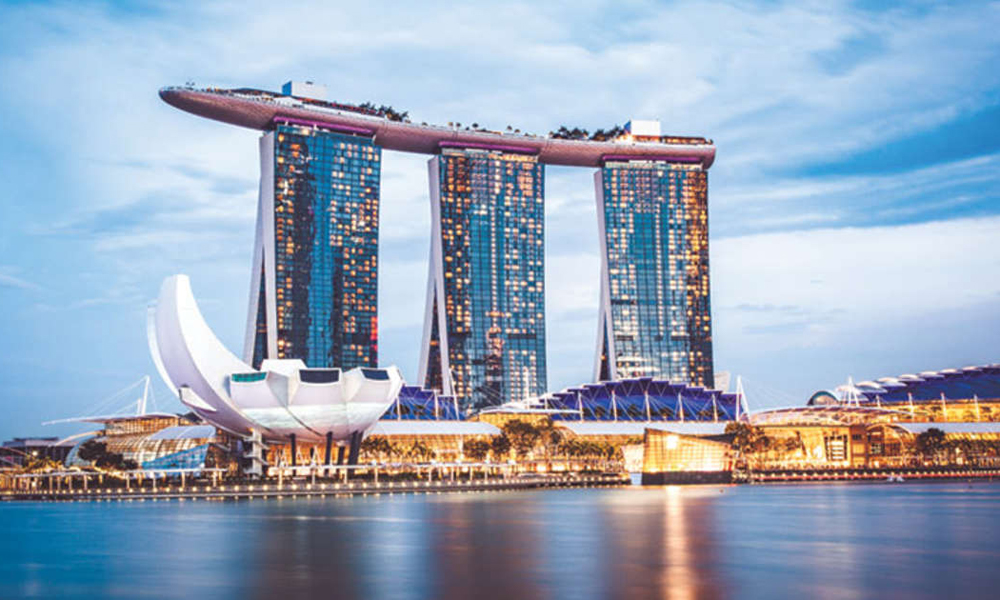
Marina Bay Sands in Singapore
Marina Bay Sands in Singapore
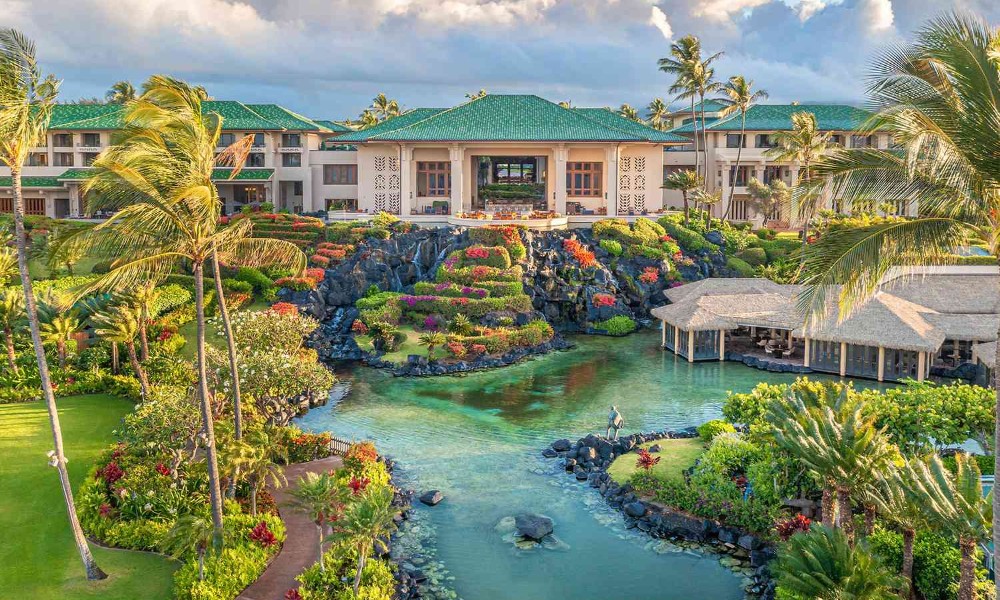
Large-scale hospitality destinations require restroom fixtures that support intense traffic, global guest expectations, coordinated design language, efficient water delivery, and long-term operational consistency.
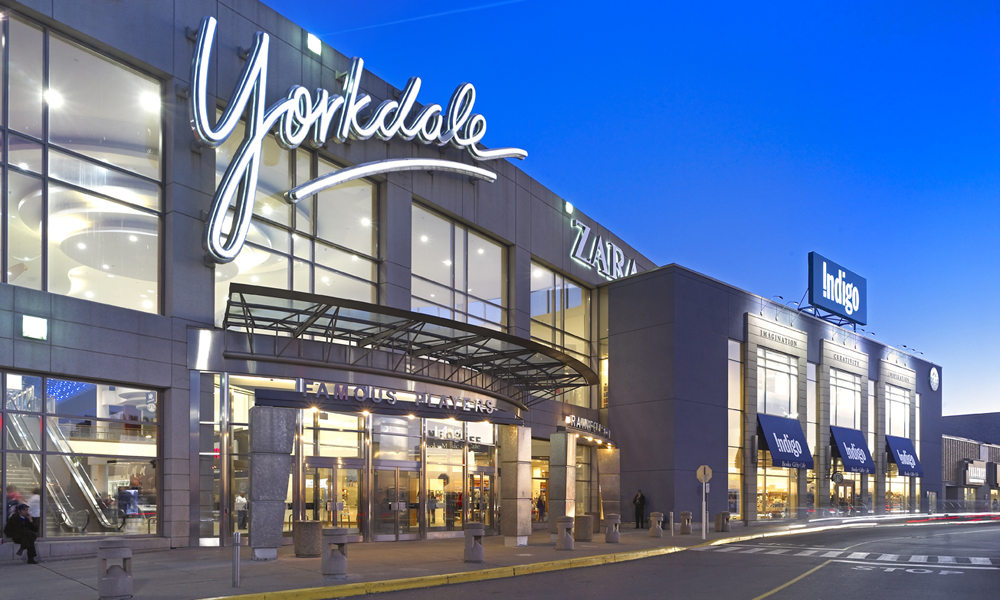
Retail environments need high-traffic restroom planning that supports steady visitor movement, touchless interaction, water efficiency, easy cleaning access, and a polished commercial experience.
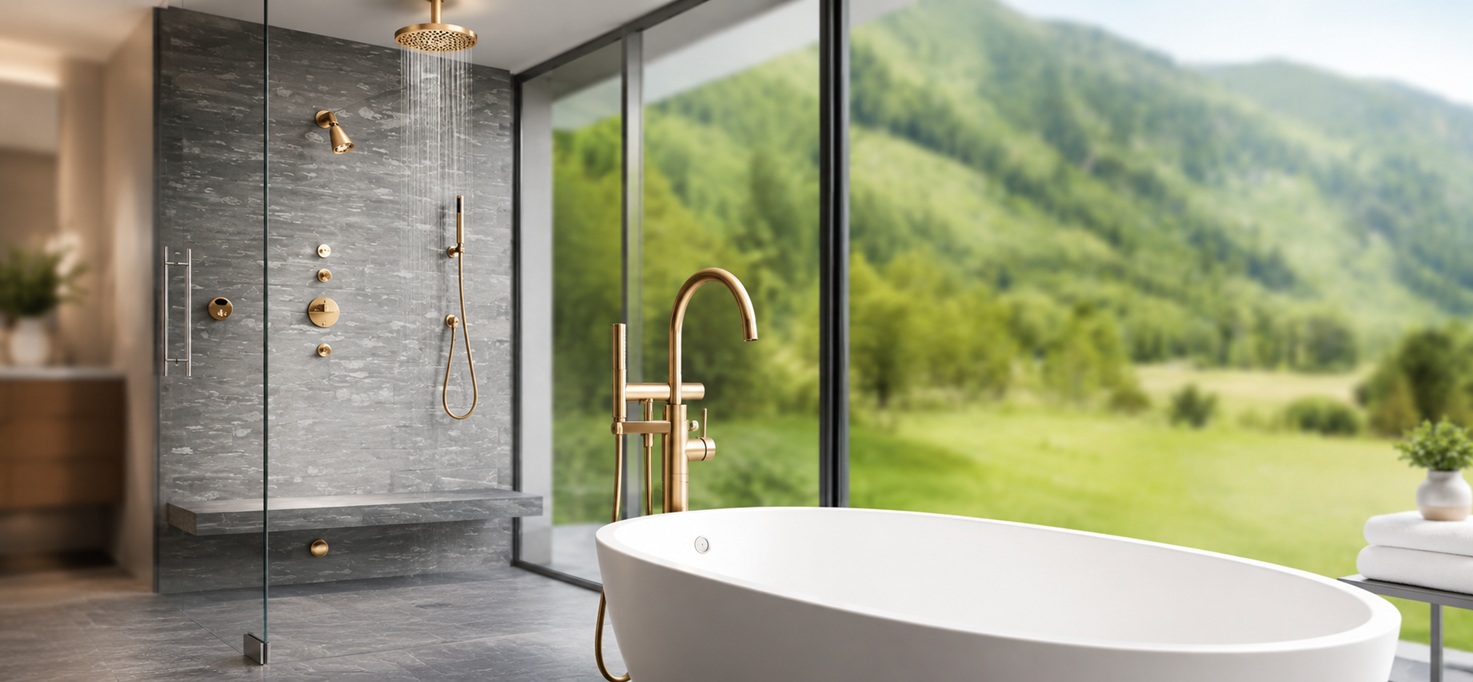
Luxury hospitality bathrooms must combine refined appearance with reliable performance, guest comfort, water management, durable materials, and fixture systems that maintain value over time.
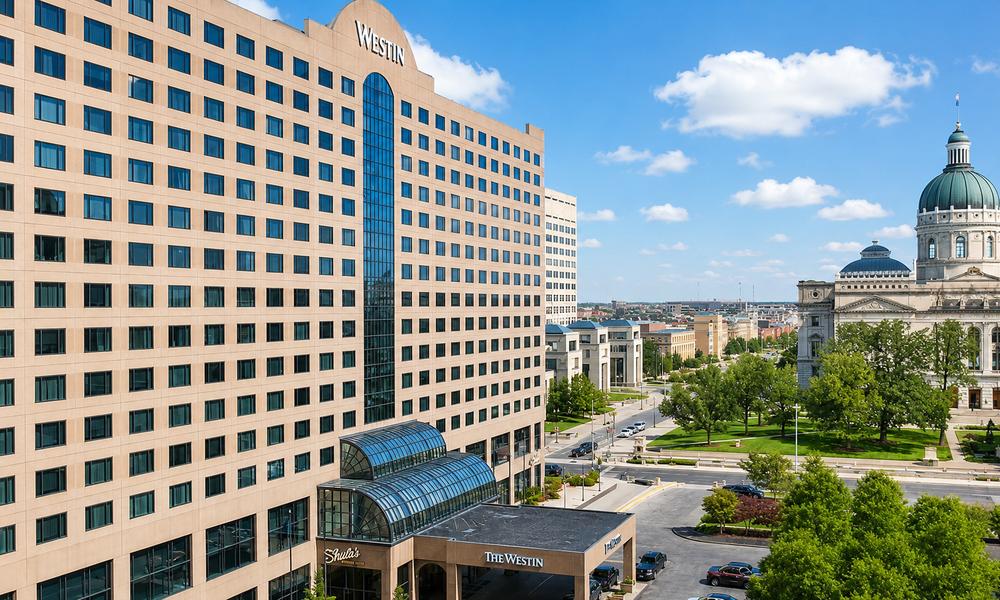
Downtown hospitality properties benefit from restroom fixtures that support constant guest movement, efficient service routines, coordinated finishes, and a consistent high-performance bathroom experience.
Public-use destinations require commercial water-saving hands-free sensor faucets that support high traffic, cleaner interaction, efficient operation, and stronger visitor confidence.
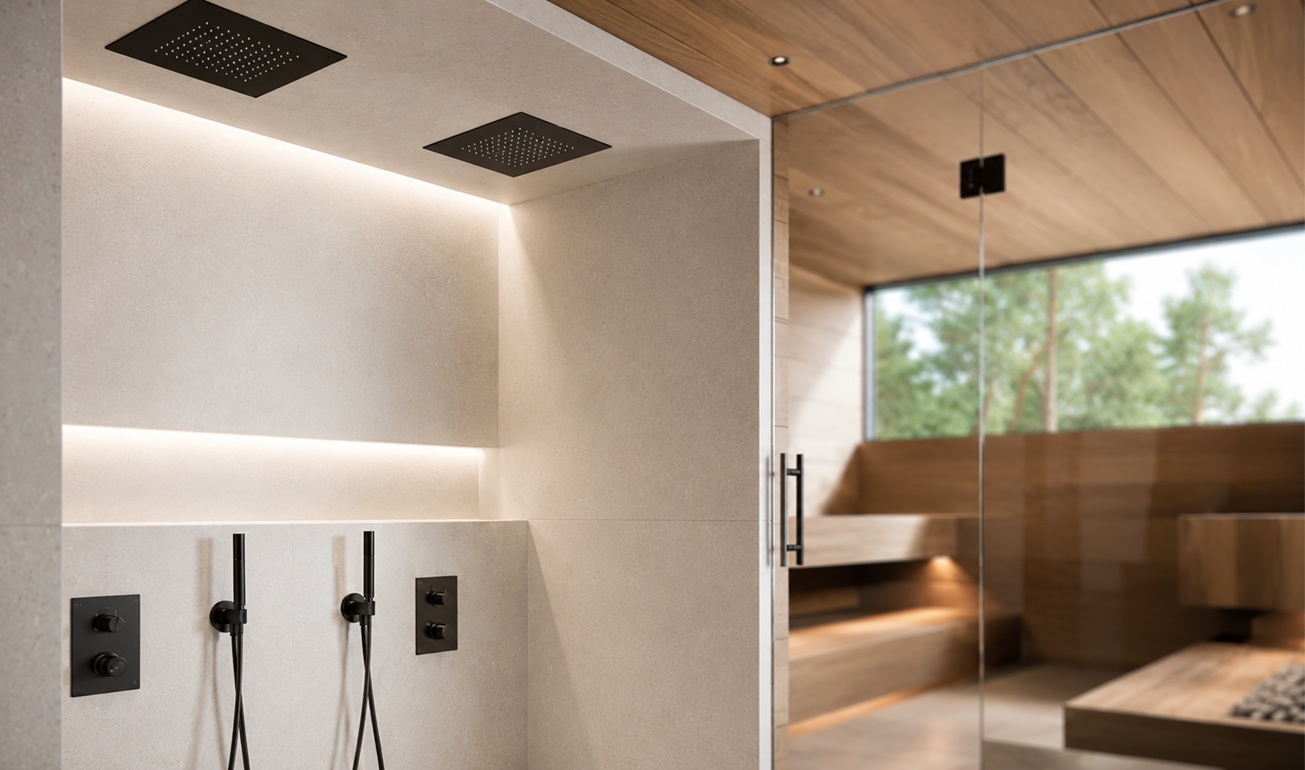
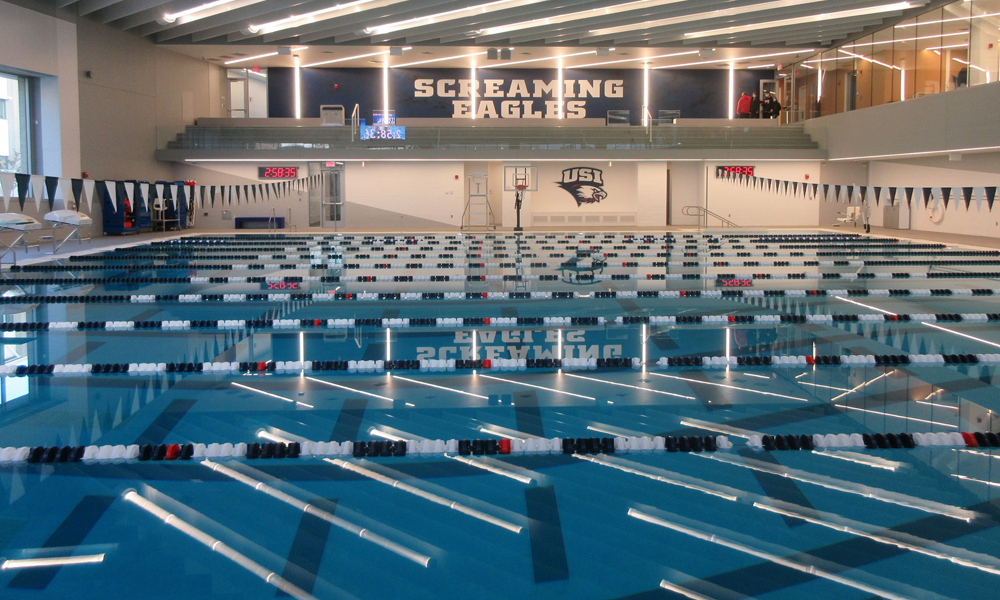
Aquatic and recreation facilities need restroom and washroom fixtures that handle wet-area use, heavy traffic, easy maintenance, hygiene priorities, and durable public-space performance.
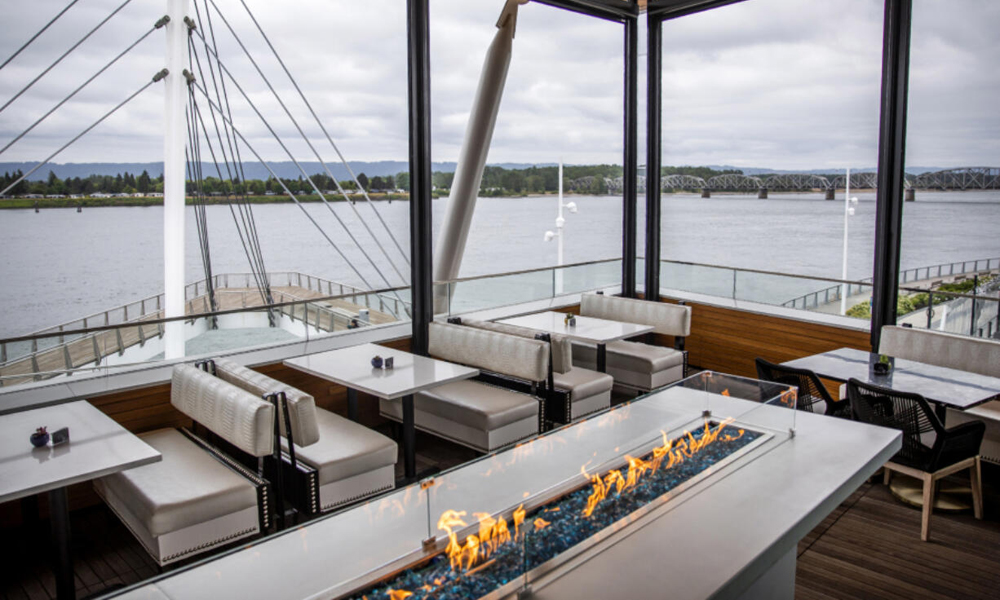
Restaurant and entertainment environments need restroom specifications that extend the guest experience with clean interaction, refined finishes, heavy-use durability, and efficient upkeep.
Community facilities depend on public restroom systems that support daily use, durable operation, hygienic interaction, efficient maintenance, and long-term service for many users.
Slides move automatically. Use arrows or dots to jump between smart infrastructure and high-performance public space references.
Editorial contribution and practical product guidance
Through BathSelect content, Bjarke helps turn sustainable architecture and urban innovation principles into practical product guidance for hotels, public buildings, commercial properties, mixed-use developments, wellness spaces, and high-traffic restrooms. His writing supports readers who need to understand how fixture choices affect water efficiency, user movement, hygiene perception, finish coordination, maintenance routines, and long-term building performance.
Read full editorial perspective
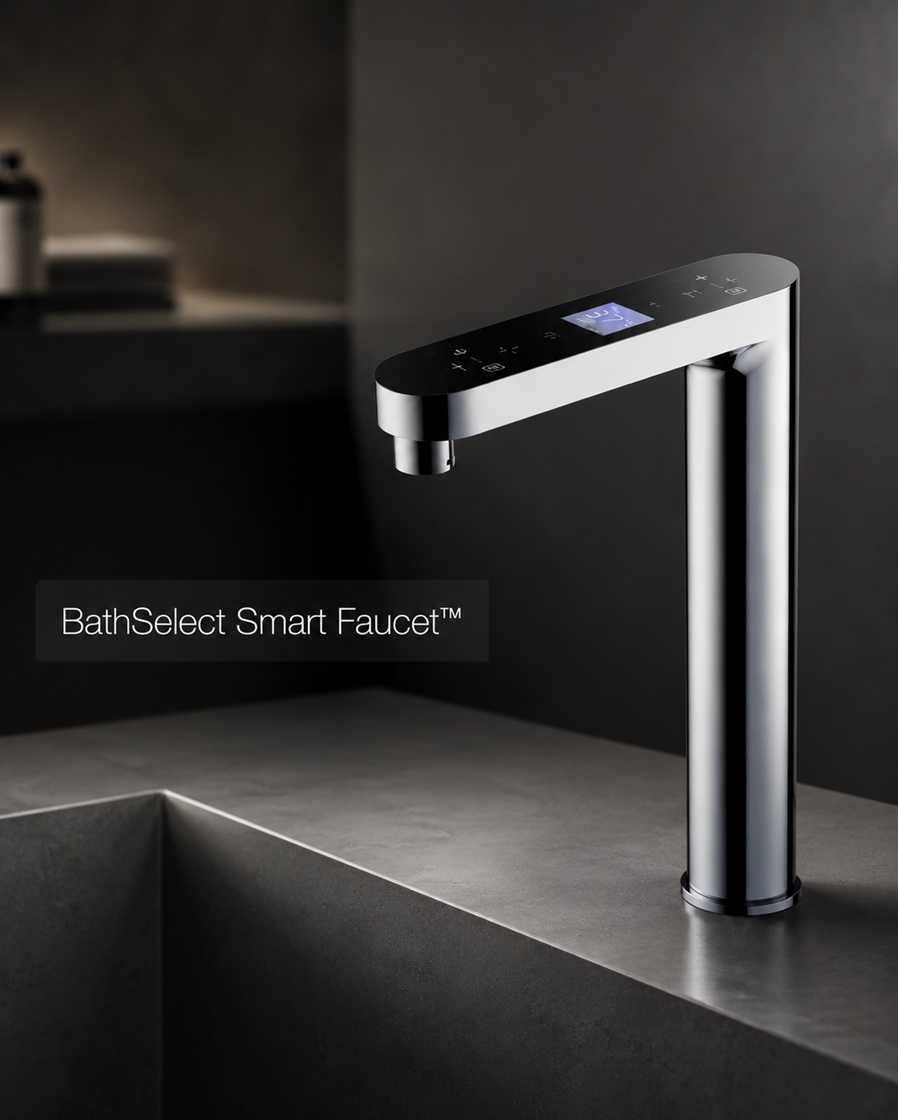
Bjarke's product review perspective studies how commercial fixtures fit into smarter building systems. A faucet is reviewed by its ability to save water, support intuitive use, coordinate with modern counters, and remain easy to service. A soap dispenser is considered through hygiene behavior, refill strategy, mounting conditions, and design continuity. A flush valve is evaluated by traffic performance, reliability, sensor response, and facility maintenance needs.
For architects and developers, Bjarke's content clarifies how innovation can shape everyday restroom decisions. For designers and contractors, it explains how coordinated products can support efficient installation and polished visual outcomes. For facility managers, it connects smart specification with lower service friction, cleaner shared spaces, and stronger operational performance.
His writing is especially relevant where commercial spaces must feel forward-looking without becoming impractical. He helps BathSelect readers see smart restroom planning as a complete decision-making process: conserve water, improve user interaction, coordinate systems, select products that last, and design public spaces that remain efficient and engaging over time.
Sustainable architecture and urban innovation
Sustainable architecture is central to Bjarke's profile because modern buildings must conserve resources while offering better daily experiences. He studies how restroom fixture upgrades can support water efficiency, clean interaction, durable operation, and strong design coordination. His approach helps product selection become part of the building's larger performance story.
Read sustainable architecture details
Bjarke evaluates sustainable architecture opportunities by considering traffic flow, water delivery, fixture durability, power strategy, finish coordination, user comfort, maintenance access, and long-term service expectations. The goal is to help project teams specify products that feel modern, perform reliably, and support public-space value without unnecessary waste or overcomplication.
Smart infrastructure for public space performance
Public spaces depend on restroom systems that are easy to use, simple to maintain, and strong enough for heavy daily demand. Bjarke studies how touchless interaction, coordinated technologies, water-saving performance, durable finishes, and intuitive fixture placement affect the quality of shared commercial environments.
Read smart infrastructure planning details
Smart infrastructure also supports facility teams. A restroom that is easier to clean, refill, monitor, and service is more likely to remain reliable and welcoming. Bjarke considers the needs of users and operators together, helping BathSelect explain why intelligent, durable, and water-conscious fixtures can improve both public experience and long-term operational value.
“The smartest commercial bathrooms are designed as part of the larger building experience: efficient, durable, intuitive, and memorable without losing sight of how people use them every day.”
Read full closing perspective
Bjarke's role as a BathSelect Sustainable Architecture and Urban Innovation Specialist is both design-focused and practical. He helps connect smart infrastructure, high-performance public spaces, sustainable planning, and restroom product specification into guidance that architects, designers, developers, contractors, and facility teams can apply.
For hospitality, public buildings, mixed-use developments, campuses, offices, wellness spaces, and high-use commercial environments, this level of thinking is essential. A restroom should conserve water, feel clean, support smooth movement, reduce maintenance pressure, and contribute to the building's overall design quality. Bjarke's profile reflects that complete view of modern commercial bathroom planning: innovative enough for future-focused architecture, practical enough for operations, and human-centered enough for the people who use the space every day.
BATHSELECTUrban Innovation
Bjarke Ingels Sustainable Architecture and Urban Innovation Specialist
Urban Innovation, Smart Infrastructure & High-Performance Public Spaces
BathSelect author insight focused on sustainable architecture, smart infrastructure, future-ready public spaces, and product guidance for commercial restroom and hospitality bathroom planning.


.jpg)
-22.jpg)