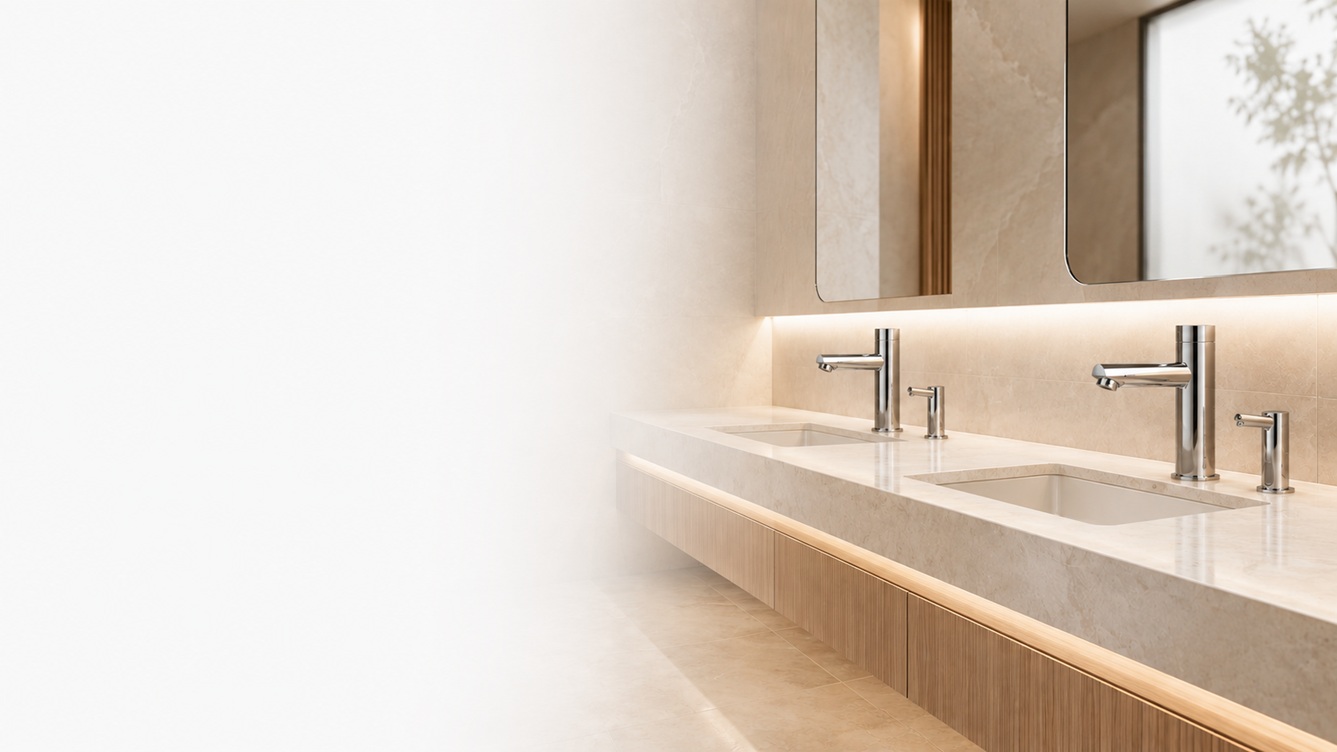
BathSelect Healthful Bathroom Designer
Designing a wellness bathroom is not just about luxurious finishes, spa-inspired styling or decorative bathroom planning. The wellness bathroom has become a collaborative performance space for architects, engineers, contractors, facilities managers, hospitality designers, healthcare planners and building owners. It must support hygiene, access, water efficiency, user comfort, material durability, easy maintenance and long term operational value. Within that framework, BathSelect Wellness Bathroom Design is a specification-oriented approach to designing bathrooms that perform well in commercial, hospitality, institutional, healthcare and high-use environments.
Read MoreShow Less
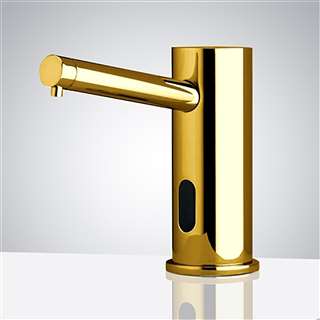
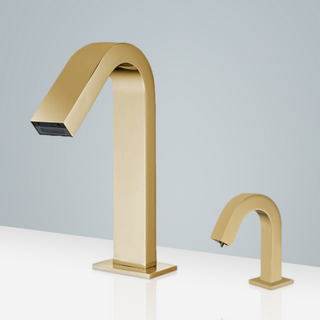
Wellness bathrooms can be successful if they have measurable design criteria. The AEC team should consider fixture activation, reach range, water delivery, temperature control, basin geometry, splash behaviour, power access, serviceability, finish resilience, and user flow. This is where BathSelect commercial sensor faucet specifications, touchless faucet and soap dispenser coordination, ADA commercial bathroom faucets, automatic sensor showers and designer shower sets become part of a whole wellness bathroom strategy rather than just isolated product selections.
Related BathSelect references:
Specifications of commercial sensor faucets:
https://www.bathselect.com/commercial-sensor-faucets-c/158.html
Systems for touchless faucets and soap dispensers:
https://www.bathselect.com/Bathroom-Touchless-Faucets-and-Touchless-Soap-Dispensers-s/1588.htm
Automatic shower systems with sensor:
https://www.bathselect.com/Commercial-Automatic-Sensor-Showers-c/162.htm
ADA Commercial Bath Faucets:
https://www.bathselect.com/ADA-Commercial-Bathroom-Faucets-s/219.htm
Wellness bathroom designer shower set:
https://www.bathselect.com/Designer-Shower-Sets-s/60.htm
Wellness Bathrooms as a Building Performance Asset
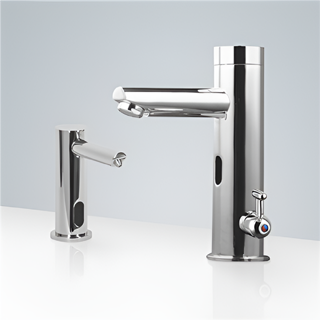
In AEC practice, the bathroom should be seen as a building performance asset. Whether it is a lavatory in a hotel, airport, workplace, university, spa, healthcare facility, restaurant, retail property, or mixed-use development, it influences how occupants assess cleanliness, safety, comfort, and quality. A poorly planned loo can create problems of maintenance, waste of water, frustration for the user and a negative perception of the brand. “A well-designed wellness bathroom can support a health-conscious design, operational efficiency and a better user experience.”
Read MoreShow Less
Touchless fixtures are especially germane to this discussion, as they minimise unnecessary contact points, improve the odds of consistent handwashing behaviour, and allow water use to be controlled by automatic activation and shutoff. Hands-free bathroom fixtures can also help with circulation in high traffic areas. Users spend less time touching handles, adjusting flow or manually reactivating water. This assistance to facilities teams with the flow of restrooms, perceived cleanliness and cleaning routines.
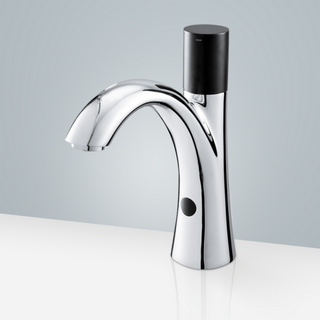
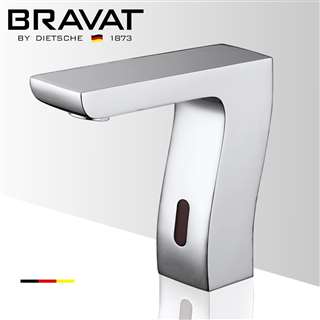
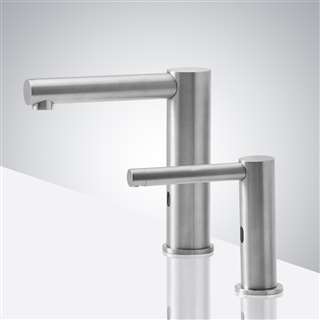
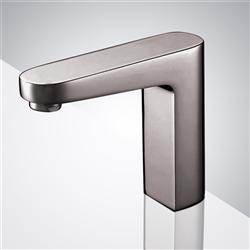
When considering motion automatic electronic sensor touchless bath faucets, specifiers should consider detection range, power type, vandal resistance, aerator serviceability, battery or hardwire access, water pressure compatibility and basin alignment. These are not cosmetic choices. These affect commissioning, maintenance, user satisfaction and long term fixture performance.
Technical Design Priorities for the AEC Teams
The best wellness bathrooms are designed when architecture, plumbing engineering, interior design, construction and facilities operations are working together early. We need to study the lavatory area carefully. The height of the sink. The position of the mirror. The position of the soap dispenser. The position of the hand dryer or towel dispenser. The lighting. The height of the backsplash. The depth of the basin. How far the fixtures protrude.
Read MoreShow Less
Sensor taps must match the geometry of the basin to prevent splash and false activation. Soap dispensers should be positioned to prevent users from dripping soap on counters or floors. Shower systems should be checked for pressure balance, temperature control, accessibility, user comfort, maintenance access and finish compatibility. In large projects, using the same fixture standards repeatedly can make replacement parts, cleaning, and maintenance training easier.
Accessibility is a key factor in designing a wellness bathroom. Reach, knee clearance, pipe protection, clear floor space and accessible user planning. ADA 2010 Standards for Accessible Design and ADA lavatory and washbasin guidance are important references. A bathroom is not wellness-oriented if it only serves a narrow group of users. It needs to be usable by people of different ages, body types, mobility statuses and physical capabilities.
Important accessibility reference:
2010 ADA Standards for Accessible Design:
ADA lavatory and washbasin guidance: https://www.access-board.gov/ada/guides/chapter-6-lavs-sinks/ Water Efficiency and Sustainability
Water Efficiency and Sustainability
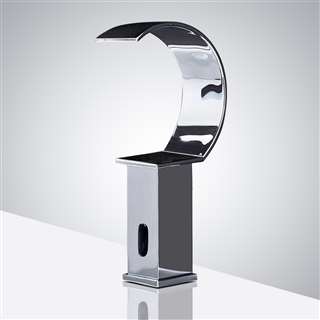
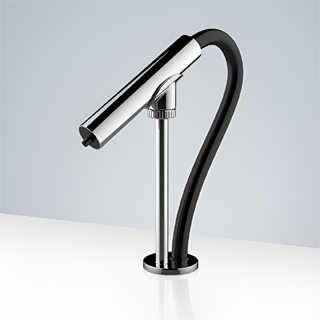
Water efficiency is another critical ingredient in the BathSelect Wellness Bathroom Design. Flow rate, activation cycle, aerator performance, user behaviour, maintenance reliability and the building’s wider sustainability goals should be considered by the AEC teams. A touchless tap with automatic shut off can help control unnecessary runtime, especially in public restrooms where people may leave manual fixtures running or use more water than necessary while washing their hands.
Read MoreShow Less
A useful reference for commercial and institutional facilities looking to evaluate water-use reduction is the U.S. EPA WaterSense at Work tap guidance. Projects with green-building goals may also align bathroom fixture decisions with LEED indoor water use reduction strategies, WELL design principles and owner ESG goals.
Helpful technical references:
EPA WaterSense Faucet guidance at Work:
LEED reducing indoor water use:
https://www.usgbc.org/node/2751480 WELL Building Code:
https://standard.wellcertified.com/ Safety and Plumbing Compliance
Safety and Plumbing Compliance
In designing a wellness bathroom, one should also take into consideration the quality of materials used as well as the safety of the plumbing. Plumbing supply fittings are typically specified to ASME A112.18.1/CSA B125.1, drinking water system components to NSF/ANSI/CAN 61, and lead content requirements to NSF/ANSI/CAN 372. These references help steer responsible evaluation of fixtures in commercial and public environments.
Read MoreShow Less
Compliance-related references:
Plumbing Supply Fittings ASME A112.18.1/CSA B125.1
https://www.asme.org/codes-standards/find-codes-standards/plumbing-supply-fittings-with-10-18-errata
NSF/ANSI/CAN 61 drinking water ingredient criteria:
https://www.nsf.org/water-systems/nsf-ansi-can-61-testing-and-certification
NSF/ANSI/CAN 372 Lead Content Requirements
https://www.nsf.org/knowledge-library/nsf-ansi-can-372-technical-requirements
Wellness bathroom specification matrix, see table
| AEC Design Factor | Wellness Bathroom Target | Specification Reference |
|---|---|---|
| AEC Design Factor: Activation without touch | Wellness Bathroom Target: Minimise touch of shared surfaces and optimise hygiene flow | Specification Reference Coordination of sensor tap and soap dispenser |
| AEC Design Factor: Water management | Wellness Bathroom Goal: Cut unneeded runtime & support conservation goals | Specification Reference: EPA WaterSense & LEED indoor water use reduction. |
| AEC Design Factor: Easy Access | Wellness Bathroom Goal: Universal bathroom access | Reference: Planning for ADA lavatory and washbasin and reach-range |
| AEC Design Factor: Maintenance | Wellness Bathroom Objective: Reduce downtime and increase access to service | Specification Reference: Serviceable valves, replaceable aerators, sensors, cartridges and power modules |
| AEC Design Factor : Material Compliance | Wellness Bathroom Goal: Protect Potable Water Quality and Promote Responsible Fixture Selection | Specification Reference: ASME/CSA, NSF 61 and NSF 372 |
| AEC Design Factor: Comfort for the user | Wellness Bathroom Goal: Enhance perception of cleanliness, calm, and ease of use | Specification Reference: Basin shape, lighting, finish, acoustics, circulation |
Use this specification matrix for schematic design, design development, construction documentation and owner review. This allows the project team to evaluate wellness bathroom fixture packages using professional criteria, not just aesthetics or cost alone.
Bathroom Refurbishment Hospitality Wellness Case Reference
Take a hospitality renovation where guest bathrooms, lobby restrooms, spa changing rooms, restaurant washrooms and event-space restrooms are all being renovated under one brand standard. The design goal is more than just putting in attractive fixtures. ”The owner wants a cleaner guest experience, fewer maintenance complaints, better water control and a premium lavatory identity that supports wellness positioning.”
Read MoreShow Less
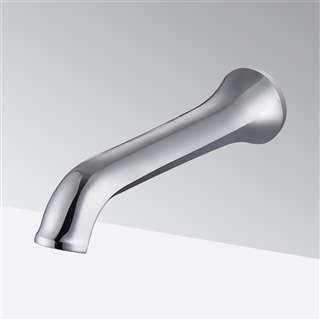
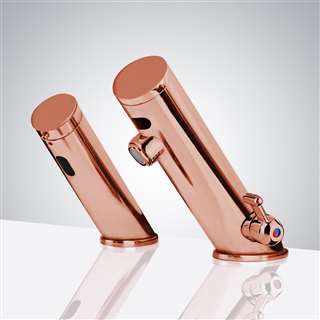
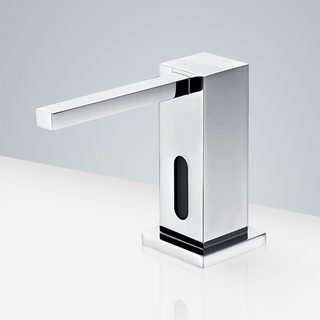
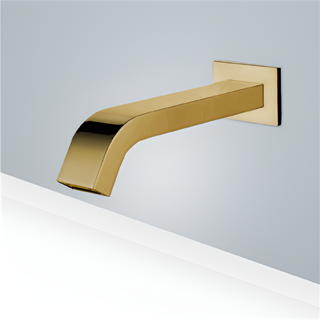
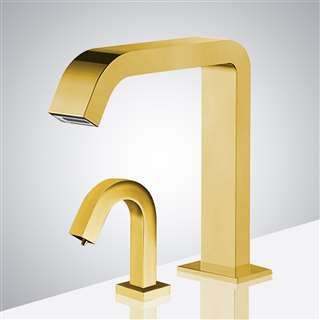
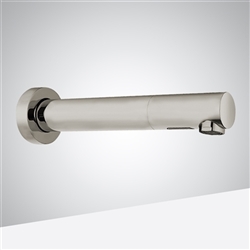
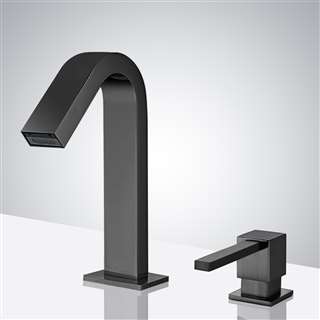
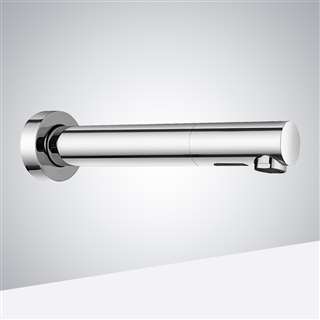
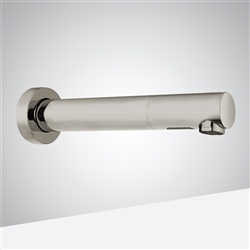
For a project like this, BathSelect-style fixture planning can begin with selecting wall mount touchless faucets for tight counters, touchless faucets for temperature control in comfort-sensitive spaces, coordinated automatic soap dispensers for visual consistency, and designer shower systems for high-end guest suites or spa facilities. Interior designers can coordinate finish families with tile, stone, lighting, mirrors, millwork and hardware. Plumbing engineers can verify water pressure, power access, mixing requirements, flow rates, drain coordination and maintenance clearances.
The result is a bathroom that becomes a wellness touchpoint. Guests feel the space is cleaner, more modern and more polished. Standardised components make life easier for facility teams and maintenance planning. Owners receive a lavatory environment that supports brand quality, water-conscious operation and long-term asset value.
Operations, Commissioning and Water Safety
In wellness bathroom design, building water management has to be looked at as well. Low use fixtures, intermittent occupancy and complex piping layouts can create operational challenges if fixtures are not properly commissioned and maintained. Facility managers can use the CDC Legionella control toolkit as a helpful resource when developing building water management programs.
Read MoreShow Less
CDC's Legionella Control Toolkit:
While the fixture is just one component of the plumbing ecosystem, specification decisions should facilitate flushing protocols, service access, predictable operation and maintenance documentation. Commissioning should include sensor calibration, flow verification, temperature verification, splash observation, power testing, leak testing, and re-testing in user cycles.
For larger facilities, documentation should include tap model, power type, battery replacement schedule if applicable, aerator type, solenoid access, finish care instructions, cleaning limitations, warranty notes and pathways for replacement parts. These details reduce down time and help to keep bathroom performance consistent after turnover.
BathSelect SEO & Authority Value
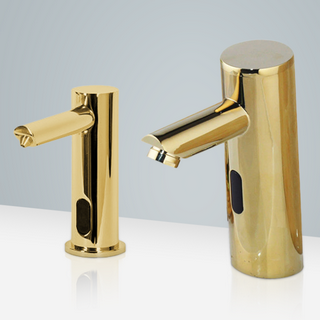
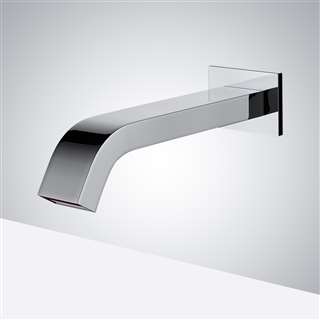
From an SEO/authority perspective, BathSelect Wellness Bathroom Design should connect product selection with professional design intent. Major keyword themes include commercial bathroom fixtures, high-traffic commercial sensor faucets, touchless faucet and soap dispenser systems, ADA commercial bathroom faucets, automatic sensor showers, designer shower sets, wellness bathroom specification, AEC restroom design, hospitality bathroom fixtures, healthcare restroom planning and water-efficient bathroom systems.
Read MoreShow Less
The best authority strategy is to avoid over-claiming. The goal is to link BathSelect product categories to the criteria already used by AEC readers: accessibility, hygiene, water efficiency, code awareness, finish durability, serviceability, maintenance planning and owner value. This makes the article indexable for search engines and also useful to architects, engineers, spec writers, contractors, designers, and facility managers.
Conclusion
Read MoreShow Less
BathSelect Wellness Bathroom Design is a no-nonsense approach to lavatory design where beauty, hygiene, access and building performance come together. Designers of AEC want to specify bathrooms that are visually elegant, functionally dependable, water efficient, universally accessible and serviceable for years of use.
When touchless faucets, automatic soap dispensers, sensor showers, accessible layouts, durable finishes and water-conscious engineering come together from the start, the bathroom is more than a fixture package. It’s a measurable wellness environment.
BathSelect can help with that. We provide design and construction teams with a focused platform to compare commercial sensor faucets, touchless soap systems, shower products, ADA bathroom fixtures, finish families and restroom solutions designed for high-use environments. “Today, wellness bathroom design is a core AEC responsibility in a market where occupants are increasingly evaluating buildings on cleanliness, comfort and operational quality.
Related Source Links for Wellness Bathroom Design, Touchless Fixtures, Plumbing Compliance, and AEC Restroom Specification
The following authority, standards, hospitality, facility-management, and product-specification sources support the article’s focus on wellness bathroom design, accessibility, hygiene, water efficiency, plumbing standards, shower-system safety, fixture documentation, building operations, and high-use restroom coordination.