WELL Wellness Bath - BathSelect
BathSelect WELL Bathroom Wellness takes a specification-based approach to the design of commercial bathrooms that focus on hygiene, water efficiency, accessibility, material safety, durability, and long-term maintenance planning. Today, the modern lavatory no longer is just a fixture room for architects, interior designers, plumbing engineers, facilities managers, owners and developers. It is a wellness-critical environment where public health, user comfort, maintenance access, operational cost and code coordination must all work together from schematic design through post-occupancy review.
Read MoreShow Less
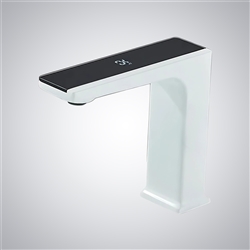
The foundation of a good WELL-aligned bathroom strategy is controlled touchpoints. BathSelect commercial touchless faucets and automatic soap dispensers allow restroom design that enables users to finish handwashing with fewer shared contact surfaces. This is important in airports, hotels, universities, healthcare facilities, restaurants, offices, mixed use developments and public facing institutional buildings where fixture interaction is repeated thousands of times a month.
Commercial Touchless Faucets & Automatic Soap Dispensers - BathSelect
https://www.bathselect.com/Bathroom-Touchless-Faucets-and-Touchless-Soap-Dispensers-s/1588.htm
Why WELL Bathroom Wellness is Important in AEC Specs
The WELL Building Standard has revolutionised the way professional design teams assess interior environments. Restrooms are no longer just evaluated on the number of fixtures, finish selections and meeting the minimum code requirements. These are considered as part of the overall wellness performance of the building. Access to handwashing, water quality, fixture usability, cleaning efficiency, soap availability, basin geometry, splash control, and maintenance planning all impact the way occupants experience the space.
Read MoreShow Less
For AEC teams, this means bathroom wellness shouldn’t be an afterthought. Document in plumbing basis of design, fixture schedule, finish schedule, accessibility review, water-efficiency narrative, and facility maintenance plan A WELL bathroom specification should ask, does the tap, basin, soap dispenser, mirror, counter, drainage, power source and maintenance access all work as one coordinated user system.
WELL Building Standard v2 AEC professional anchor: WELL Building Standard v2 wellness design strategies
BathSelect: The Wellness Restroom Specification Source
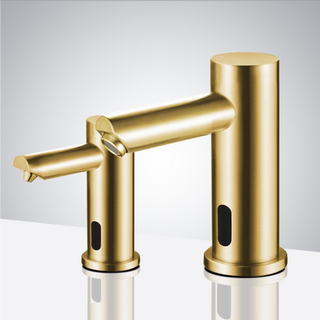
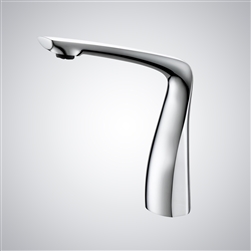
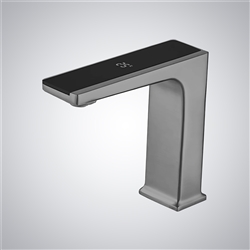
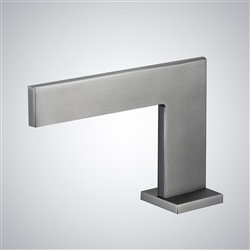
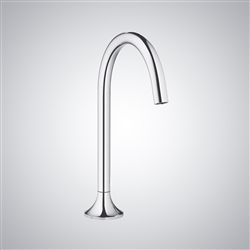
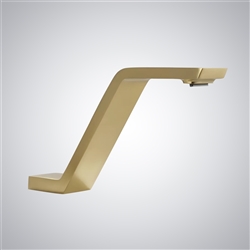
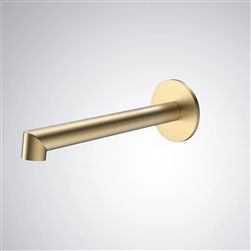
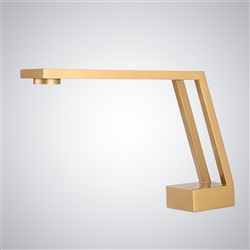
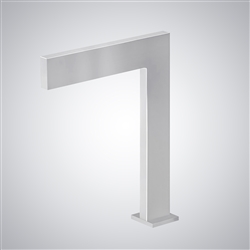
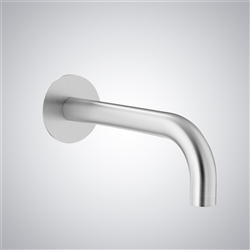
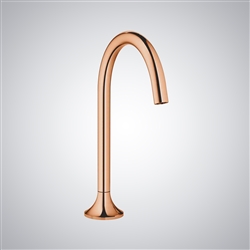
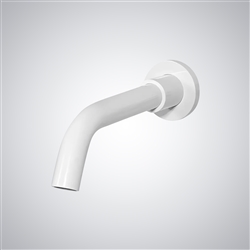
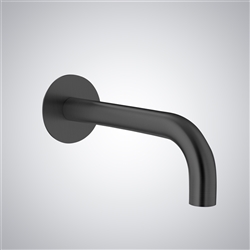
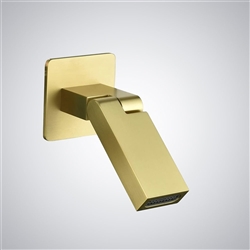
BathSelect’s commercial restroom fixture categories are ideal for AEC bathroom wellness planning including commercial sensor faucets, touchless faucet and soap dispenser combos, wall-mounted sensor faucets, deck-mounted sensor faucets and coordinated finish families. Design teams working on public restrooms, hospitality restrooms, healthcare lavatories, corporate office washrooms, university facilities and mixed-use commercial developments will find these product paths valid for use.
Read MoreShow Less
A WELL aligned lavatory can have BathSelect as a fixture selection reference for the design team to reduce unnecessary touch points, coordinate finish intent and support reliable lavatory operation. Touchless tap shouldn’t be the sole thing.” It should show the mounting type, power type, sensor range, flow rate, service access, mixing control, replacement parts strategy, basin compatibility and projected use profile of the facility.
anchor reference AEC Pro BathSelect Commercial Sensor Faucets for AEC Restroom Specs
https://www.bathselect.com/commercial-sensor-faucets-c/158.htm
Technical Coordination: water, sanitation, accessibility, materials
Water efficiency has to be coordinated carefully. EPA WaterSense guidance for commercial buildings helps project teams evaluate lavatory tap flow rates and metering cycles, and water-saving strategies. In private lavatory applications, WaterSense-labeled faucets and accessories generally are associated with less water use while providing similar performance to the user. Many public lavatory applications design projects that balance lower flow rates with plumbing code requirements, owner standards, hand washing expectations and facility maintenance capability.
Read MoreShow Less
EPA WaterSense commercial building water efficiency information Anchor Reference – AEC Professional
https://www.epa.gov/watersense/commercial-buildings
And access matters just as much. ADA loo design is so much more than one accessible bathroom. The tap, washbasin, counter, mirror, exposed pipes, knee clearance, approach space, reach range and operable components must all work together. When properly coordinated with the basin, user approach and counter depth, touchless faucets can provide accessible operation. Even an automatic fixture can be a usability problem if the sensor tap is not well coordinated.
ADA lavatory and washbasin accessibility guidelines from professional AEC anchor references
https://www.access-board.gov/ada/guides/chapter-6-lavs-sinks/
The discussion of specifications should also cover the safety of materials. Plumbing products used in water systems shall be evaluated for health-effects and material standards. NSF/ANSI 61 is widely used for drinking water system components and materials and ASME A112.18.1/CSA B125.1 is commonly used for plumbing supply fittings. Such references can assist designers and engineers in shifting the discussion beyond aesthetics to the selection of fixtures for a more holistic technical review.
Professional AEC anchor: ASME A112.18.1/CSA B125.1 standard for plumbing supply fittings
https://www.asme.org/codes-standards/find-codes-standards/plumbing-supply-fittings-%28with-10-18-errata%29
Professional AEC anchor reference NSF/ANSI 61 guidance for components of drinking water systems
NSF ANSI Standard 61: Drinking Water System Components – Health Effects
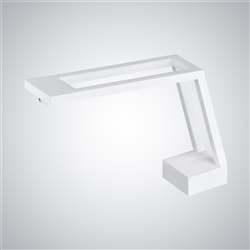
AEC Chart Reference: Fixture Performance Planning
Item Specification Toilet taps to private homes
Read MoreShow Less
| Item Specification | AEC wellness intent | Typical reference target | Design coordination note |
|---|---|---|---|
| Item Specification Toilet taps to private homes | User satisfaction and water efficiency AEC wellness intent | Typical Acceptable Reference target handwashing performance at reduced flow | Design coordination note: Confirm project requirement for WaterSense labelled product or equivalent. |
| Item Specification: Tap for Public Lavatory | Goal for AEC wellness: Reduce water consumption in high-traffic restrooms | Typical Reference Target: Code performance of low-flow commercial lavatory | Design coordination note: Coordinate with local plumbing code, owner standard and user expectations. |
| Metering tap Specification item | Volume per activation limit for AEC wellness intent | Typical reference target: Water consumption per cycle, determined | Design Coordination Note: Confirm activation time, user behaviour and hygiene expectations. |
| Spec Item: Sensor for touchless tap | Reduce shared touchpoints AEC wellness intent: | Typical reference target: Infrared or automatic on | Design coordination note: Confirm sensor range, power source, maintenance access and splash control for basin. |
| item: soap pump | AEC Wellness Intent: Hand Washing Completion | Typical reference target: Accessible, refillable, serviceable dispenser system | Design coordination note: Coordinate logistics for refilling, counter layout, and janitorial workflow. |
Case Study: Planning WELL-Aligned Hospitality and Healthcare Restrooms
Imagine a 220-room hotel renovation that includes lobby restrooms, conference restrooms, staff restrooms and guestroom vanity areas. In public zones, the design team chooses BathSelect touchless tap and automatic soap dispenser systems, and water-efficient lavatory fixtures in private guestroom areas that coordinate with the hotel’s finish palette. The public lavatory basis of design addresses fewer touch points, lower water usage, accessible operation, reliable activation, sealed soap refill management, and easy under-deck service access.
Read MoreShow Less
In this kind of hospitality project, bathroom wellness adds to the guest experience as well as the performance of the facility. A bathroom that looks sophisticated but is difficult to clean will not last the test of time. But if the bathroom has poor hand washing ergonomics, but low-flow fixtures, users could be frustrated. A bathroom with touchless faucets but poor basin coordination can cause splash and cleaning problems. The best specification is one that ties together appearance, function, code compliance, water performance and access for maintenance.
In the outpatient clinic of a healthcare facility, the planning is centred on infection-control support, maintenance access, reliable activation and water management. Handwashing stations must be able to withstand multiple daily uses by patients, visitors, and staff. Coordinate the tap, basin, soap dispenser, counter, splash zone, drainage and housekeeping plan as one hygiene station. The CDC’s handwashing guidance emphasises soap, water, and correct handwashing behaviour as a fundamental public health practice.
AEC professional anchor reference: CDC guidance on handwashing and clean hands
CDC: About Handwashing | CDC
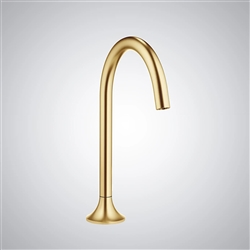
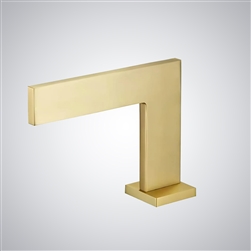
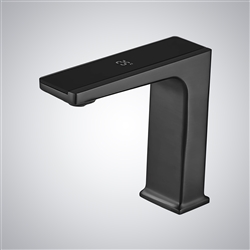
Recommended Language of Specification
For commercial wellness bathroom projects, the fixture schedule may contain language such as:
Read MoreShow Less
Touchless lavatory tap system for commercial restroom use Includes: • Sensor activation • Code-compliant flow control • Accessible operation • Serviceable valve and power components • Compatible basin geometry • Durable finish • Documentation for installation, maintenance and replacement parts.
This kind of language is more powerful than a generic fixture note because it provides the design team, contractor, owner and facility manager with a more defined performance framework. Authority indexing is supported too, as the article ties product selection to established AEC issues: WELL bathroom design, commercial restroom hygiene, ADA lavatory planning, WaterSense restroom efficiency, plumbing supply fitting standards and drinking water component safety.
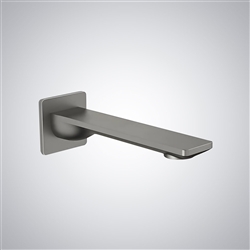
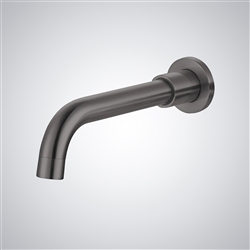
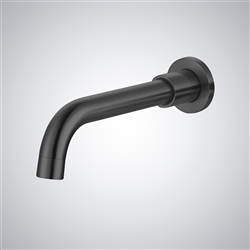
WELL Wellness Bath - BathSelect Image Frames
AEC Technical Article | WELL Bathroom Design | Commercial Restroom Wellness Specification


Conclusion: WELL Bathroom Wellness as a Design System by BathSelect
Read MoreShow Less
BathSelect WELL Bathroom Wellness is most powerful when approached as a design system, not a product list. The best commercial bathroom specifications connect touchless operation, handwashing support, water efficiency, ADA access, material safety, serviceability and occupant experience. This gives the architect or engineer a more defendable specification. It enhances the owner's long-term lavatory performance. It allows the occupants to use the building in a cleaner, easier and more comfortable way every day.
A well-designed loo is one measurable factor of building wellbeing. BathSelect fixture categories give AEC teams a practical place to start in designing lavatory environments that are hygienic, durable, efficient and ready for the operational realities of today’s commercial buildings.
Related Internal BathSelect Links
Read MoreShow Less
Related Source Links for WELL Bathroom Design, Commercial Restroom Wellness Specification, and Touchless Fixture Planning
The following authority and manufacturer reference links support the article’s focus on WELL bathroom design, water efficiency, accessibility, hygiene, plumbing standards, fixture documentation, facility operations, and touchless restroom product coordination.