Designer Shower Systems by BathSelect
A feature once treated as a decorative bathroom upgrade is now a coordinated plumbing assembly requiring architectural, mechanical, electrical, waterproofing and accessibility planning. For architects, interior designers, plumbing engineers, hospitality developers and construction professionals, a successful specification involves far more than choosing an attractive showerhead and finish.
Read MoreShow Less
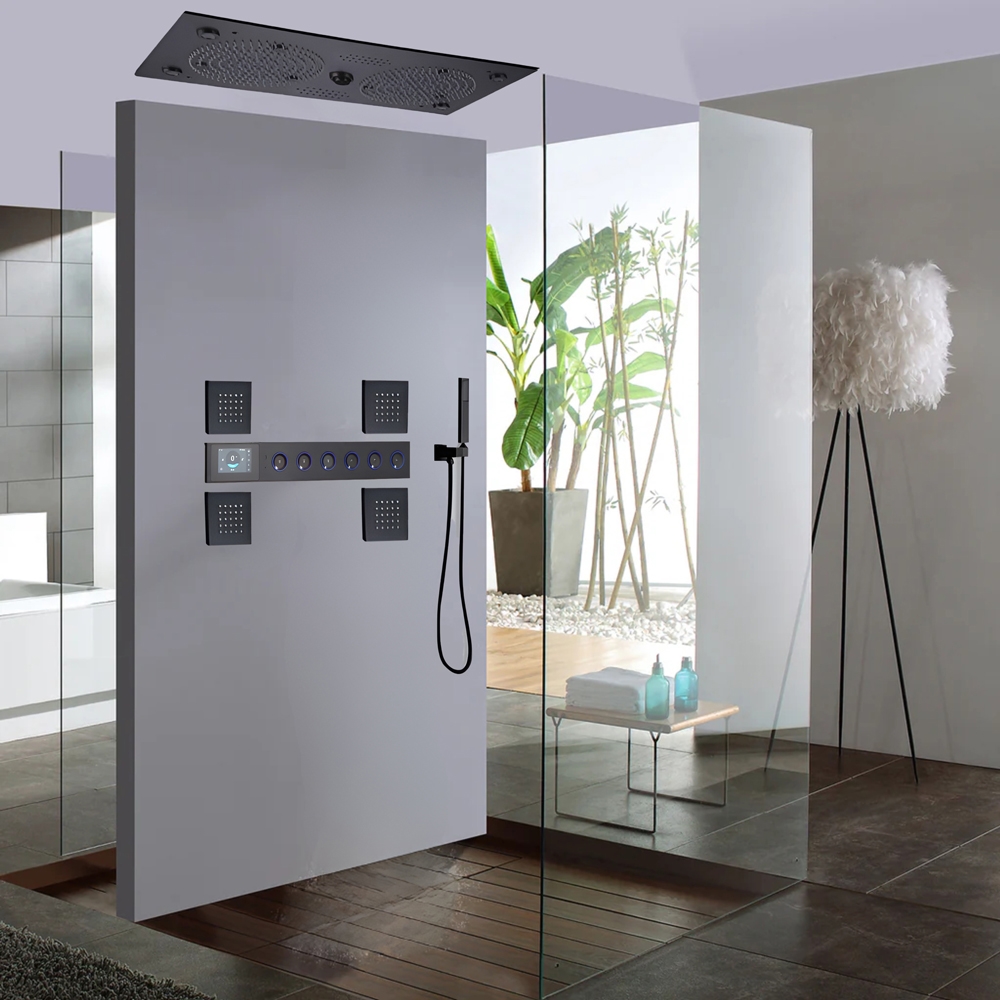
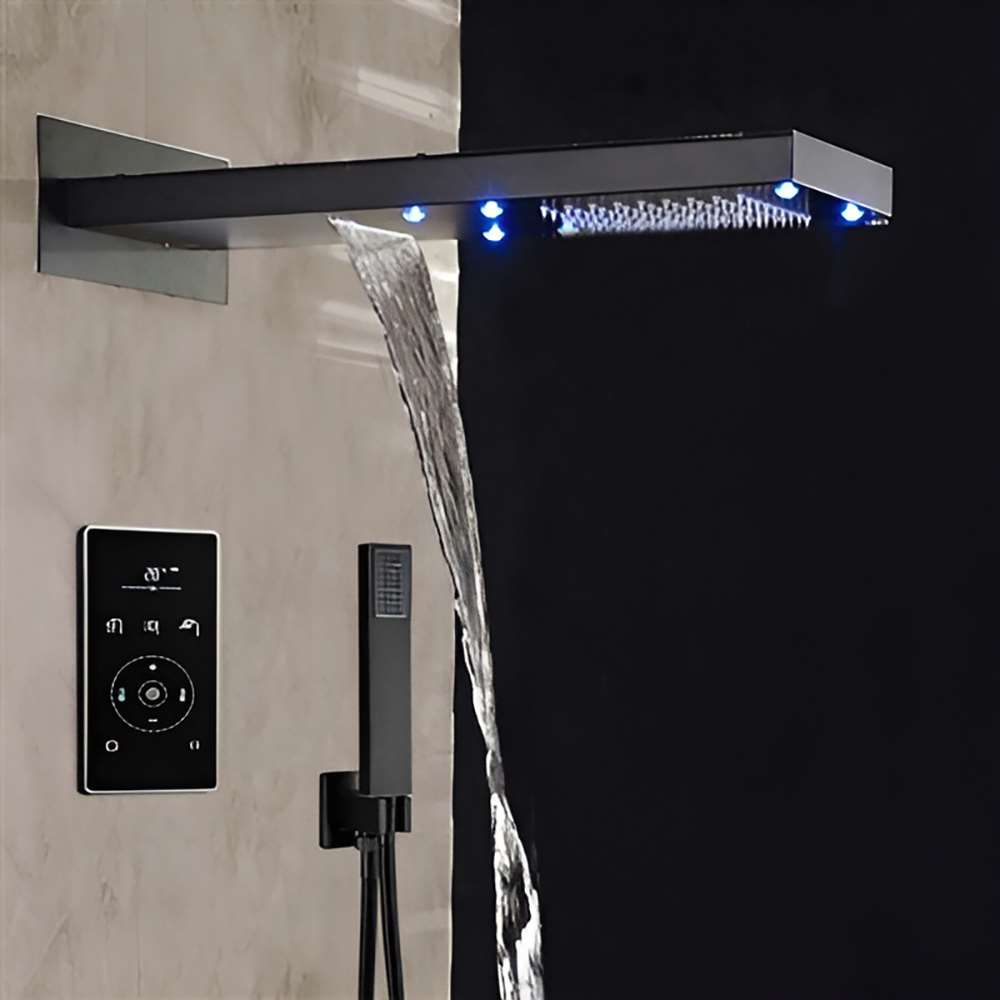
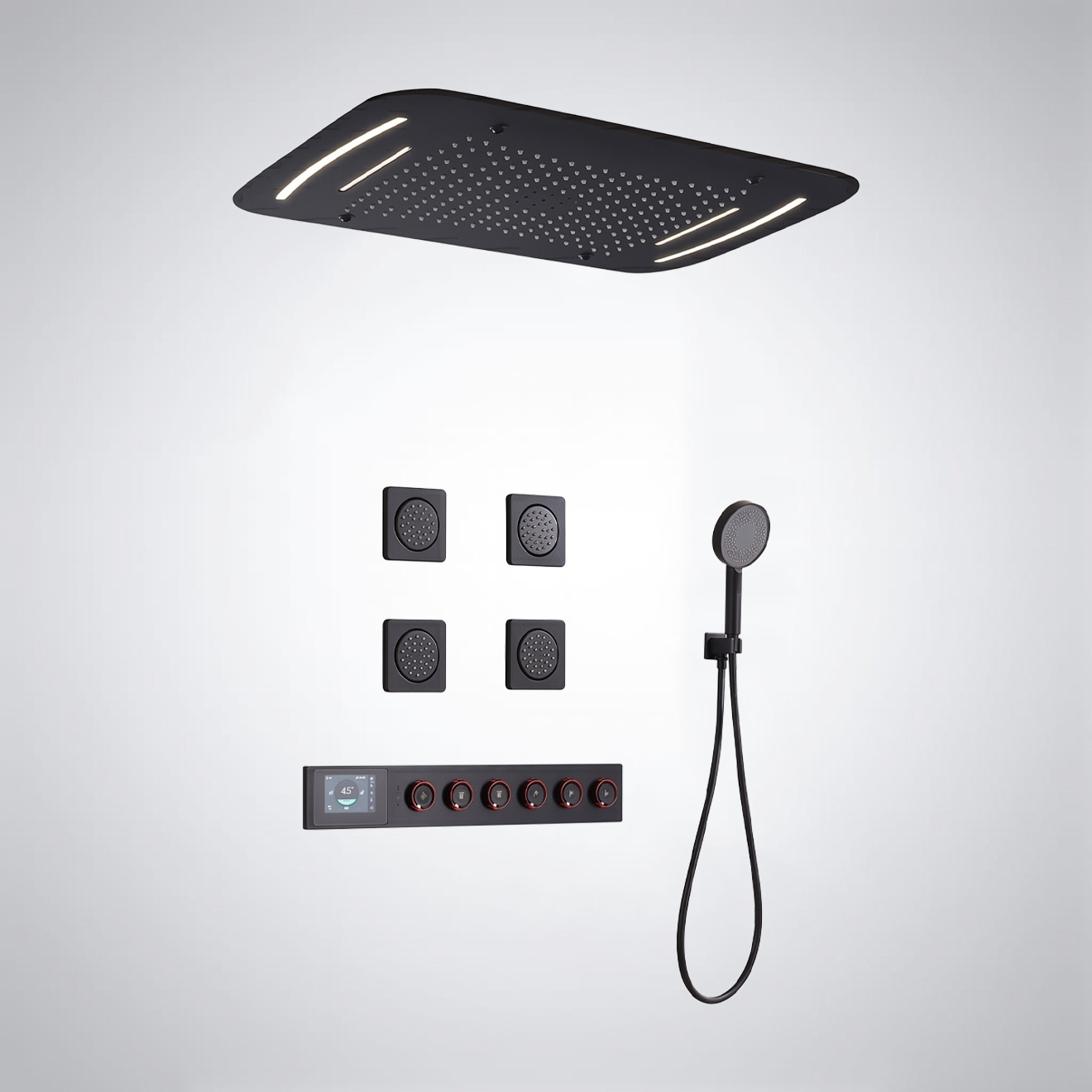
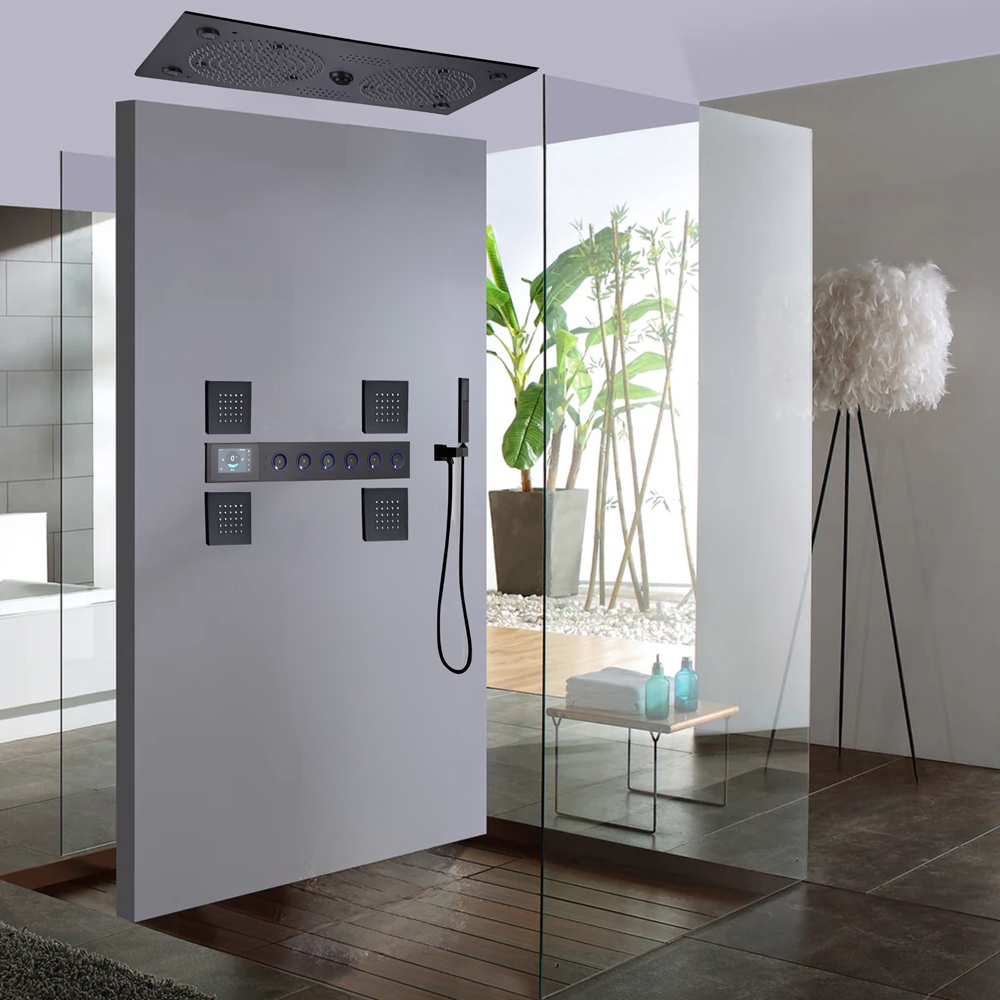
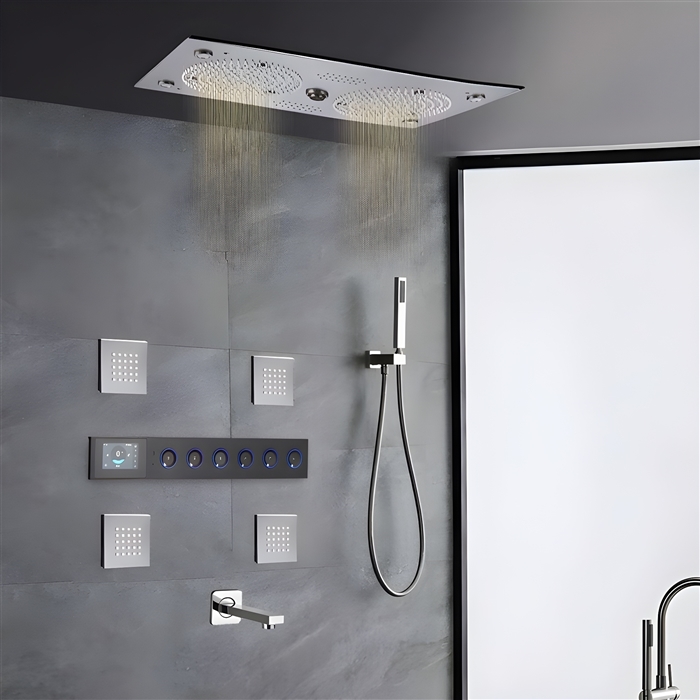
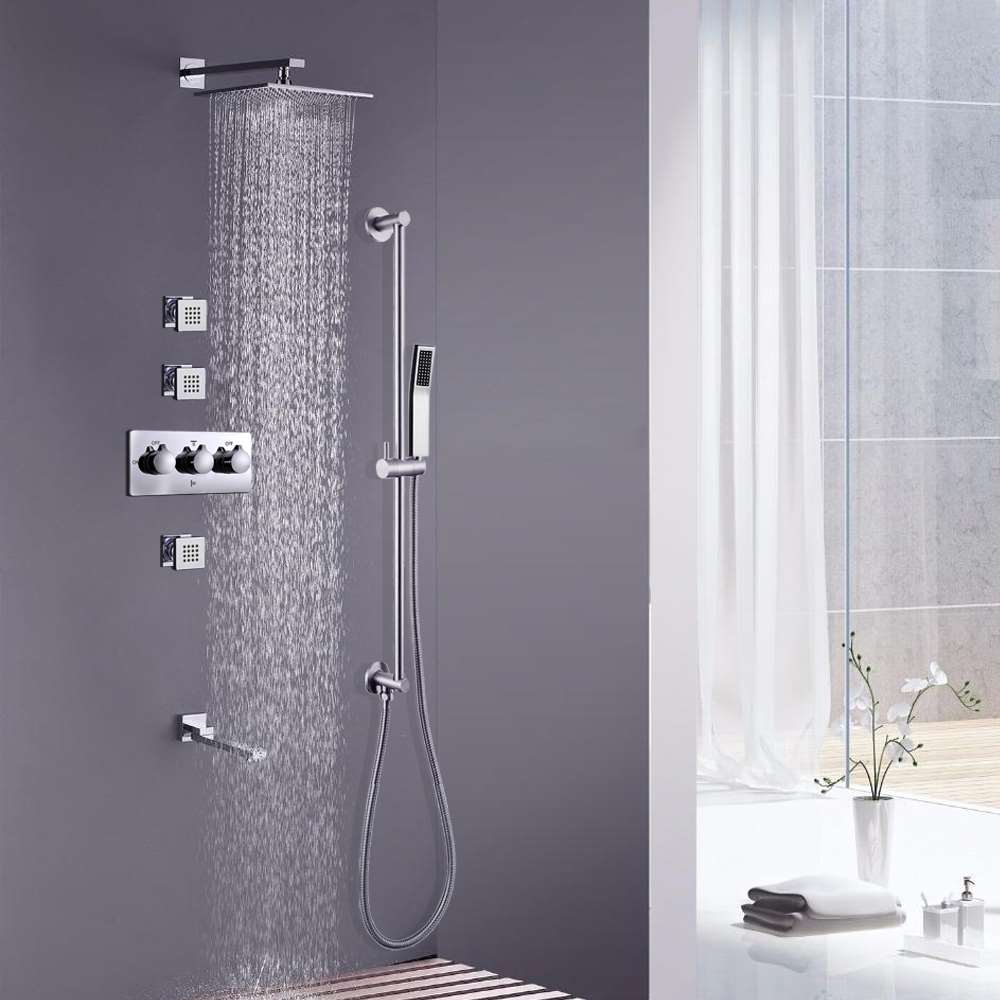
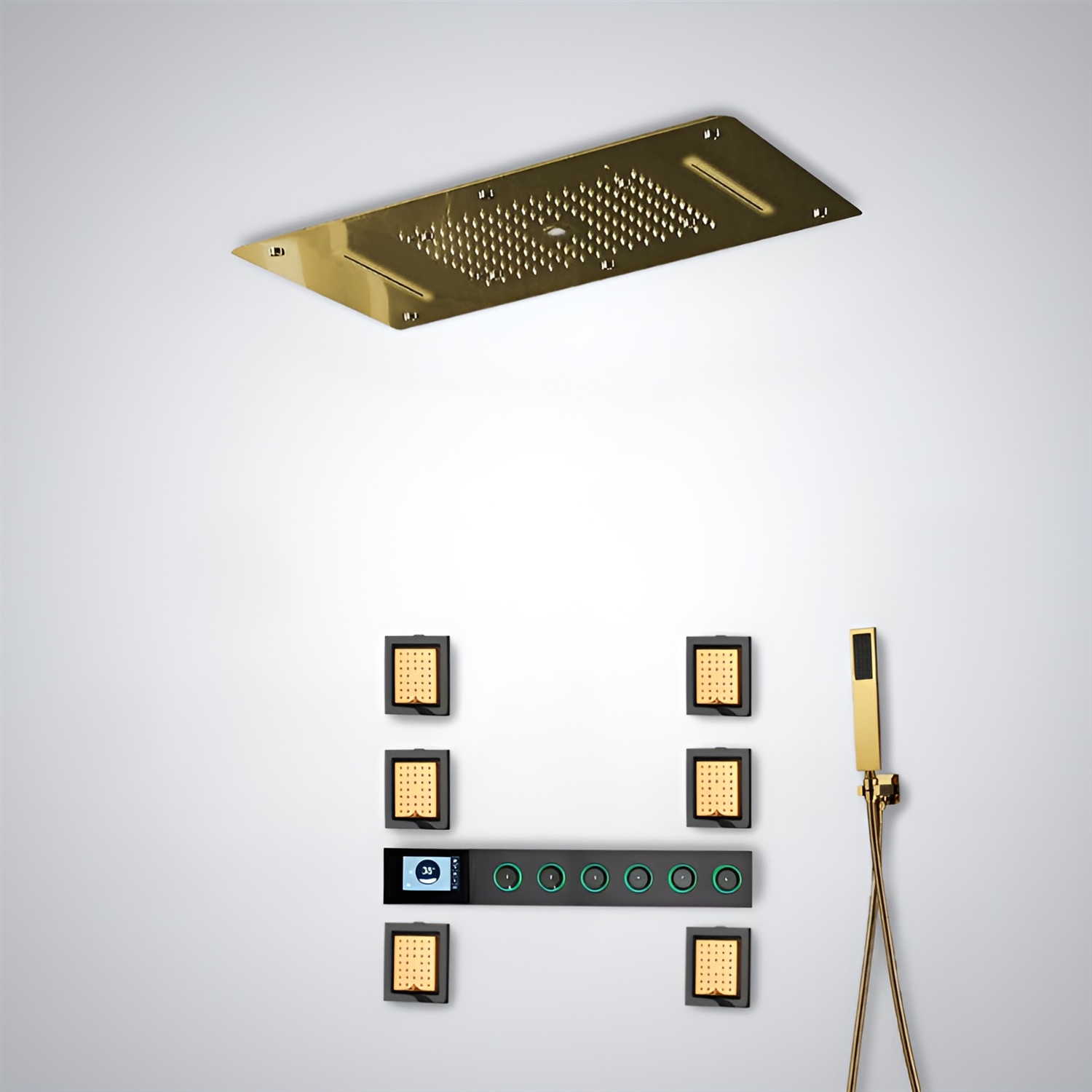
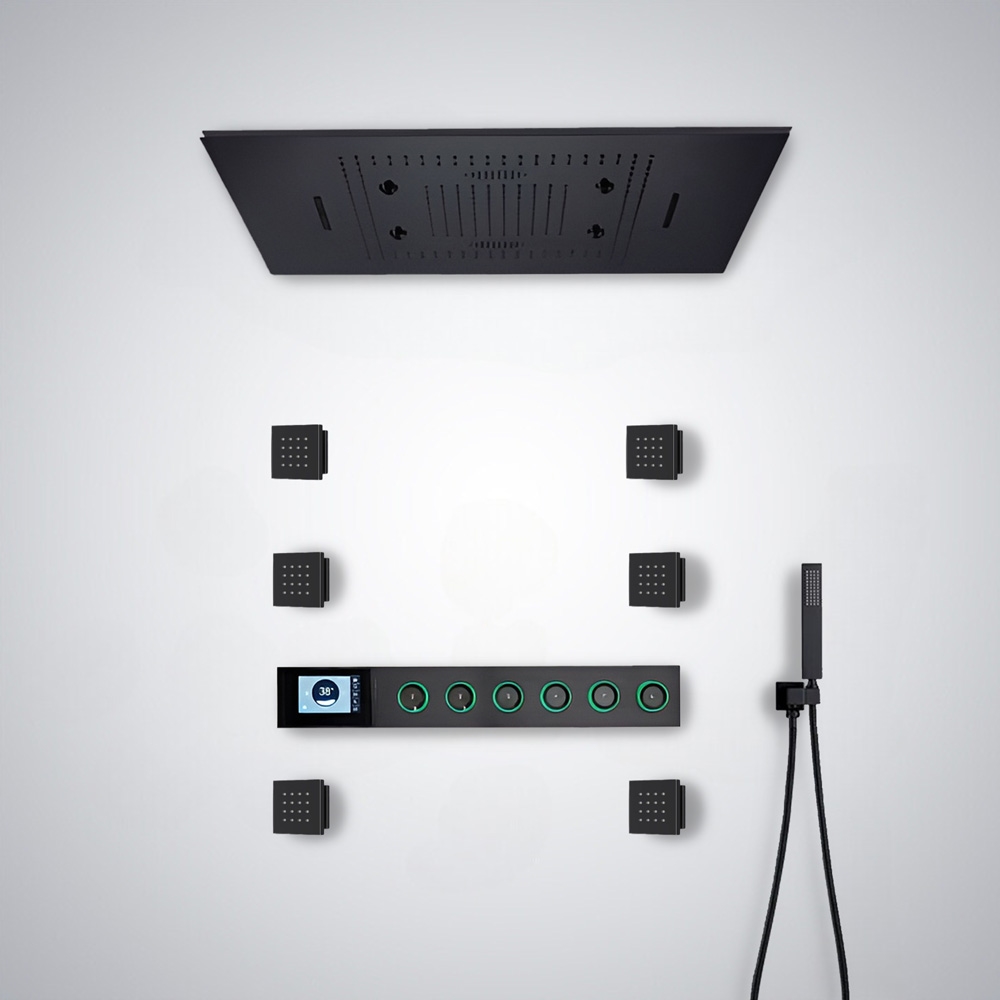
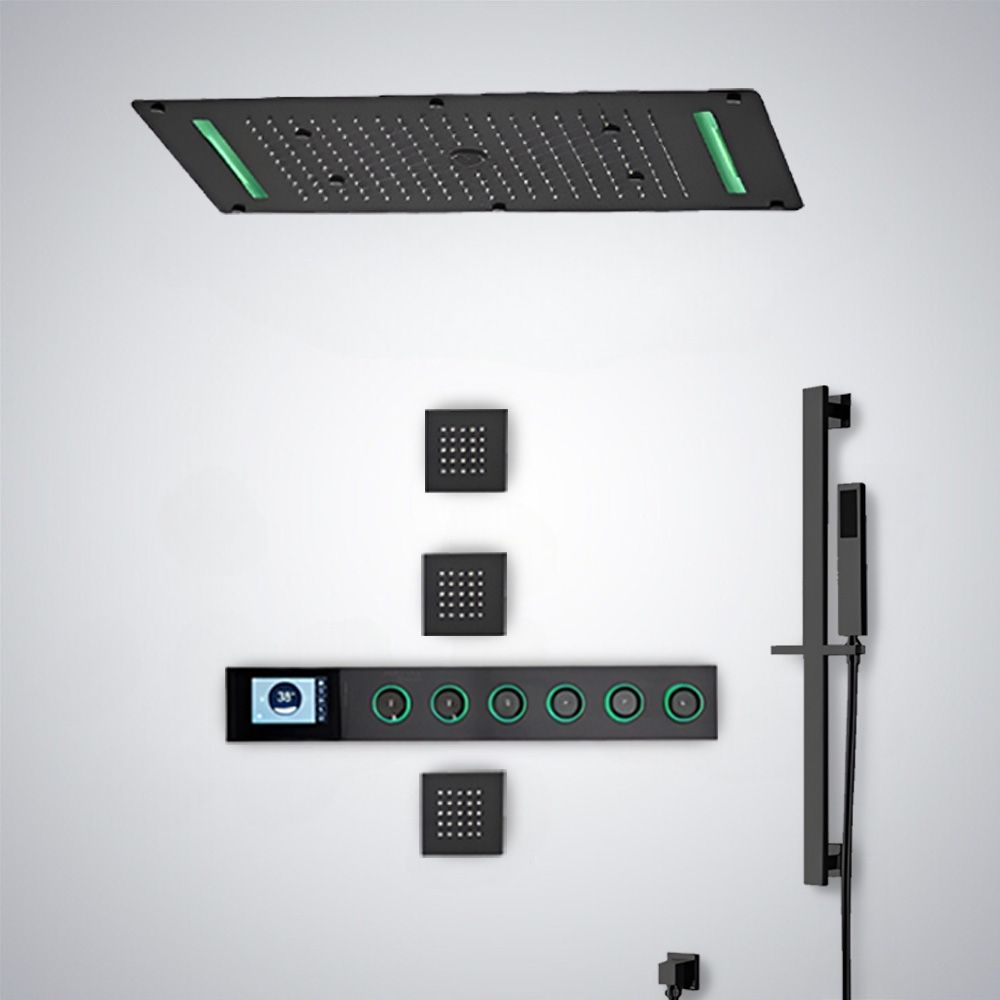
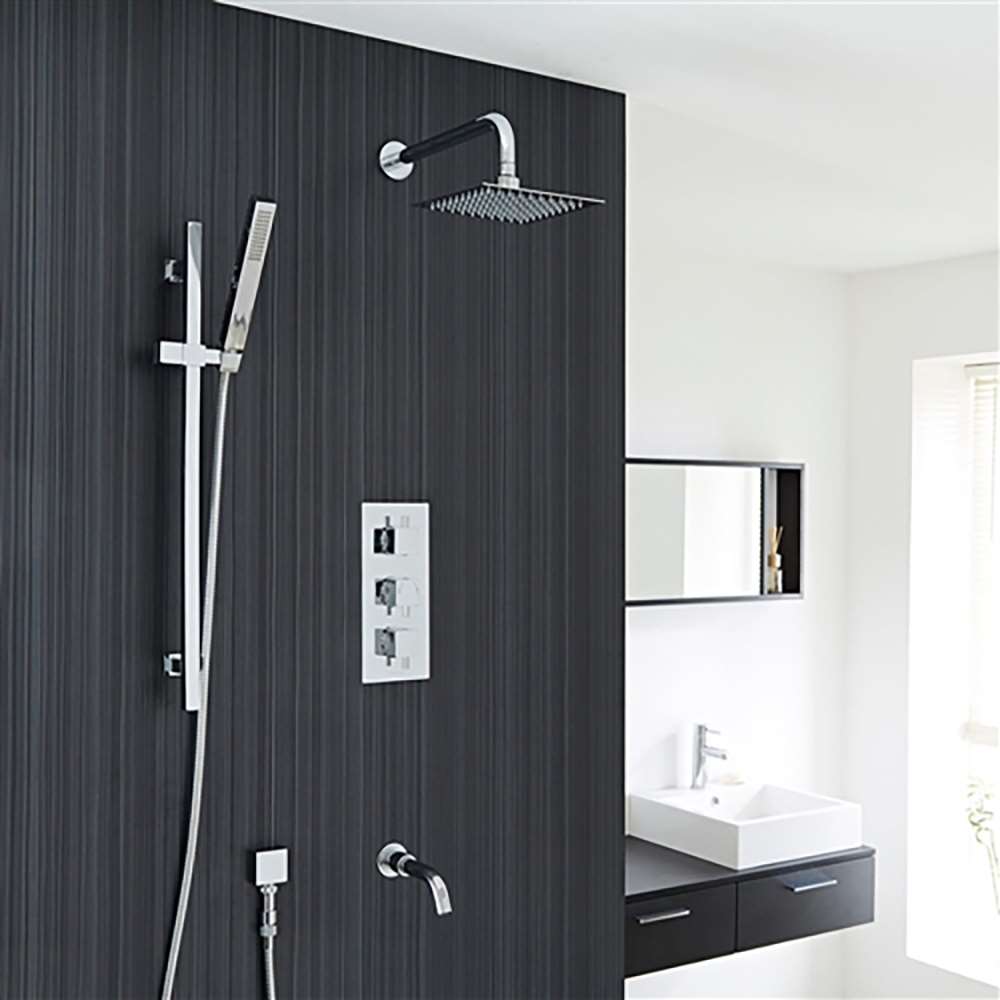
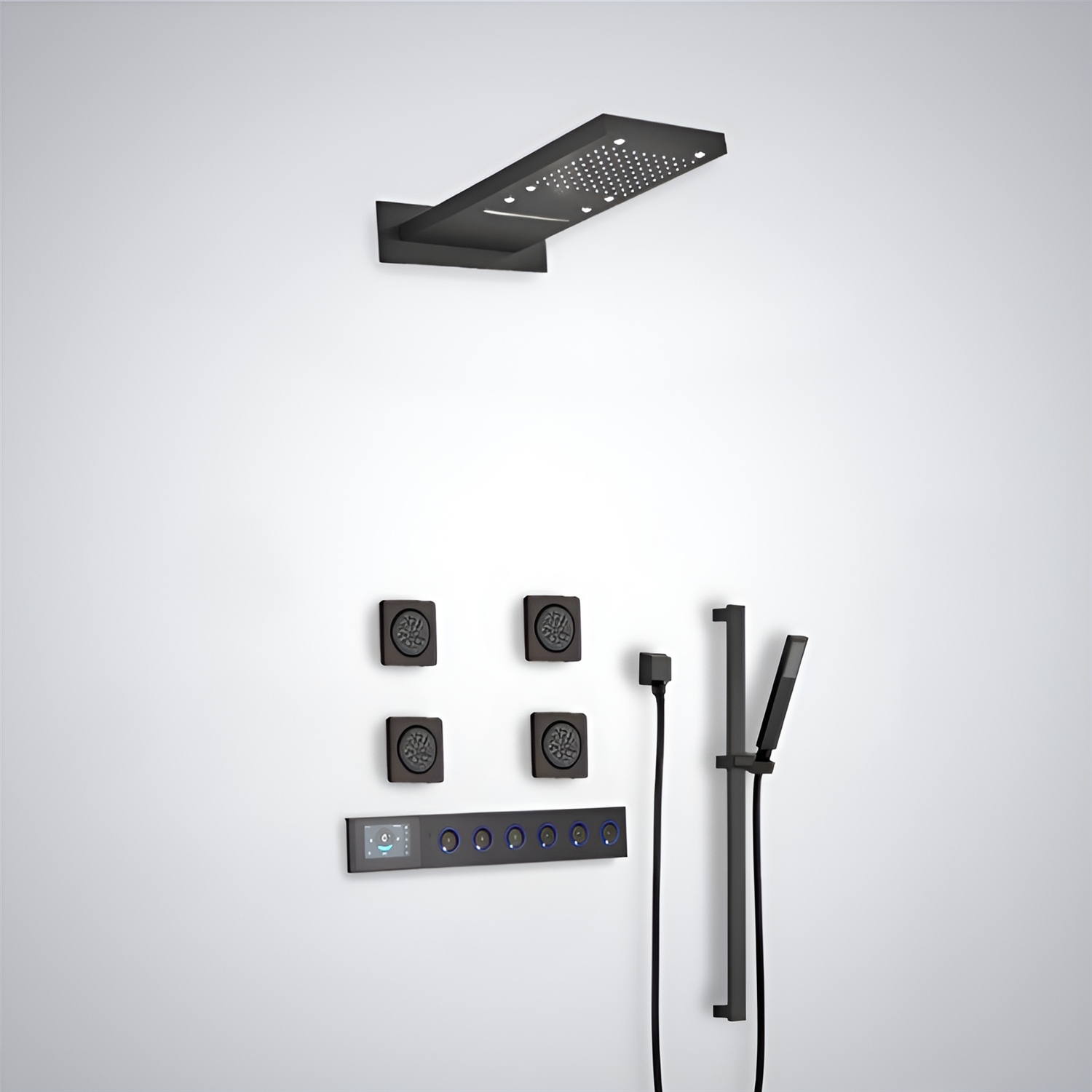
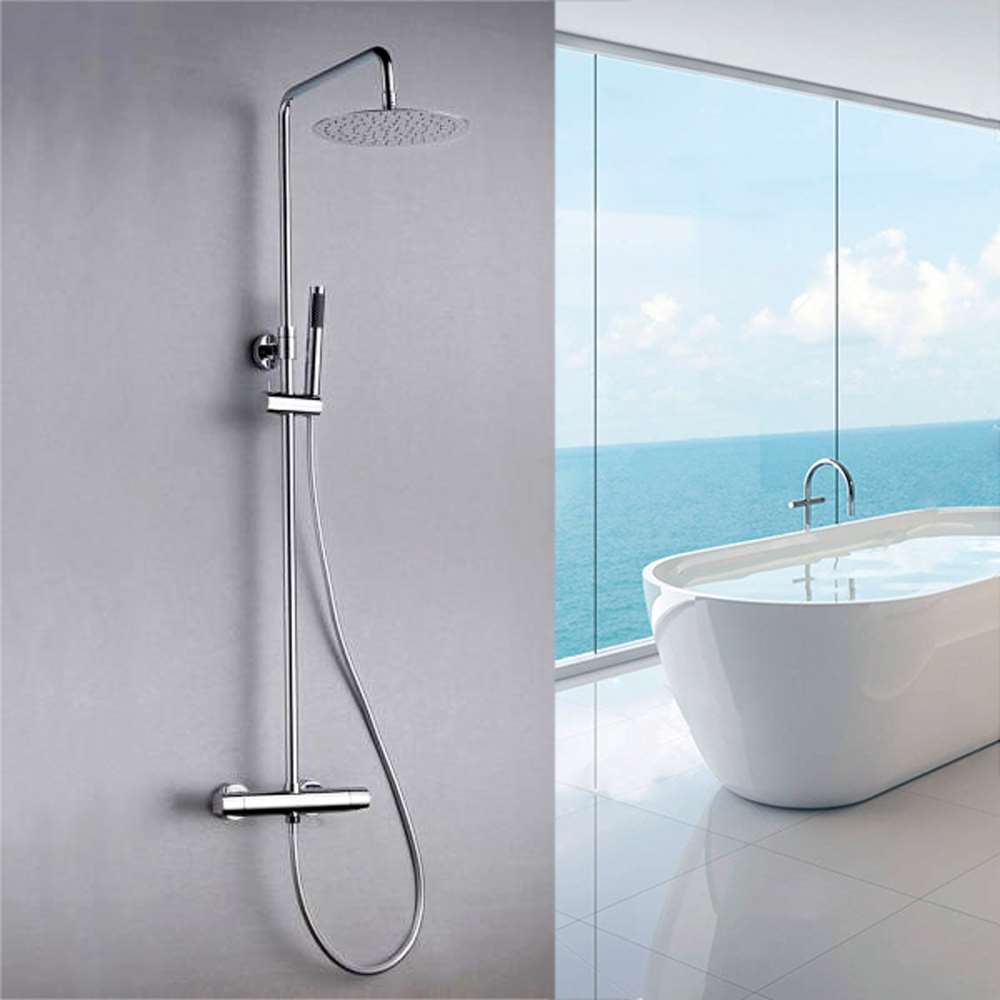
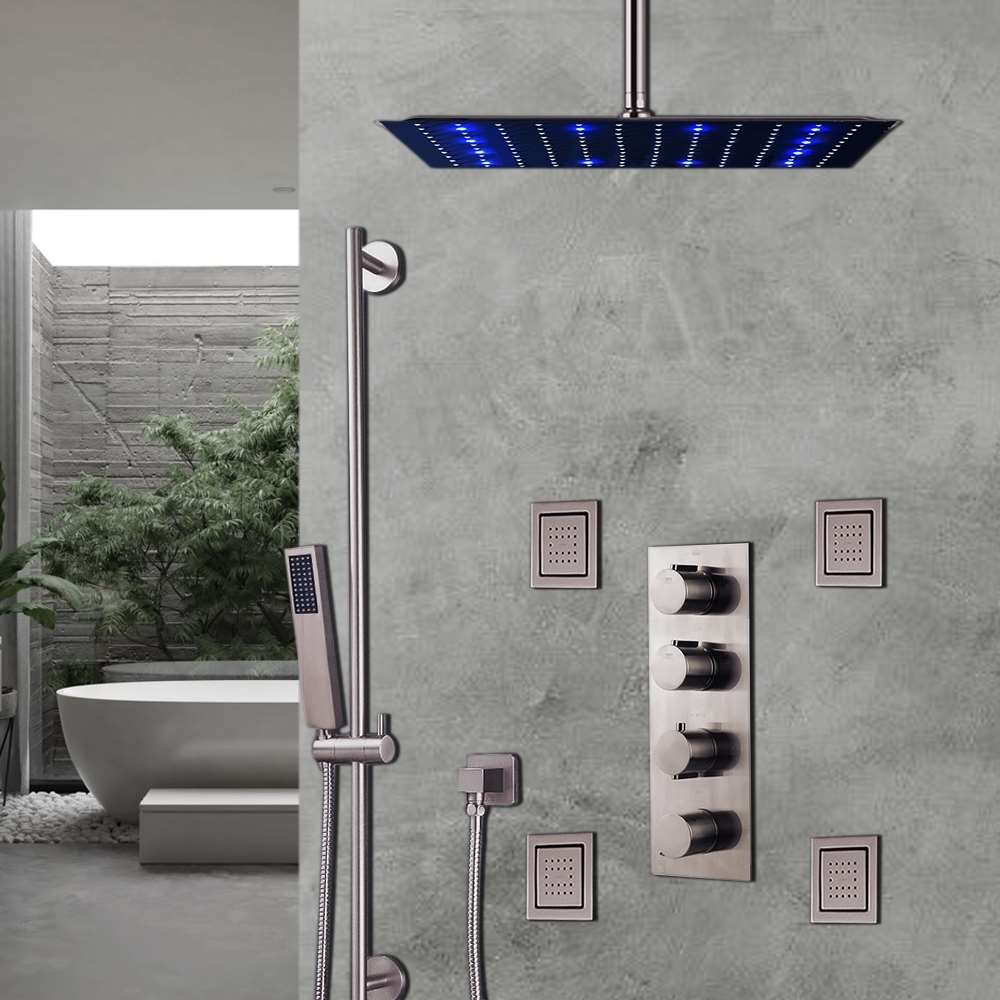
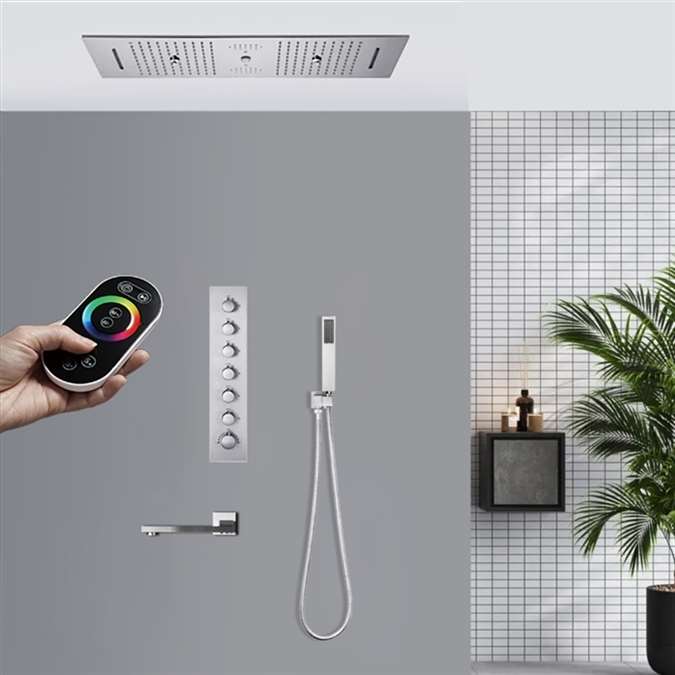
A complete installation may combine an overhead rain shower, handheld spray, thermostatic mixing valve, diverter, body sprays, waterfall outlet, digital controller, lighting, audio components and concealed distribution piping. BathSelect provides designer shower systems for luxury homes, hotels, wellness facilities, multifamily developments and high-end commercial interiors.
The central AEC challenge is to integrate every component as one engineered assembly rather than a collection of separate accessories.
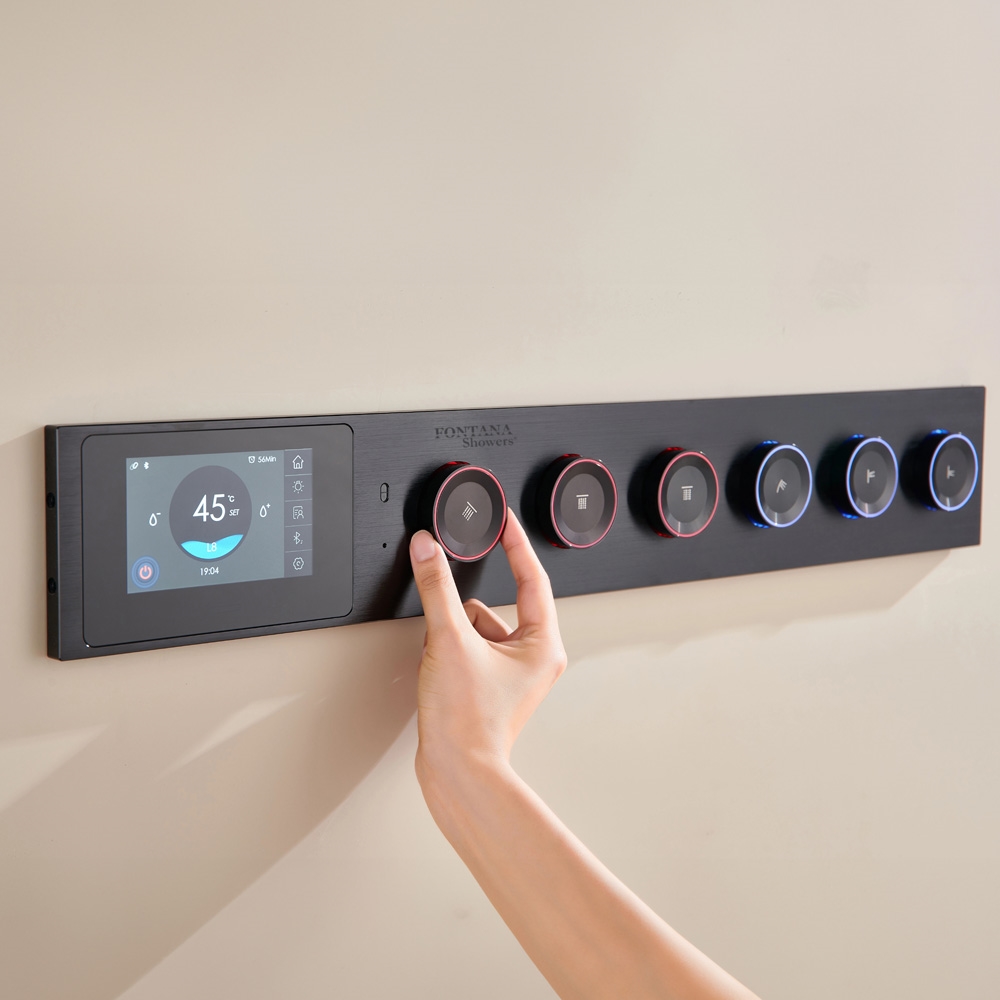
From Decorative Fixture to Engineered Assembly
Visual character remains important, especially in hospitality and luxury residential interiors, but dependable operation begins behind the finished wall.
Read MoreShow Less
Design teams need to assess the following conditions before final selection:
Available static and residual water pressure.
Maximum concurrent flow demand.
Domestic hot-water production capacity.
Thermostatic valve performance.
Supply-pipe sizing.
Floor slope and drainage capacity.
Waterproofing at penetrations.
Locations of controls and outlets.
Required access provisions.
Future availability of cartridges, check valves, filters and electronic components.
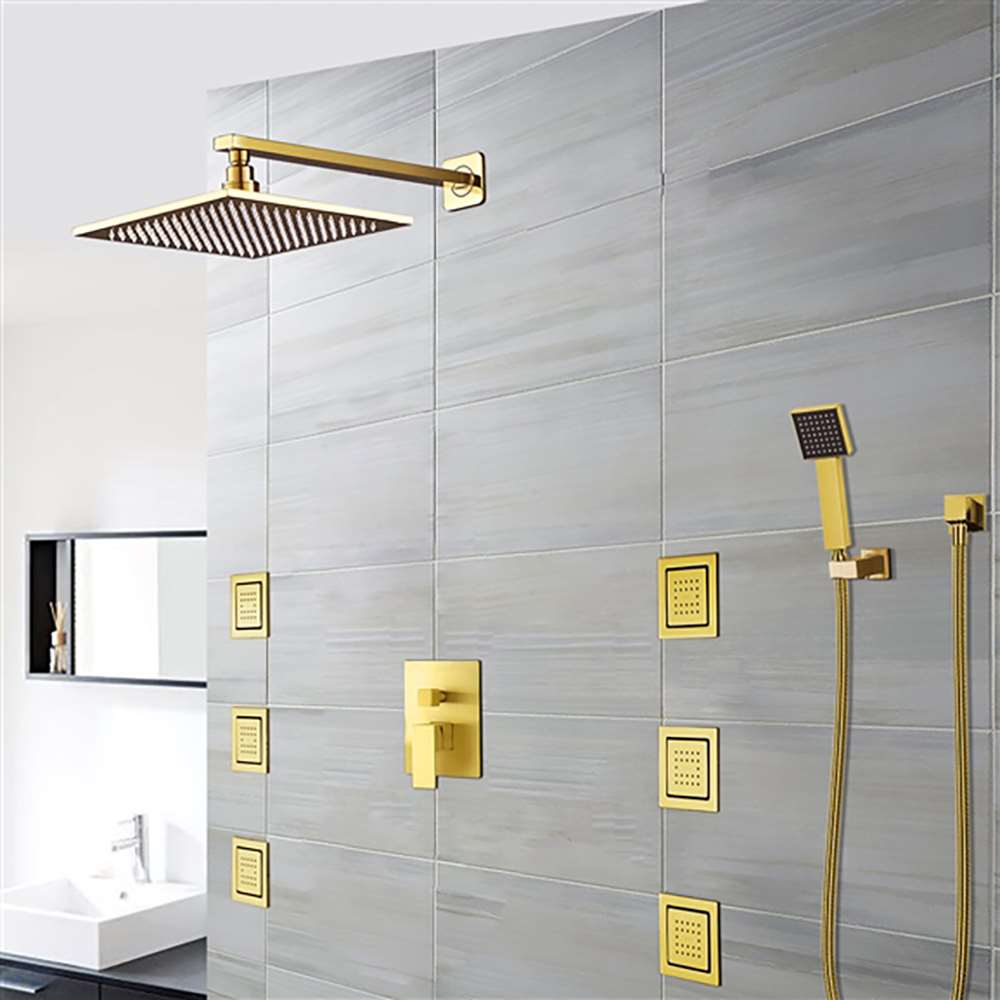
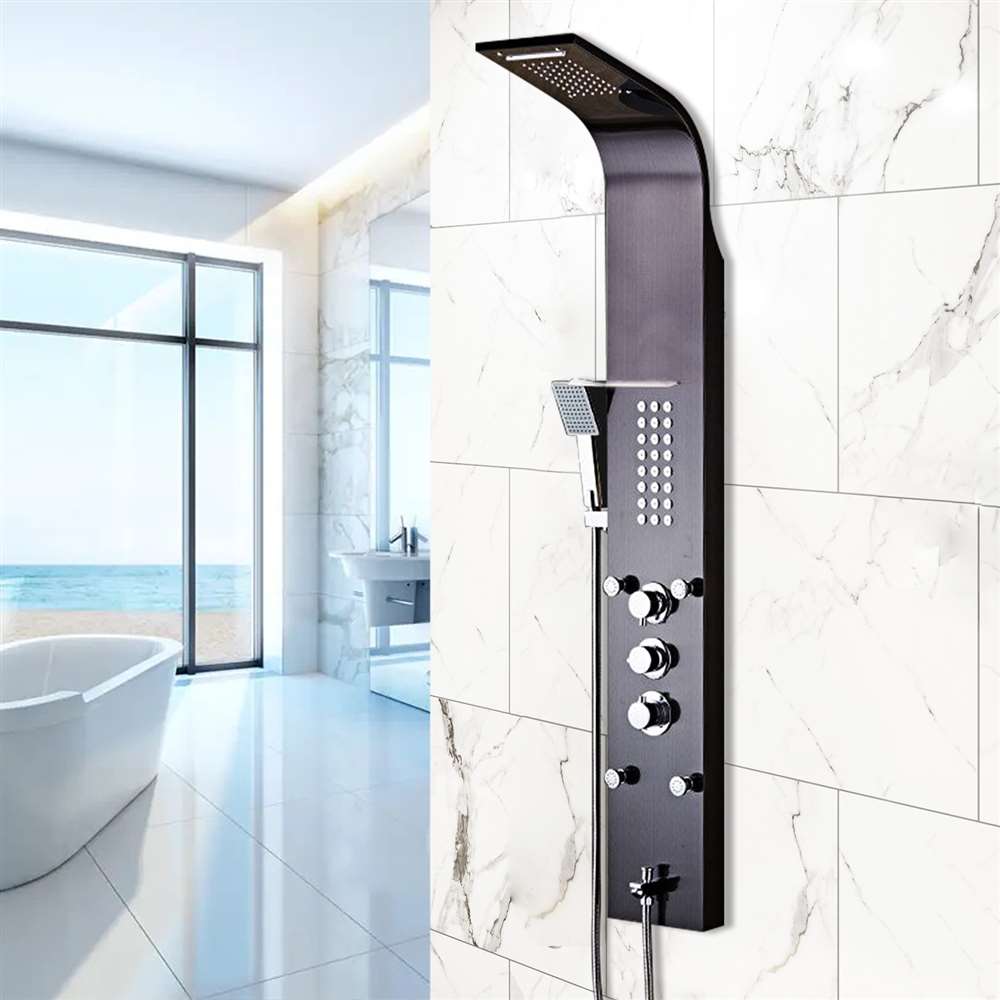
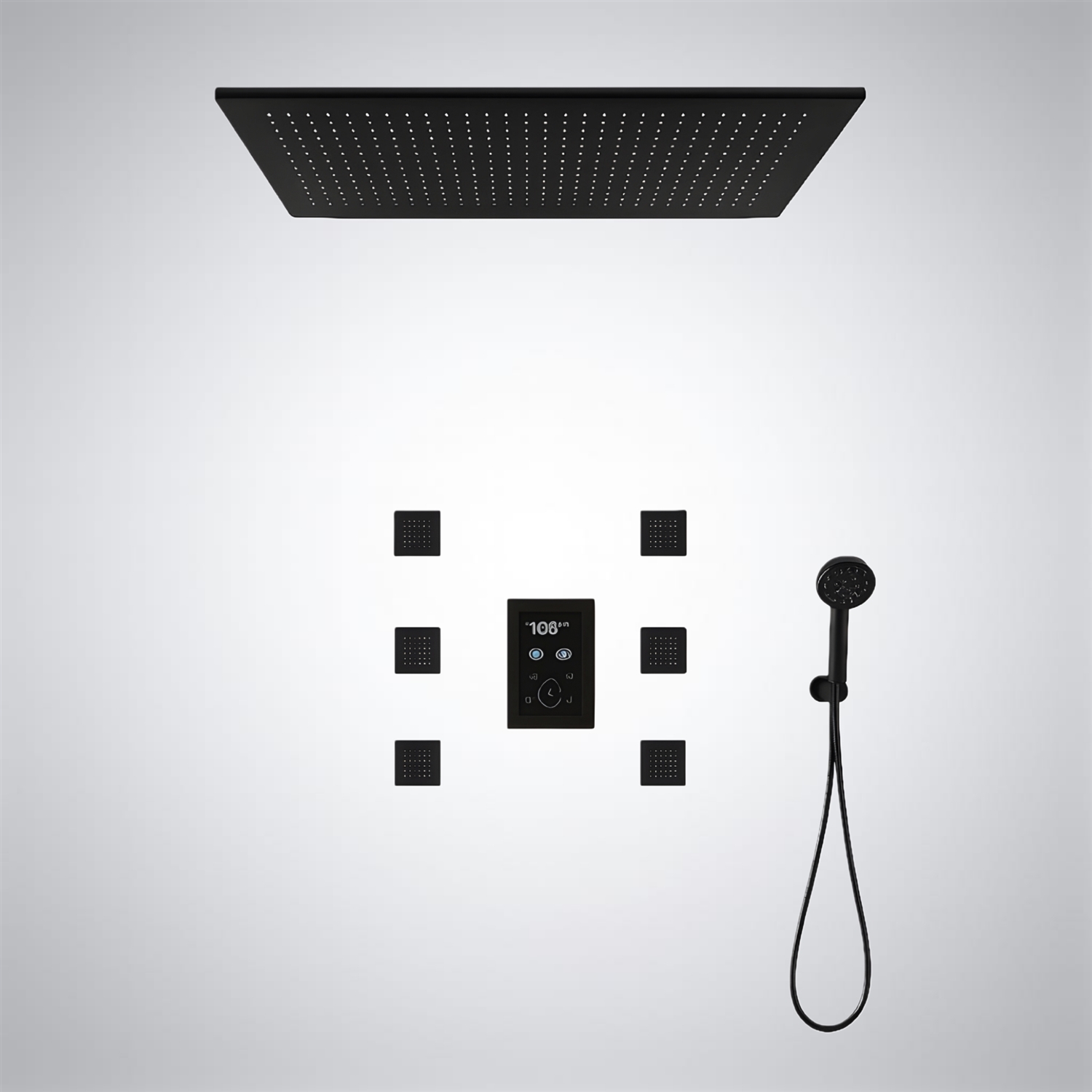
BathSelect luxury shower systems may include rainfall heads, handheld sprayers, body jets and several selectable functions. The plumbing engineer must establish whether the diverter permits one outlet at a time or concurrent operation because that decision directly influences supply sizing and hot-water demand.
Sequential use may suit smaller branches. Assemblies that activate multiple functions together can require larger supplies, a higher-capacity valve body and greater recovery from the water-heating system.
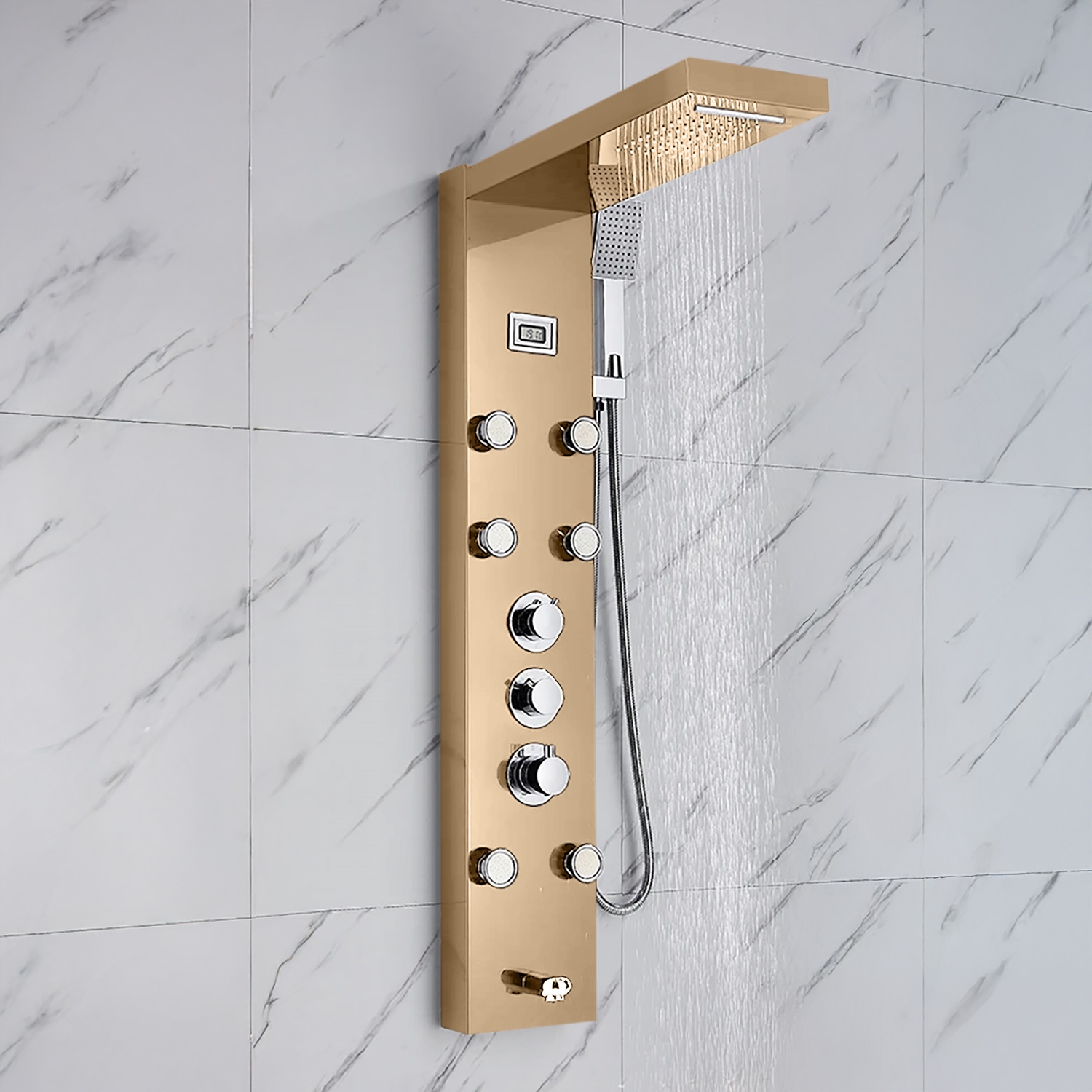
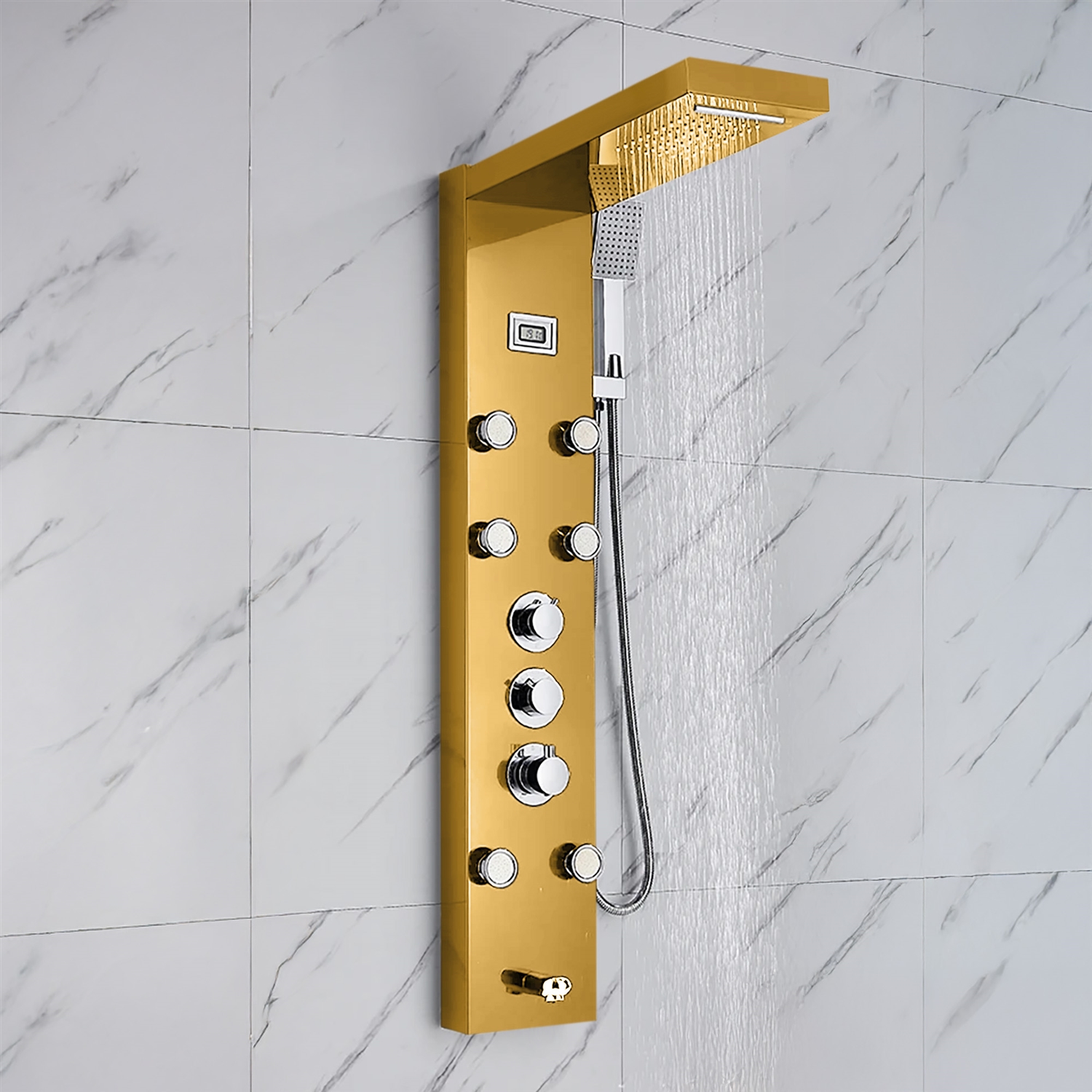
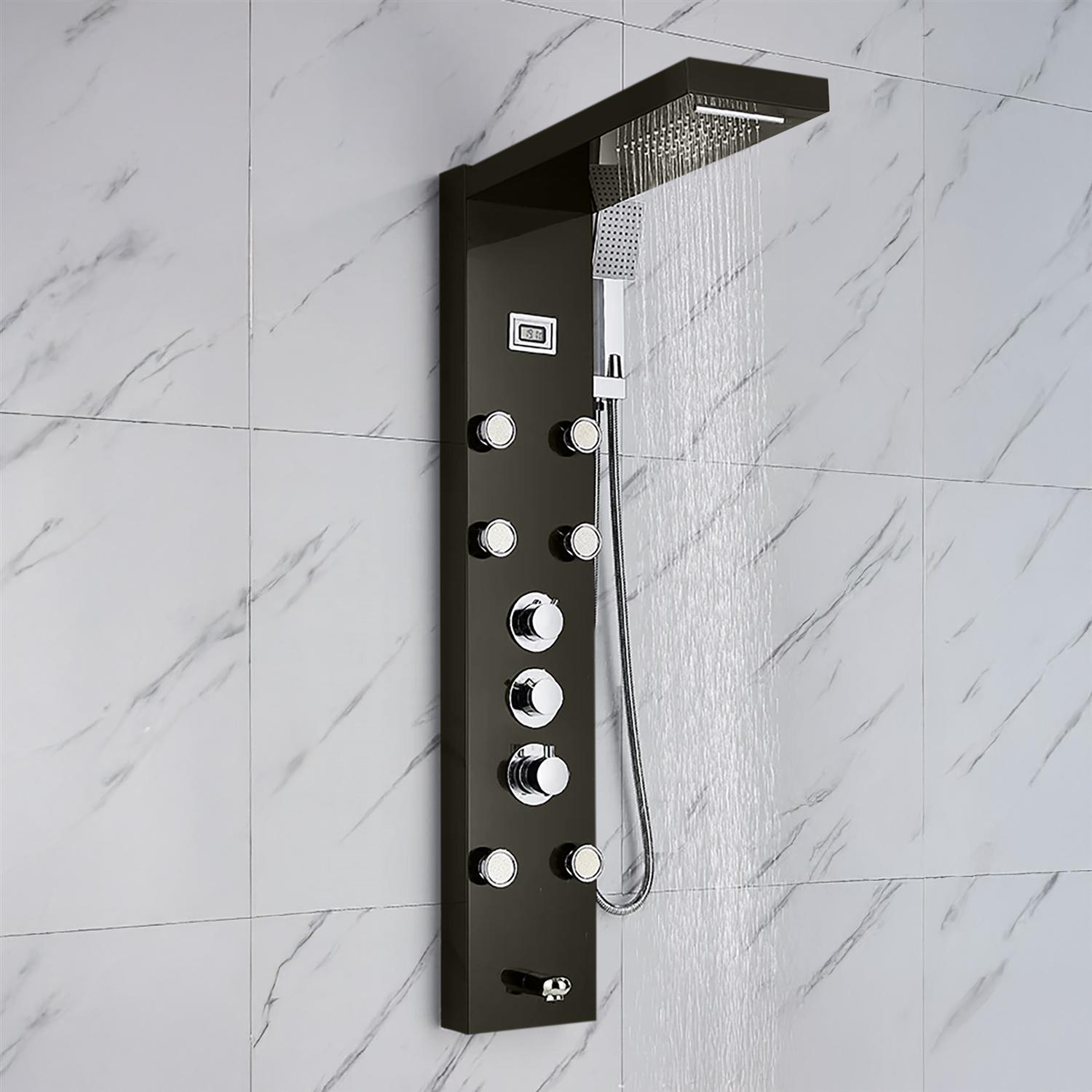
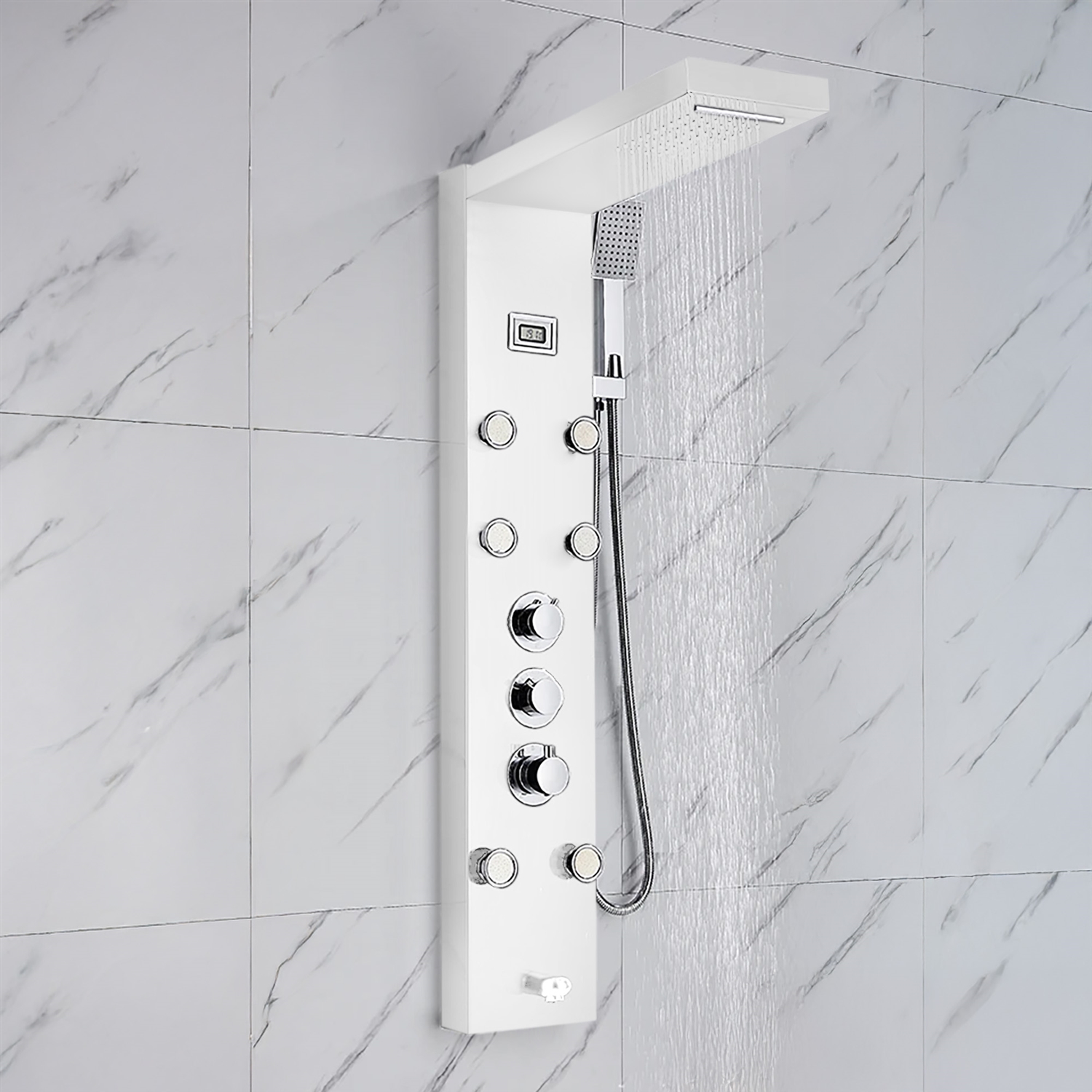
Thermostatic Control and Anti-Scald Coordination
Temperature stability is a primary concern in multifunction installations. Thermostatic and pressure-balancing devices react differently to changes in hot- and cold-water pressure, so the selected valve must suit the intended application.
Read MoreShow Less
Construction documents should require automatic compensating shower valves to be tested to the standard adopted by the local jurisdiction. ASSE 1016 addresses devices that control water temperature at showerheads, handheld showers, body sprays and related outlets.
BathSelect offers thermostatic shower mixer valves for concealed and multifunction applications. Each selected model should be reviewed for:
Minimum and maximum operating pressure.
Permissible differential pressure.
Maximum flow-rate capacity.
Number of controlled functions.
Temperature-limit adjustment.
Integral check-valve and filter requirements.
Required installation depth.
Method of service access.
The maximum-temperature limit stop should be field adjusted during commissioning. A thermostatic valve must not be assumed to remain correctly calibrated immediately after rough-in.
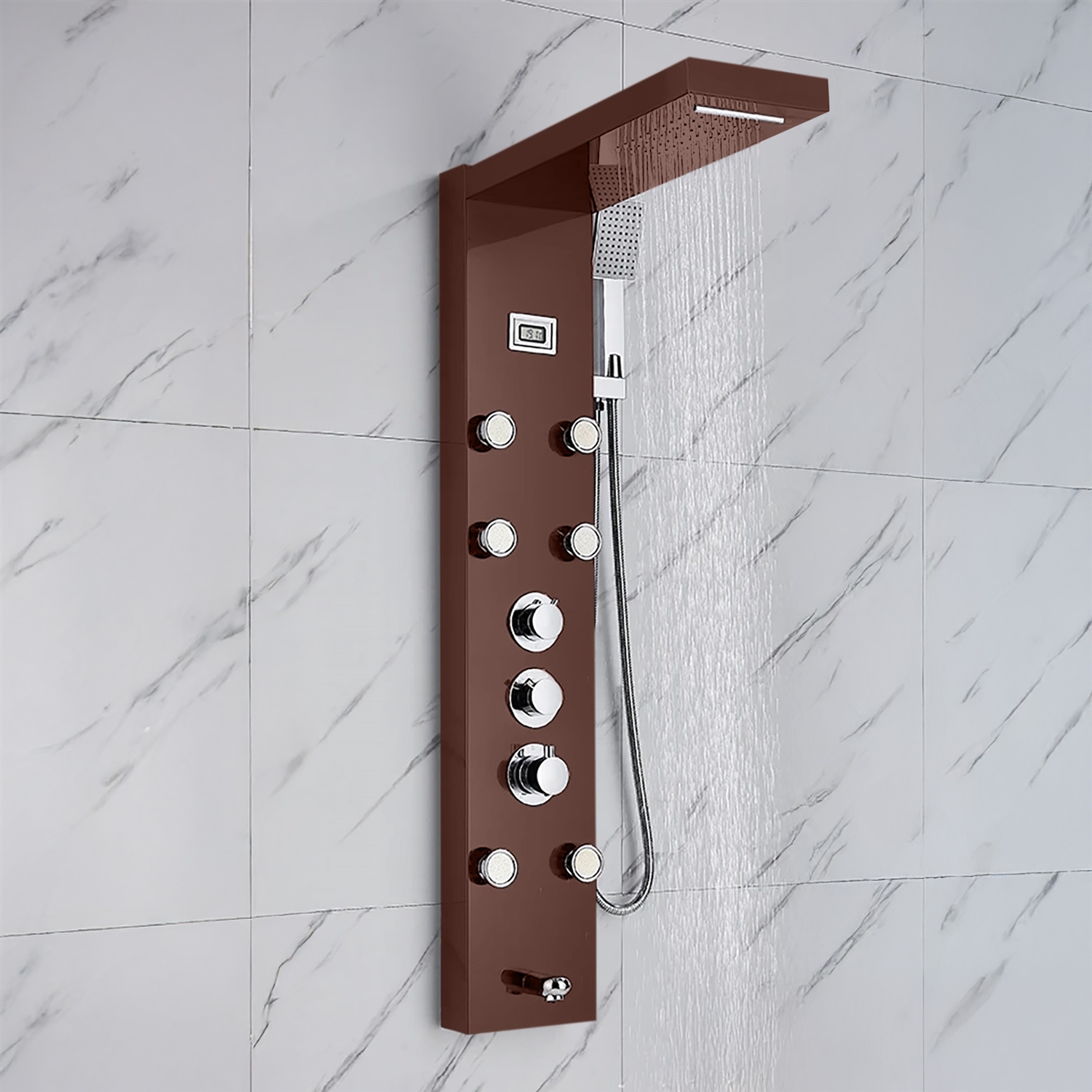
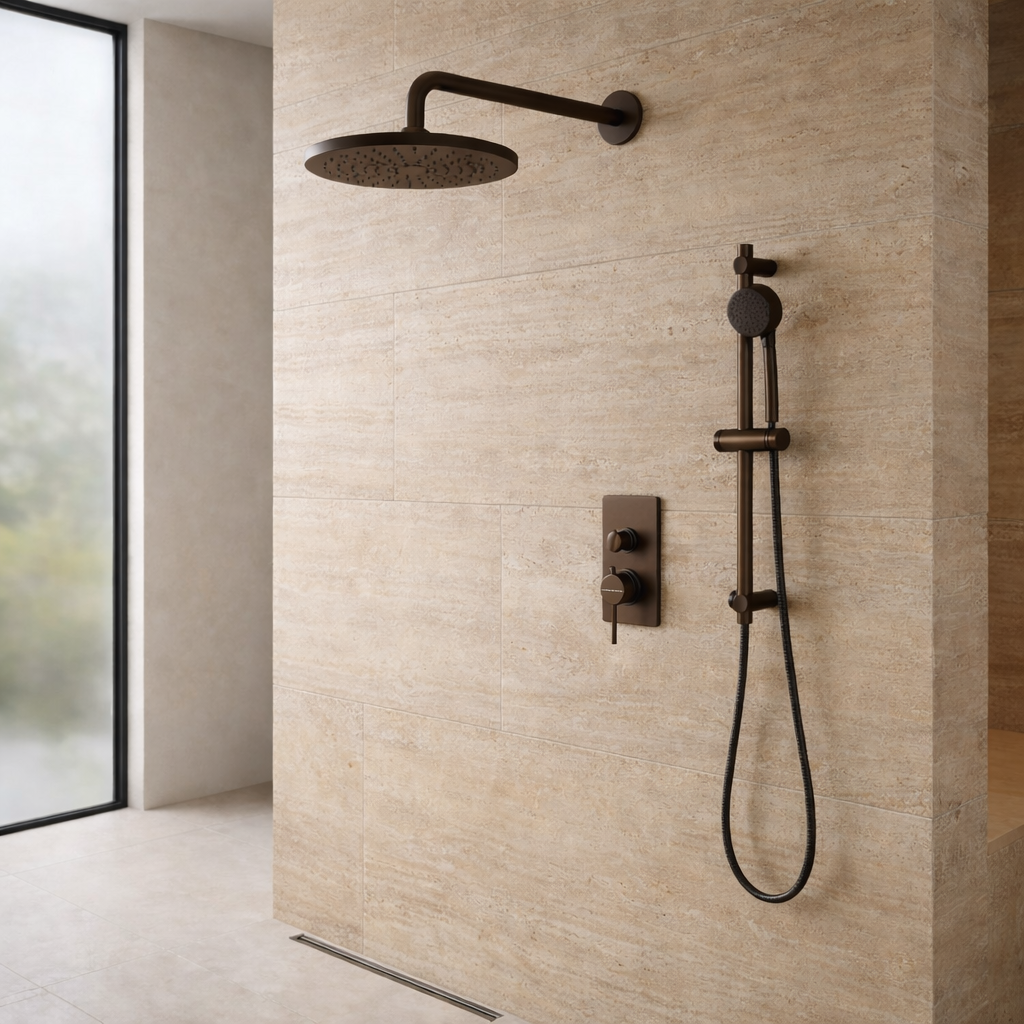
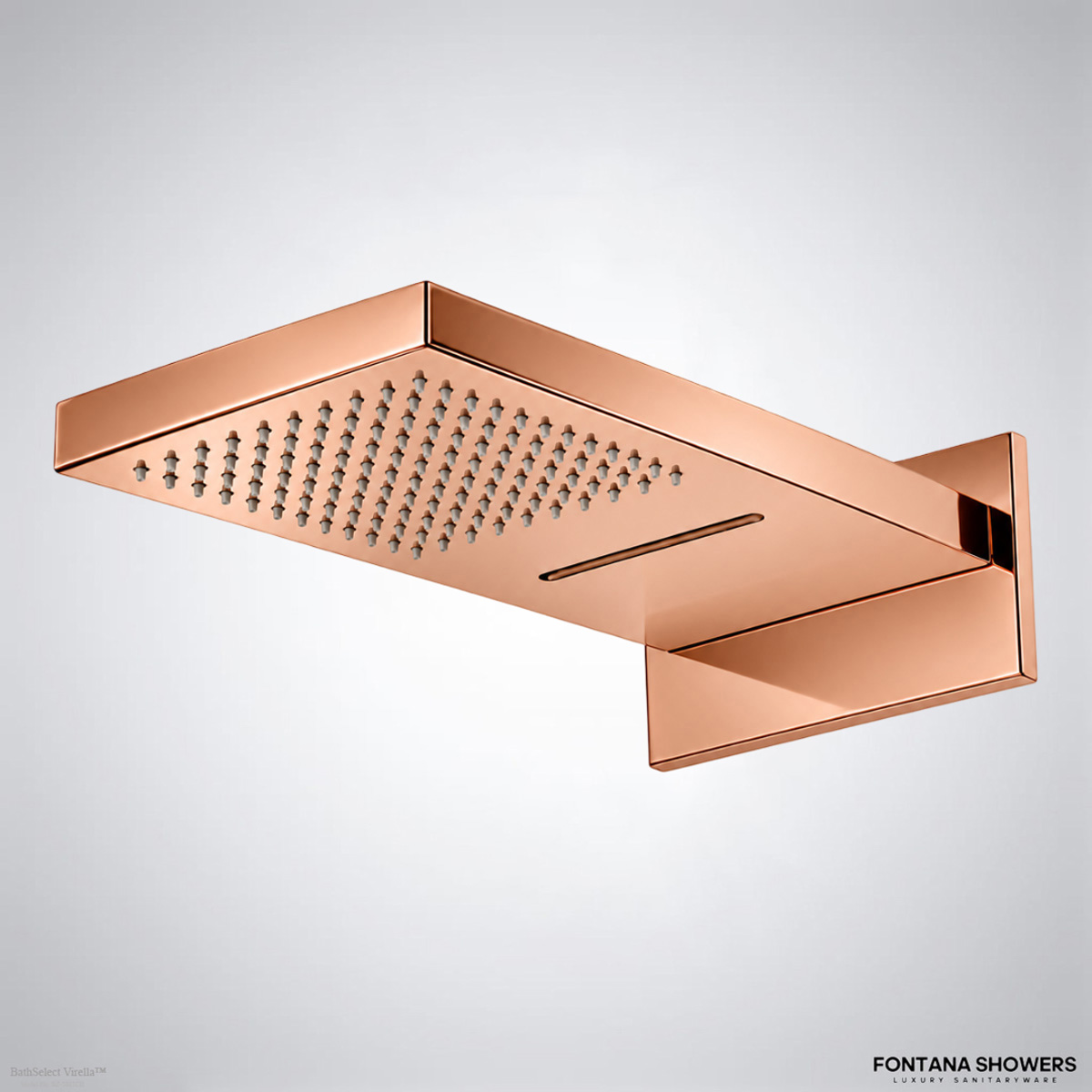
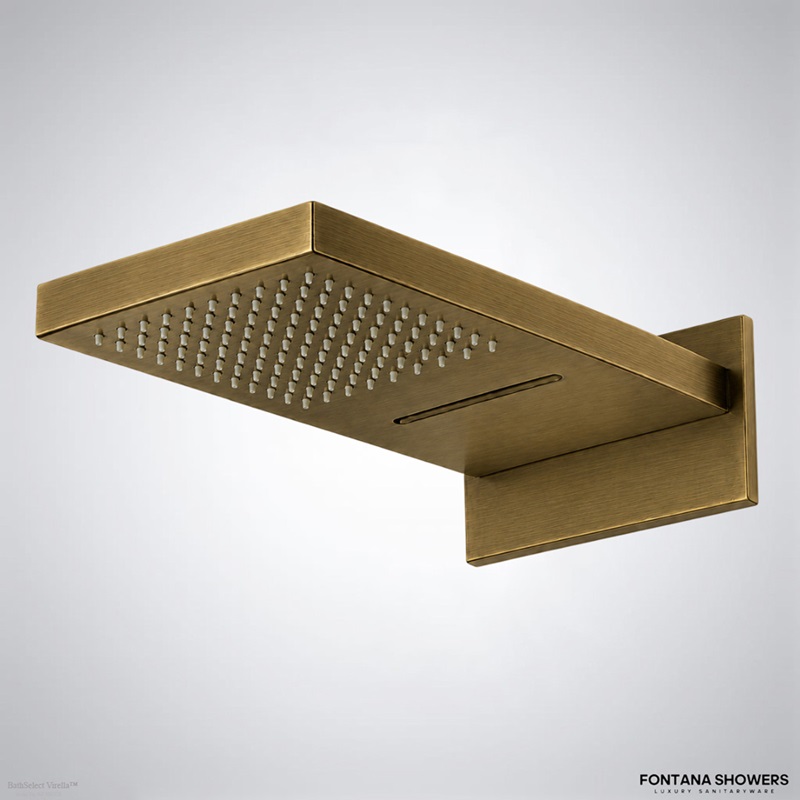
AEC Shower-System Coordination Chart
The following matrix can support design development or be adapted into a plumbing fixture schedule.
| Coordination Item | AEC Review Requirement | Design Implication |
|---|---|---|
| Rainfall outlet | Confirm rated flow and available residual pressure. | Establishes spray coverage and supply sizing. |
| Simultaneous outlets | Define permitted operating combinations. | Sets maximum composite water demand. |
| Thermostatic valve | Check listing, flow capacity and accessibility. | Supports temperature stability and maintenance. |
| Body sprays | Coordinate quantity, elevation, spacing and manifold layout. | Reduces uneven pressure and poor spray placement. |
| Hand shower | Review hose length, slide-bar position and backflow provisions. | Affects user reach and accessible operation. |
| Drainage | Calculate combined discharge and receptor gradient. | Lowers ponding and overflow risk. |
| Concealed components | Provide access to serviceable valves and electronics. | Limits destructive future repairs. |
| Full fixture schedule | Coordinate visible components across specification sections. | Prevents finish and model-number conflicts. |
| Waterproofing | Detail every wall and ceiling penetration. | Protects the enclosure and adjacent structure. |
| Electrical features | Coordinate supply, controls, bonding and wet-location requirements. | Avoids late electrical redesign. |
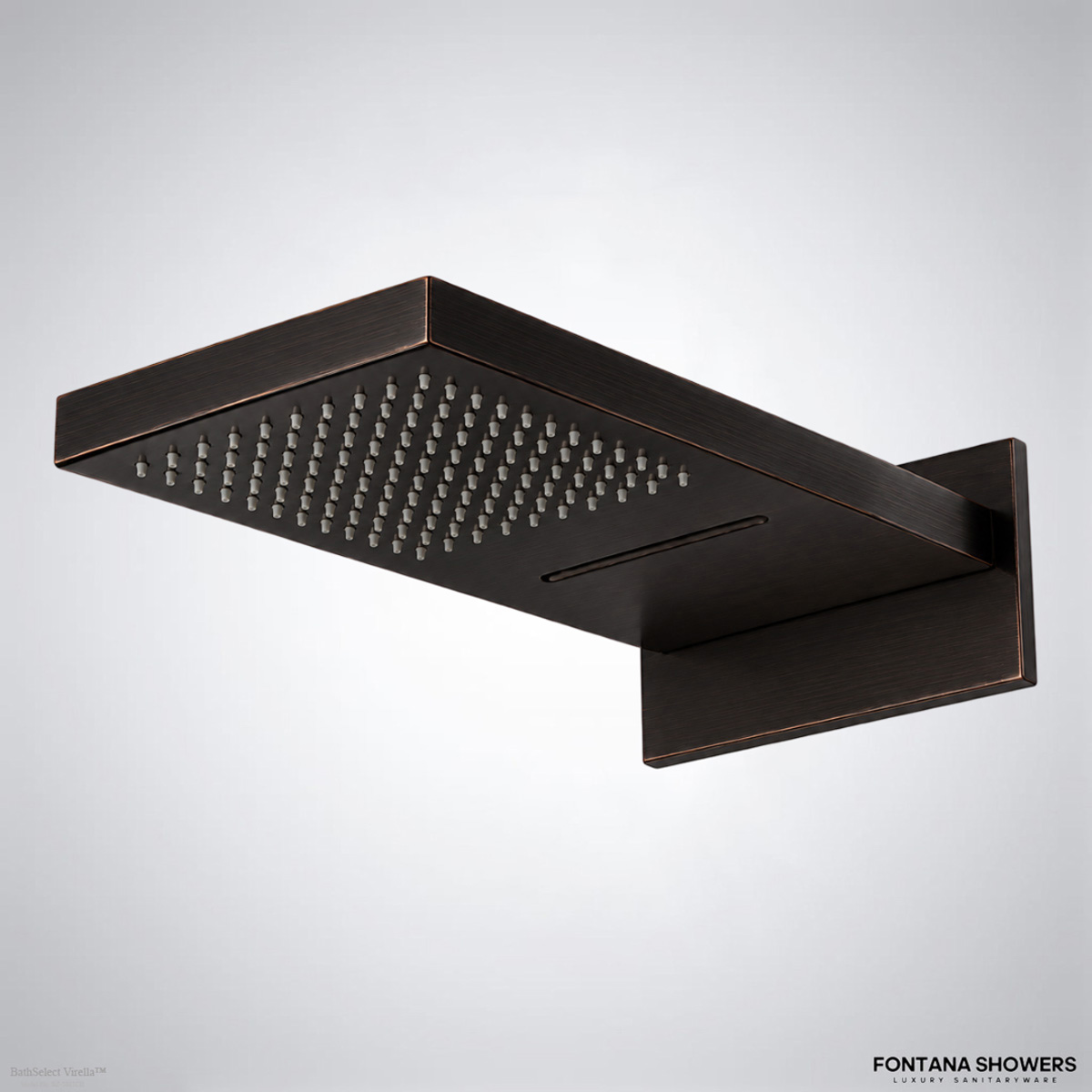
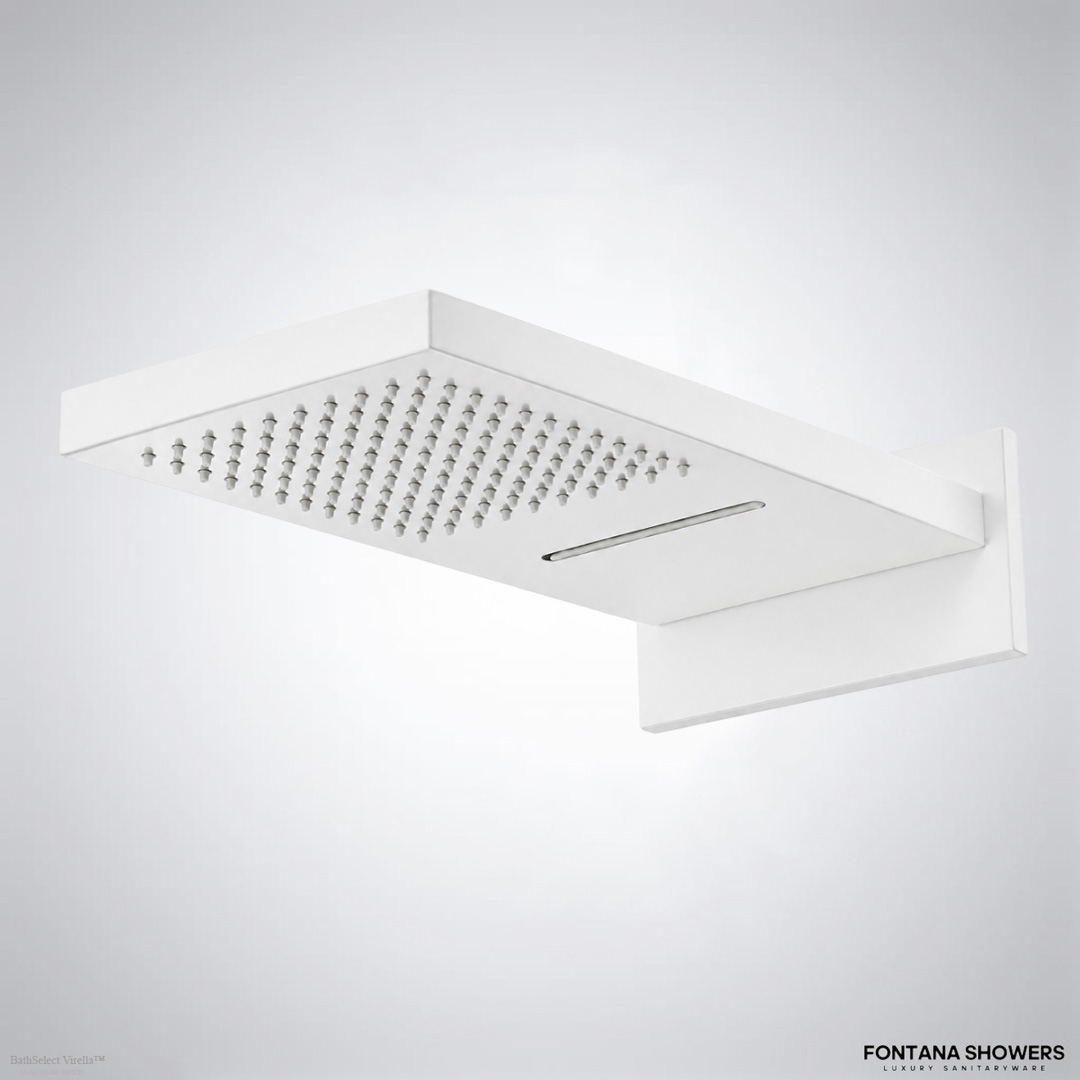
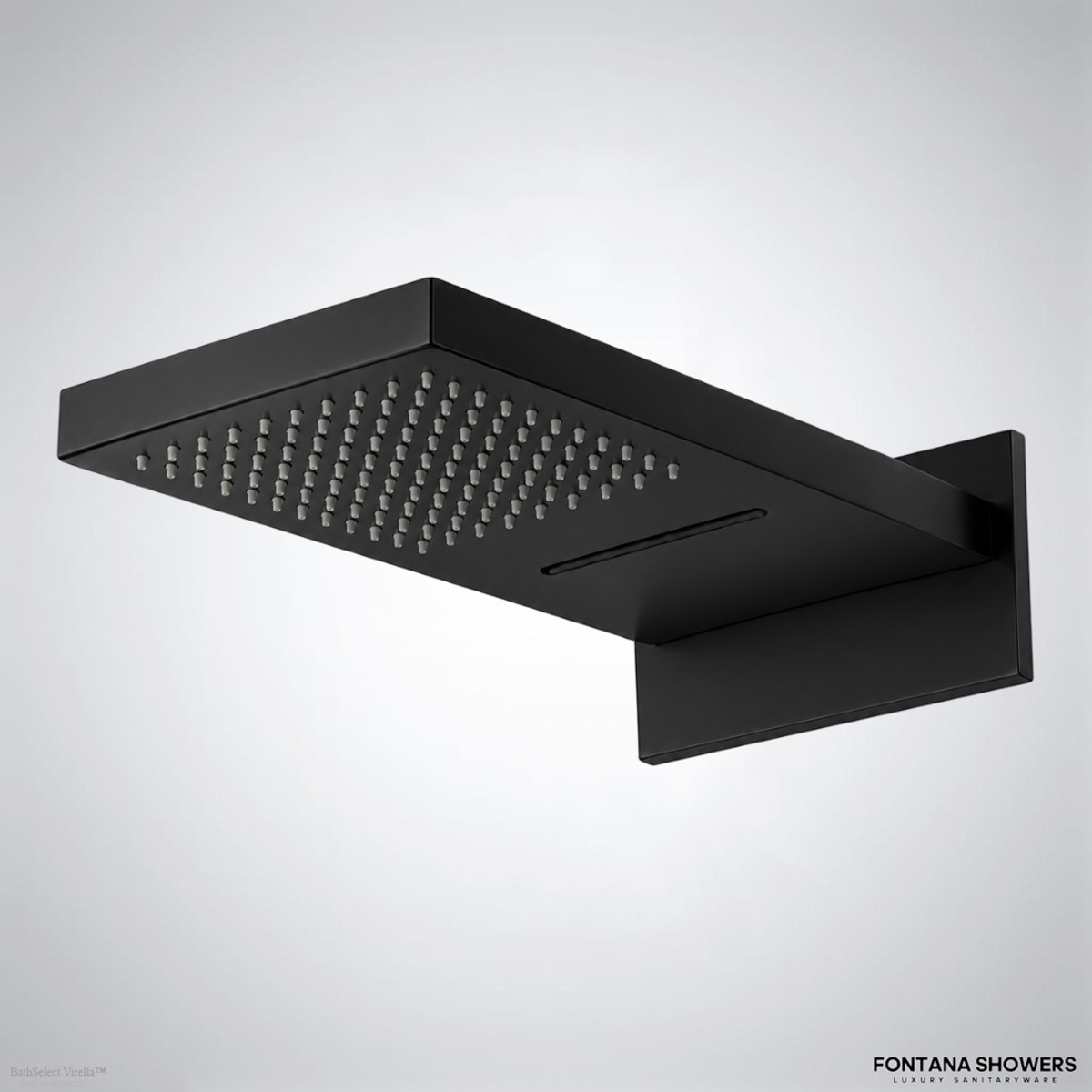
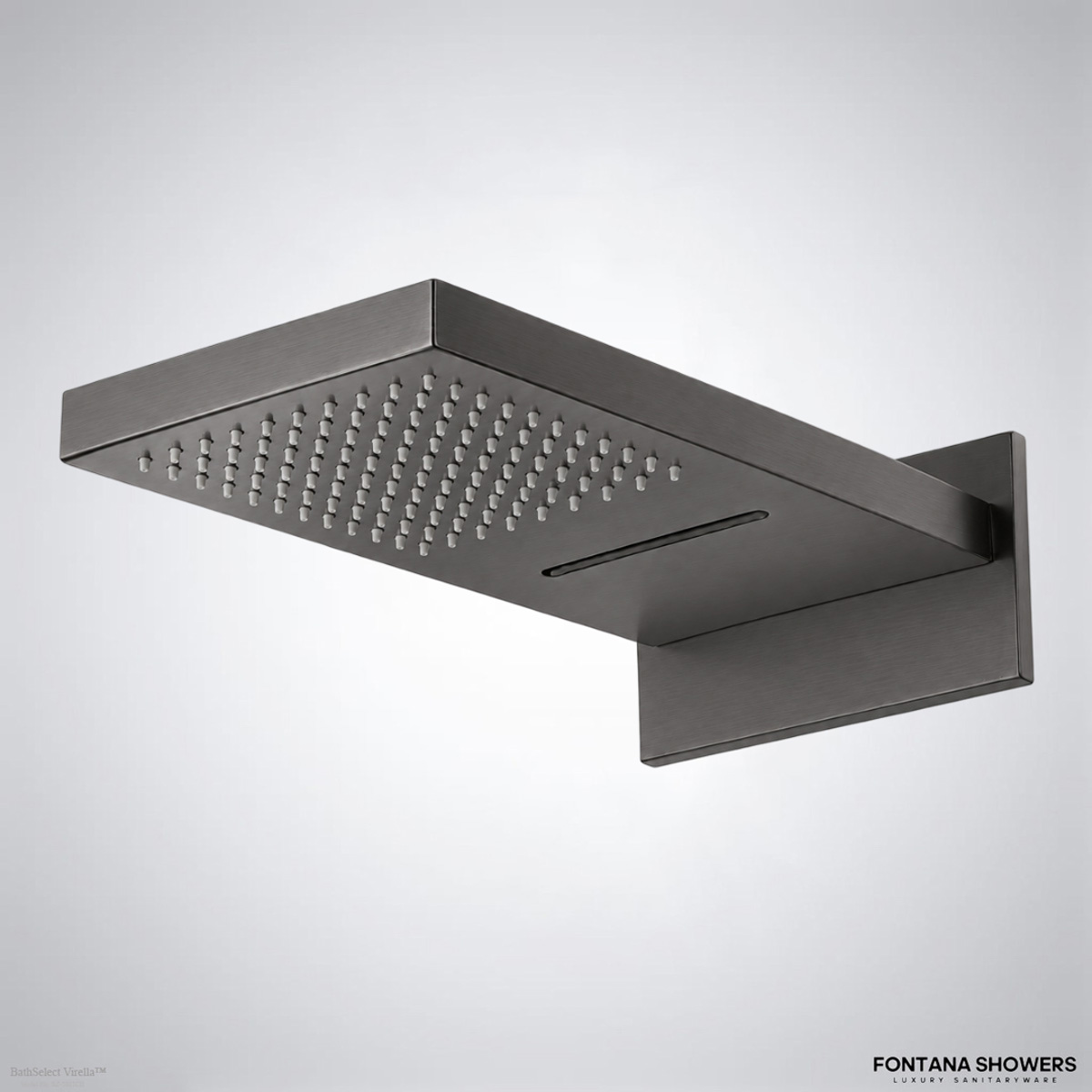
Flow Demand and Pipe-Sizing Example
An overhead rain shower may appear simple, yet pairing it with body sprays and a handheld outlet creates substantial hydraulic demand.
Read MoreShow Less
Consider this illustrative design basis:
| Outlet | Planning Flow |
|---|---|
| Rain shower | 2.0 gpm |
| Hand shower | 1.8 gpm |
| Six body sprays at 0.8 gpm each | 4.8 gpm |
| Potential combined demand | 8.6 gpm |
These figures are an engineering example rather than universal product ratings. Published data for the selected fixture must govern the final design.
At 8.6 gpm, undersized branches can cause weak spray projection, unstable temperature, excessive noise or unequal distribution among body jets. A dedicated manifold with balanced branch lengths can improve consistency. Pressure-drop calculations should include piping, fittings, the mixing valve, diverter, hoses and terminal outlets instead of relying solely on static pressure measured at the building entrance.
EPA WaterSense-labeled showerheads are limited to 2.0 gpm and must satisfy water-efficiency and spray-performance criteria. Body sprays are treated separately within the WaterSense specification, but their contribution still belongs in the total system-demand calculation.
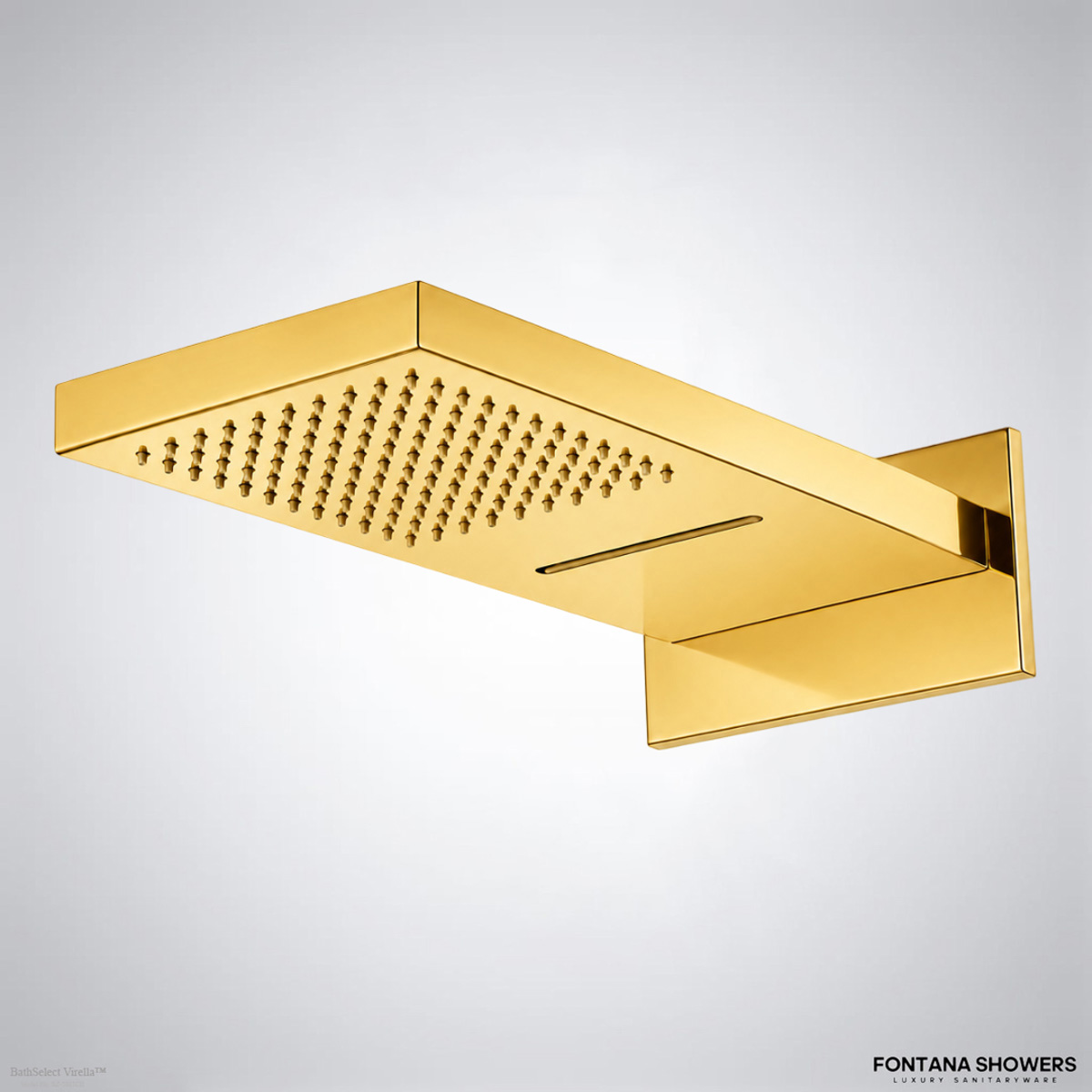
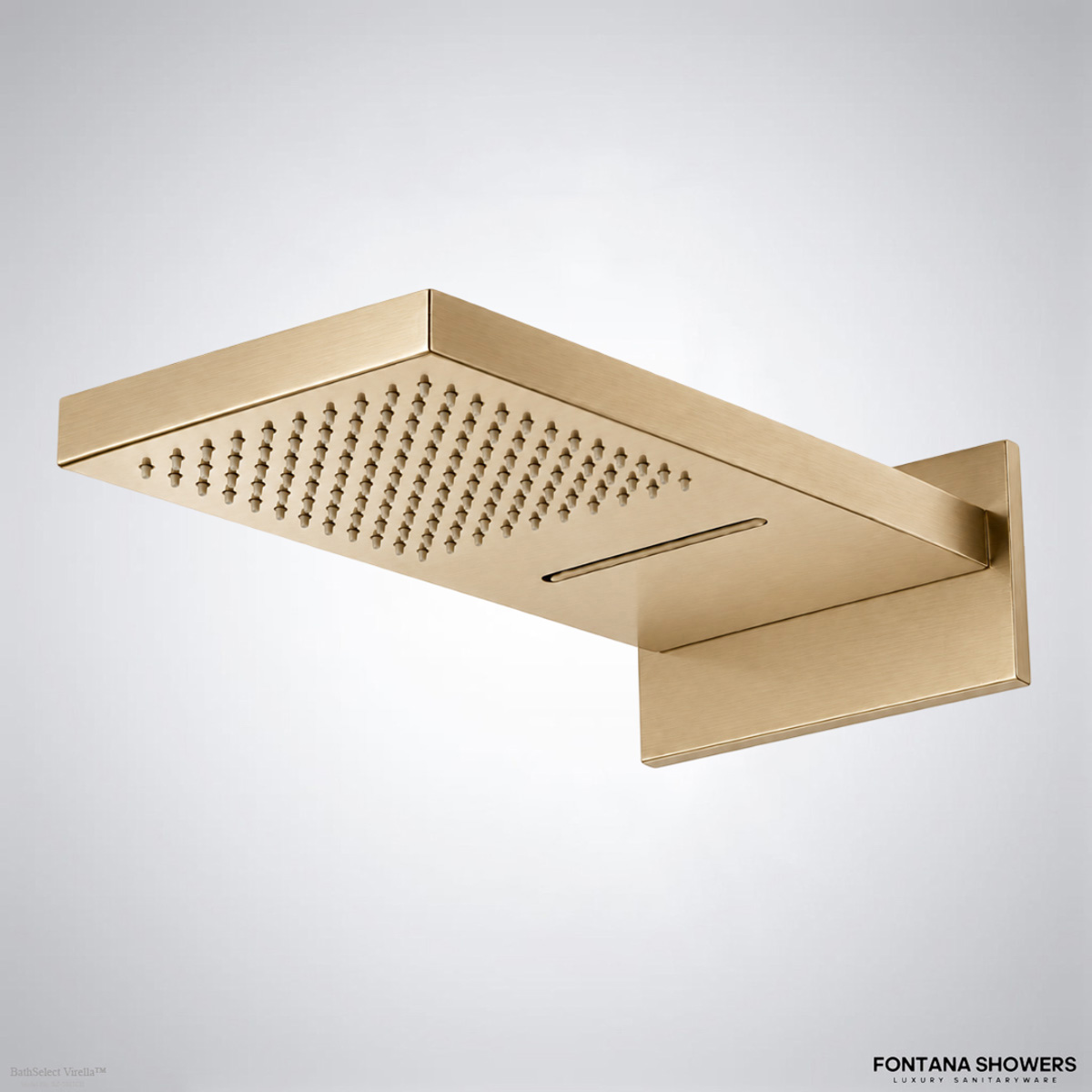
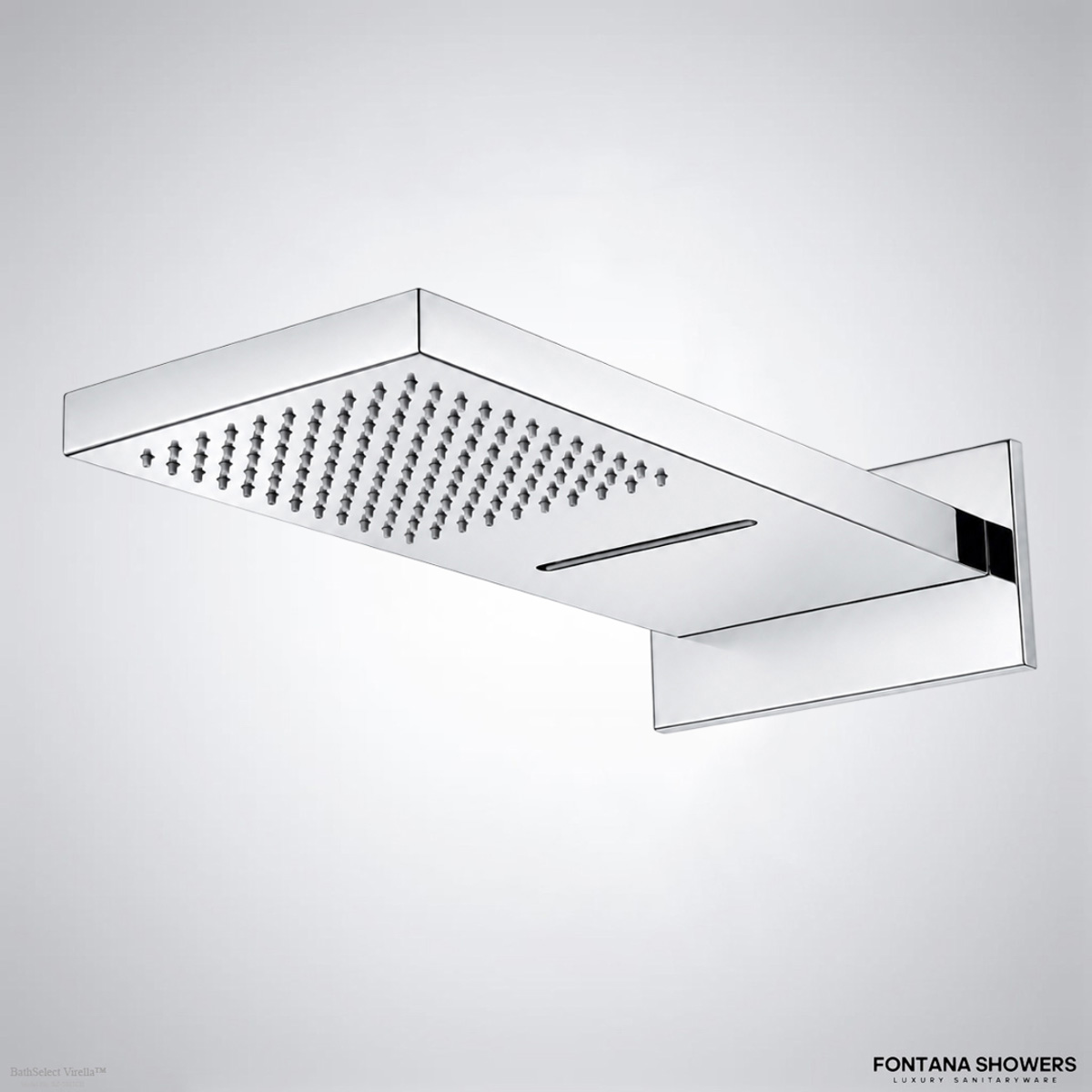
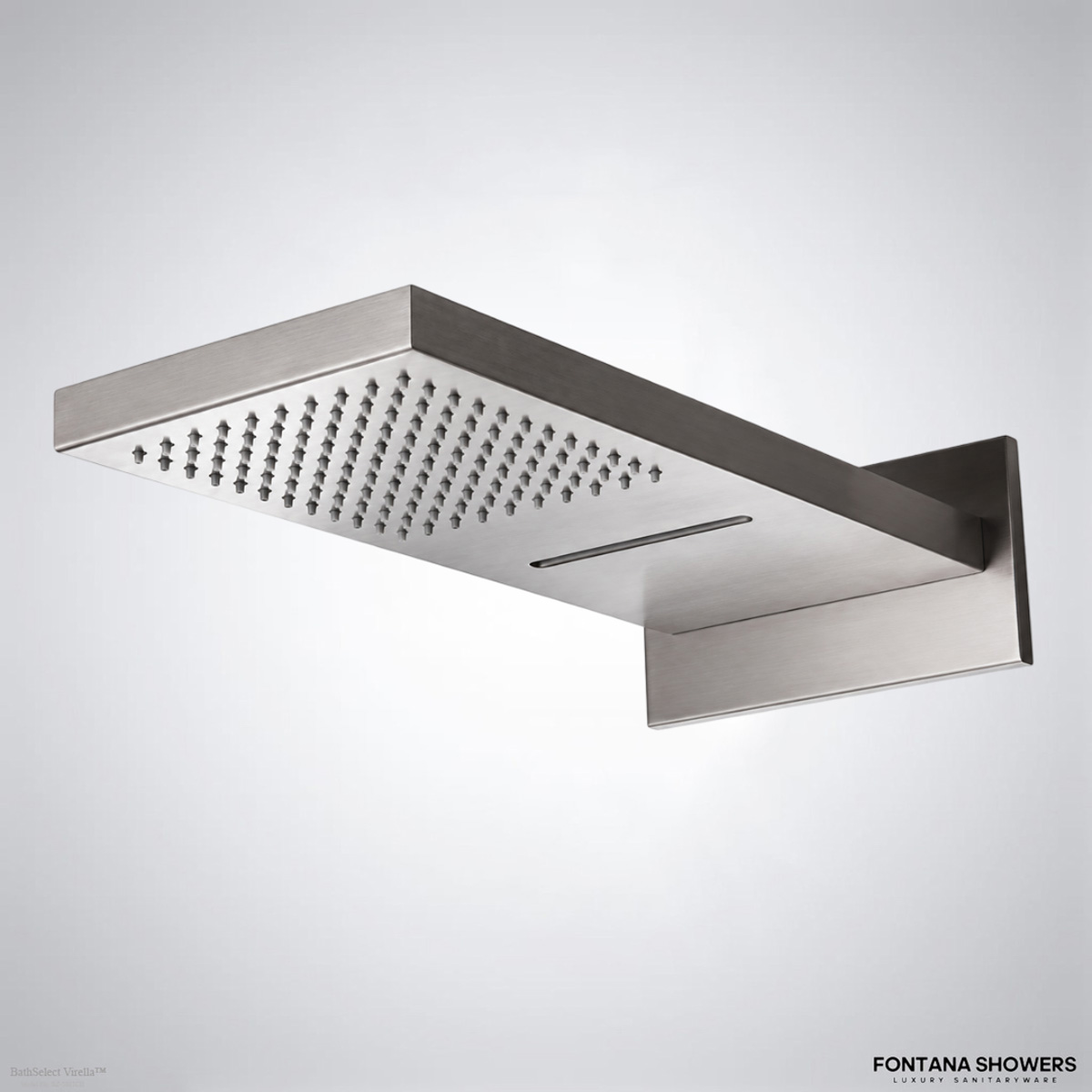
BathSelect rain shower heads can provide efficient overhead delivery, while dedicated shower massage jets may be incorporated for spa-oriented projects.
Inclusive and Accessible Shower Design
An accessible bathing space requires coordinated placement of the valve, handheld spray, seat, grab bars, accessories, enclosure and clear floor area.
Read MoreShow Less
The 2010 ADA Standards generally require accessible shower compartments to include a spray unit with a hose at least 59 inches long that can operate in both fixed and handheld positions. Controls and spray units must fall within the reach range applicable to the selected shower configuration.
A decorative control panel should not be placed where a grab bar, glass panel, cantilevered shelf or seated user will obstruct it. Where accessibility provisions apply, controls should operate without tight grasping, pinching or wrist twisting.
Compliance must be checked against the adopted code and project type. Hotels, healthcare settings, residential units and institutional facilities may apply different requirements to accessible rooms and bathing fixtures.
Digital Controls and Electrical Coordination
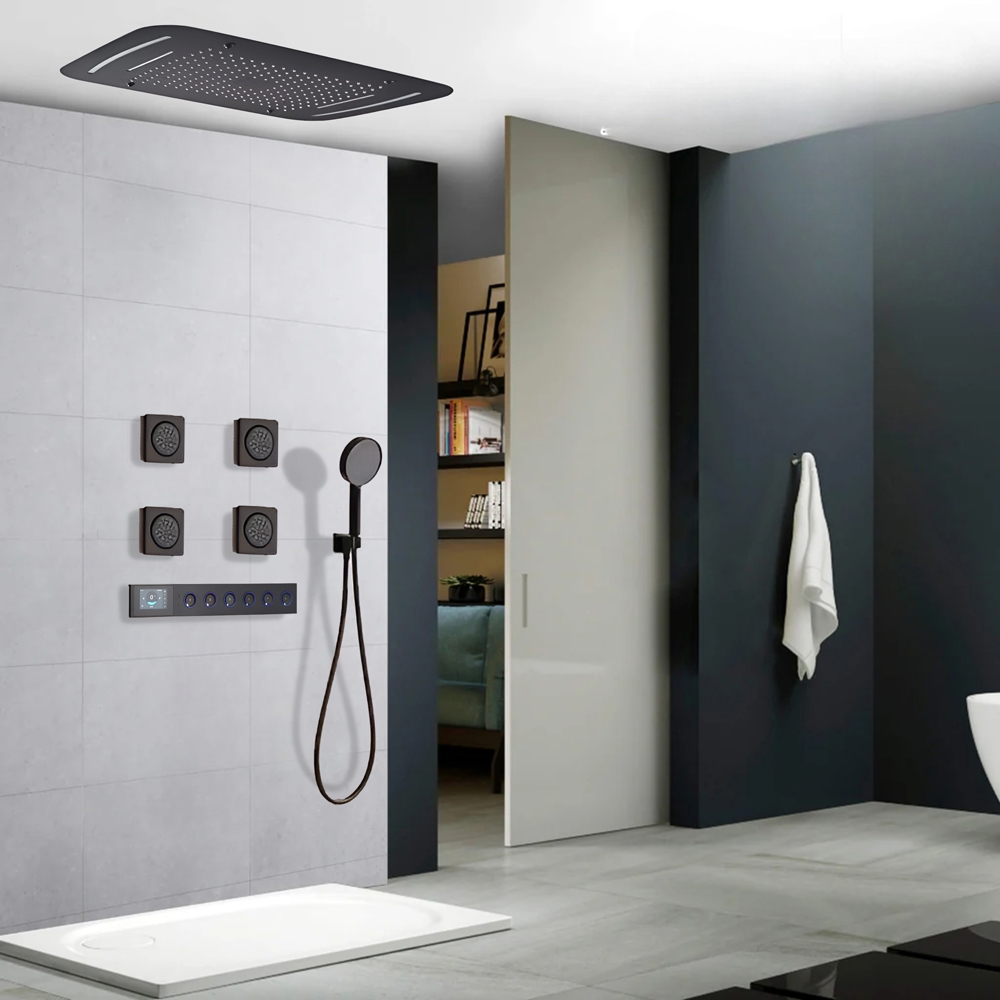
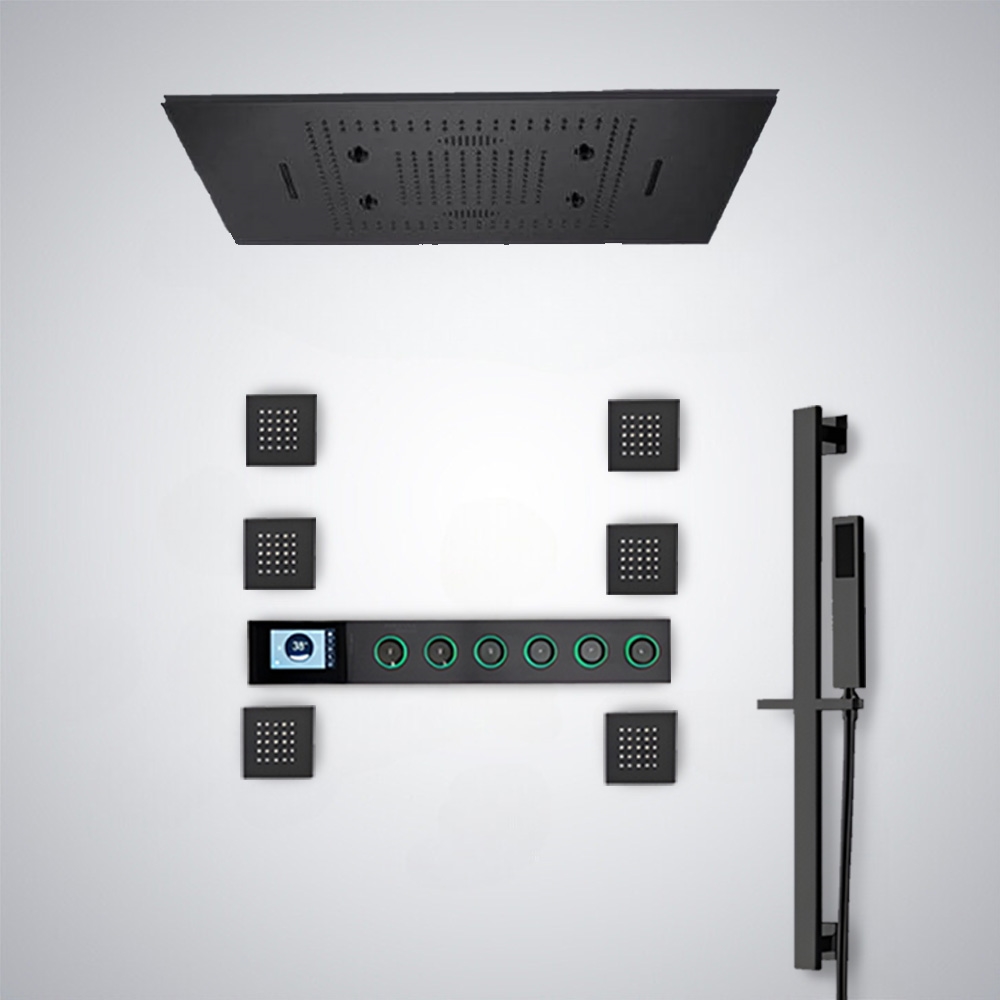
BathSelect digital shower systems may incorporate programmable temperature settings, displays, lighting, audio or other electronic functions. These features require early input from the electrical engineer and wall-assembly designer.
Read MoreShow Less
The design team should establish:
Transformer and power specifications.
Controller and valve-module placement.
Wet-location restrictions.
Access-panel dimensions.
Cable-routing constraints.
Ground-fault protection.
Separation from hot piping.
Reset and commissioning procedures.
Electronic valves and drivers should not be permanently concealed without a service route. In hospitality projects, access from an adjacent closet or corridor can reduce disruption when maintenance is required.
Hospitality Case Reference
Consider a fictitious 120-room boutique hotel in which every bathroom includes a ceiling-mounted rain shower, handheld spray and thermostatic valve.
Read MoreShow Less
During early design development, the architect selected a three-function package primarily for appearance. Plumbing review confirmed that the specified diverter allowed simultaneous use. Modelling the aggregate demand across stacked guest-room branches showed that preliminary pipe sizes and domestic hot-water assumptions were inadequate for peak occupancy.
The team increased riser capacity, limited selected outlet combinations, introduced accessible valve-service panels and standardised rough-in dimensions among room types. These measures reduced installation variation and prevented already tiled assemblies from being opened during commissioning.
The lesson is clear: designer shower systems belong within the building’s domestic-water infrastructure and should not be finalised through a one-off finish-selection exercise.
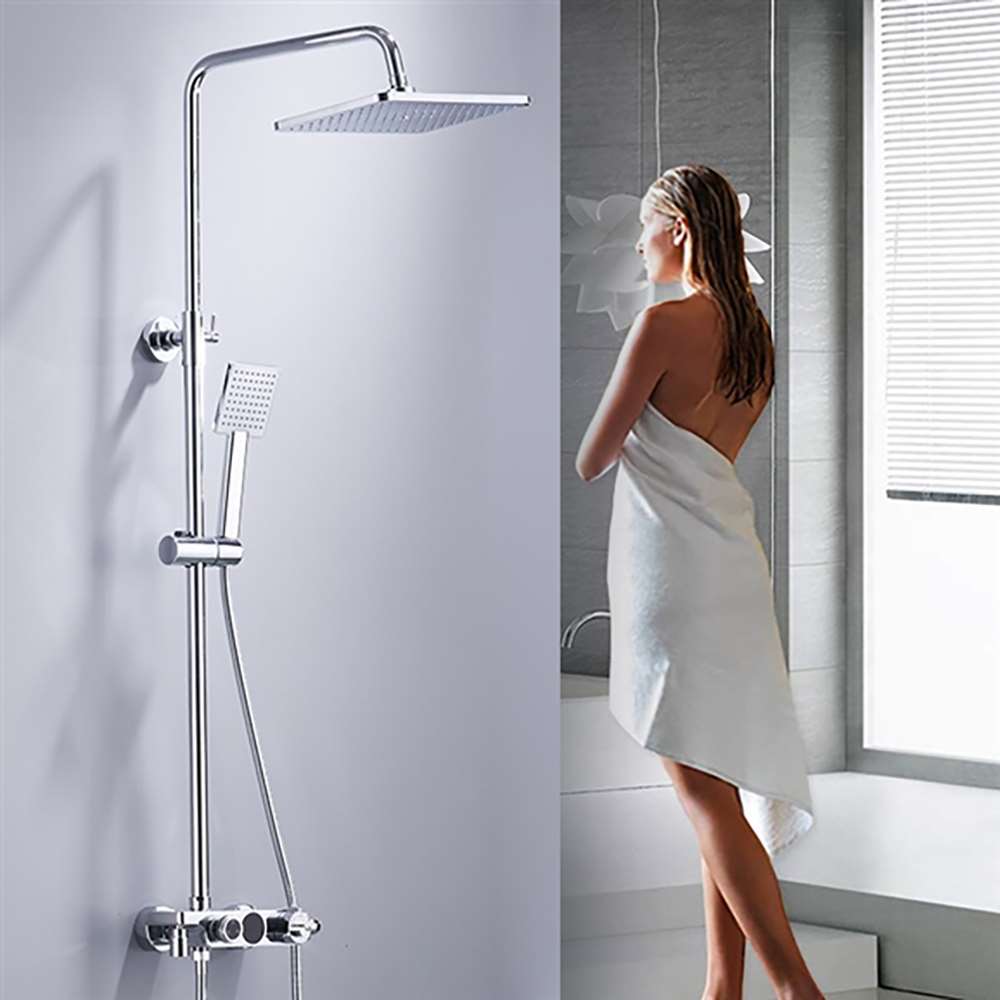
BathSelect Designer Shower System Specifications
A complete specification should identify the model, finish, flow configuration, valve type, outlet count, mounting method, rough-in requirements and necessary accessories.
Read MoreShow Less
ASME A112.18.1/CSA B125.1 covers plumbing supply fittings that may include showerheads, handheld showers, valves and body sprays, depending on the product category and the edition adopted by the authority having jurisdiction.
BathSelect also provides commercial automatic sensor showers for demanding public or institutional settings where controlled operation, hygiene and durability are central criteria.
Record exact model and finish designations.
State whether outlets operate sequentially or together.
Define valve type, rated capacity and temperature protection.
List all outlets and required accessories.
Provide mounting and rough-in dimensions.
Coordinate waterproofing and drainage details.
Document electrical and wet-location requirements.
Identify maintenance access and replacement components.
Architectural Intent Supported by Engineering Discipline
Read MoreShow Less
The value of a designer shower system lies in its ability to unite architectural ambition with technical rigor. Early coordination of valve capacity, water pressure, drainage, accessibility, waterproofing, electrical service and maintenance access allows the finished installation to deliver strong visual impact without sacrificing safety, efficiency or lifecycle performance.
Related Source Links
Authoritative references for designer shower systems, plumbing engineering, thermostatic safety, accessible bathing design, water efficiency, green-building coordination, hospitality interiors and lifecycle facility management.
View Source LinksHide Source Links
 BathSelect Designer Shower SetsCoordinated designer, rainfall and thermostatic shower assemblies.→
 BathSelect Massage Shower PanelsMultifunction shower-panel reference for spa-oriented interiors.→
 BathSelect Shower Massage JetsBody-spray planning, outlet coordination and product reference.→
 BathSelect Hospitality BIM ResourcesDigital coordination support for hospitality bathroom planning.→