Skip to main content

Retrofit Case Study: BathSelect Touchless Upgrades in 1990s Commercial Towers
A practical retrofit story for occupied high rise restrooms. This page shows what changed after replacing manual faucets with
a standardized touchless schedule, where maintenance time was reduced through repeatable parts and settings, and how occupants
responded in post upgrade surveys. The TCO framework below is bid ready and easy to adapt for your next project.
Occupied building phasing and night shift swap planning
TCO improvements across water, labor, downtime, and parts
User survey outcomes focused on cleanliness perception and usability
Explore Retrofit Relevant Categories
Commercial Touchless Faucets
Core retrofit scope for towers and public facilities: durable, serviceable, spec ready.
Browse Commercial Faucets
Automatic Soap Dispensers
Coordinate the handwashing station so the user experience is consistent across floors.
View Soap Dispensers
Project Support
Cut sheets, coordination help, and retrofit parts planning for contractors and design teams.
Contact Support
Architects, engineers, contractors
Occupied buildings and fast change outs
TCO, commissioning, O&M turnover
Institutional and healthcare ready
Key Outcomes
Measured signals owners care about after standardizing fixtures
These outcomes are written as placeholders so you can swap in your real numbers from work orders, water data, and post-upgrade surveys.
-18%Service calls per month (placeholder)
-22%Average close time per call (placeholder)
-12%Outage minutes per sink (placeholder)
+0.7Survey rating delta (out of 5) (placeholder)
Downloads
Keep these in one place for estimators, field supervisors, and closeout packages.
If you have direct PDF links for cut sheets and install manuals, replace the three URLs above with the exact file URLs.
Case Study Snapshot
Why these 1990s towers needed a reset
The buildings used the same restroom core layout on most floors, but the plumbing fixtures had drifted over time.
Different faucet makes, mixed repair parts, inconsistent flow, and frequent handle failures created uneven user experience
and unpredictable maintenance. The retrofit goal was simple: standardize, reduce calls, and make performance consistent.
Observed baseline issues
Handle wear and cartridge failures creating leaks and outages.
Inconsistent flow and temperature behavior across identical restroom groups.
Parts stocking complexity because models were not standardized.
Cleanliness perception issues during peak occupancy.
Retrofit objectives
Standardize models and settings by restroom group for repeatable O&M.
Reduce maintenance touch time and shorten downtime per call.
Improve handwashing usability without changing sink infrastructure.
Deliver a turnover package that is easy to maintain for years.
Phased installs, night shift friendly
Commissioning focused on sensor range and runtime
Turnover centered on spares and repeatable settings
Tip for occupied projects: align floors into repeatable restroom groups and lock in the same sensor settings per group.
That is where the long term maintenance savings typically show up.
Occupied Building Execution
Phasing plan that avoided disruptions
The work was packaged into predictable floor blocks and scheduled after hours. Each restroom group used the same model family,
the same installation steps, and the same commissioning checklist. The result was fewer surprises and faster closeout.
Battery vs hardwired
Fast Battery power works well for phased change outs with minimal coordination.
Stable Hardwired can reduce service cycles when power access is simple.
Choose one approach per restroom group to avoid mixed maintenance routines.
Field checks before ordering
Mounting type: deck or wall and existing hole pattern.
Shutoff access and valve condition per sink line.
Pressure and supply conditions that influence solenoid performance.
Reflective surfaces and sight lines that affect sensor aiming.
Bid Ready Framework
TCO drivers that mattered most on this retrofit
This table is written for estimating and owner conversations. It focuses on what typically changes after standardizing models,
settings, and spares across a multi floor portfolio. Adjust the inputs to match your labor rates, call patterns, and energy plan.
Service calls
Baseline Pattern in Older Towers
Multiple faucet makes and mixed repair parts increase troubleshooting time.
Retrofit Control
Standardize models per restroom group and keep a small spare set by model.
What to Track After Turnover
Calls per month, average close time, and repeat visits.
Downtime
Baseline Pattern in Older Towers
Out of service sinks reduce capacity during peak occupancy.
Retrofit Control
Use repeatable install steps, confirm shutoff access, and commission consistently.
What to Track After Turnover
Outage minutes per sink and restroom availability during peak hours.
Water and runtime
Baseline Pattern in Older Towers
Manual handles left open and inconsistent aerators cause variability.
Retrofit Control
Commission runtime and flow targets per sink line and keep settings consistent.
What to Track After Turnover
Runtime setting, flow per sink, and usage patterns by floor.
Battery service
Baseline Pattern in Older Towers
Mixed power strategies create inconsistent maintenance schedules.
Retrofit Control
Pick a power approach per group and document replacement cycles.
What to Track After Turnover
Battery change frequency and labor time per round.
Parts stocking
Baseline Pattern in Older Towers
High SKU variety forces larger stock and emergency ordering.
Retrofit Control
Limit model families and standardize spares for solenoids and sensors.
What to Track After Turnover
On hand parts, stock outs, and emergency shipments.
User satisfaction
Baseline Pattern in Older Towers
Inconsistent behavior drives complaints even when fixtures “work.”
Retrofit Control
Standardize sensor range and aiming and match behavior across identical restrooms.
What to Track After Turnover
Survey rating trends and top complaint categories.
If you want quick wins, start with standardized settings and spares. The labor and downtime improvements often outweigh the rest.
Closeout Quality
Commissioning checklist for consistent behavior
A retrofit is only “standardized” if identical restrooms behave the same. Use this checklist during punch and at turnover so
maintenance and owners can trust what they see on day one.
Sensor and activation
Set sensor range and aiming for each sink line.
Check for reflective surfaces in the sensor field of view.
Confirm consistent activation distance on every sink in the group.
Runtime, flow, and stability
Confirm runtime setting is consistent across the group.
Verify aerators and flow targets match the spec intent.
Test shutoff behavior and confirm no drip after close.
Power and access
Document battery type and location or hardwire access points.
Verify solenoid access is realistic for future service.
Label any non standard conditions so future staff is not surprised.
Turnover package
Provide cut sheets and installation instructions for each model.
Include BIM files if required for owner standards.
Add a recommended spares list and a service quick reference.
Post Upgrade Feedback
What occupants noticed after the retrofit
Surveys on retrofits typically show that consistency matters more than novelty. People respond to reliable activation, steady flow,
and a cleaner perception around touch points. Owners also care about fewer “it feels broken” complaints.
Most common positives
Cleaner perception because fewer users touch handles.
More consistent behavior across floors, less confusion.
Faster handwashing flow during peak office hours.
Most common complaints to prevent
False triggers caused by sight lines and reflective surfaces.
Runtime too short or too long within the same restroom group.
Mixed models on the same floor creating different behavior patterns.
Practical takeaway
Treat sensor range and runtime like a “standard” for each restroom group. When settings are consistent, users stop reporting problems,
and maintenance gets fewer callbacks that are really just behavior mismatches.
Institutional and Healthcare
Notes for higher scrutiny environments
If the same approach is used in institutional or healthcare settings, the biggest shift is documentation discipline.
The retrofit still benefits from standardization, but the turnover package and commissioning notes matter more.
Documentation expectations
Model list by room group with exact settings recorded.
Spare parts plan tied to maintenance cycles and access.
Clear installation instructions and a quick service guide.
Operational considerations
Avoid mixed power strategies within a single unit or wing.
Confirm cleaning protocols do not interfere with sensors.
Plan access for solenoids and shutoffs to reduce disruption.
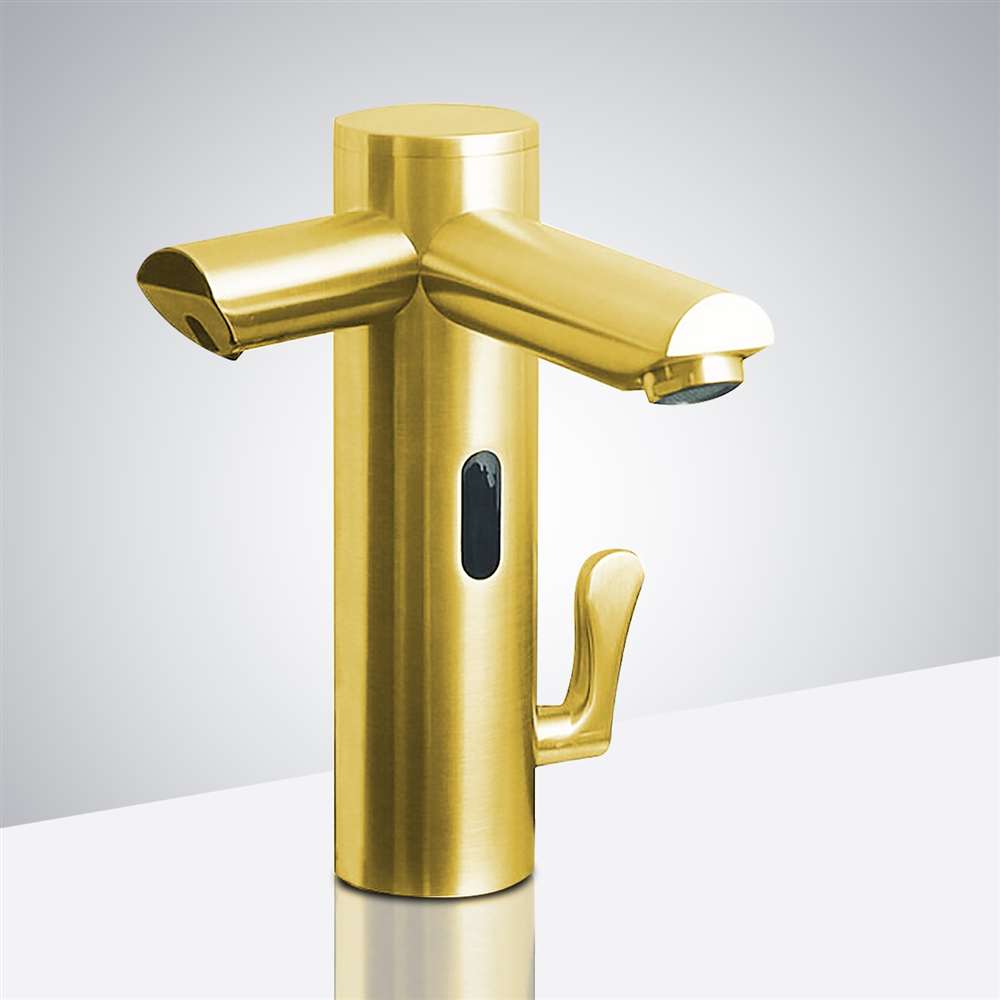
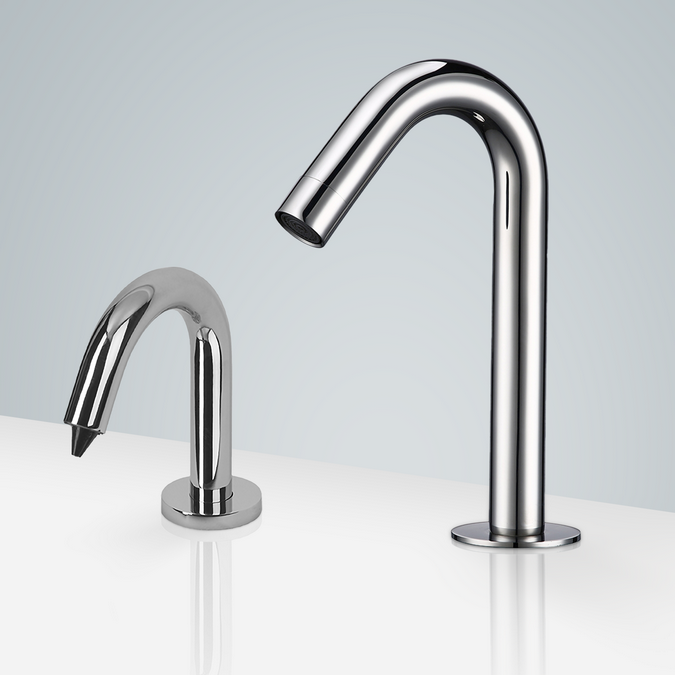
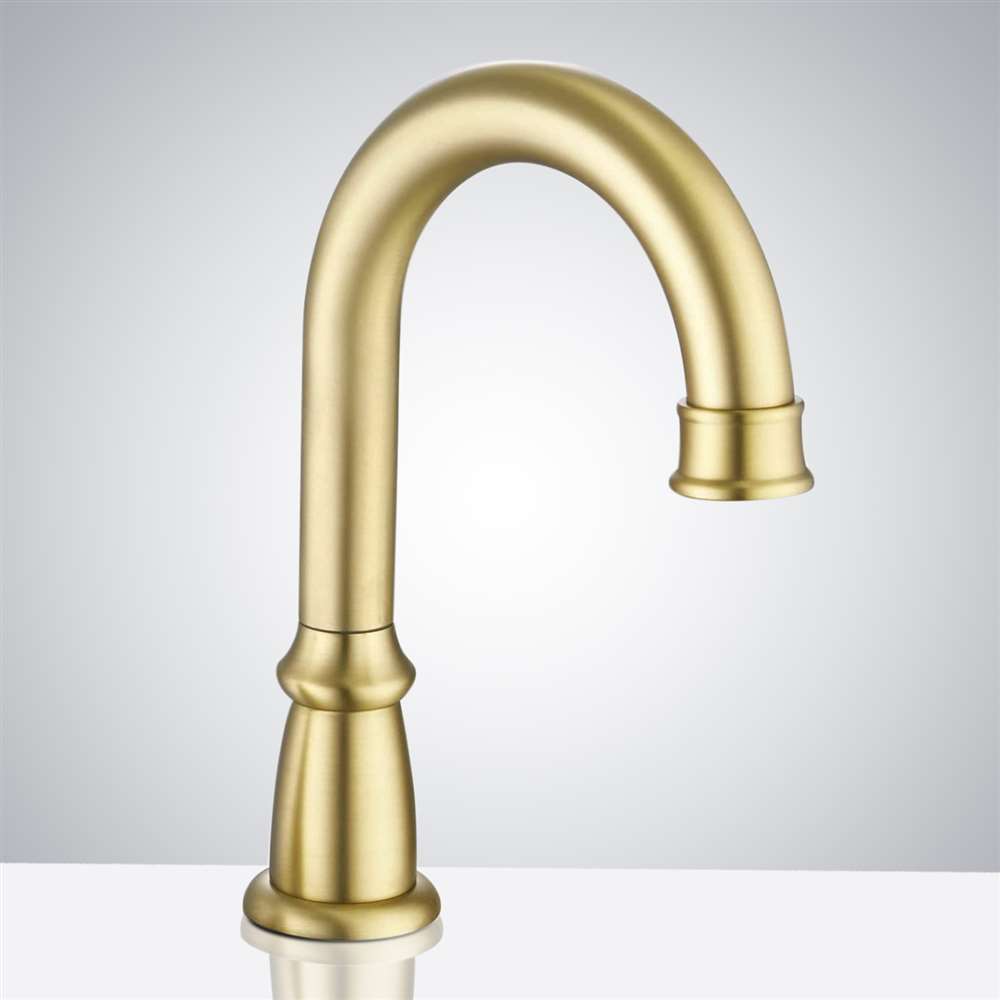
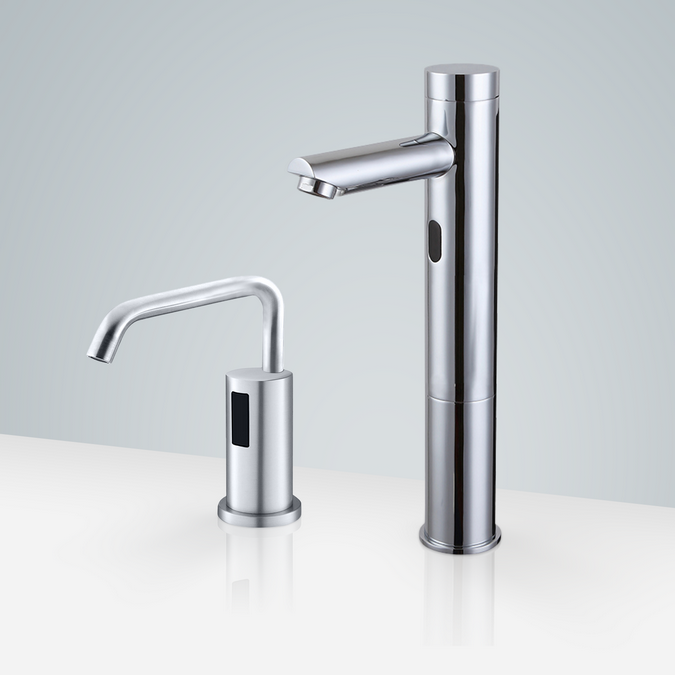
BathSelect retrofit-ready product picks (PDP links + PDP images)
Each tile is linked to a product detail page (PDP) and uses an image from the same product page photo path. Images include width and height to reduce layout shift.
If a product link “does not work”
The most common causes on BathSelect are: the URL is not a true PDP, the product is discontinued, tracking parameters trigger redirects,
or the image file path is wrong. This page removes tracking and uses PDP-style URLs and PDP photo paths to reduce failures.
Secondary Description
How to use these product picks in a real retrofit package
For multi-floor towers, the goal is consistency. Pick one or two faucet families per restroom group, lock in the same sensor range and runtime,
and keep a small spare set for each model. That approach typically reduces troubleshooting time and makes turnover simpler for building staff.
If you are coordinating a full handwashing station, match the soap dispenser approach to the same floor groups. This helps occupants avoid
“mixed behavior” complaints and supports a repeatable maintenance routine.
If you want this turned into a bid-ready schedule: share floor count, typical restroom grouping, and power preference (battery or hardwired).
Two short videos (fast for site walks and owner reviews)
These embeds sit side by side on desktop and stack on mobile. Use them in proposals to show the touchless interaction and typical product behavior in under a minute.
FAQ
Retrofit questions that come up on real jobs
These answers align with how occupied building retrofit projects are typically scoped and commissioned.
Can touchless faucets be retrofitted to existing sinks in occupied buildings?
Yes. Most retrofit scopes focus on matching mounting (deck or wall), confirming shutoff access, verifying pressure range,
and commissioning sensor range and runtime so identical restrooms behave consistently.
Battery or hardwired power for a commercial retrofit?
Battery power is often fastest for phased, night shift change outs and reduces electrical coordination. Hardwired power can
reduce battery service cycles when power is available and access is straightforward.
What should be included in a retrofit submittal and turnover package?
Include cut sheets, installation instructions, BIM Revit files if required, commissioning checklist (sensor range, runtime, flow targets),
and a recommended spare parts list for turnover.
How do you prevent false triggers after installation?
Commission sensor range and aiming for each sink line, avoid reflective surfaces in the sensor field of view,
and standardize settings across identical restroom groups.
Next Step
Want this packaged for your project scope?
Share the number of floors, sink count per typical restroom group, and your preferred power strategy. We can help you build a standardized
model schedule with a turnover package that is easy to maintain.
|
|
Secondary Description
How to schedule these models without surprises
For occupied retrofits, the fastest path is consistency. Select one model family per restroom group, lock the same sensor range and
runtime settings across identical floors, and confirm shutoff access before ordering. When the fixtures behave the same everywhere,
you reduce “it feels broken” complaints and avoid repeat visits that are really commissioning issues.
What to confirm before procurement
Mounting type and hole pattern (deck vs wall) for each sink line.
Power strategy by group (battery or hardwire) to keep service routines consistent.
Supply pressure and shutoff condition to reduce first-week call backs.
Sight lines and reflective surfaces that can drive false triggers.
How to reduce downtime after turnover
Keep a small spare set per model family (sensor, solenoid, key seals) for quick swaps.
Document the final commissioning settings and keep them consistent by restroom group.
Assign one maintenance playbook per power type and avoid mixing strategies on a floor.
Track service calls by group so adjustments target the right locations.
Practical note
If a product link does not open, the most common causes are a non-PDP URL, a discontinued listing, tracking parameters causing redirects,
or an incorrect image path. This page uses PDP-style links and photo paths to reduce those failures.
|
|
|