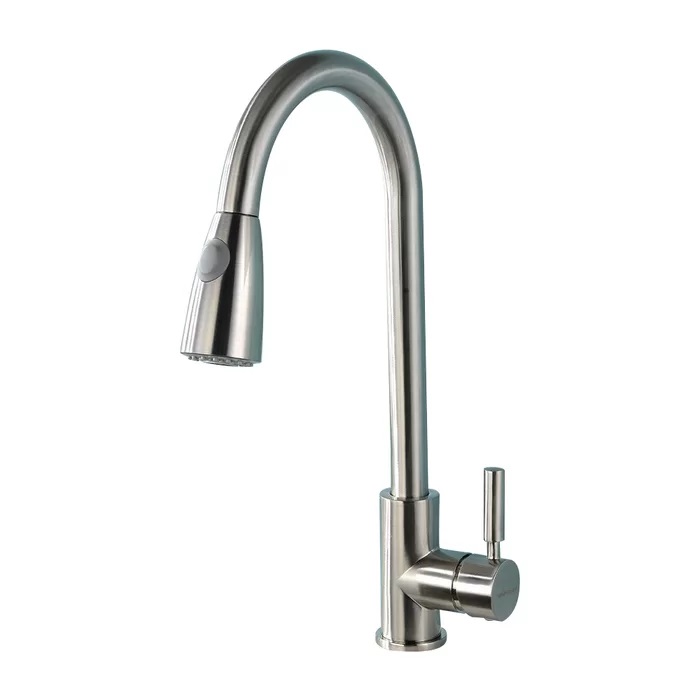
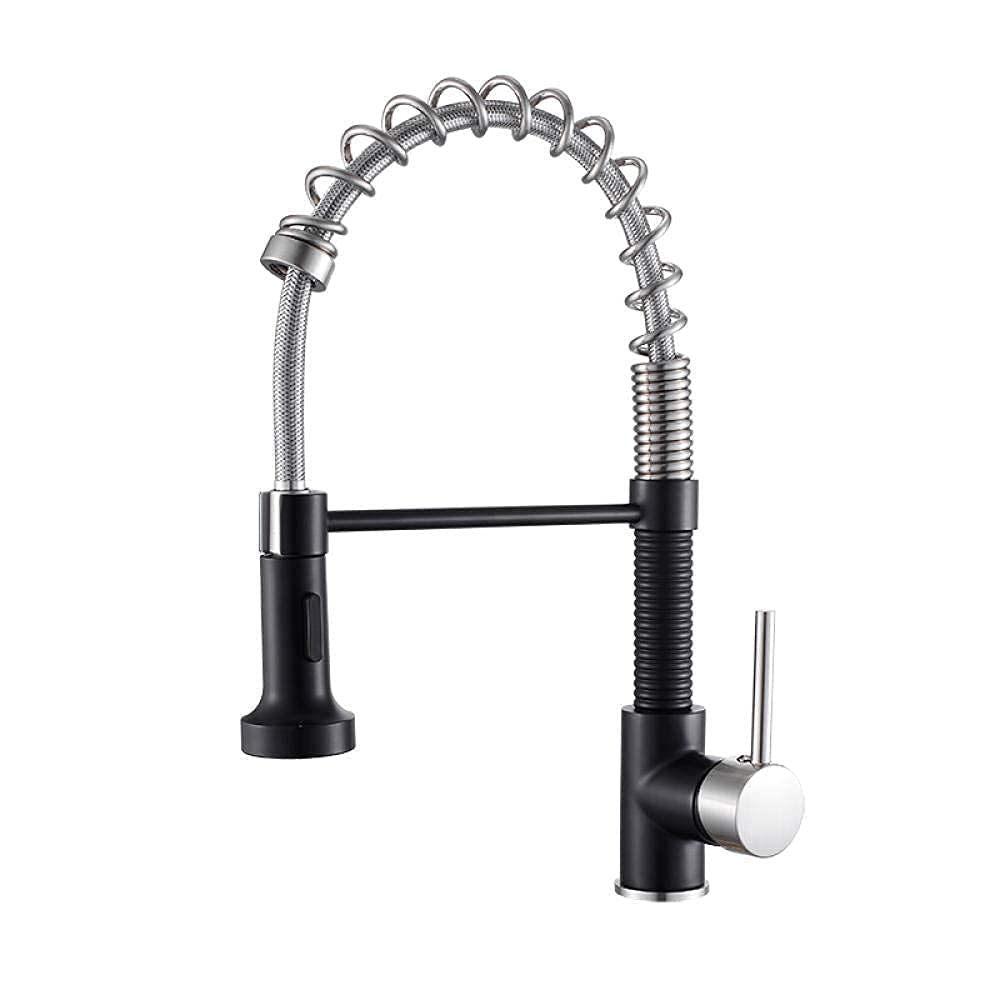
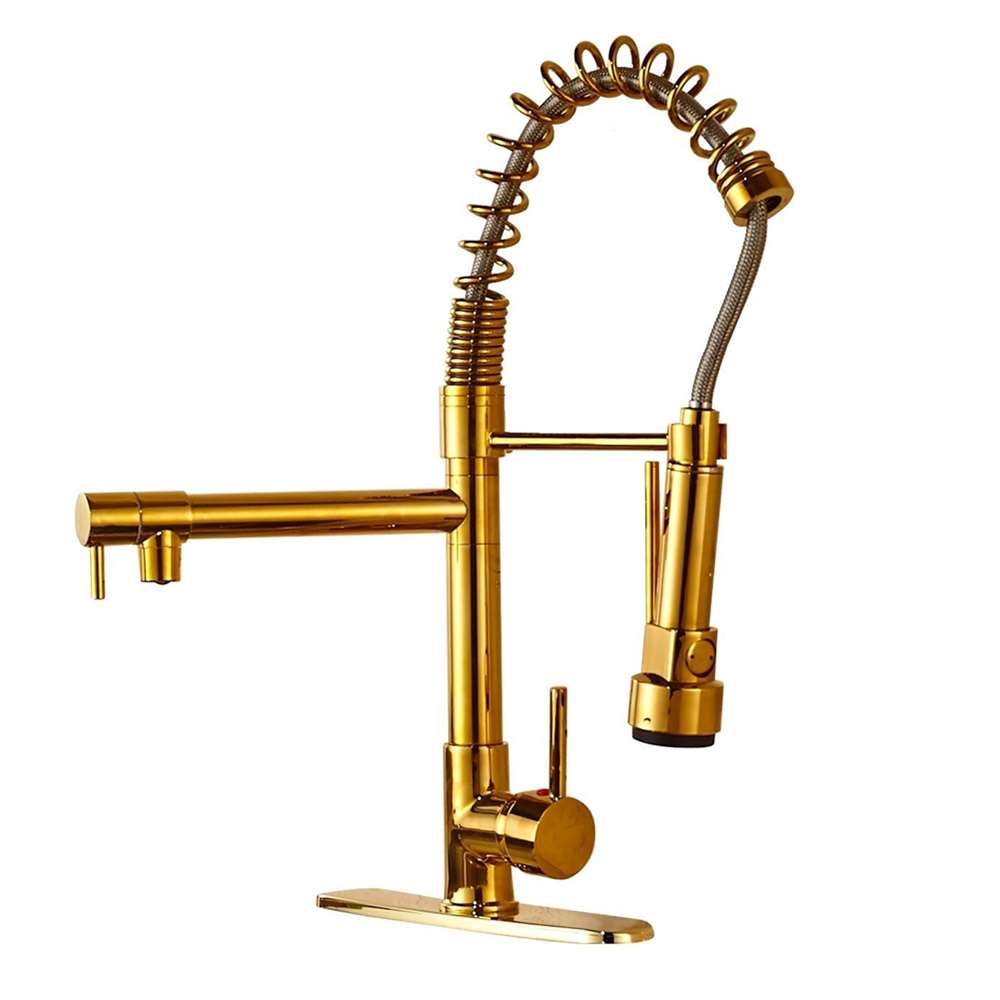
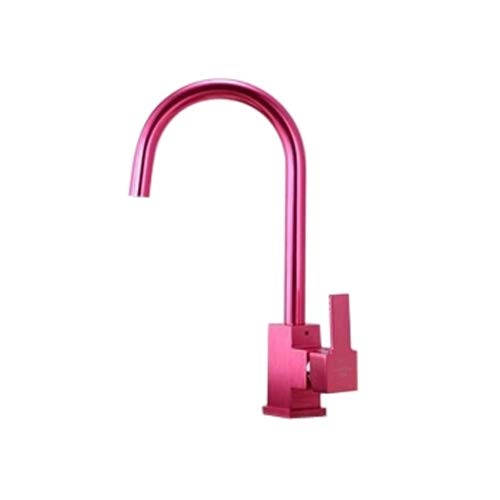
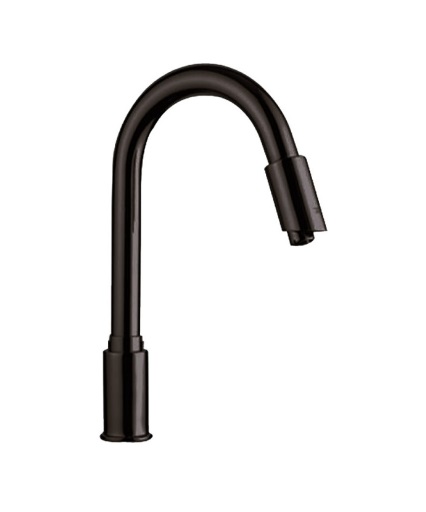
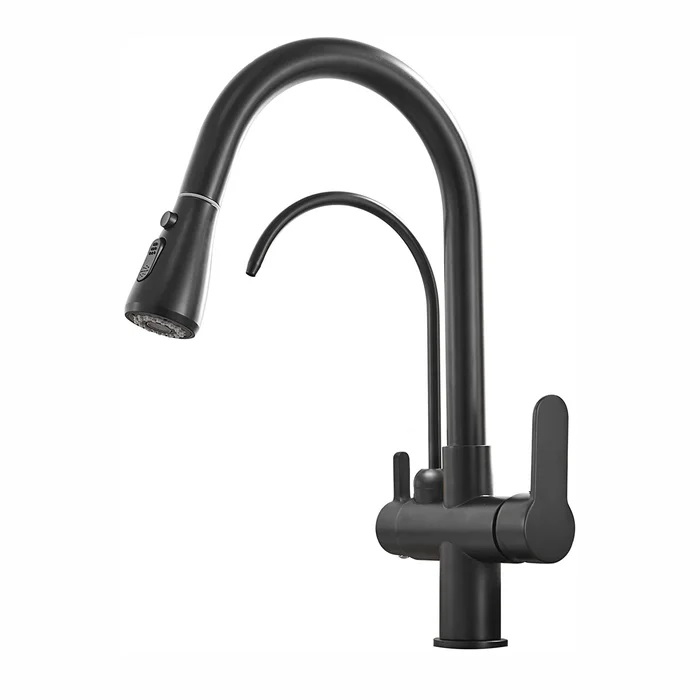
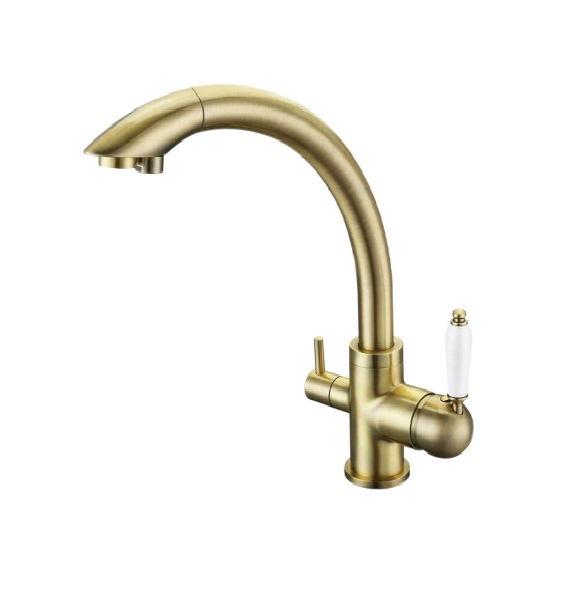
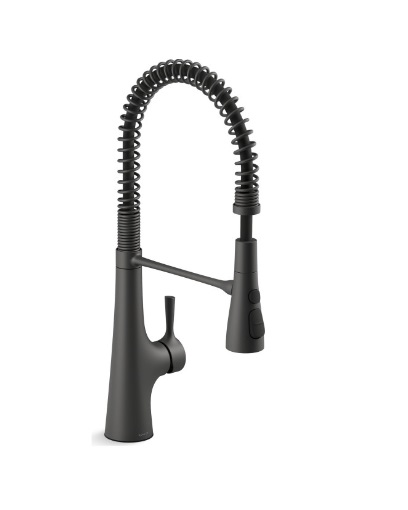
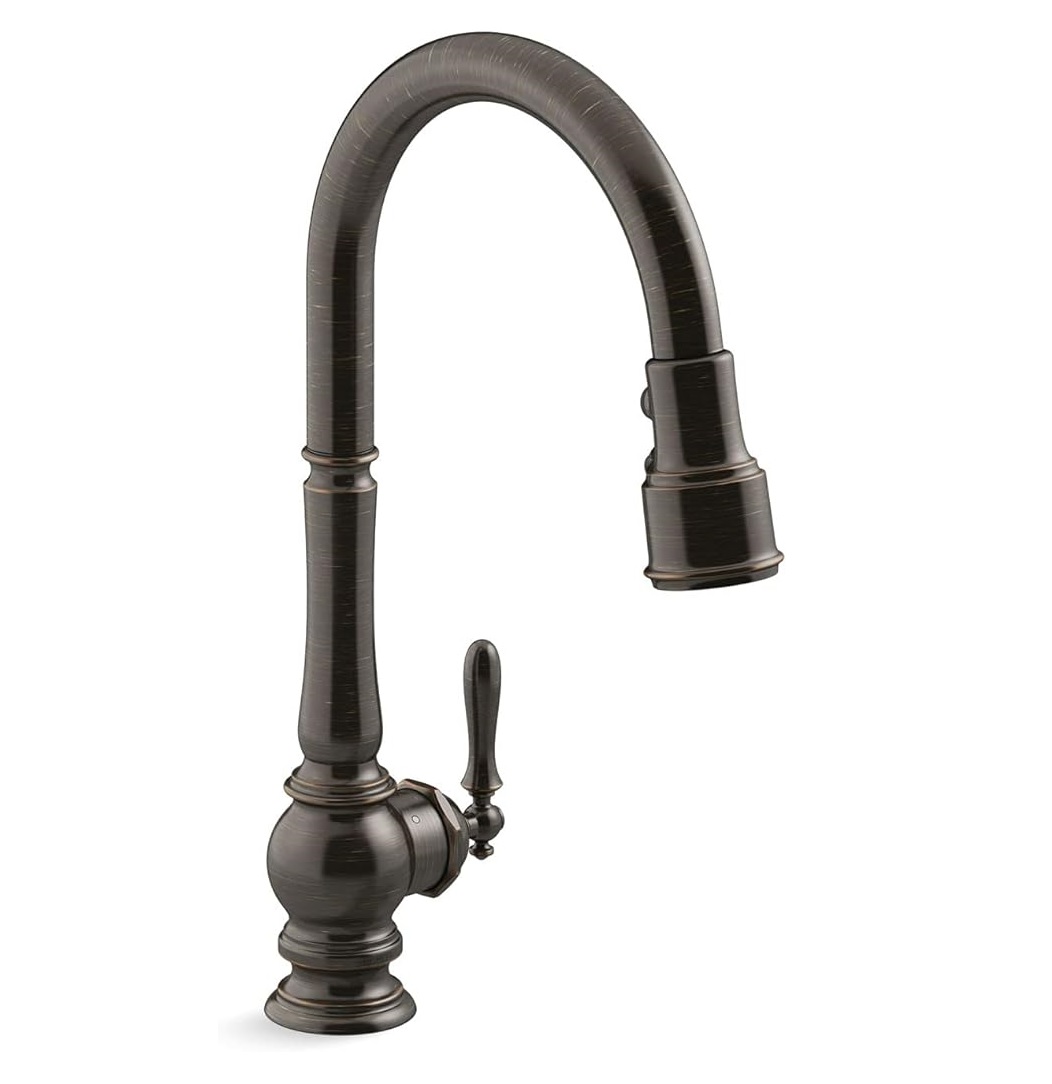
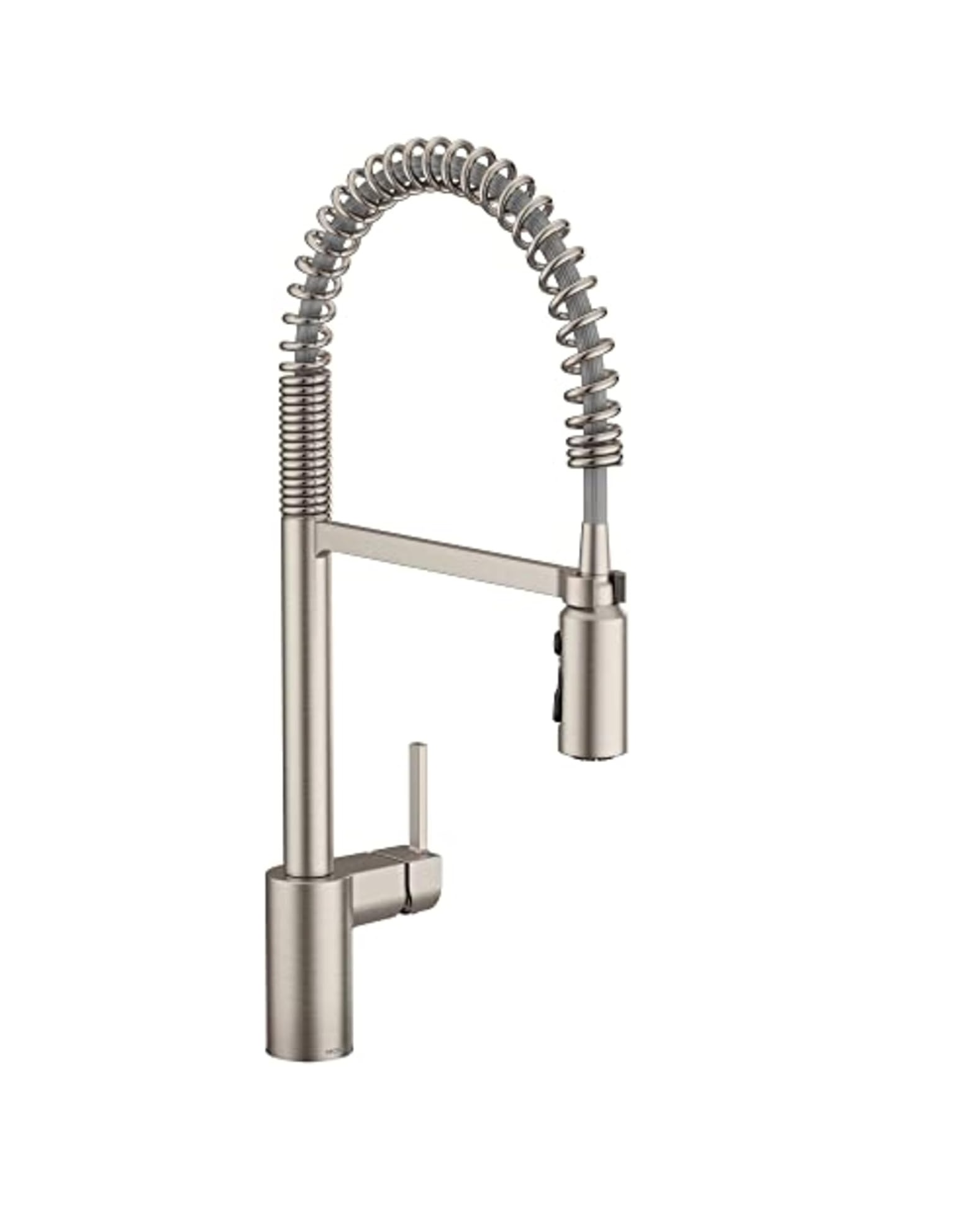
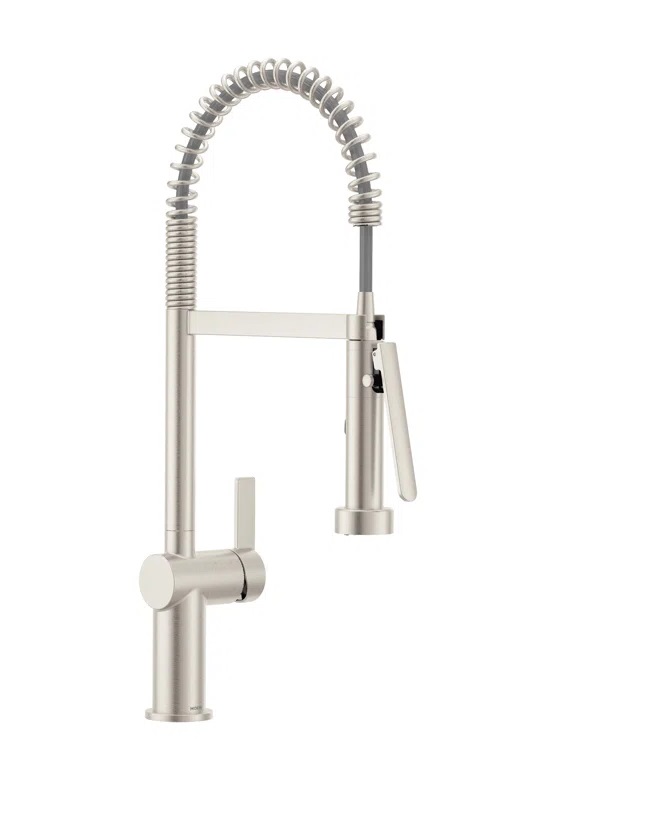
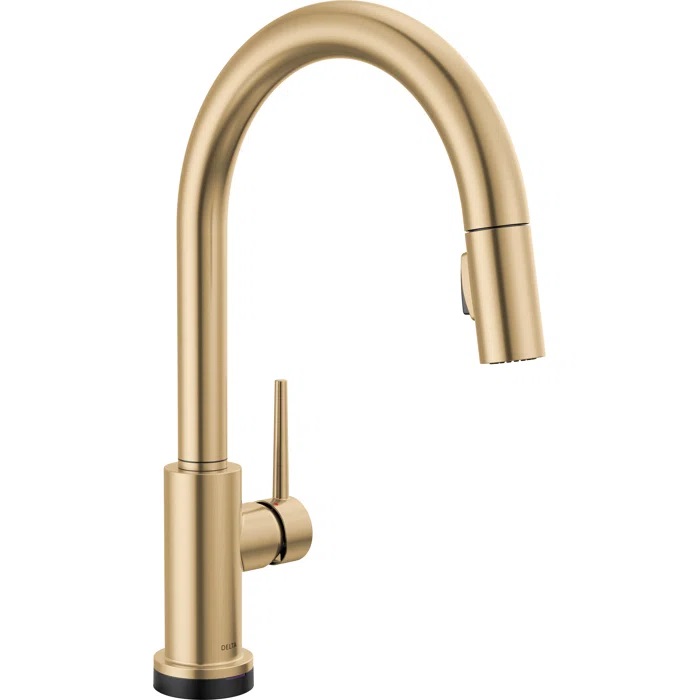
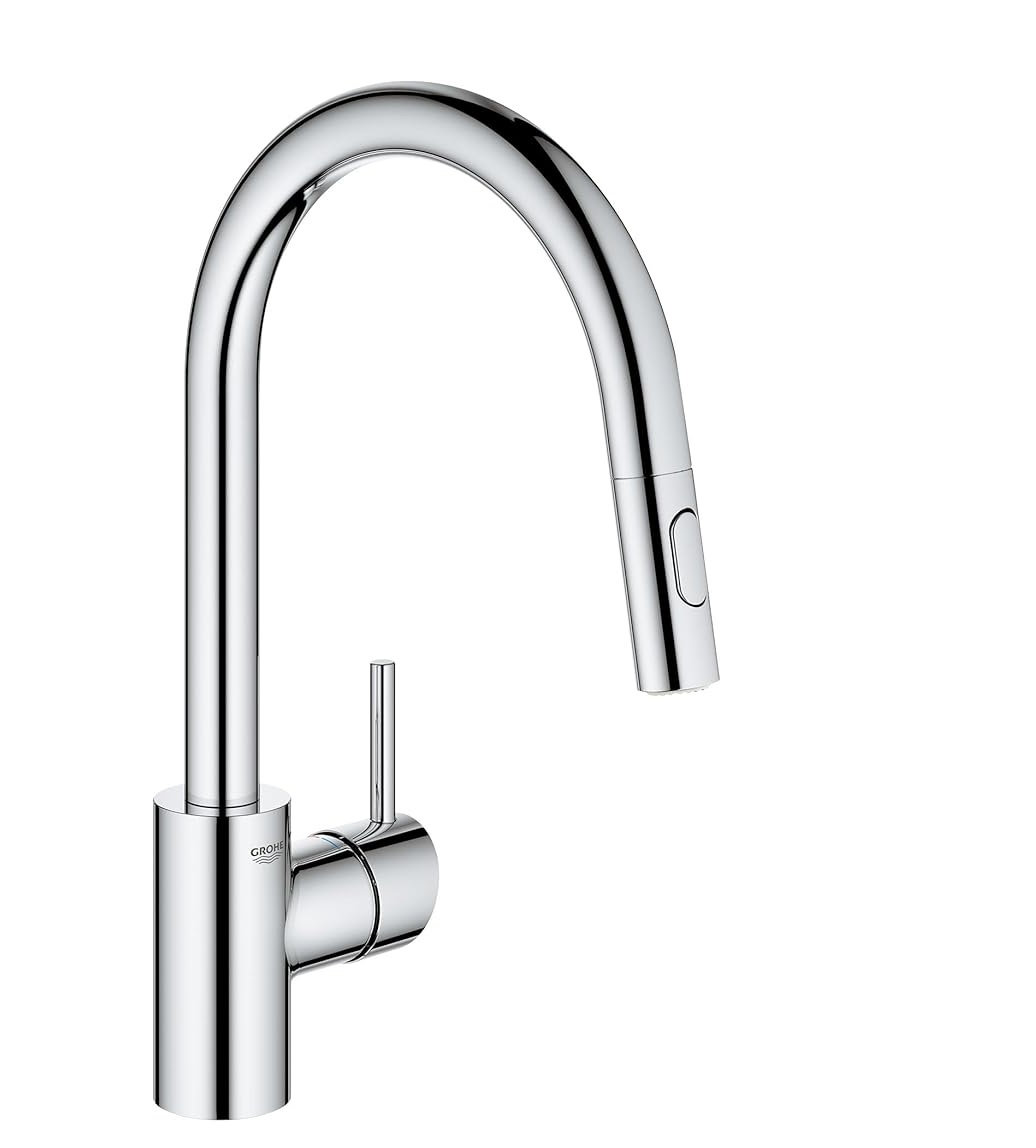
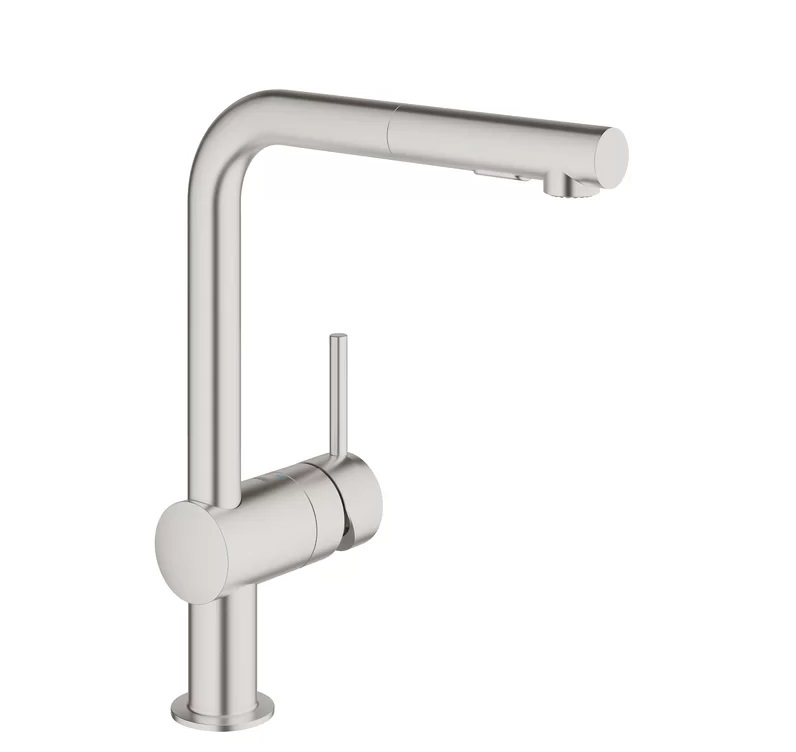
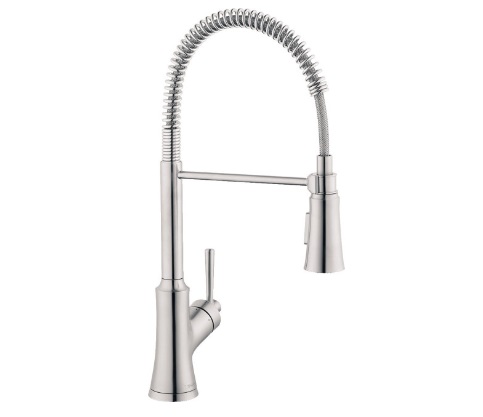
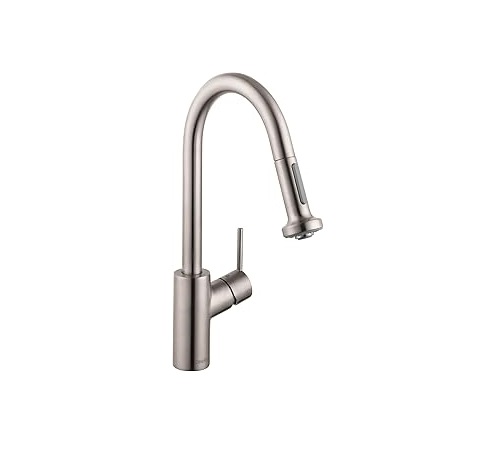
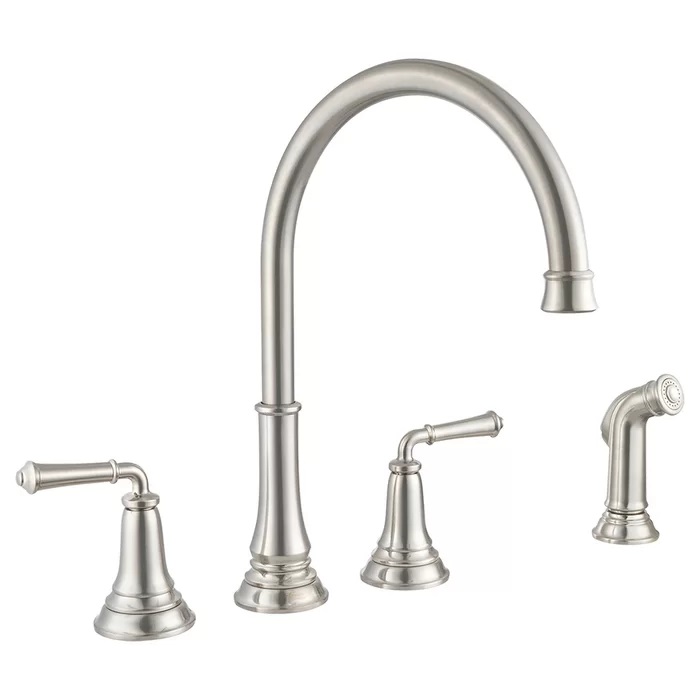
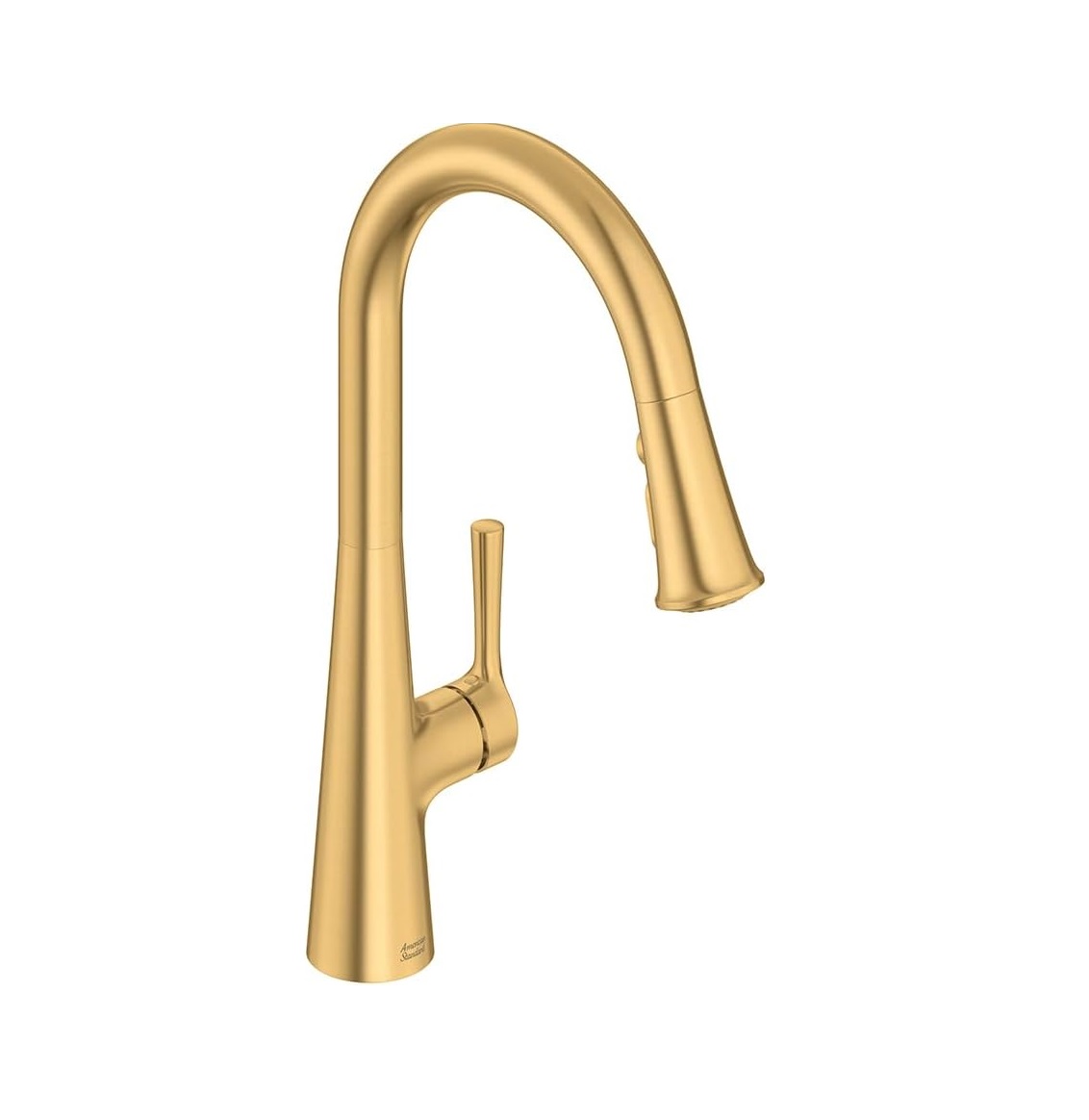
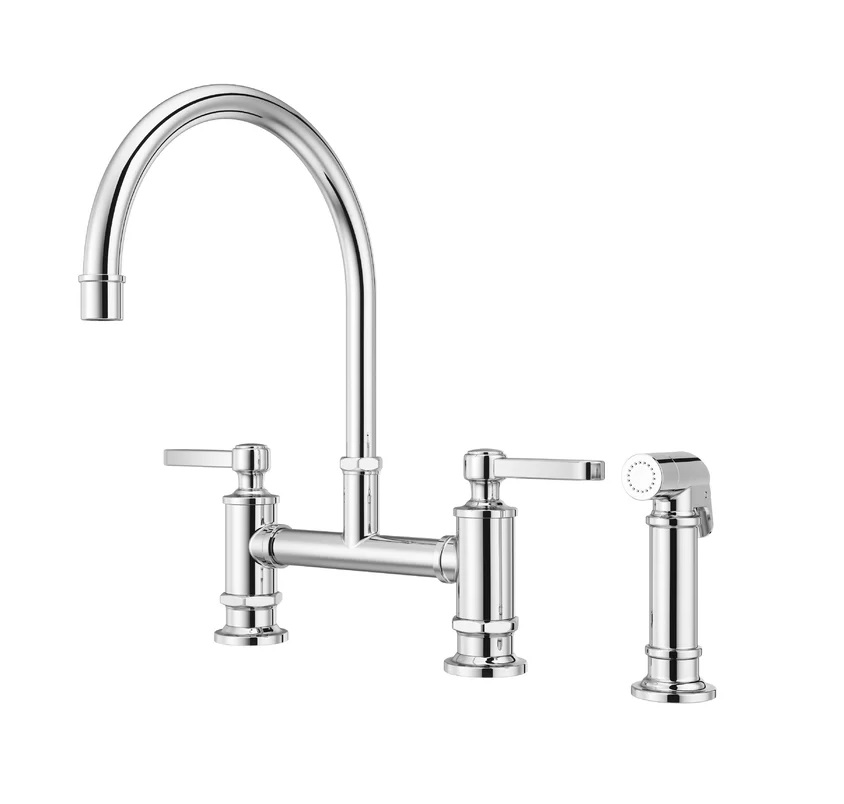
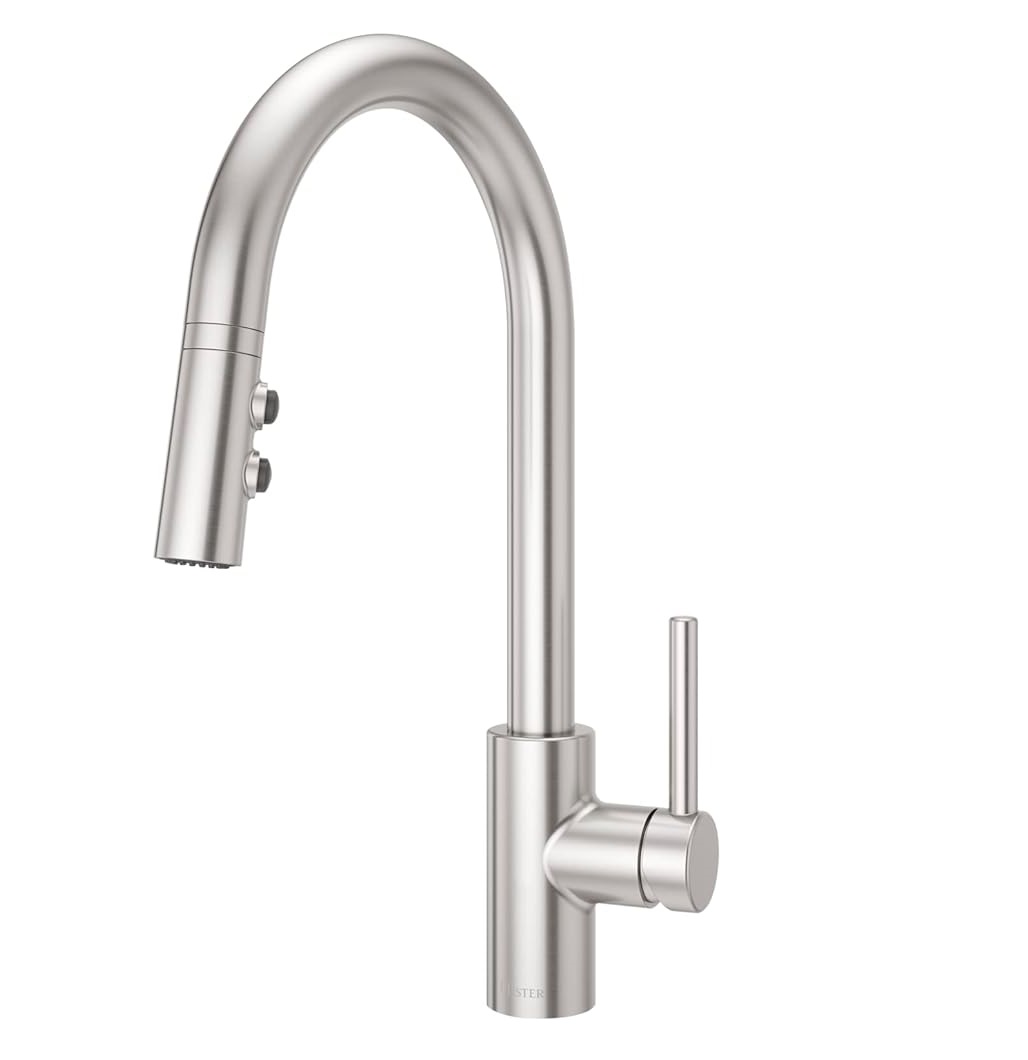
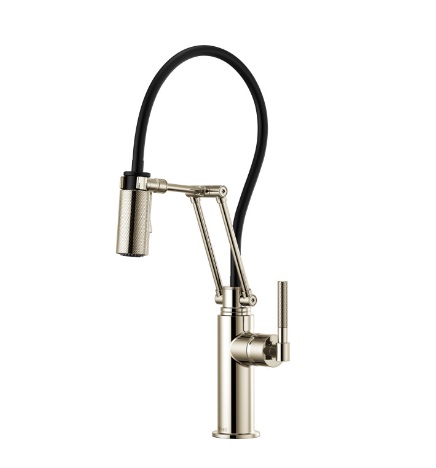
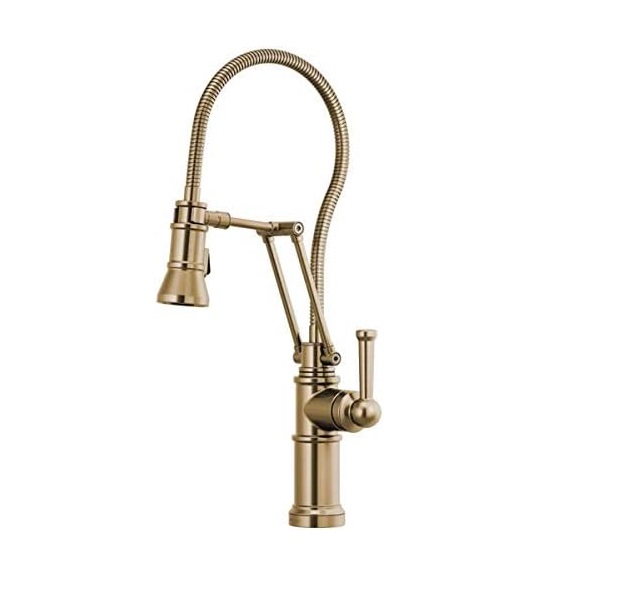
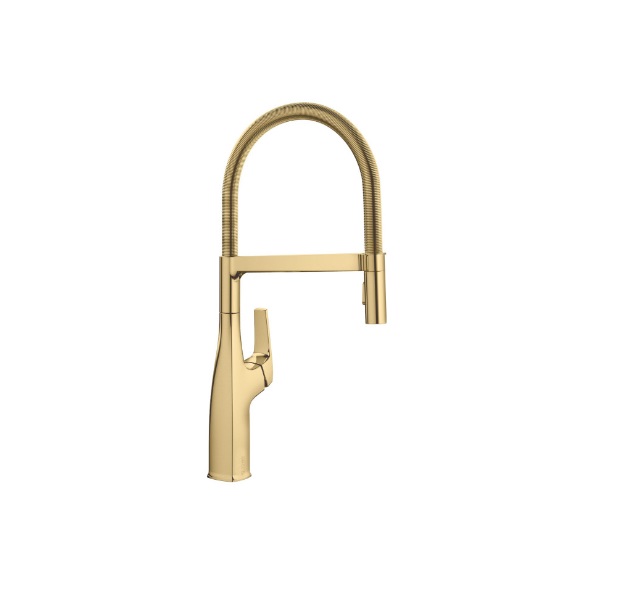
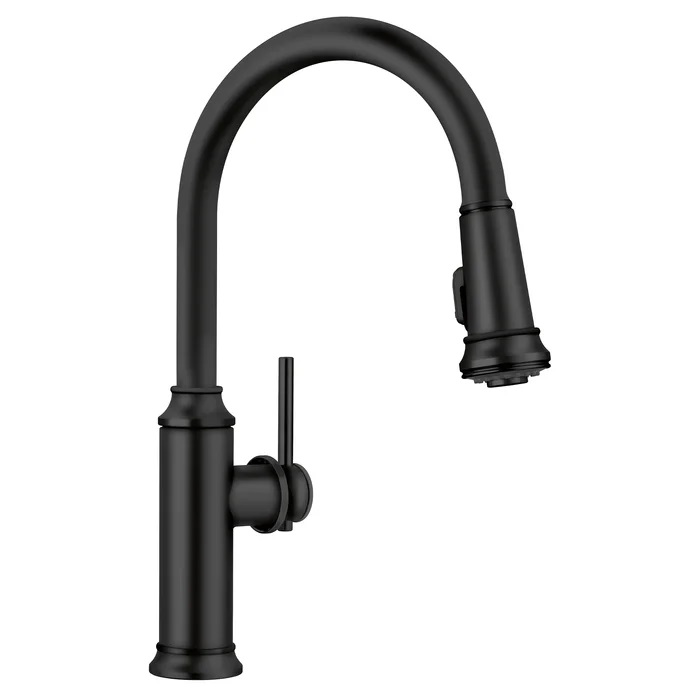
Here's a curated list of Best kitchen sink faucets from top brands such as BathSelect, FontanaShowers, JunoShowers, Kohler, and others. Each faucet combines style and functionality, catering to different design aesthetics and preferences.
Hydraulic Engineering • Precision Valve Control • Fluid Dynamics • Materials Science • Commercial & Residential Systems
Precision Ceramic Disc Cartridge Valve Mechanism
From an engineering standpoint, a modern kitchen faucet operates as a precision hydraulic control device. The ceramic disc cartridge valve system enables continuous open-close cycles exceeding 310,000 operations while maintaining near-zero deformation under thermal and mechanical stress. The ceramic interface exhibits exceptional wear resistance and self-lubricating characteristics, ensuring stable torque control, leak prevention, and consistent sealing performance. Internally optimized hydraulic pathways minimize turbulence, reduce pressure drop, and maintain stable flow characteristics across supply ranges of 20–80 psi, ensuring efficient performance in both residential and commercial plumbing infrastructure.
310,000+ Cycle Rated CartridgeLow Pressure Drop Flow ChannelsSelf-Lubricating Ceramic InterfaceLeak-Free Precision Seal Control
More InformationEngineered hydraulic valve assemblies designed for long-cycle operational reliability.
Pressure-Compensated Flow Dynamics & Corrosion-Resistant Material Formulation
Advanced kitchen faucet systems integrate pressure-compensating aerators engineered to maintain stable discharge rates between 1.2 and 1.8 gallons per minute. These systems introduce controlled air entrainment, stabilizing Reynolds flow characteristics while minimizing turbulence, noise, and velocity spikes. Multifunction spray mechanisms incorporate optimized valve transitions and sealed internal gaskets to ensure uninterrupted hydraulic continuity during mode changes. Structurally, high-grade brass construction provides superior resistance to dezincification, thermal stress deformation, and corrosion. Precision machining enables tighter thread tolerances, improving sealing efficiency and preventing fluid escape. Surface treatments such as PVD and multilayer electroplating further enhance durability, chemical resistance, and lifecycle performance, while lead-free internal waterways ensure compliance with potable water safety and environmental standards.
These frequently asked questions address the hydraulic engineering principles, mechanical performance characteristics,
materials science considerations, and regulatory compliance factors that determine long-term reliability, efficiency,
and operational stability of modern high-performance kitchen faucets.
What type of valve mechanism is used in modern high-performance kitchen faucets, and why is ceramic cartridge technology preferred?
Modern kitchen faucets use ceramic disc cartridges because they provide superior sealing stability, low friction operation, and exceptional wear resistance. The ceramic interface resists deformation and abrasion, ensuring precise flow control, leak prevention, and consistent mechanical performance over hundreds of thousands of operational cycles.
How does an aerator improve hydraulic efficiency and water conservation in kitchen faucets?
An aerator introduces air into the water stream, reducing total water usage while maintaining perceived pressure and rinsing effectiveness. This controlled flow conditioning stabilizes discharge velocity, minimizes turbulence and splashing, and ensures consistent hydraulic performance across varying supply pressure conditions.
Why is solid brass considered the optimal material for faucet structural construction?
Solid brass offers excellent corrosion resistance, mechanical strength, and dimensional stability under pressure and temperature variations. It prevents structural degradation, reduces leakage risk, and maintains long-term sealing performance, making it superior to zinc alloys and polymer-based faucet body materials.
What is the optimal flow rate for kitchen faucets from a hydraulic engineering standpoint?
The optimal flow rate typically ranges between 1.2 and 1.8 gallons per minute, providing sufficient velocity for cleaning while minimizing water consumption. This range ensures efficient momentum transfer, stable pressure output, and reduced hydraulic stress on internal components.
How do regulatory certifications such as NSF/ANSI 61 and ASME A112.18.1 ensure faucet safety and performance?
These certifications confirm that faucet materials are safe for potable water contact and that the faucet meets strict mechanical and pressure performance standards. They verify structural reliability, leakage resistance, and compliance with engineering and public health safety requirements.
How does internal hydraulic design influence faucet pressure stability and operational efficiency?
Precision-engineered internal channels reduce turbulence, pressure loss, and flow instability. Optimized flow geometry ensures consistent discharge performance, minimizes hydraulic noise, and reduces mechanical stress on valve components, improving efficiency and extending overall service life.
What factors determine the long-term durability and lifecycle reliability of a kitchen faucet?
Durability depends on ceramic cartridge quality, brass structural integrity, corrosion-resistant finishes, and precision sealing systems. These factors prevent leakage, reduce wear, and ensure consistent mechanical and hydraulic performance throughout extended operational lifespans.
How do pull-down spray systems maintain consistent hydraulic performance across different spray modes?
Pull-down spray systems use precision diverter valves designed to redirect flow efficiently without significant pressure loss. Engineered spray heads maintain stable velocity and distribution, ensuring consistent cleaning performance and hydraulic efficiency in both stream and spray configurations.
How do surface finishes and coating technologies affect faucet durability and corrosion resistance?
Advanced finishes such as electroplating and PVD coatings protect the faucet surface from oxidation, abrasion, and chemical exposure. These coatings enhance corrosion resistance, maintain structural integrity, and preserve mechanical performance and appearance under continuous use and cleaning conditions.


.jpg)
.jpg)