C260 BRASS
70+ KSI YIELD
VANDAL-RESISTANT
1.5M+ CYCLES
ASME · NSF · ADA
Commercial Solid Brass Sensor Faucets
✓ Infrastructure-grade C260 brass
✓ 70–80 ksi yield strength
✓ 2.5 mm minimum wall thickness
✓ Million-cycle durability
✓ Level 4 tamper resistance

Engineered for High‑Traffic Infrastructure
Solid brass platform · 70+ ksi yield · Anti‑vandal · 1.5M cycle validation
🔧 COMMERCIAL PLATFORM HIGHLIGHTS:
Why Solid Brass?
Solid brass (C260 cartridge brass, 70% copper, 30% zinc) is the reference material for commercial sensor faucets. It combines high mechanical strength (70–80 ksi yield), excellent corrosion resistance to aggressive cleaning chemicals, and work hardening under stress — properties essential for infrastructure environments.
Unlike zinc alloys or thin stamped brass, BathSelect commercial faucets are machined from solid brass bar stock with minimum 2.5 mm wall thickness, ensuring structural integrity under load, impact, and torque.
Infrastructure Engineering Grades
- Yield strength: 70–80 ksi (vs zinc alloy 20–30 ksi)
- Wall thickness: 2.5 mm (vs industry average 1.2–1.5 mm)
- Fatigue resistance: Validated 1.5M+ cycles, MTBF 4.2M
- Tamper resistance: Level 4 security fasteners, recessed aerator
- Corrosion resistance: ASTM B117 500+ h salt spray
Featured Commercial Solid Brass Models
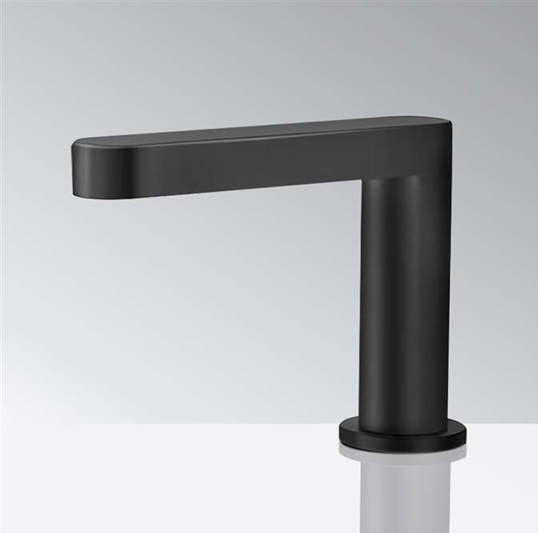 BS1090-MB
Matte Black deck-mount, solid brass body, IR sensor, 0.5 GPM
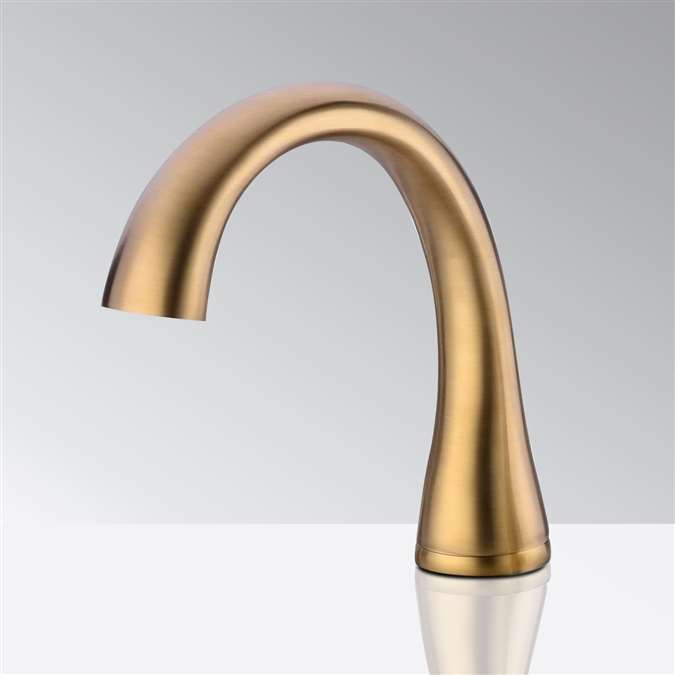 BS1068-BG
Verona Gold, solid brass, below-deck solenoid, vandal-resistant
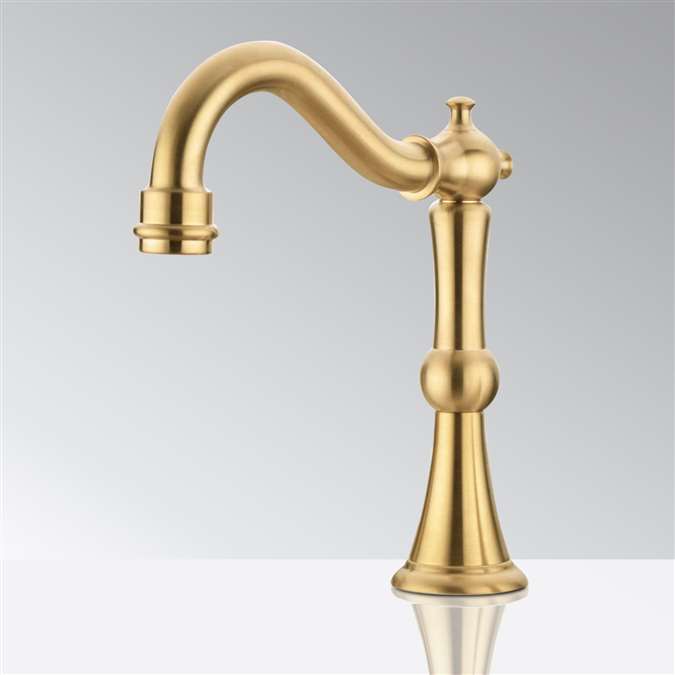 BS1065-BG
Genoa Brushed Gold, commercial sensor, C260 brass
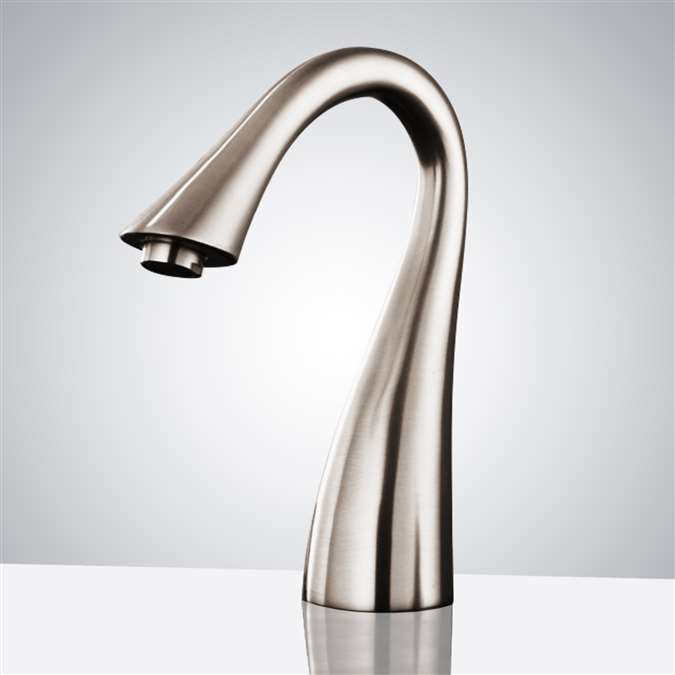 BS1094-N
Brushed Nickel, solid brass, 1.5M cycle solenoid
C260 Brass – The Infrastructure Standard
|
Property:
Yield strength (ksi)
|
C260 Brass:
70–80
|
Zinc Alloy:
20–30
|
|
Property:
Ultimate tensile (ksi)
|
C260 Brass:
85–95
|
Zinc Alloy:
35–45
|
|
Property:
Elongation at break
|
C260 Brass:
45–55%
|
Zinc Alloy:
5–10%
|
|
Property:
Work hardening
|
C260 Brass:
Yes (increases local strength)
|
Zinc Alloy:
Minimal
|
|
Property:
Corrosion resistance (salt spray)
|
C260 Brass:
500+ h
|
Zinc Alloy:
<100 h
|
Why C260 outperforms
C260 brass work‑hardens under stress: when impacted or overloaded, the material becomes locally stronger, resisting crack propagation. This is critical in abuse‑resistant designs. Zinc alloys lack this behaviour and tend to fracture abruptly.
Durability Validation – Million‑Cycle Tested
|
Test:
Cycle test (solenoid + mechanics)
|
Protocol:
3s on / 7s off, 30–80 psi
|
Result:
1.5M+ cycles, no failure
|
|
Test:
Static load (spout tip)
|
Protocol:
300 lb for 60 s
|
Result:
<0.5 mm deflection
|
|
Test:
Impact energy
|
Protocol:
50 mm steel ball, 2 m drop
|
Result:
50+ J absorbed, no leak
|
|
Test:
Torque resistance
|
Protocol:
150 ft‑lb applied
|
Result:
<1° rotation
|
|
Test:
MTBF (cycles)
|
Protocol:
Weibull analysis
|
Result:
4.2 million cycles
|
Vandal‑Resistant Engineering
Recessed aerator
15 mm recess + retention clip – removal requires special tool, below‑deck replacement option.
Security fasteners
Level 4 inverted hex, 200+ ft‑lb strip torque, 18‑8 stainless steel.
Armored control cables
18 AWG, Teflon + braid, steel interlock, 150 lb pull‑out resistance.
Code Compliance & Certifications
- ASME A112.18.1 – flow/pressure/durability
- NSF 61 – drinking water safety
- ASTM B16 / B584 – brass composition
- ADA – accessible reach ranges
- UPC / IPC – uniform plumbing code
- Low‑lead compliant (<0.25%)
All BathSelect commercial solid brass sensor faucets are third‑party tested to meet or exceed these standards. Full compliance documentation available for submittals.
Download compliance matrix
Technical Specifications – Platform Overview
|
Parameter:
Material
|
Specification:
C260 brass (70% Cu, 30% Zn), solid bar stock
|
|
Parameter:
Finish
|
Specification:
PVD / electroplated – chrome, gold, matte black, brushed nickel
|
|
Parameter:
Sensor type
|
Specification:
Infrared (IR) or Time‑of‑Flight (ToF)
|
|
Parameter:
Flow rates
|
Specification:
0.35 / 0.5 / 1.0 / 1.5 GPM pressure‑compensating aerators
|
|
Parameter:
Power
|
Specification:
AC 110‑240V transformer or 6V DC battery pack (hybrid available)
|
|
Parameter:
Operating pressure
|
Specification:
10–125 psi (0.7–8.6 bar)
|
|
Parameter:
Temperature control
|
Specification:
Under‑sink mixing valve or TMV (ASSE 1070)
|
|
Parameter:
Mounting
|
Specification:
Deck mount (single hole) / wall mount rough‑in
|
|
Parameter:
Warranty
|
Specification:
3‑5 year commercial (model dependent)
|
Lifecycle Durability
1.5M+ cycles · MTBF 4.2M · Weibull 96.4% @10yrs
Validation data →
Maintenance Ecosystem
Modular service · <10 min repair · 10+ year parts
Service model →
|
|
|
Commercial solid brass sensor faucets installed in airport terminals, hospitals, transportation hubs, and institutional infrastructure environments operate under extreme duty cycles exceeding 500,000 activations annually. Infrastructure-grade maintenance ecosystem engineering enables modular serviceability, rapid component replacement, and continuous operational reliability without requiring full fixture replacement.
Modular Serviceability Architecture
Solenoid valves, infrared sensors, control electronics, and aerator assemblies are independently replaceable without removing the faucet body, enabling rapid maintenance procedures and minimizing infrastructure downtime.
Rapid Maintenance Performance
Infrastructure maintenance engineering enables component replacement in less than 10 minutes. Below-deck access architecture supports efficient servicing in high-traffic environments including airport terminals and healthcare facilities.
Long-Term Spare Parts Availability
Regional spare parts infrastructure ensures component availability for 10+ years, supporting lifecycle service continuity and reducing total infrastructure lifecycle cost.
Infrastructure Applications:
Airport terminals · Healthcare facilities · Government buildings · Transportation hubs · Stadiums · Universities · Commercial infrastructure
|
|
|