Touch-Free Efficiency: The Modern Role of Automatic Soap Dispensers
Automatic soap dispensers are now the hub of hygiene-driven design in commercial and domestic settings. Their primary role—dispensing soap without touching it—is a hygienic option to the conventional pump dispenser. They employ infrared or motion-detecting technology for dispensing soap in measured quantities, thus being suitable for bathrooms, kitchens, and public areas. With infection control awareness on the rise, these dispensers remain popular due to their effectiveness, cleanliness, and ease of operation.
Advantage: Cleaner and Germ-Free Operation
Automatic soap dispensers have many advantages, but perhaps the most significant is their ability to reduce contact and thus spread germs. In areas that are frequented often, such as hospitals, restaurants, or offices, less physical contact with common surfaces is very important. Touchless dispensing of soap eliminates one source of cross-contamination. Users only have to hold their hands by the sensor for a measured amount of soap to be dispensed, supporting public health initiatives while providing a clean and easy experience.
Advantage: Uniform Dispensing and Minimum Waste. Automatic dispensers dispense the same amount of soap with each use, which aids in limiting overuse and waste. The precise output ensures that users put the proper amount on their hands to effectively clean their hands. Most models provide options for changing volumes to suit various settings, from pediatric facilities to commercial bathrooms. Such accuracy not only saves soap but also decreases the frequency of maintenance, which is particularly beneficial in institutions with dozens of units to manage.
Issues that may occur: Sensor Failures and Activation Delays
Even with their convenience, automatic soap dispensers do not always have reliable sensor functionality. Cheap models can be slow to detect hands, particularly when the user's hand is moved too rapidly or if the light is too low and reflective surfaces affect the accuracy of the sensors. This means delayed discharge or no discharge at all. Conversely, extremely sensitive models can dispense soap in the absence of hands, causing unnecessary spills. Selecting a well-calibrated, high-end model with sensitivity adjustment settings can minimize such problems.
Benefit: Sleek Design and Interior Coordination
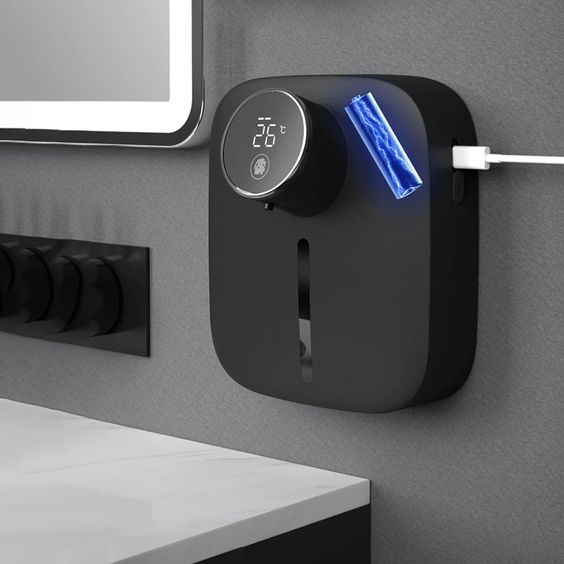
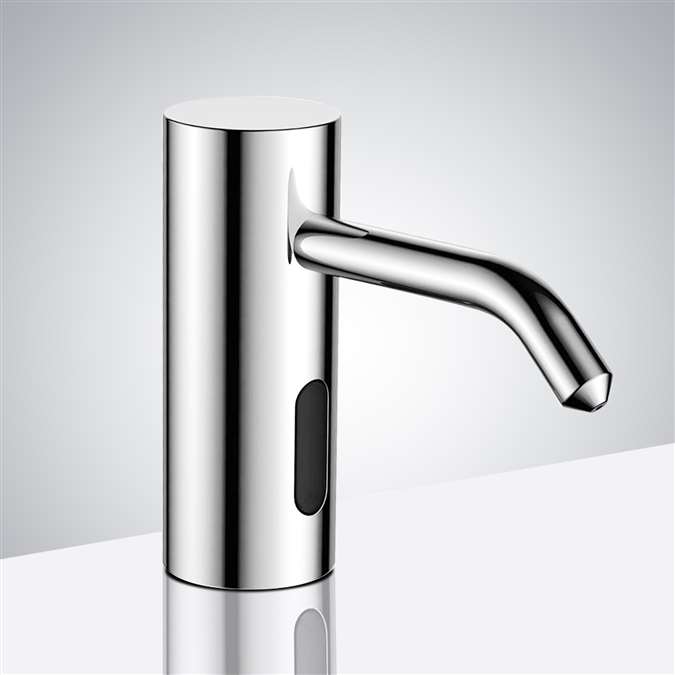
Automatic soap dispensers are available in a range of finishes and designs to suit contemporary interiors. From wall-mounted to freestanding models, these machines can fit in seamlessly with luxury bathrooms, minimalistic kitchens, or industrial restrooms. Brushed nickel, chrome, matte black, and stainless steel are popular finishes, each providing varying aesthetic and maintenance benefits. Matching faucet finishes or countertop surfaces provides a finished appearance, both making the dispenser a useful feature and a design statement.
Shortcoming: Greater Initial Price and Installation Requirements
In contrast to manual dispensers, automatic ones typically entail a larger initial investment in terms of electronic parts and motion sensors. Installation will also take more planning, especially for wall-mounted or hardwired versions that require access to electricity or exact height adjustment. Battery models eliminate some of the wiring requirements but still represent an additional cost and inconvenience of replacing batteries. In the long run, though, the long-term cleanliness and efficiency benefits may pay off these initial expenditures.
Benefit: Long-Lasting Materials and Durable Finishes
Most high-end automatic soap dispensers are constructed from durable materials that can handle moisture, everyday use, and cleaning chemicals. Stainless steel models are rust-proof and ideal for high-moisture areas, and matte finishes conceal smudges and fingerprints. ABS plastic models provide affordability and impact resistance and are suitable for schools or light-use areas. Most commercial-grade dispensers also feature tamper-proofing and lockable soap reservoirs to prevent vandalism or unauthorized refilling.
Shortcoming: Soap Type and Refill Limitations
One significant limitation is that certain automatic dispensers are only compatible with particular types or viscosities of soap. Liquid soap is widely accommodated, but foam soap or gels will not function unless the dispenser has been designed for those particular types. Some insist on proprietary refill cartridges, making the user dependent on one soap vendor. This restricts buying flexibility and raises long-term operating expenses. Implementing a universal refill design opens up greater choices for buying environmentally friendly or bulk soap.
|