Industry Insights
Automatic and sensor-based faucet technologies represent a major advancement in both hygiene and sustainability for industrial, commercial, and residential spaces. Categories such as Arduino automatic water tap projects show how microcontroller platforms are being adapted to create custom, programmable water control systems. These solutions allow designers and engineers to fine-tune sensor range, response times, and water flow, bridging the gap between do-it-yourself experimentation and professional-grade fixtures.
Compliance is another critical driver in this space. Requirements are usually shaped by plumbing codes and local amendments, not by accessibility rules alone. For example, the International Plumbing Code, Chapter 4 (Fixtures, Faucets and Fittings) governs fixture standards broadly, while the ADA primarily focuses on accessibility where fixtures are provided, not mandating touchless fixtures by itself (see U.S. Access Board, ADA Guides: Toilet Rooms). In practice, many facilities still adopt touchless fixtures to support infection control and water efficiency goals, especially in public restrooms and healthcare environments (see CDC Clean Hands guidance and EPA WaterSense at Work: Faucets). A faucet that can automatically shut off after a short interval can reduce unnecessary run time compared to manual valves, improving operational control over water use (see EPA WaterSense at Work: Faucets).
Soap delivery systems form an equally important part of the touchless ecosystem. Auto soap dispensers, whether stand-alone or integrated with faucets, reduce cross-contamination opportunities by eliminating the need to touch pump handles. Evidence in healthcare contexts links touchless dispensing and closed refill systems with reduced dispenser contamination and fewer touch points ( ScienceDirect: touchless dispensing and infection outcomes). Commercial-grade automated soap dispenser systems are increasingly paired with faucets in high-traffic venues to streamline hygiene workflows (Healthcare Facilities Today overview).
Beyond restrooms, automated dispensing also shows up in food and beverage operations, where consistency and efficiency matter. In these environments, touch-free workflows can support sanitation routines while helping standardize portions and reduce avoidable waste, depending on how the system is configured and maintained.
Finally, restaurant and food-prep sensor faucets combine durability with fast response times to withstand constant use, while supporting hygiene practices that reduce contact with shared surfaces. For designers, architects, and facility managers, the broad availability of options, from Arduino-based prototyping to code-aligned commercial systems and specialized foodservice use cases, provides a toolkit to specify the right system for each project. As these technologies evolve, the focus will continue to be on blending user safety, long-term reliability, and resource efficiency, making automatic and sensor faucets a practical part of modern building design.



 Arduino Automatic Faucets
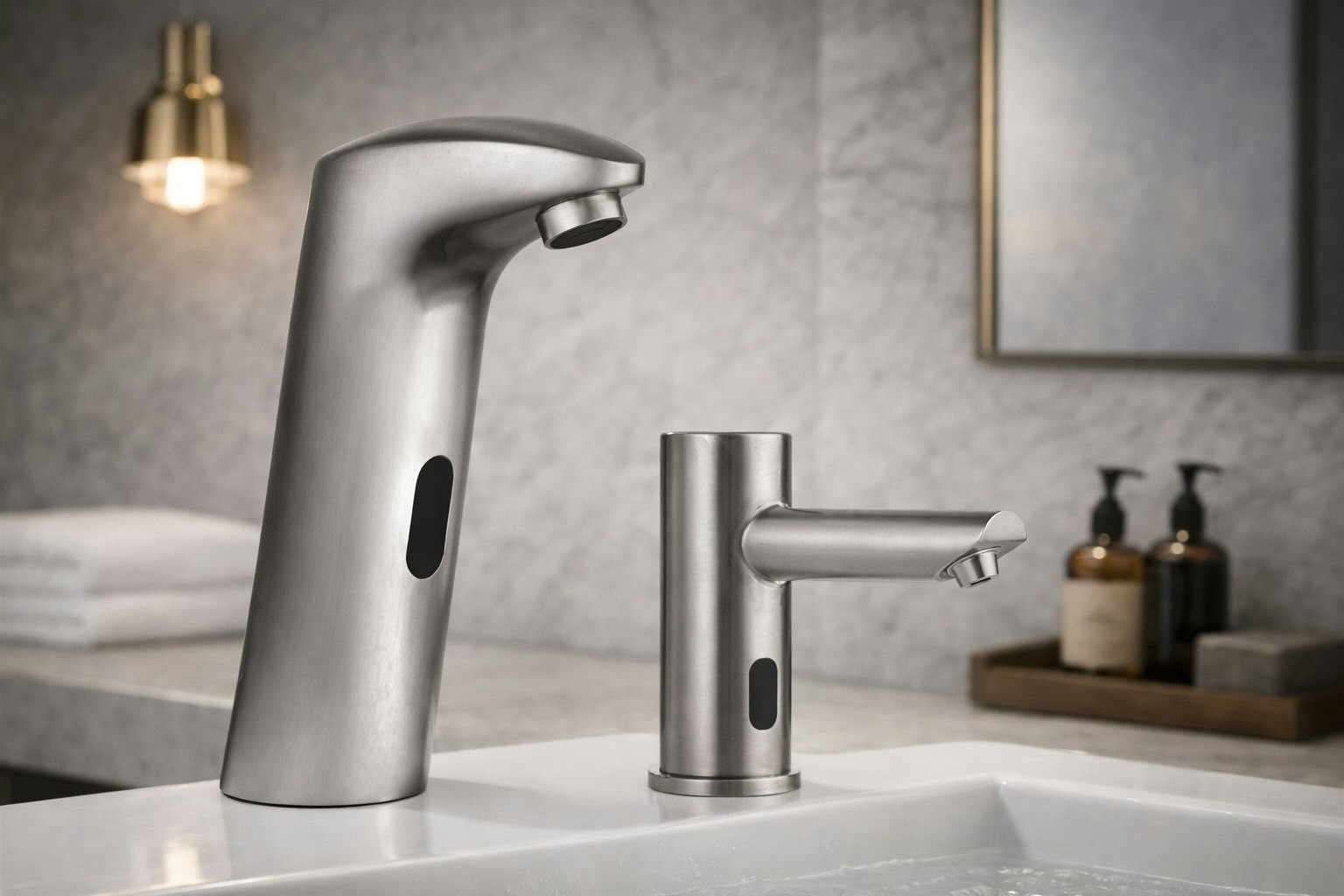 Are Automatic Faucets Required by Code
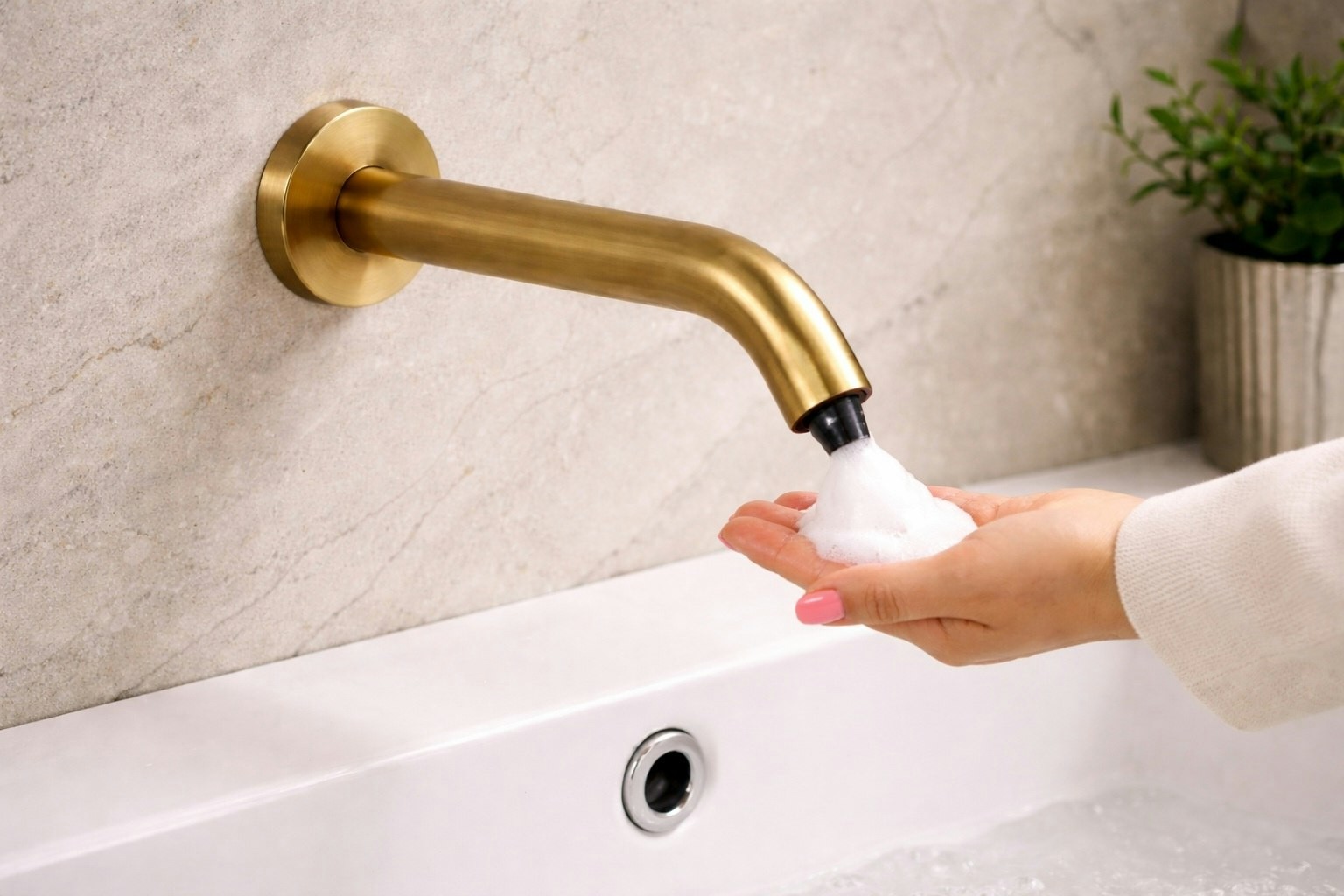 Auto Soap Dispensers | BathSelect
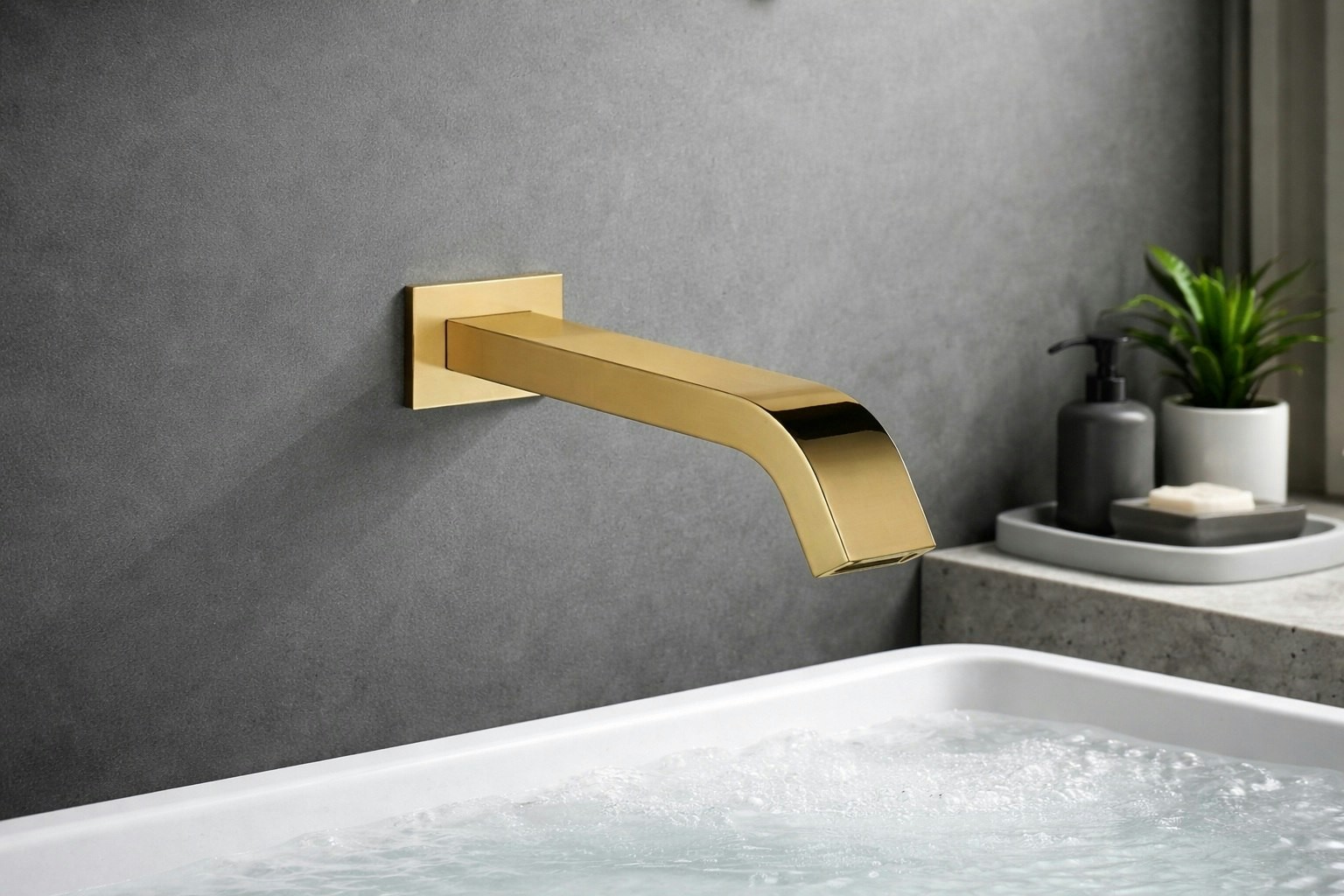 Automated Commercial Soap Dispenser Systems
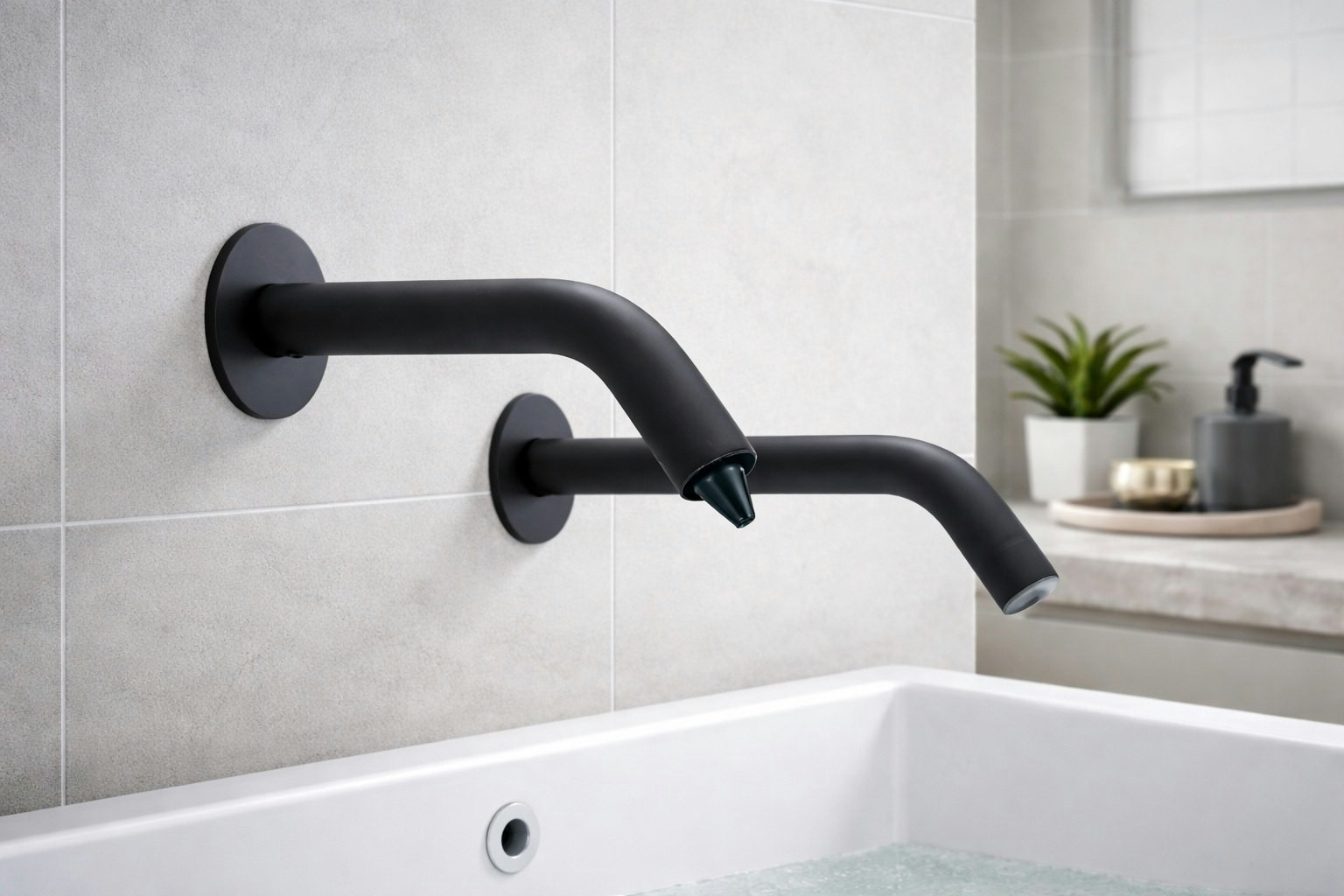 Automated Faucets
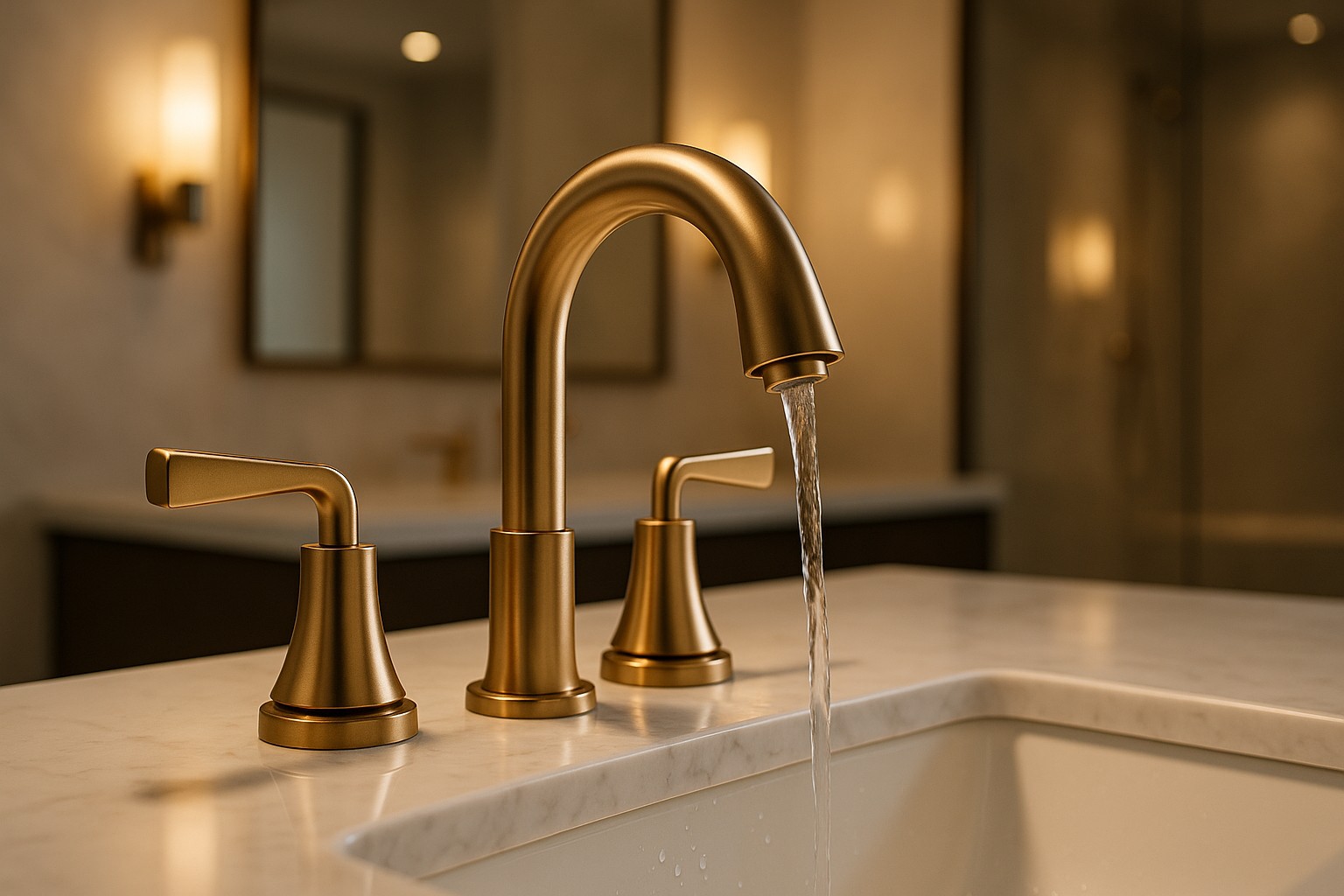 Automatic & Sensor Bathroom Sink Faucets
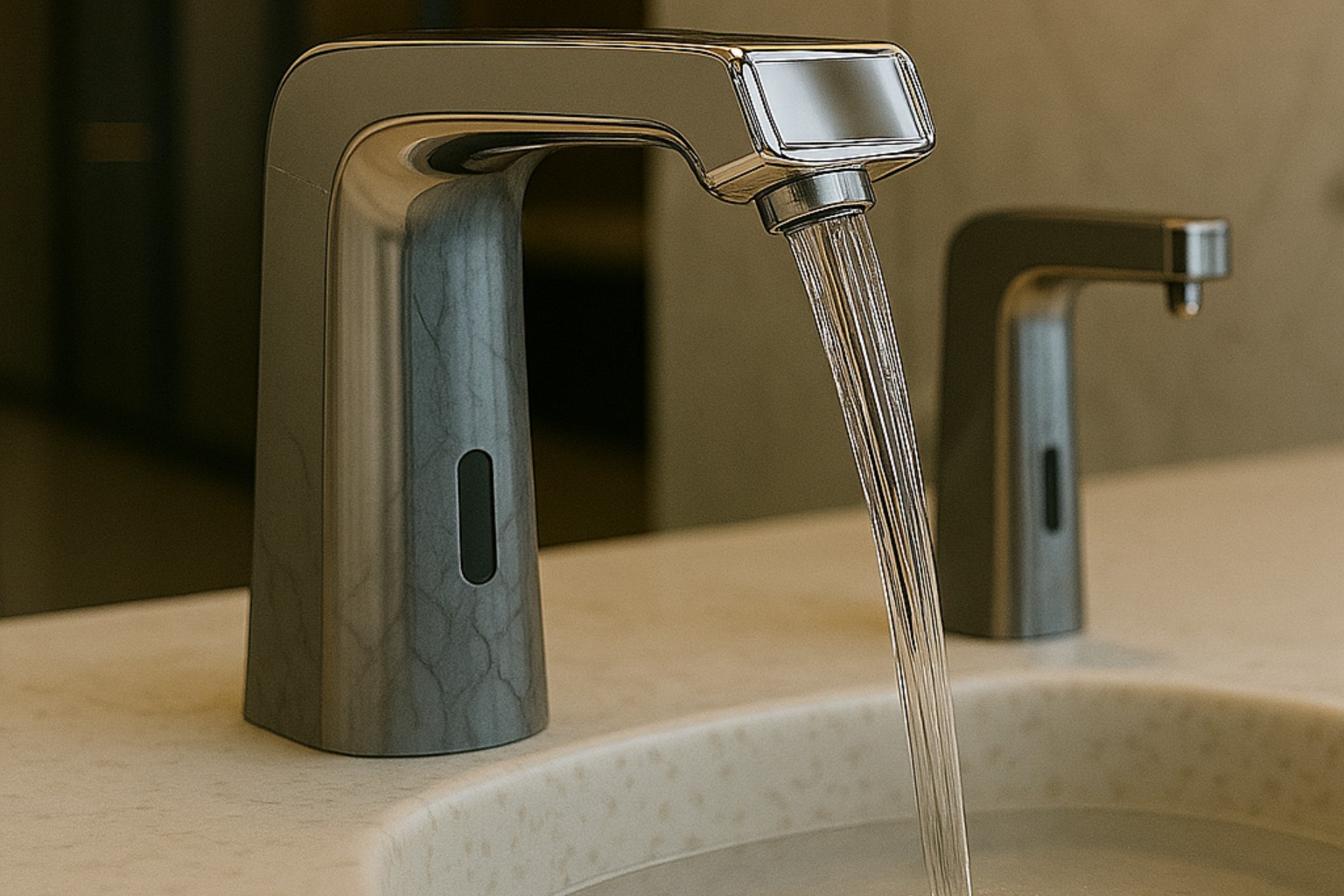 Automatic Airpot Coffee Brewer with Hot Water Faucet
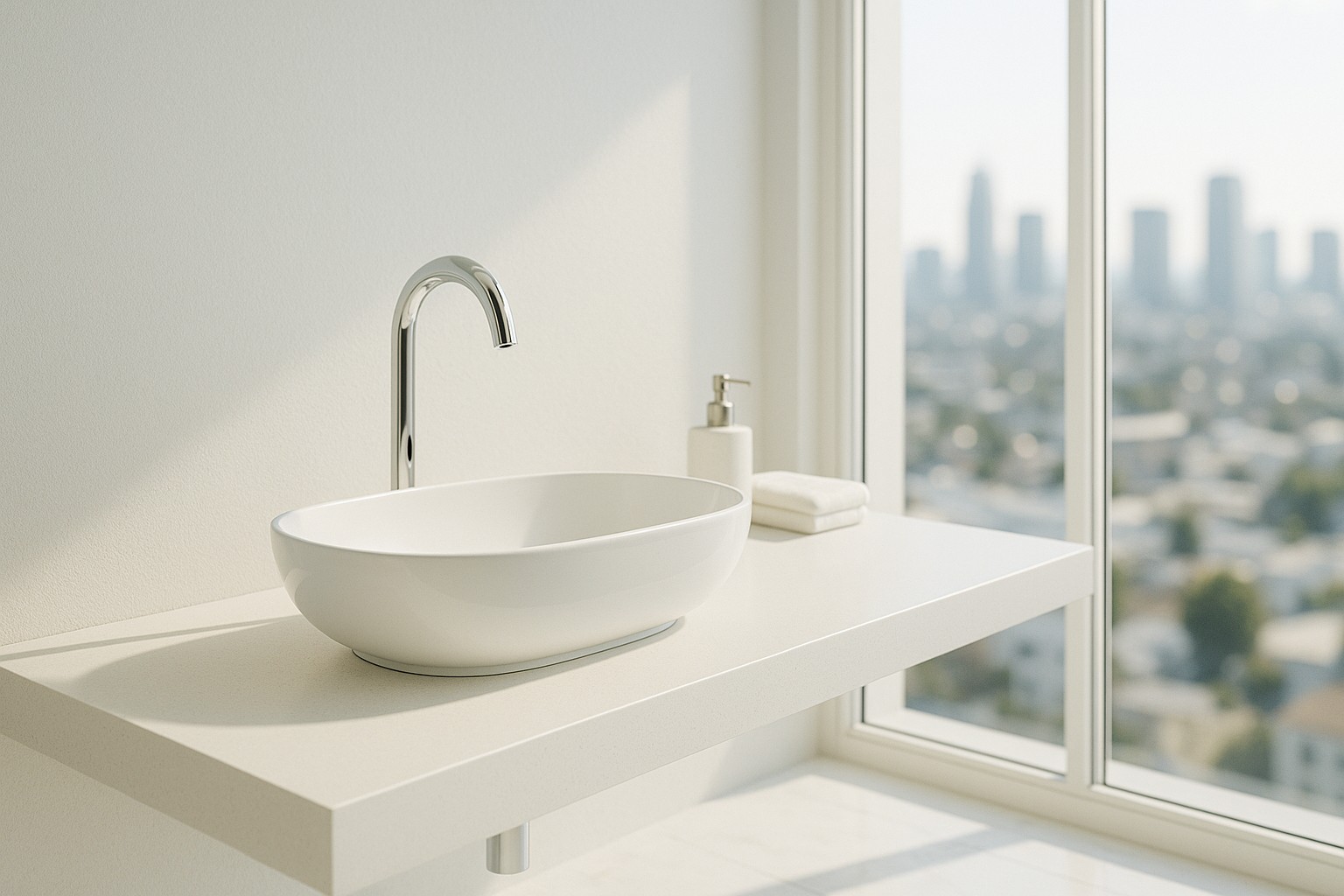 Automatic & Sensor Bathroom Sink Faucets for Restaurants