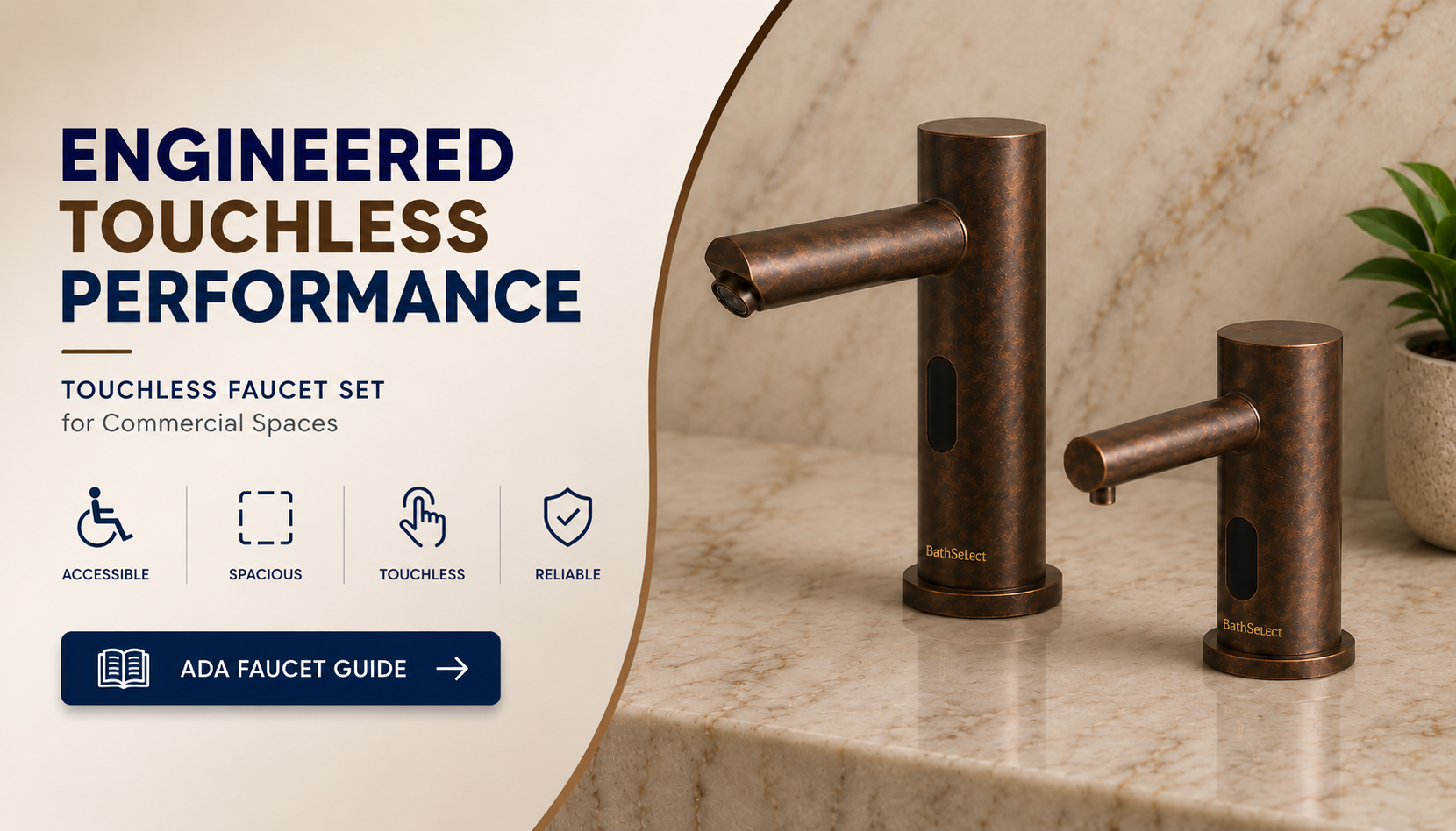
Designing an Intuitive Routine for Every Visitor
A well-designed station should make its sequence clear without instructions. Visitors arrive with different levels of familiarity, different heights, and different ways of moving through a space. The arrangement should help each person understand where to stand, where to place their hands, and what will happen next.
Make the First Action Easy to Understand
The position of each element should guide the visitor naturally. If the intended operating area is difficult to find, people may wave their hands, change position, or look around for guidance. A response that occurs where someone reasonably expects it helps the interaction feel simple from the first use.
Spacing is part of that clarity. People need room to complete one step before moving to the next, without reaching across another visitor or blocking a neighboring station. Reviewing the sequence at full scale can reveal awkward movements that are easy to miss on a drawing.
Consider Different Users
Design reviews should include people approaching from different positions and using the station at different heights. A layout that feels comfortable to one person may require an awkward reach for another. Testing the installed arrangement with a range of users helps the team identify adjustments before the space opens.
Keep the Sequence Consistent
When several stations appear together, they should behave in a familiar order. Visitors should not have to relearn the process as they move to another position. Consistent placement and response are particularly useful in hotels, transit facilities, and other buildings where many people are using the space for the first time.
The point where soap is provided should fit naturally into that sequence. Its placement should make the next action clear while giving the visitor enough space to avoid unwanted drips on nearby surfaces. Considering the full routine is more useful than evaluating each element separately.
Observe the Finished Space
After installation, the design team can learn a great deal by watching ordinary use. Do visitors pause or hesitate? Do they stand where the operating area was intended? Do people move smoothly between steps, or do they double back? These observations show whether the layout communicates its purpose as clearly as the drawings suggested.
The goal is an experience that requires little thought. When placement, spacing, and response work together, visitors can complete their routine comfortably while the architecture remains calm and uncluttered.