Reliability Study of Commercial Fixtures (1999–2026)
A 27-year study of 11,553 verified BathSelect reviews that looked at the reliability, durability, finish performance, and lifecycle outcomes of commercial restroom fixtures.
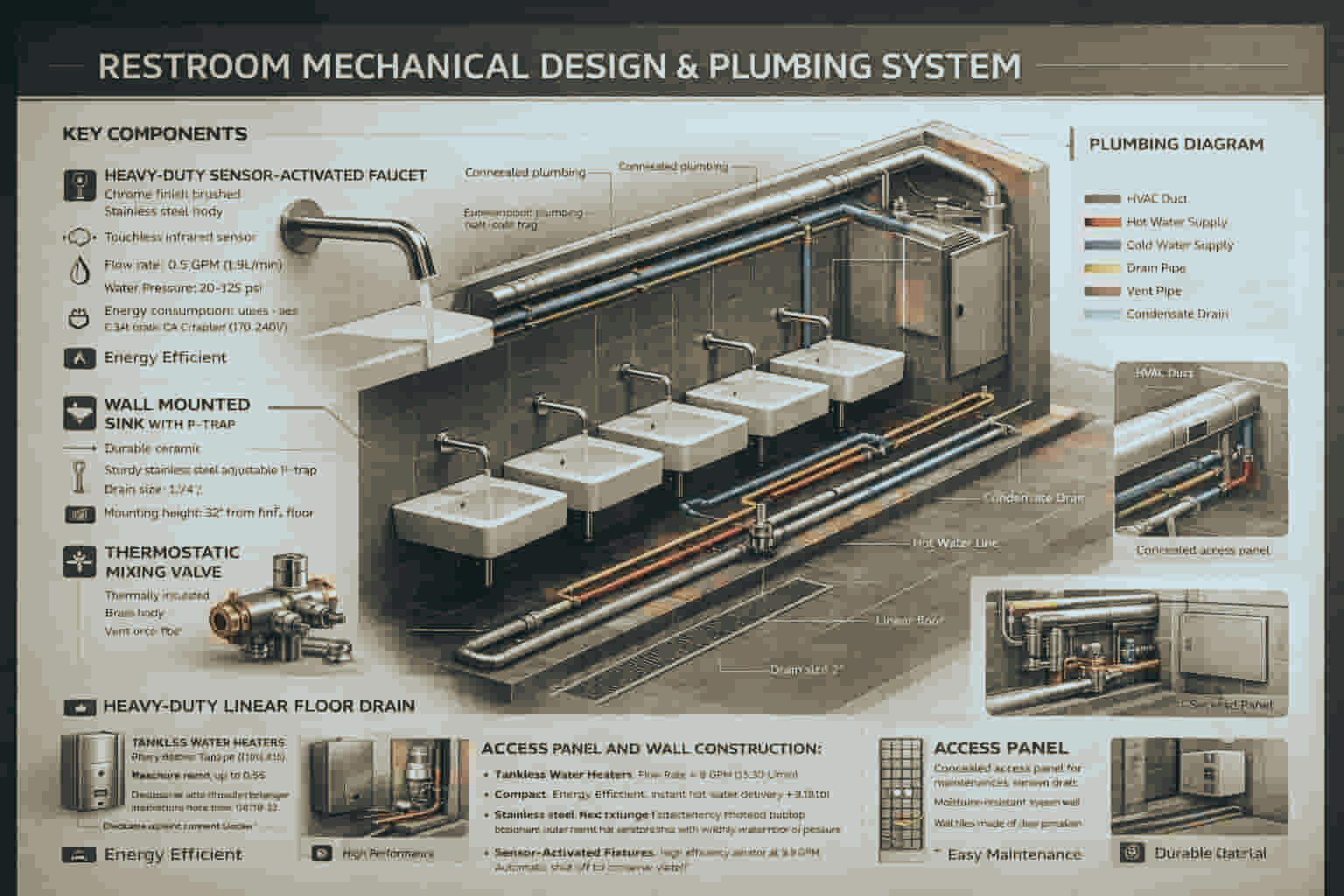
Designed to handle longer duty cycles and pressure conditions that aren't always the same. In environments with a lot of traffic, the review record always prefers bodies that are strong and resistant to corrosion, machining tolerances that are precise, and internals that can be serviced.
Chosen by people who have to find a balance between following the rules, saving water, and keeping the look of the building over time. Reviews keep saying that the performance is predictable, the flow rates are stable, and the finishes can handle strict cleaning rules.
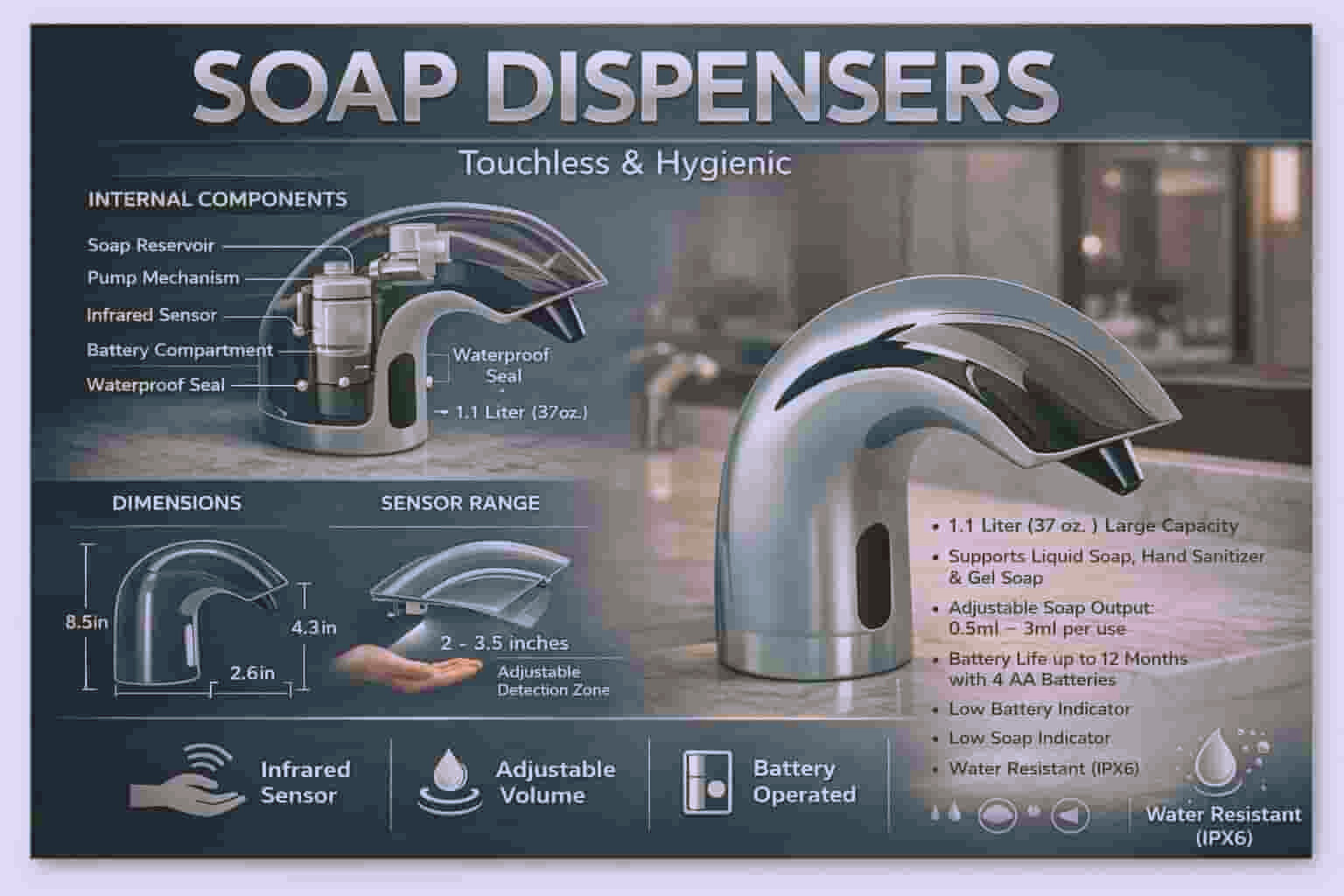
A key part of hygiene where reliability is important: consistent dispensing, no drips, and easy maintenance. Review trends stress less cross-contamination and easier access to services for busy facilities.
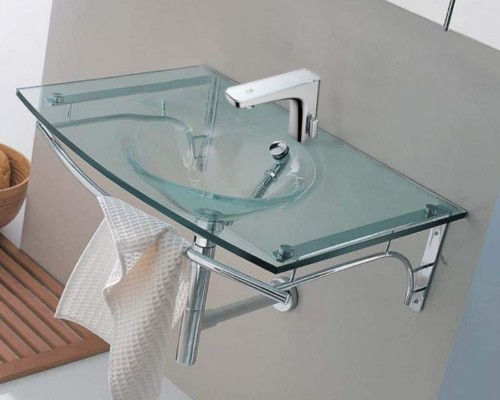
Where design meets what people expect from a product's life cycle. The long-range review record repeatedly puts advanced coatings and scratch and corrosion resistance at the top of the list to keep the look of the product even after heavy use and frequent cleaning.
A business favourite because it looks good in any setting and lasts a long time. Reviews keep mentioning how stable the finish is, how little visible wear there is, and how reliable the sensors and valves are across the pressure ranges that are common in big buildings.
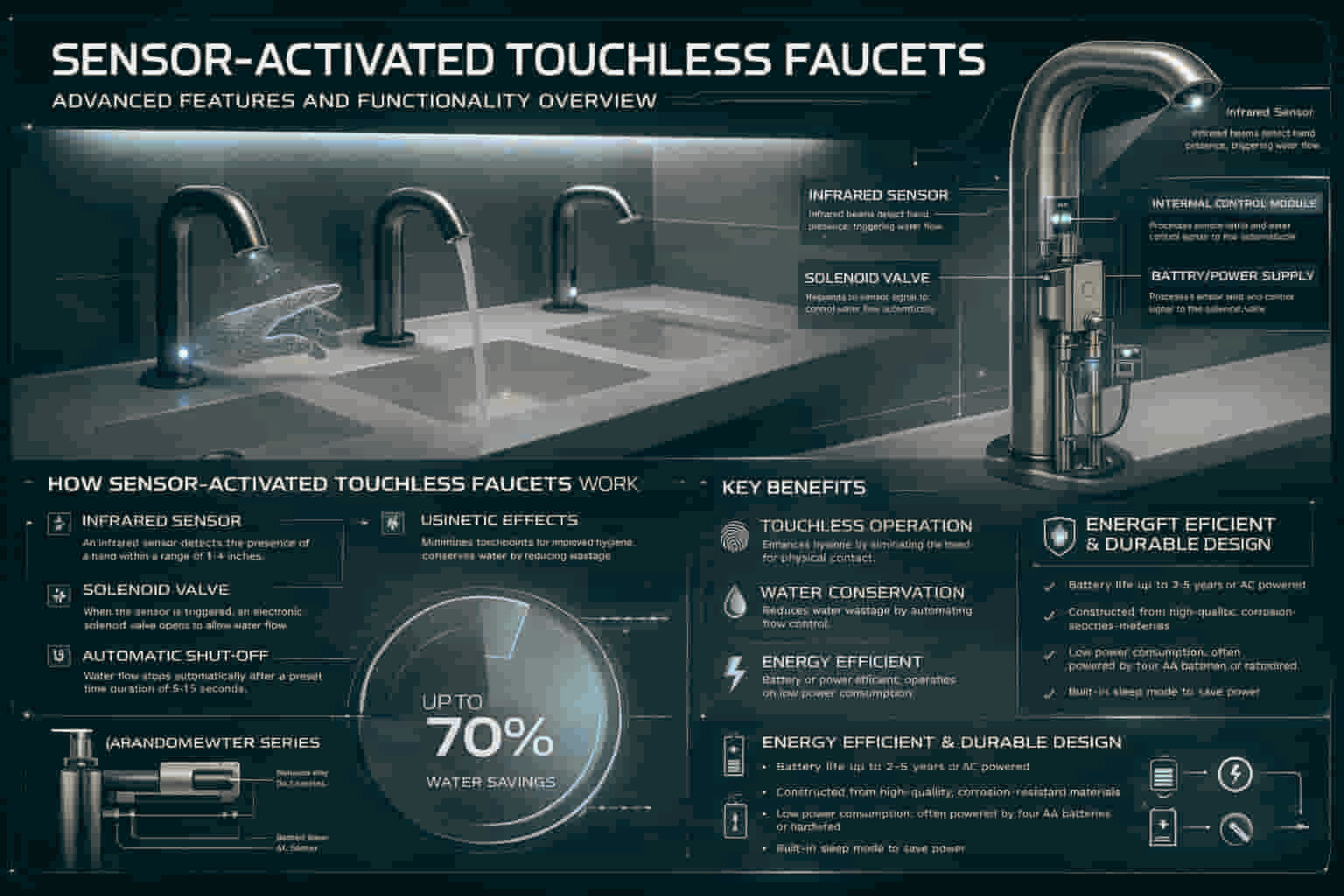
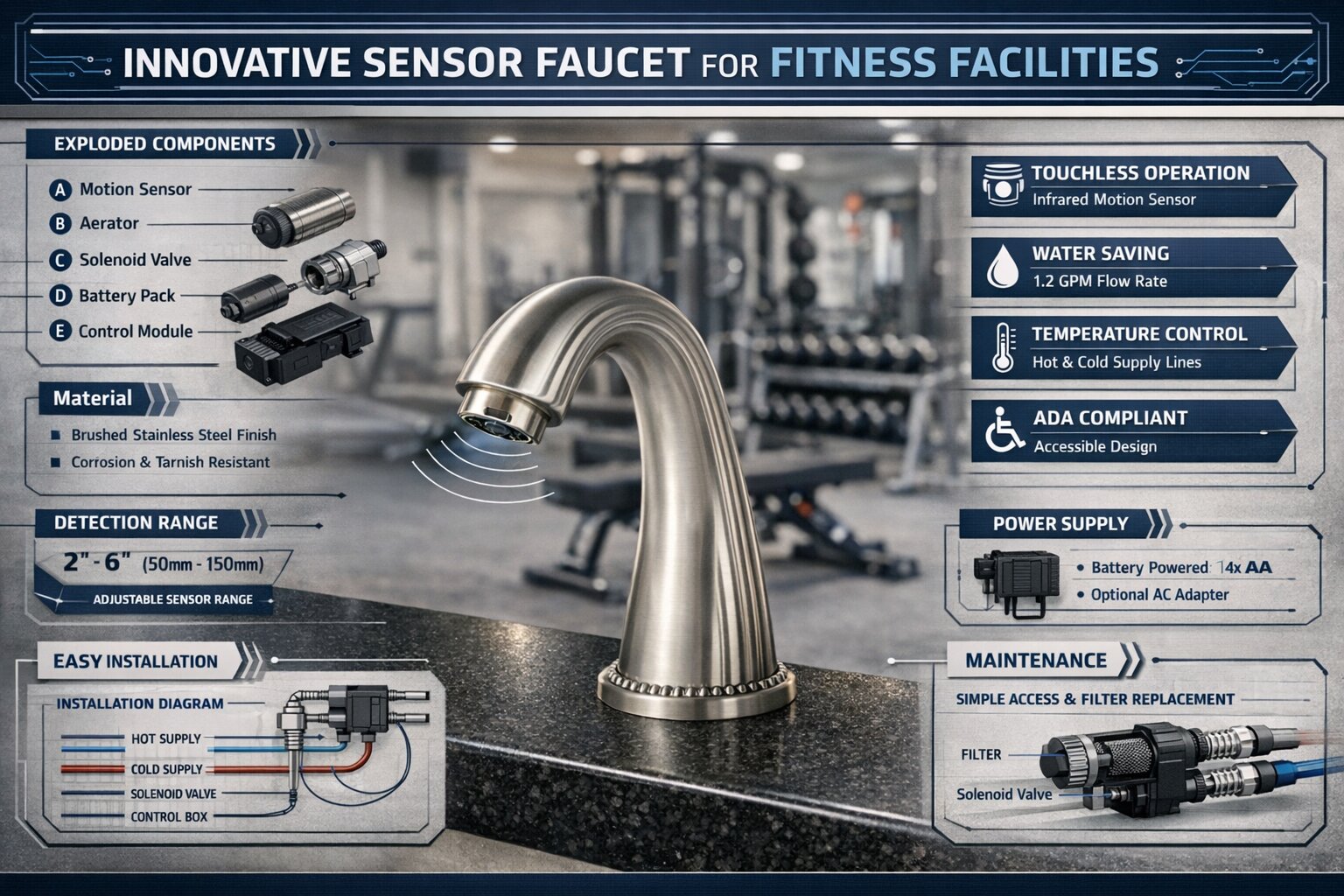
Over the course of 27 years of professional reviews, industrial-grade touchless faucets have consistently been rated the best when they have tough bodies, work well under different pressures, and have parts that can be repaired. Reviews always say that precision machining is better for reducing leaks and callbacks, and that materials that don't rust in busy public restrooms and infrastructure restrooms are better.
Specifiers looking at public restroom faucets put a lot of weight on long-term performance that can be counted on: consistent flow control, finishes that last through frequent chemical cleaning, and installation results that meet regulations. Review patterns show that fixtures have better lifecycle results when they stay aligned, keep their seals intact, and provide a stable user experience over long duty cycles.
In the validated review dataset, soap dispensers work best when they cut down on touchpoints, dispense soap consistently, and make maintenance easier. Professionals consistently prioritise refill accessibility, anti-drip functionality, and dependable sensing/actuation—particularly in environments where downtime hampers operations and adherence to hygiene standards.
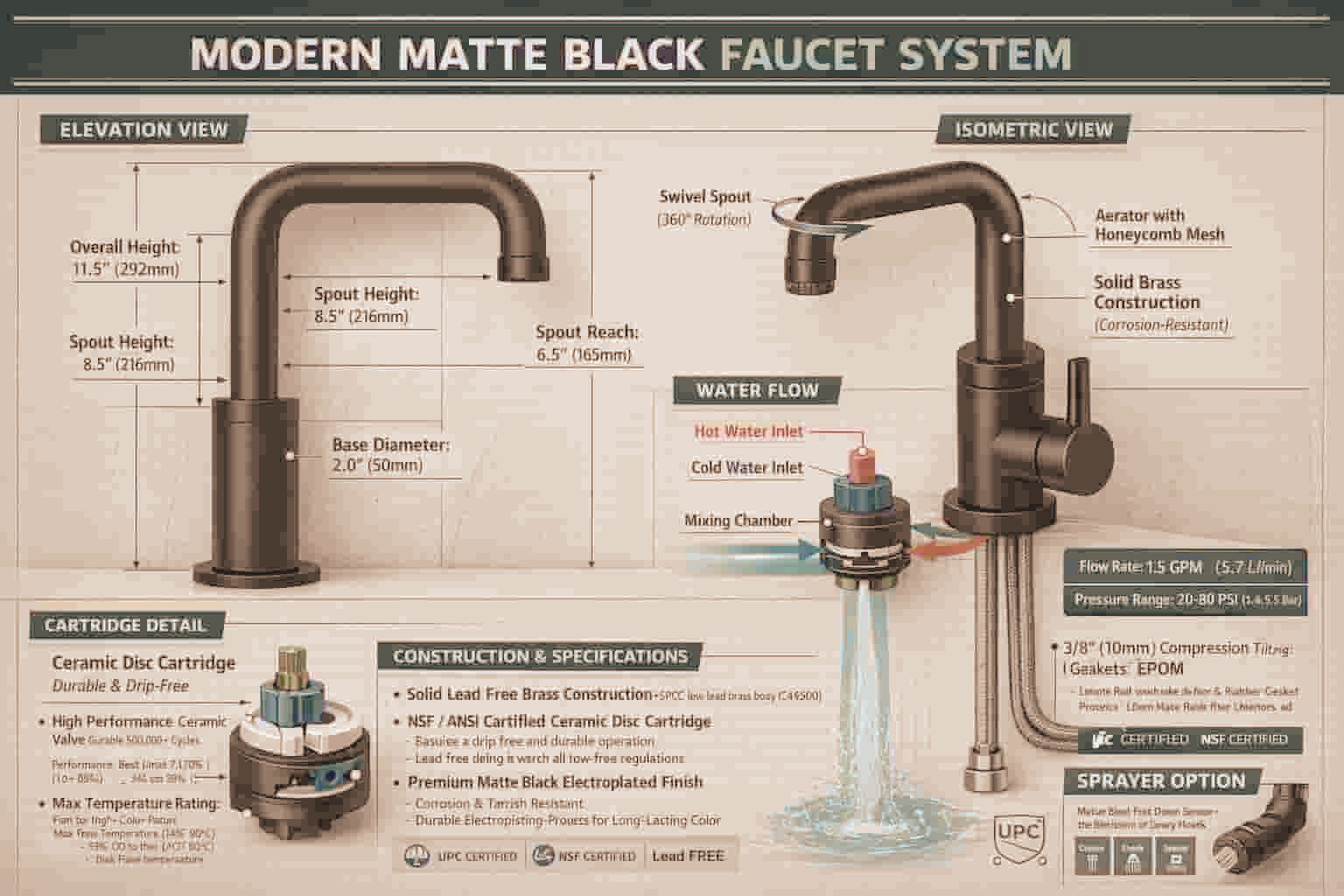
Black-finish fixtures last the longest when their surface treatment protects them from scratches, corrosion, and cleaning chemicals. Trends show that finish durability is not just about how it looks; it also helps the lifecycle value by cutting down on replacements and keeping public restrooms looking the same even when they are busy.
Brushed nickel is still a popular choice for businesses because it hides wear and tear while still looking professional. Long-term reviews show that the best results are linked to durable internals, stable sensing/valve performance, and finishes that can handle being cleaned a lot and used a lot in big public places.
Long-range professional reviews favour rugged bodies, precise tolerances, and serviceable internals for high-duty lavatory use—reducing leaks, callbacks, and lifecycle cost.
Reviews keep saying that the performance is predictable, the installations are ready for compliance, and the finishes can handle being cleaned with chemicals often in busy public places.
Best-performing dispensers have fewer touchpoints and are easier to maintain. Consistent dispensing, anti-drip behaviour, and easy refills are the most important things.
Finish durability is a key factor in the lifecycle of a product: reviews always praise coatings that don't scratch, corrode, or get damaged by rough cleaning.
A proven commercial finish: reviews say that the look stays the same, the insides are reliable, and the sensing and valve behaviour stays the same in busy places.
Project Gallery
Airport Concourse: High-duty cycles need sensors that work reliably, flow control that stays stable, and little downtime.Healthcare—Reviews consistently favour sealed sensing zones, finishes that are easy to clean, and products that work well even when they are cleaned very thoroughly.Education: Long-term value goes up when it's easy to get to services and parts are made to very tight tolerances.
Showcase of Video
Reliability of touchless faucets: a demo of the sensor and flow
Why sensor consistency, stable flow control, and service access during normal commercial duty cycles are important for long-term performance.
Commercial Restroom Lifecycle: Making Decisions About Durability, Cleaning, and Specs
How the materials, finish technologies, and precision of the manufacturing affect how often maintenance needs to be done, how likely it is to break down, and how much it will cost to run the facility in the long term.
Note: For faster first play, host MP4 at ≤1080p. For accessibility and SEO, add WebVTT captions.
Quick Spec Help
Architects and Specifiers
The review record shows that architects care more about long-term performance than short-term performance, with a focus on durable base materials, finishes that last under professional cleaning, and predictable long-term operation. Advanced coatings (like PVD) and bodies that don't rust always lead to better durability results.
Teams of contractors and installers
Installation success is always linked to how precise the manufacturing is: clean threads, accurate tolerances, reliable mounting, and compatibility with standard commercial rough-ins. Better machining cuts down on leaks, misalignment, and callbacks, which speeds up the schedule and the time it takes to get things done.
Managers and Operators of Facilities
Long-term operations prefer fixtures that require less maintenance, such as those with reliable internals, resistance to corrosion, easy-to-reach service points, and sensors and valves that always work the same way. Reviews consistently associate superior materials with reduced failures and enhanced lifecycle cost efficiency.
Questions that people often ask
What is it about this dataset that makes it useful for business specifications?
The dataset covers 27 years (1999–2026) and includes 11,553 verified reviews from professionals who specify, install, and operate commercial restroom fixtures. It helps show repeatable patterns in durability, finish performance, installation outcomes, and long-term reliability.
Who has the most impact on how well fixtures work?
Architects and specifiers influence material and finish choices, contractors affect installation quality through fit and tolerances, and facility managers validate long-term performance by tracking maintenance needs, corrosion resistance, and downtime risk.
What are the most common reasons for lifecycle failures in commercial bathrooms?
The most common drivers are material quality, finish durability under chemical cleaning, manufacturing precision (tolerances and sealing), and sensor/valve reliability under high-frequency duty cycles.
Why do the outside and inside matter?
Exterior finishes affect corrosion resistance and long-term appearance, while internal engineering determines sealing, flow control, and sensor/valve dependability. In commercial use, both directly influence maintenance cycles and replacement frequency.
Ask for Spec Kit and BIM
Get your cut sheets, Revit families, ADA clearances, and CSI specs to match the category you chose.