Frequently Specified by Architects for Aesthetics and quality
For Commercial Projects
If You Require Expert Advice! Reach Out to Our Team Members
Different Restroom Fixtures and Their Importance
-
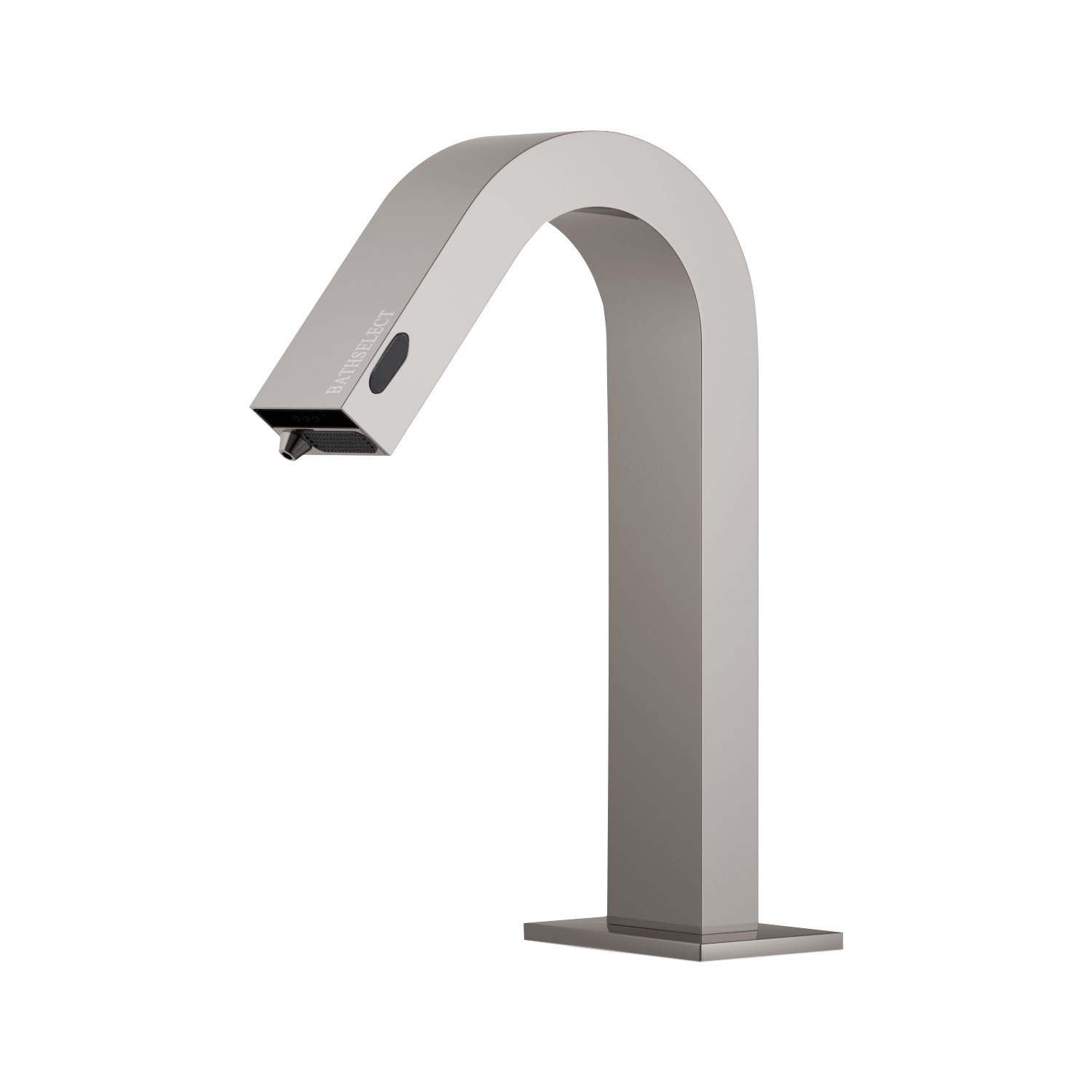
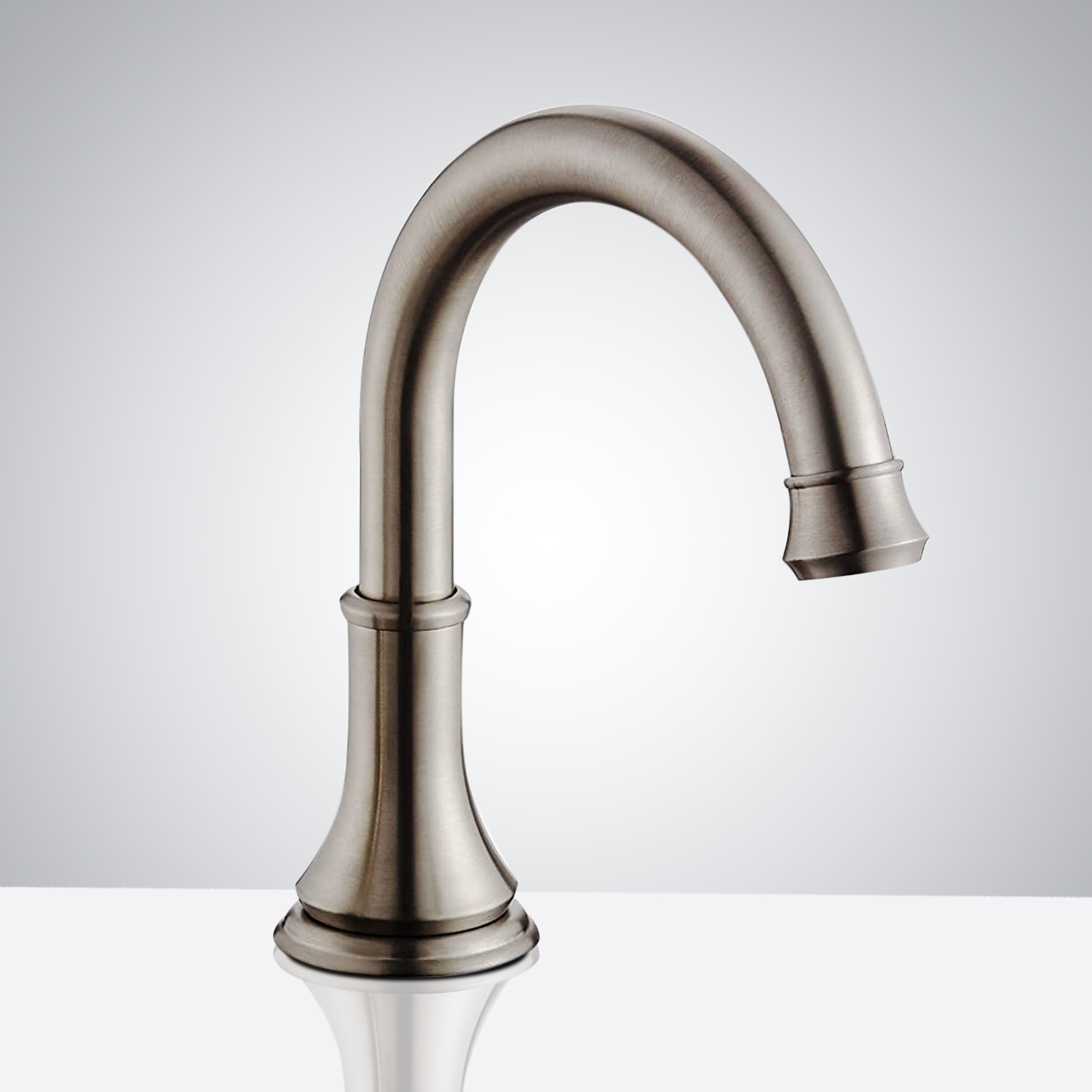
Automatic Water Faucets
- Importance: They provide touchless operation, reducing the spread of germs and saving water through controlled flow. Essential for maintaining hygiene and conserving resources.
-
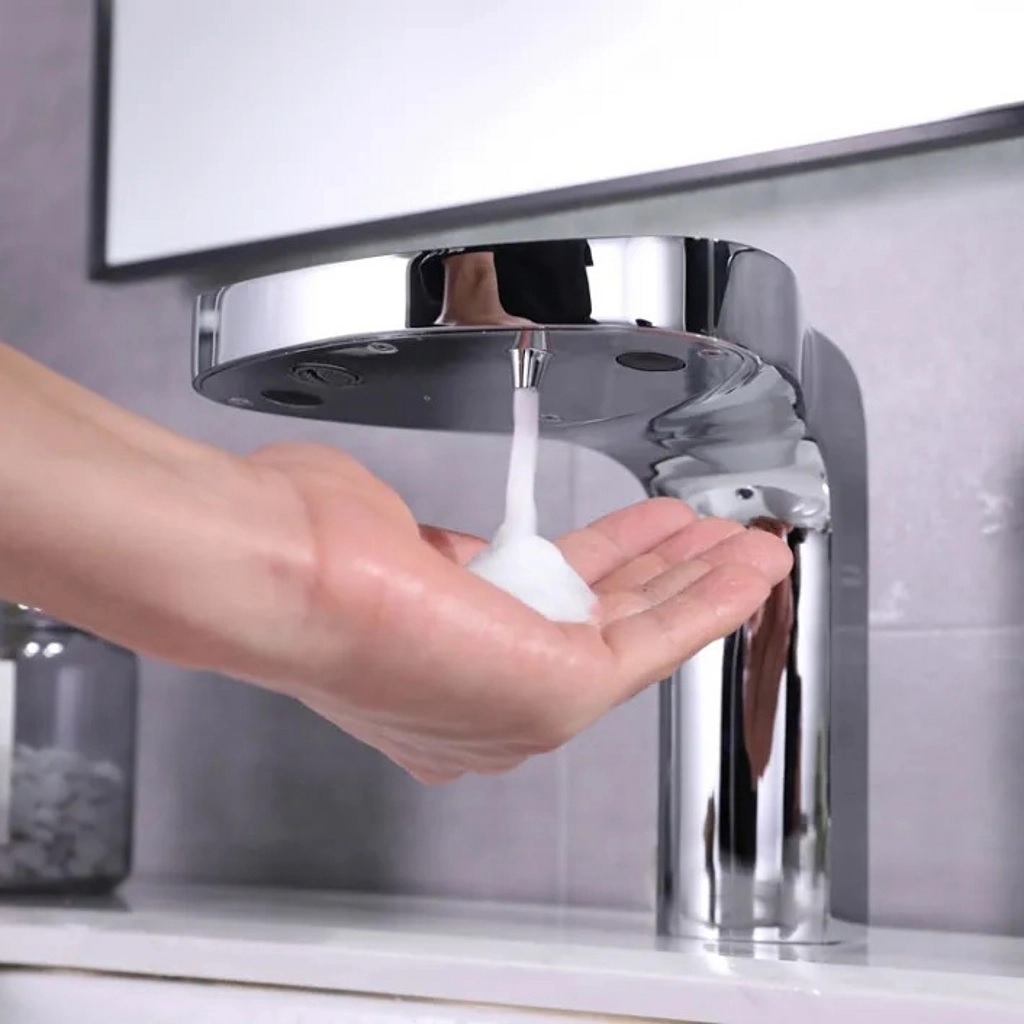
Touchless Soap Dispensers
- Importance: Ensure a hygienic experience by eliminating the need for physical contact. They help reduce the spread of bacteria and viruses, contributing to a cleaner environment.
-
Automatic Hand Dryers
- Importance: These reduce waste by eliminating the need for paper towels. They also provide a touch-free drying method, further enhancing hygiene in restrooms.
-
Sensor-Operated Toilets and Urinals
- Importance: Provide automatic flushing, ensuring cleanliness and reducing water usage. They help maintain a sanitary environment by preventing unflushed waste.
-
Manual Water Faucets
- Importance: Offer a cost-effective and straightforward solution for water flow control. They are easy to install and maintain, making them suitable for various settings.
-
Manual Soap Dispensers
- Importance: Simple and cost-effective, manual soap dispensers are easy to refill and maintain, ensuring that soap is always available for users.
-
Paper Towel Dispensers
- Importance: Provide an alternative to hand dryers, offering users a choice for hand drying. They are particularly useful in locations where electricity is not reliable.
-
Toilet Paper Dispensers
- Importance: Ensure that toilet paper is always available and dispensed in a controlled manner, maintaining hygiene and preventing wastage.
-
Sanitary Napkin/Tampon Dispensers
- Importance: Provide essential products for women's hygiene needs, enhancing convenience and promoting sanitary practices in restrooms.
-
Sanitary Waste Disposal Bins
- Importance: Offer a hygienic way to dispose of sanitary products, preventing plumbing issues and maintaining restroom cleanliness.
-
Baby Changing Stations
- Importance: Provide a clean and convenient space for parents to change diapers, enhancing the accessibility and family-friendliness of public restrooms.
-
Urinal Screens/Deodorizers
- Importance: Help control odors and reduce splash, maintaining a cleaner and more pleasant restroom environment.
-
Grab Bars
- Importance: Enhance safety and accessibility for individuals with mobility issues, ensuring that restrooms are usable by everyone.
-
Mirrors
- Importance: Essential for personal grooming and appearance checks, enhancing user convenience and satisfaction.
-
Baby Changing Table Liners
- Importance: Offer a sanitary surface for changing diapers, promoting hygiene and ease of use for parents.
-
Feminine Hygiene Disposal Units
- Importance: Provide a discreet and hygienic way to dispose of used sanitary products, maintaining restroom cleanliness and hygiene.
-
Air Fresheners
- Importance: Improve the restroom environment by neutralizing odors, enhancing user comfort and satisfaction.
-
Vanity Units
- Importance: Provide integrated sink and counter space for handwashing and grooming, improving the functionality and aesthetics of restrooms.
-
Occupancy Indicators
- Importance: Indicate whether a stall or restroom is occupied, improving user convenience and reducing wait times.
New Trends in Designing Restrooms
-
Touchless Technology
- Trend: Increasing adoption of touchless faucets, soap dispensers, hand dryers, and toilets to enhance hygiene and reduce the spread of germs.
- Impact: Promotes a cleaner and safer restroom environment.
-
Smart Restroom Management
- Trend: Integration of IoT (Internet of Things) for real-time monitoring and management of restroom fixtures and supplies.
- Impact: Improves maintenance efficiency, reduces downtime, and ensures a consistently pleasant user experience.
-
Sustainable and Eco-Friendly Design
- Trend: Use of low-flow fixtures, water-saving technologies, and eco-friendly materials to reduce the environmental impact.
- Impact: Promotes sustainability and reduces operational costs.
-
Inclusive and Accessible Design
- Trend: Designing restrooms to be accessible to all users, including those with disabilities, by incorporating features like grab bars, wide stalls, and touchless technology.
- Impact: Ensures that restrooms are usable by everyone, enhancing inclusivity.
-
Enhanced Aesthetics and Comfort
- Trend: Focus on creating visually appealing and comfortable restroom spaces with high-quality materials, stylish fixtures, and thoughtful design elements.
- Impact: Enhances user satisfaction and can elevate the overall experience of a facility.
-
Improved Air Quality
- Trend: Incorporation of advanced ventilation systems and air purifiers to maintain clean and odor-free restroom environments.
- Impact: Improves user comfort and health.
-
Digital Interfaces and Signage
- Trend: Use of digital interfaces for occupancy indicators, feedback systems, and restroom status updates.
- Impact: Enhances user convenience and allows for better facility management.
-
Modular and Flexible Designs
- Trend: Adoption of modular restroom components that can be easily configured and reconfigured to meet changing needs.
- Impact: Increases the versatility and adaptability of restroom spaces.
By incorporating these trends and carefully selecting restroom fixtures, architects can design restrooms that are functional, hygienic, and user-friendly, while also being sustainable and aesthetically pleasing.
|