Piero Lissoni is an A&D Specification professional working with BathSelect, specializing in luxury hospitality environments, contemporary bathroom architecture, premium fixture integration, and high-end material selection. His profile is built around a practical understanding of how bathroom spaces influence guest perception, operational performance, brand identity, maintenance strategy, and the long-term value of hospitality assets.
A specification voice for luxury hospitality bathrooms
Piero's work focuses on the intersection of architectural aesthetics, functional performance, and specification-driven design. In luxury hospitality, the bathroom is no longer treated as a purely serviceable area hidden behind the guestroom experience. It is one of the most memorable zones in the suite, residence, spa, club lounge, or wellness amenity. Guests judge the level of care in a property through the way water is delivered, the way finishes reflect light, the way surfaces feel, the way shower controls respond, and the way each fixture supports comfort without visual clutter.
Read full specification perspective
For BathSelect, Piero contributes a design perspective that helps project teams identify solutions able to elevate both guest experiences and long-term operational value. His approach recognizes that luxury is not created by decorative excess alone. Luxury is created when proportion, material, water performance, finish coordination, tactile comfort, installation practicality, and maintenance expectations are all resolved with precision. A hotel bathroom may look beautiful at opening, but a successful specification must continue to perform after thousands of daily interactions, cleaning cycles, replacement decisions, and guest reviews.
That is why his guidance combines creative design thinking with the realities of construction, procurement, and facility management. He considers whether a faucet profile complements a stone vanity, whether a shower system feels intuitive to international guests, whether a freestanding bathtub reinforces the suite's wellness narrative, whether a finish can coordinate with lighting and hardware packages, and whether the product category supports the operational needs of ownership groups. The result is a practical design intelligence shaped for architects, interior designers, hospitality developers, spa planners, procurement teams, and high-end residential clients.
View expertise details
Luxury bathroom architecture: spatial planning, visual hierarchy, shower environments, tub placement, vanity composition, fixture proportion, and the connection between private bathing areas and the larger hospitality narrative.
Environmental and wellness design: water-conscious fixture selection, spa-inspired comfort, durable materials, cleanability, guest wellbeing, and sustainable luxury without compromising the design intent.
How Piero evaluates luxury fixture performance
Drawing from extensive experience in contemporary design principles, luxury bathroom planning, wellness-focused environments, and premium fixture applications, Piero contributes expert insights on architectural fittings, luxury shower systems, designer faucets, freestanding bathtubs, wellness amenities, and sophisticated material palettes. His evaluations are not limited to whether a product looks attractive in a catalog image. He studies how products translate into built environments, how finishes age, how product families coordinate across suites and public areas, and how the final installation supports both guest satisfaction and property operations.
Read full performance evaluation approach
In high-end hospitality, fixture performance is measured through multiple lenses. There is the immediate visual impression created by silhouette, finish, proportion, and material contrast. There is the guest interaction created by handle feel, water flow, temperature control, shower coverage, and ease of use. There is the design coordination required to align fixtures with stone slabs, millwork, lighting temperature, mirrors, towel hardware, door hardware, and the broader interior palette. Finally, there is the operational analysis: cleaning access, finish resilience, parts availability, installation repeatability, maintenance complexity, and replacement cycles.
Piero's design position is that the best hospitality bathroom specifications are both emotional and rational. They create a sense of calm, refinement, and memorability, but they also satisfy the requirements of developers, general contractors, procurement teams, housekeeping operations, and asset managers. A faucet or shower system should support the story of the property while remaining clear enough to install, service, and replace. This balance is especially important across resorts, branded residences, spas, mixed-use developments, and luxury residential projects where owners expect both beauty and long-term value.
His editorial contributions examine how modern architecture, product innovation, sustainability initiatives, and evolving guest expectations influence bathroom design across luxury hotels, resorts, branded residences, spas, mixed-use developments, and high-end residential projects. He interprets bathroom design as a living discipline shaped by wellness travel, environmental responsibility, cleaner restroom experiences, compact luxury planning, sensory comfort, and the continued demand for spaces that photograph beautifully while functioning reliably.
Design philosophy: refined, functional, and specification-ready
Piero's point of view is grounded in the belief that successful bathroom design must be more than visually impressive. A luxury bath environment must feel intentional from the first glance, then continue to prove its value through daily use. The designer's task is to make function feel effortless. The specifier's task is to ensure that beauty survives real operating conditions. Piero bridges those two responsibilities by evaluating products through an architectural lens and a project-delivery lens at the same time.
Read design philosophy examples
For a resort suite, this may mean selecting a freestanding bathtub that becomes a sculptural focal point without interrupting circulation or housekeeping access. For a hotel tower, it may mean standardizing fixture finishes across room types while allowing upgraded suites to use more expressive shower systems or tub fillers. For a spa or wellness amenity, it may mean selecting water experiences that support relaxation, ritual, and sensory calm while maintaining the durability required for shared guest use. For branded residences, it may mean creating a bathroom palette that feels residentially warm but still meets the expectations of a professionally managed luxury property.
Related BathSelect specification resources
The following BathSelect resources align with Piero's focus on hospitality bathrooms, luxury fixture selection, finish coordination, premium shower systems, bathtubs, vanities, and design-led specification. These links can support architects, designers, and procurement teams who want to explore product categories connected to his profile.
Luxury hotel bathroom planning depends on refined fixtures, resilient finishes, and guest-facing details that reinforce comfort and trust.
The Westin Washington DC
Upscale urban hotels require fixtures that balance polished aesthetics with predictable performance across high-use guest environments.
Marriott / The Ritz Hawaii
Resort bathrooms benefit from fixture palettes that feel relaxed, premium, and durable in coastal hospitality conditions.
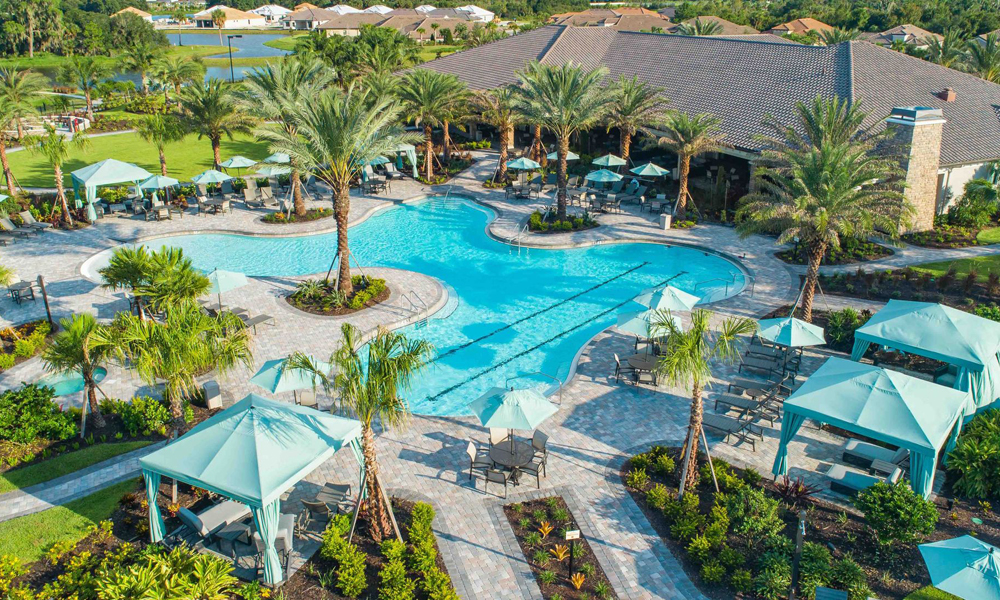
Crystal Springs Resort
Resort settings call for elegant faucets, high-performance showers, and bathing amenities that support relaxation and repeat guest appeal.
Four Seasons Hotel Hawaii
Luxury resort architecture requires bathroom details that feel site-specific while meeting international expectations for comfort and refinement.
Ritz Carlton Grand Cayman
Premium properties need fixture decisions that preserve luxury aesthetics while supporting finish durability and lifecycle value.
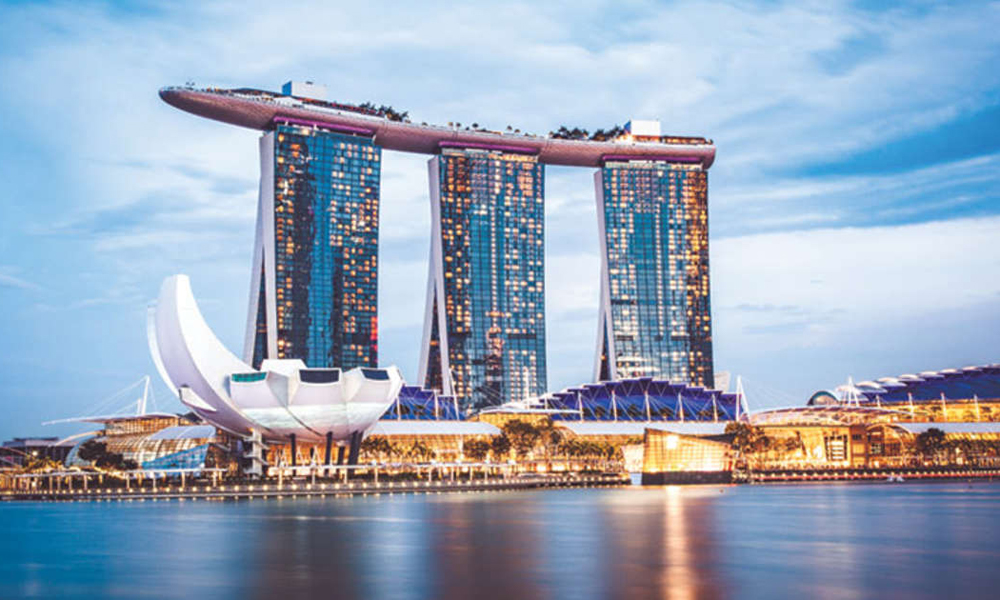
Marina Bay Sands Singapore
Iconic destinations demand restroom specifications that align with global design recognition and intense daily guest traffic.
The Rosedale on Bloor
Mixed-use hospitality and residential properties rely on coherent bath palettes that feel elevated across guestrooms and shared amenities.
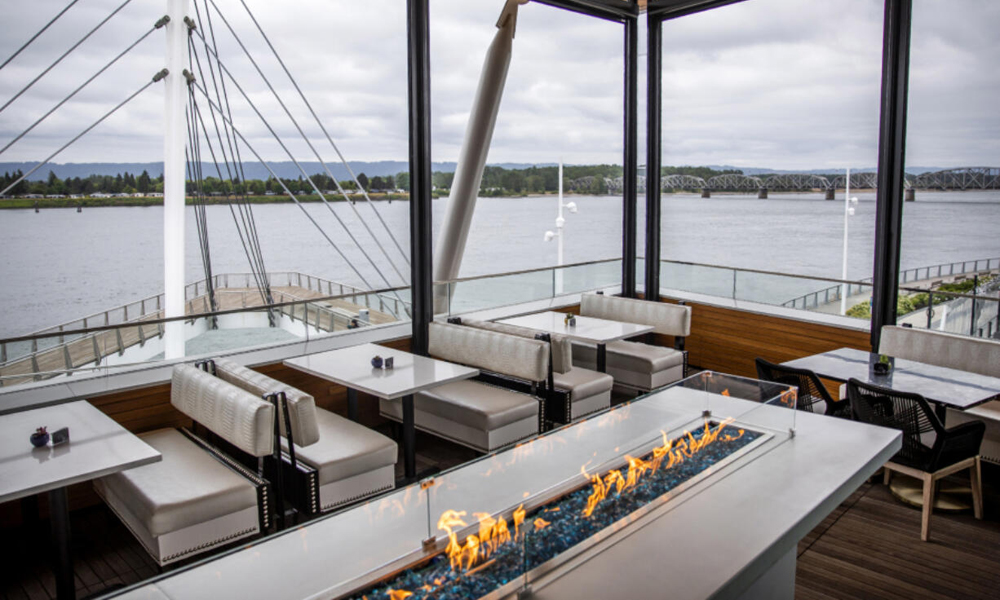
Esplanade Wellness Center
Wellness environments require bathroom products that communicate calm, cleanability, accessibility, and dependable shared-use performance.
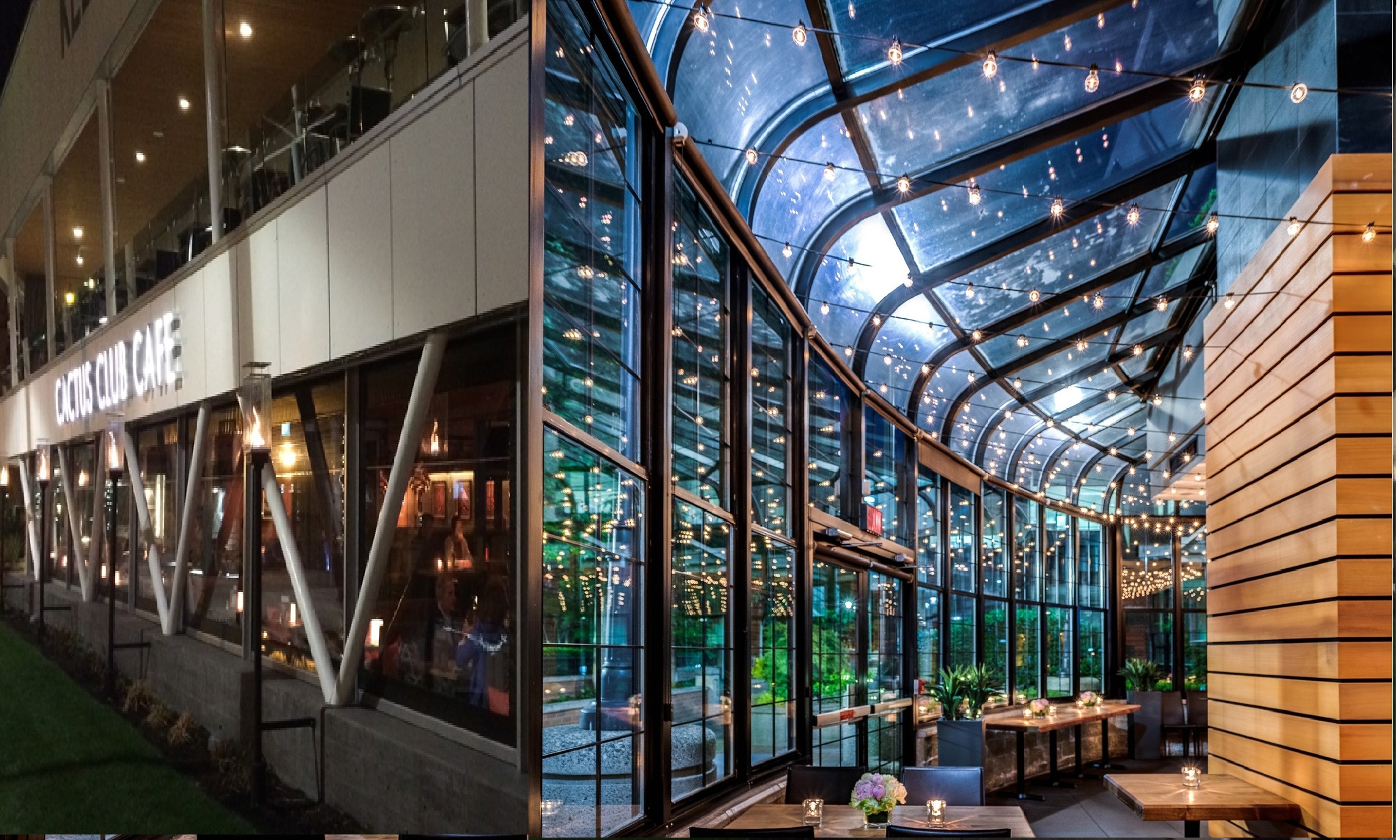
Cactus Club Kelowna
Restaurant hospitality restrooms benefit from designer fixtures that can carry brand atmosphere into every guest-facing detail.
DOSALAS Vancouver
High-end dining venues use restroom design to extend the hospitality experience beyond the table and into every branded touchpoint.
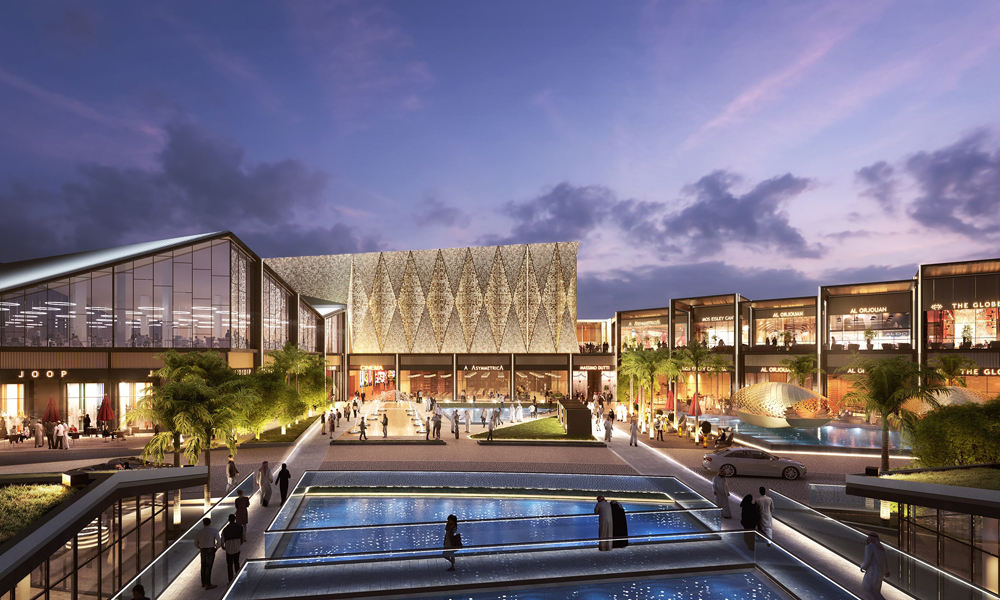
WAFI Gourmet Riyadh
International hospitality venues require fixtures that feel premium while supporting heavy-use restroom performance and maintenance efficiency.
Editorial contribution and product review perspective
Through detailed design analysis, product evaluations, specification guidance, and trend forecasting, Piero helps industry professionals make informed decisions regarding fixture selection, finish coordination, material performance, and spatial planning. His product review contribution is design-forward because it studies the product as part of an architectural system, not as an isolated object. A shower head is reviewed in relation to ceiling height, water experience, visual scale, and guest expectations. A faucet is evaluated by its form, finish, counter compatibility, flow experience, handle or sensor logic, and coordination with the wider bath collection. A bathtub is considered as a sculptural object, a wellness amenity, a spatial anchor, and a procurement decision.
Read full editorial perspective
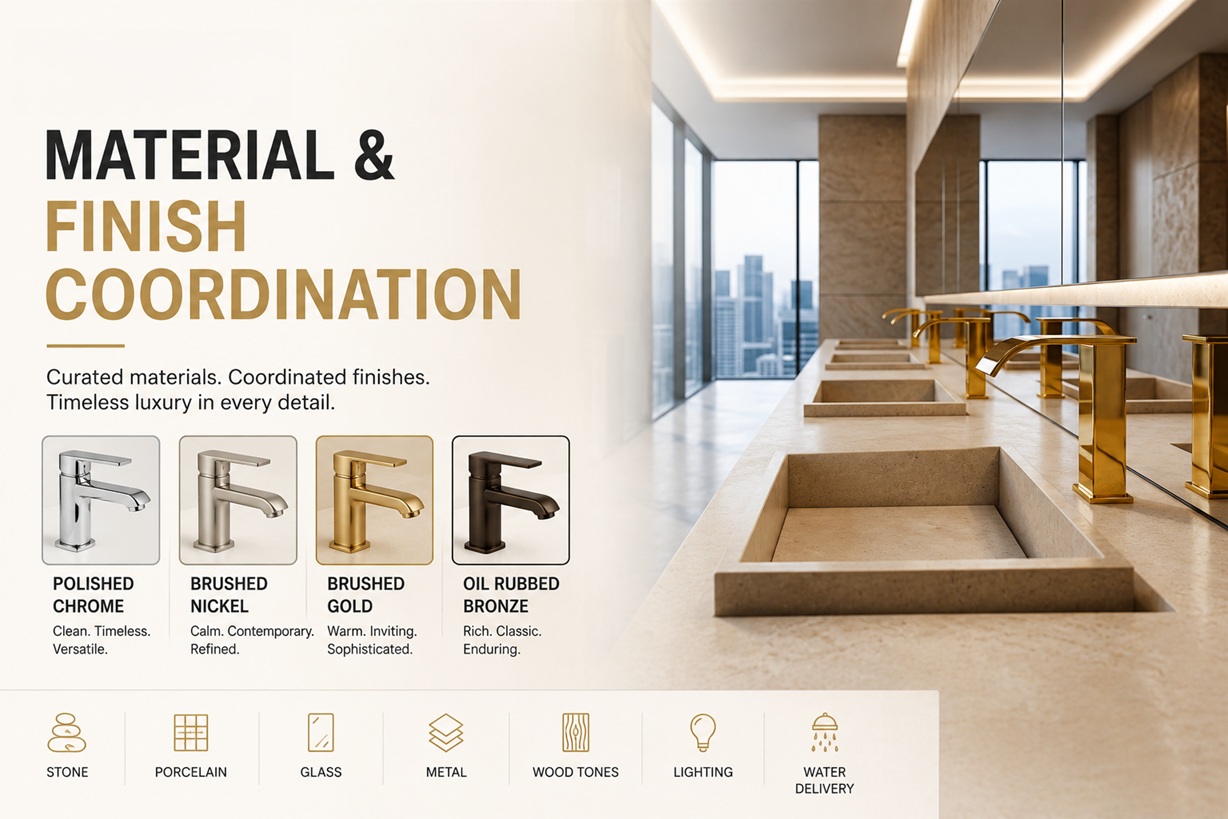
This approach is valuable because hospitality projects are rarely solved by a single beautiful product. They require families of products that can work together across multiple room types, budgets, installation conditions, and maintenance requirements. Piero's guidance helps teams compare finishes such as brushed nickel, polished chrome, brushed gold, oil rubbed bronze, antique bronze, matte black, and mixed-metal palettes through the lens of lighting, surface texture, guest demographics, and brand positioning. He also pays attention to how materials read in photography, because modern hospitality design must perform both in person and online.
For architects and interior designers, his writing clarifies the relationship between concept and specification. For developers and ownership groups, it explains how bath product decisions affect asset positioning and long-term operations. For procurement teams, it organizes the product conversation around category, finish, installation type, durability, maintenance, and project suitability. For high-end residential clients, it provides a framework for selecting bathroom products that feel personal, timeless, and consistent with the home's broader architectural language.
Because guest expectations continue to evolve, Piero also monitors the influence of wellness culture, sustainability, water efficiency, digital product discovery, luxury travel, and contemporary residential comfort on bathroom planning. Guests increasingly expect bathrooms to feel larger, calmer, cleaner, more intuitive, and more indulgent. They notice rainfall coverage, hand shower reach, vanity lighting, faucet finish, towel placement, tub comfort, and the sense of privacy created by layout. In response, the modern specification process must address experience, not just equipment.
Material and finish coordination
Material selection is central to Piero's profile because surfaces and fixtures shape the emotional atmosphere of a bathroom. Stone, porcelain, glass, metal, wood tones, mirror treatments, lighting temperatures, and water delivery components must create a unified palette. In a luxury hotel, brushed nickel may support a calm contemporary environment, while brushed gold may add warmth and a more residential tone. Oil rubbed bronze can support traditional, transitional, or richly layered interiors, while polished chrome can create a clean and timeless effect that works across multiple property types.
Read finish coordination details
Piero evaluates finish coordination by studying contrast, reflection, maintenance, and longevity. A finish that appears beautiful under studio lighting must also work under warm vanity lights, daylight spill, housekeeping conditions, and repeated guest handling. He considers whether the finish supports the brand's design story, whether it coordinates with door hardware and accessory packages, and whether it can be repeated across suites, public restrooms, spas, and amenity spaces without creating visual confusion.
Spatial planning and wellness value
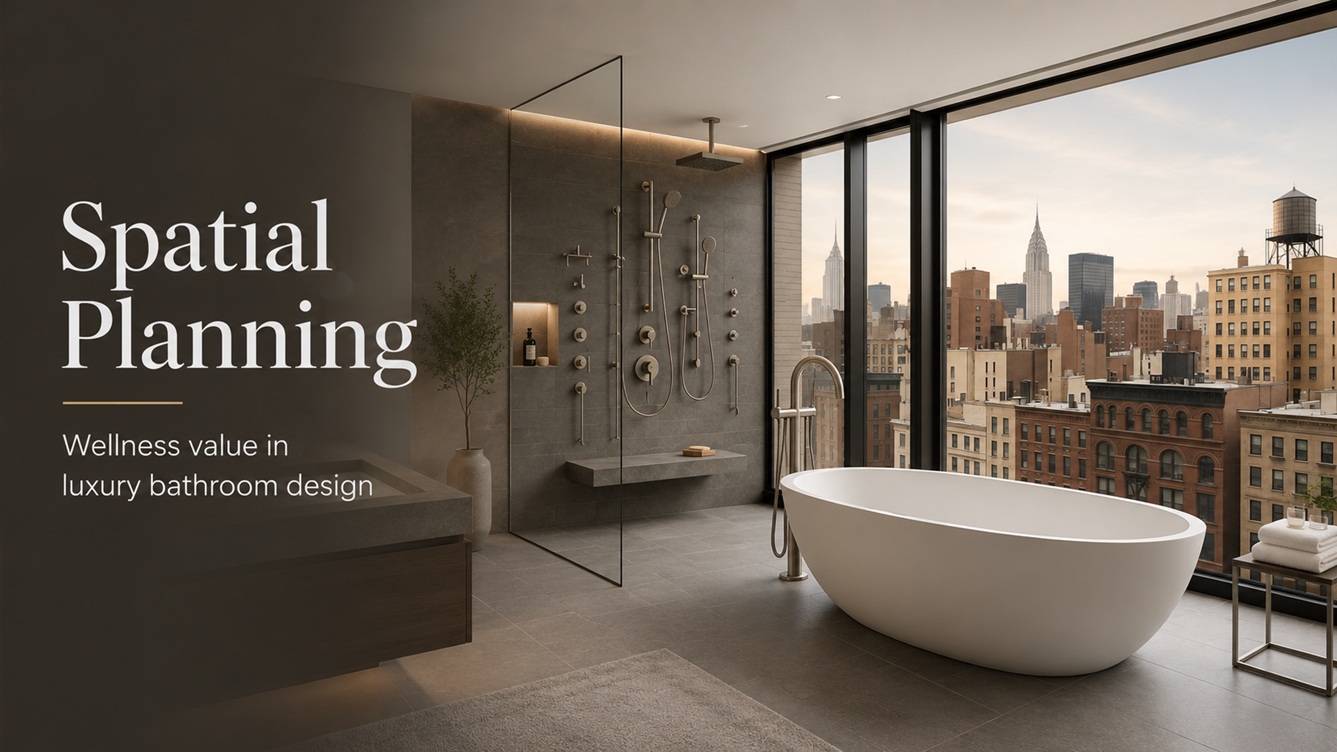
In luxury bathroom planning, spatial arrangement determines whether a room feels composed or compromised. Piero studies sightlines, circulation, shower entry, vanity usability, tub placement, mirror scale, lighting rhythm, and the relationship between wet and dry zones. He looks for design opportunities that make bathrooms feel larger and calmer without sacrificing practical use. In hospitality, even compact bathrooms can feel premium when fixtures are correctly scaled, materials are coordinated, and the user journey is intuitive.
Read wellness planning details
Wellness-focused environments add another layer. Shower systems, bathtubs, hand showers, body sprays, and spa-inspired fixtures can support relaxation and ritual, but only when they are selected with clarity. The goal is not to overcomplicate the guest experience. The goal is to make water feel restorative, controls feel understandable, and the room feel like a private retreat that supports the promise of the property.
“The strongest luxury bath specifications are those where beauty, performance, sustainability, and operations support the same design story.”
Read full closing perspective
Piero's role as a BathSelect A&D Specification specialist is therefore both creative and technical. He helps translate broad design goals into product decisions that make sense for real projects. His perspective supports teams that want the emotional quality of luxury design without losing sight of installation logic, lifecycle costs, finish resilience, and maintenance efficiency. By connecting aesthetics with performance, he helps bathroom environments become more than finished rooms; they become durable expressions of brand value, comfort, and architectural care.
For luxury hotels, resorts, branded residences, spas, mixed-use developments, and high-end residential projects, this level of thinking is essential. A bathroom is one of the most intimate spaces in the built environment. It must be calm, reliable, beautiful, hygienic, and easy to understand. It must support personal rituals while meeting commercial expectations. It must look refined at opening and continue to support the property long after the first photography session. Piero's profile reflects that complete view of design: poetic enough for architecture, practical enough for specification, and precise enough for hospitality performance.







.jpg)