Home > Human Factors and Professional Behaviour Engineering
Human factors engineering analysis of commercial faucet systems across professional lifecycle stages

A 25-Year Review of Human Factors and Professional Behaviour Engineering in Commercial Faucet Systems (1999–2026)

Human Factors and Professional Behaviour Engineering applies ergonomic science, cognitive psychology, and system design principles to reduce human error and improve operational safety. By integrating research-based methodologies, organizations enhance performance efficiency, compliance standards, and overall user experience across complex environments.

Dataset and Methodology Professional Interaction Engineering Conclusions

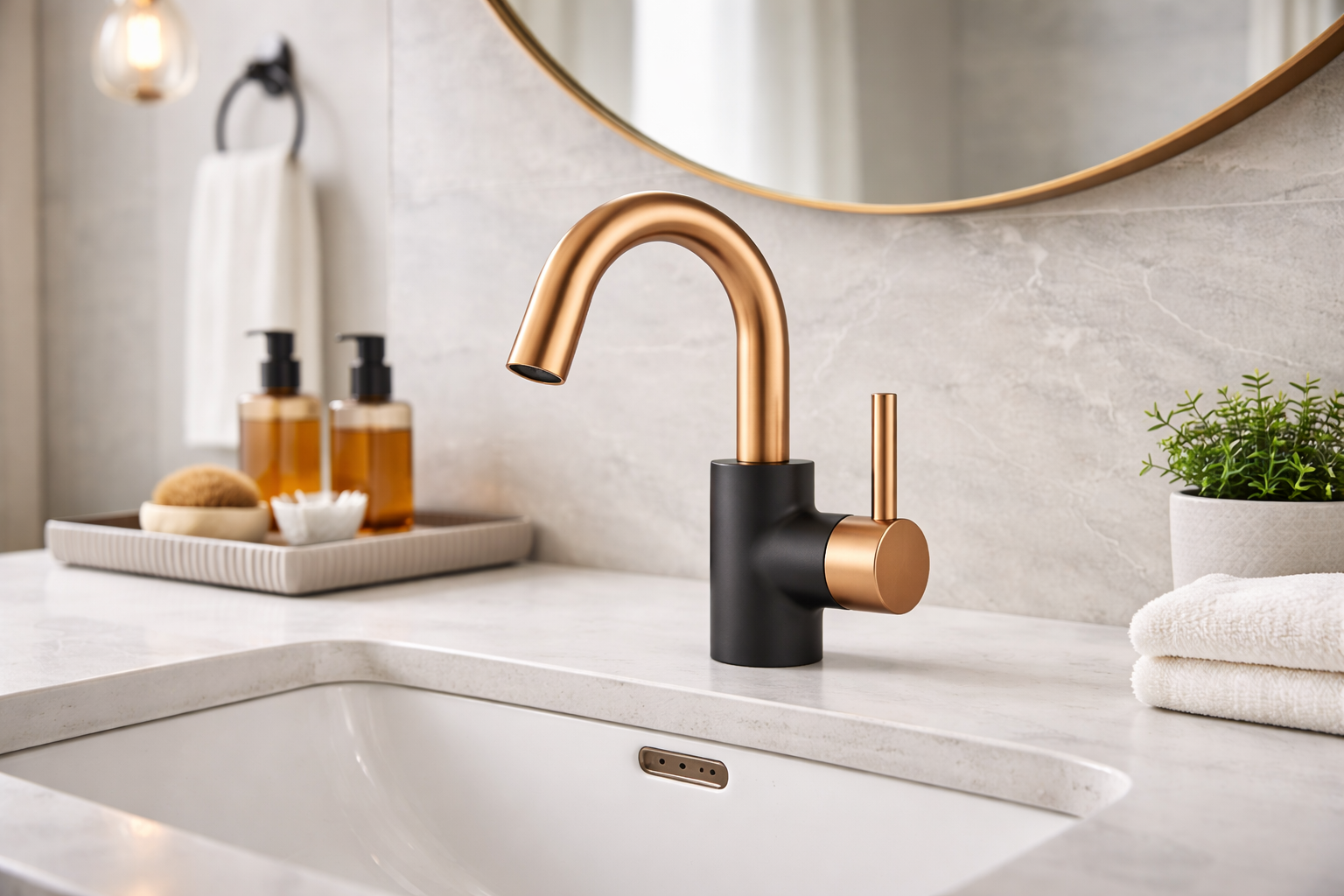
Contractors interacting with faucet systems during installation phase

Contractor Behaviour Analysis

Contractors are more concerned with how hard it is to install something and how well it works mechanically.

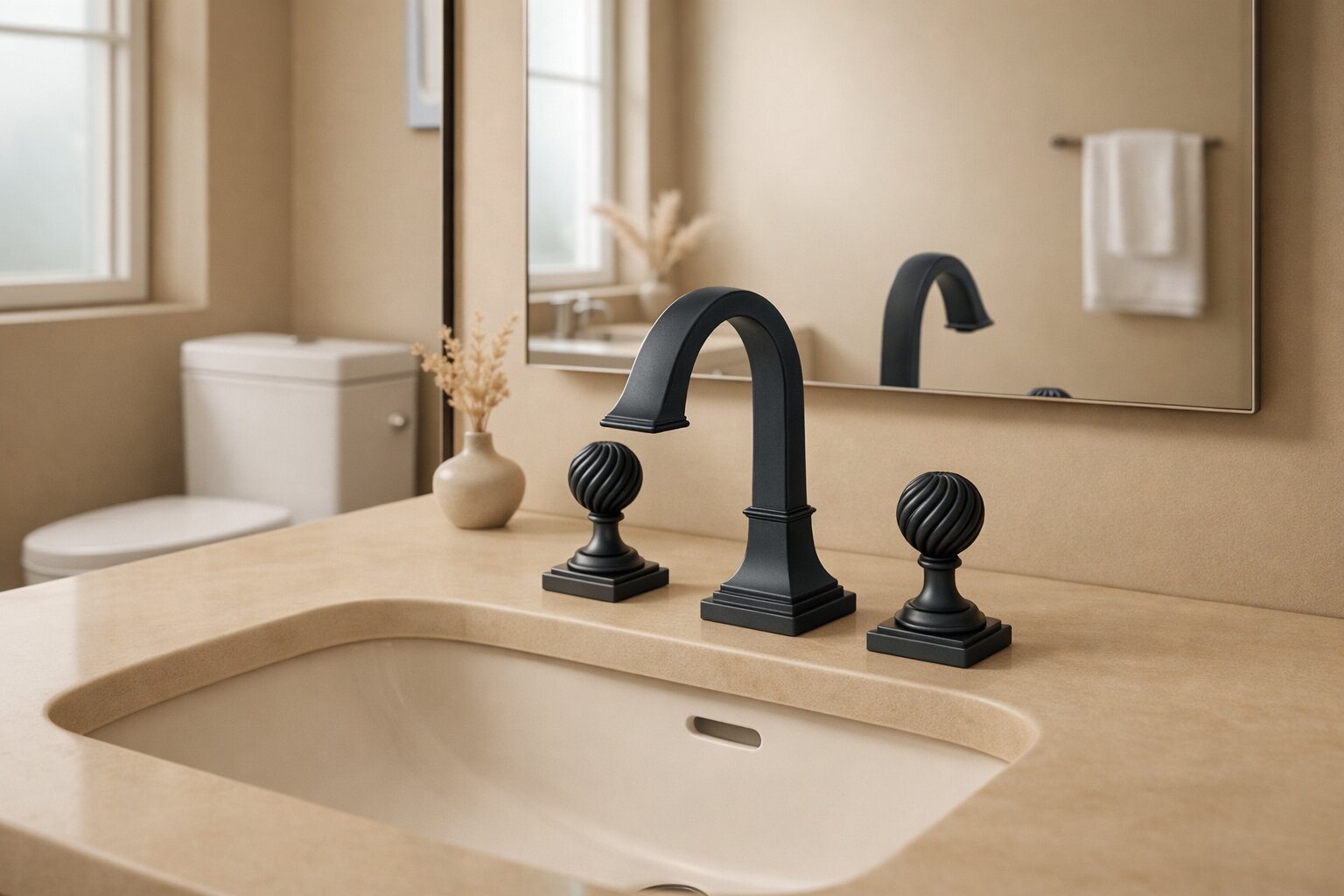
Design professionals evaluating faucet surface and integration characteristics

Designer and Architect Evaluation Behaviour

Designers are more concerned with how long it will last and how well it will hold up.

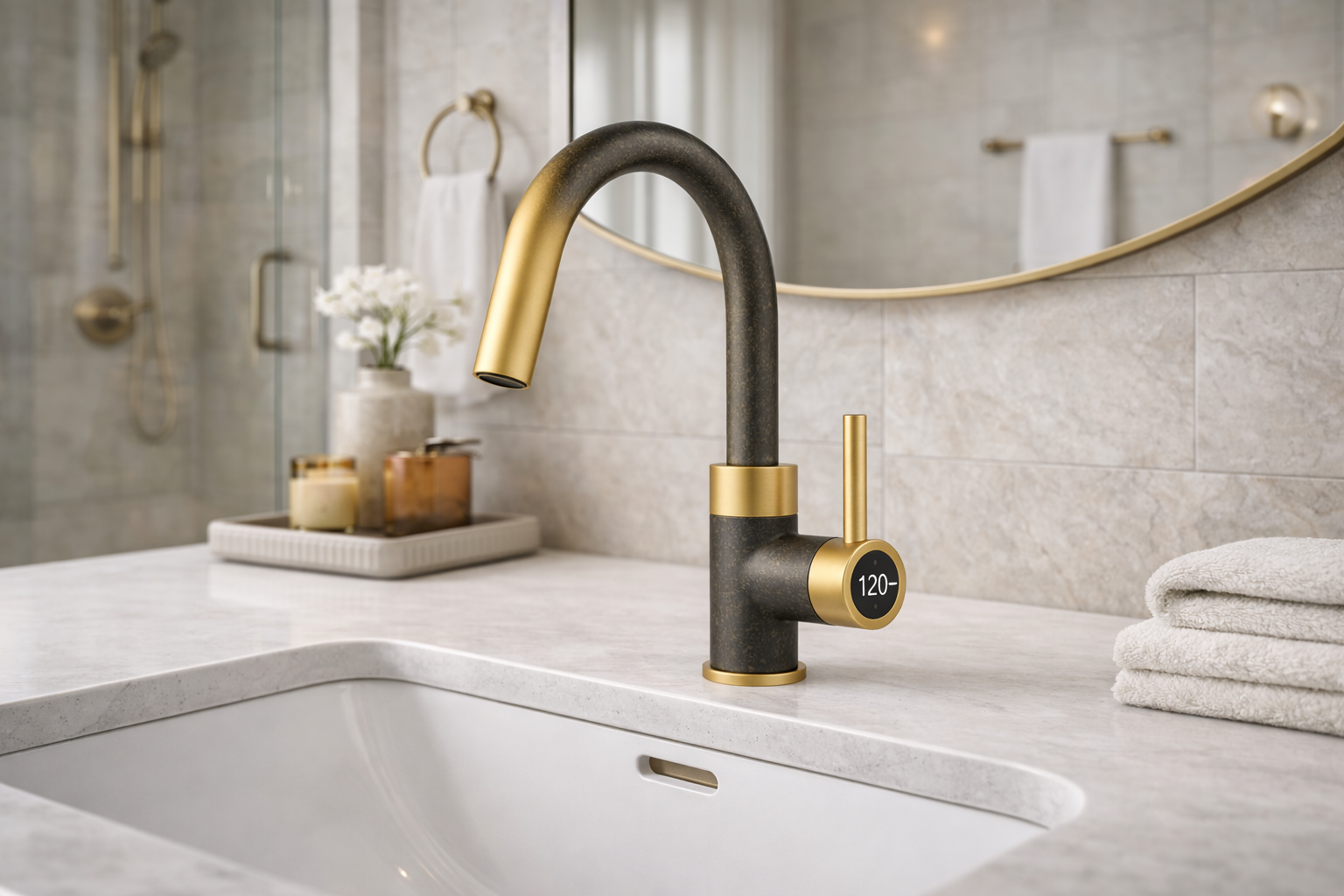
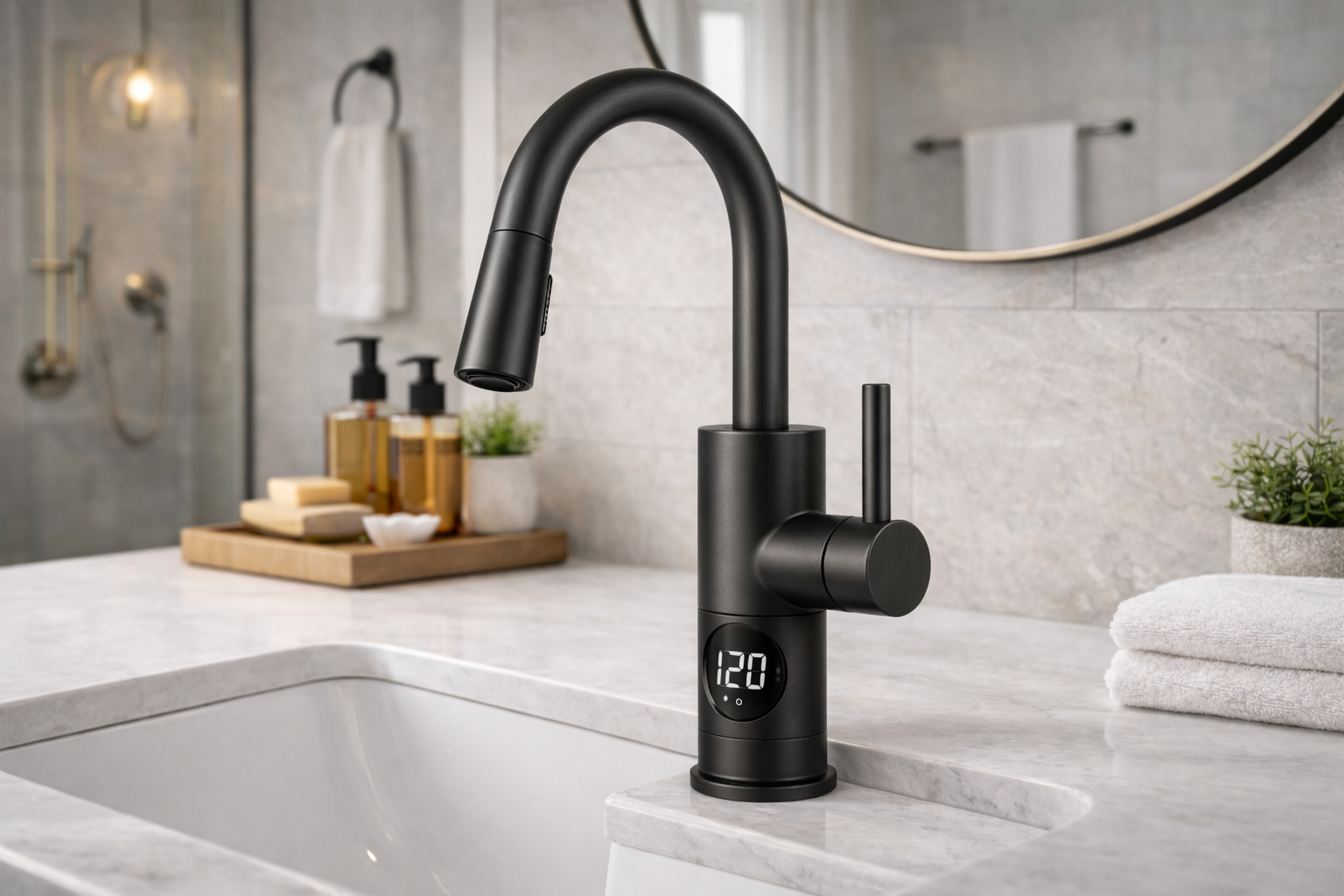
Engineers and facility managers evaluating operational faucet reliability

Engineering and Facility Manager Reliability Evaluation

Engineers and facility managers put system-level reliability and long-term operational stability at the top of their lists.

Dataset and Methodology: Characteristics of the Dataset

Dataset Composition

There are 11,553 verified commercial tap reviews in the dataset, covering the years 1999 to 2026.

The date of the review · Product ID · What the reviewer does · Rating score · Written evaluation of performance · Voting metrics that are useful

Professional Categories

Contractors, architects, engineers, and interior designers · Facility Managers · People who own land · People who are in charge of upkeep

This dataset evaluates engineering performance in real-world scenarios post-installation.

Engineering Human Factors Framework

Five branches of engineering were used to rate how well professionals work together.

Interaction during installation · How People Think About How Well Machines Work · Sensitivity to Aesthetic Assessment · Working with Maintenance · How dependable the system appears

Professional Behaviour and Lifecycle Interaction

Lifecycle Phase Professional Interaction Evaluation Focus Engineering Impact
Specification Phase Engineers and architects Design specifications are written by architects and engineers. System design integration and reliability modelling.
Installation Phase Contractors Correctness of mounting alignment · How well threads fit together · Putting valves together · How hard it is to set up sensors · How long it takes to set up Mechanical tolerances and assembly reliability assessment.
Design Integration Phase Interior designers How consistent the surface finish is · How long the coating lasts · Colour stability · Finish that doesn't wear out easily Material engineering performance and surface durability evaluation.
Engineering Evaluation Phase Engineers Reliability and consistency · How well the sensor works over time · How long mechanical systems last · Good design · Quality of engineering integration System-level engineering reliability evaluation.
Operational Phase Facility managers How often things go wrong · What needs to be done to keep things running · Consistency in how things work · Easy to get to for maintenance Long-term operational reliability evaluation.

Cognitive Bias and Human Factors Engineering

Engineering Cognitive Bias in Professional Evaluation

Cognitive bias influences individuals' assessments of reliability. Contractors give hard installations lower ratings. Designers give lower scores to products that look bad. Engineers care about how reliable the technology is.

Human Factors Engineering in Product Design

Making installations easier to talk to contractors more easily. Making surfaces last longer so that designers will like them more. Making mechanical reliability better will make engineers and facility managers happy.

Engineering Implications and Reliability Modelling

Professional Interaction as Reliability Signal

The way professionals review each other's work acts as a decentralised system for checking reliability.

Reliability Model Accuracy Improvement

Multi-professional reliability analysis provides more precise reliability predictions compared to single-source evaluation.

Field Evaluation Importance

Field evaluation shows how well something works in the real world and makes lab tests more reliable.

Conclusion

This 27-year field dataset shows that a person's job has a big effect on how they rate engineering, how reliable they think a system is, and when they find a problem in a commercial tap system.

Human factors engineering is important for understanding how well engineering works in the real world because different professions work with different parts of a system at different times in the product lifecycle.

Engineering reliability assessment needs to include data on how people use it. Professional evaluation behaviour is a key part of engineering feedback that helps improve engineering design.


Engineering Reliability Conclusion

This 27-year field dataset shows that a person's job has a big effect on how they rate engineering, how reliable they think a system is, and when they find a problem in a commercial tap system.

Professional Reliability Behaviour

Contractors care most about installation reliability. Designers care about surface durability. Engineers evaluate system reliability. Facility managers evaluate operational reliability.

Human Factors Engineering Importance

Human factors engineering is essential for understanding engineering reliability in real-world environments.

Engineering Design Improvement

Professional evaluation behaviour improves engineering design when combined with traditional reliability testing.