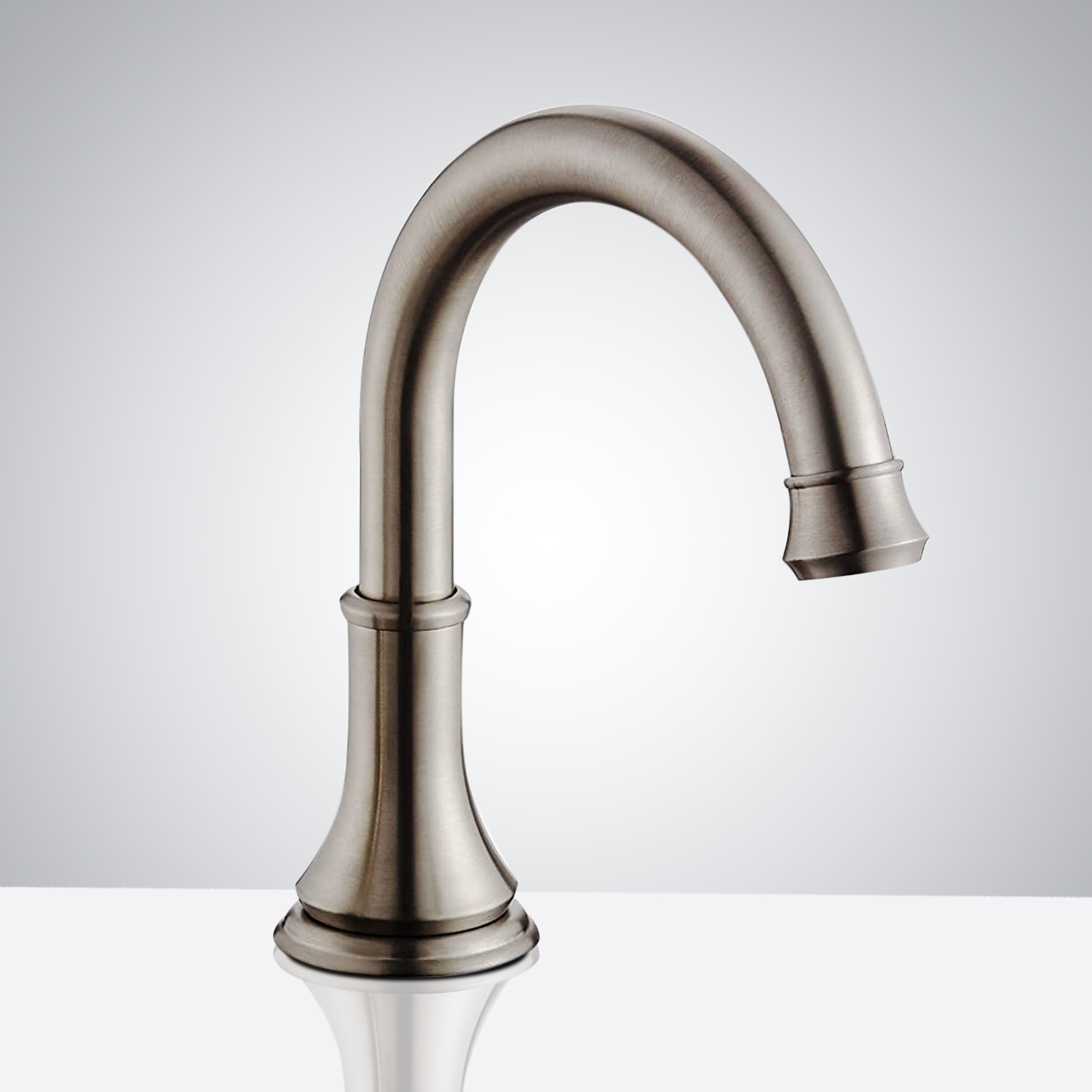
How to Change Battery On Automatic Bathroom Faucet
Automatic Sensor Faucets On Sale
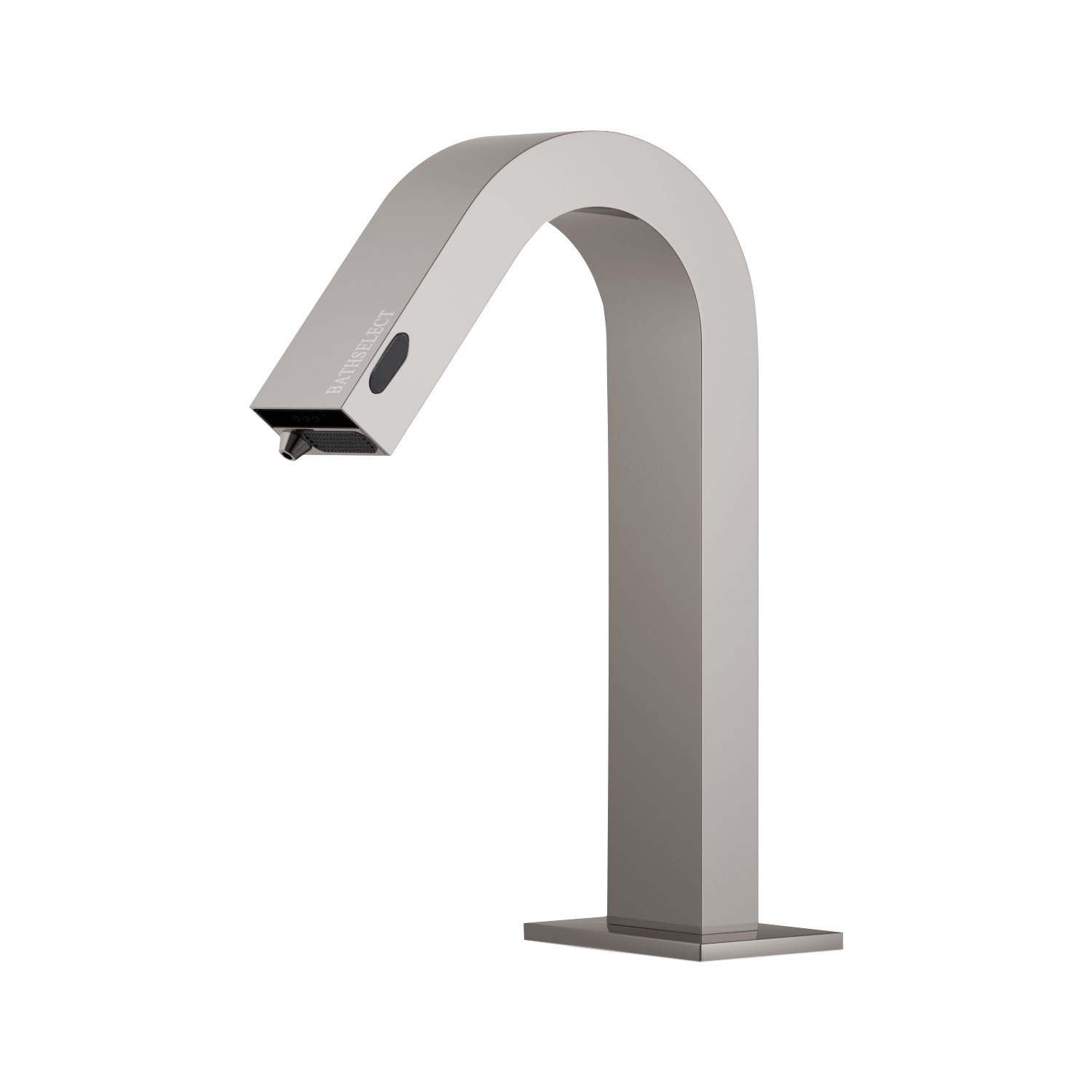
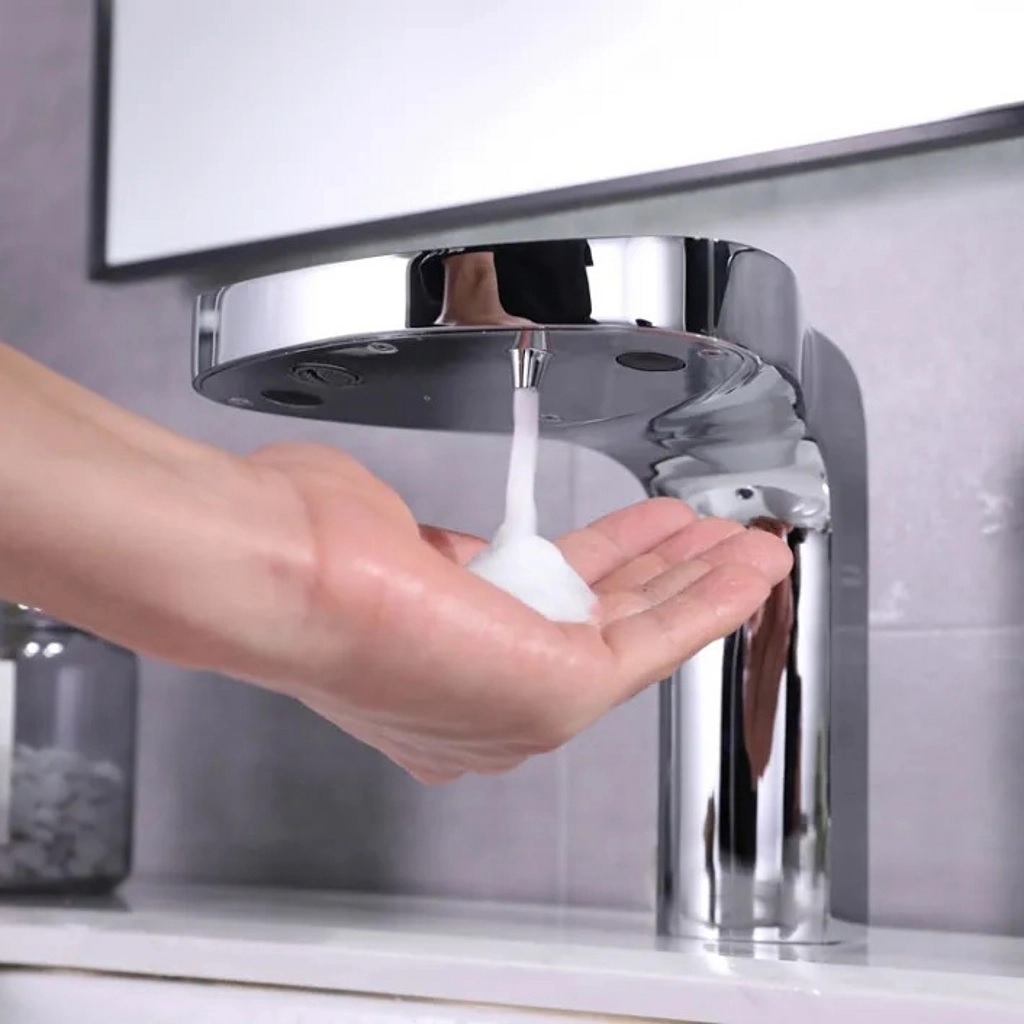
It is pretty straightforward in changing the battery in your automatic bathroom faucet and has it running effectively for as long as possible. Look for the battery compartment underneath the sink near where your faucet's control box should be. Turn the water supply off before attempting any such thing to avoid triggering your faucet accidentally. The lid covering the battery compartment, in most cases, holds either a clip or a screw. Open this carefully, and remove the old batteries. Check the battery type for whether you need either AA or AAA, make sure to replace them correctly with new batteries, ensuring they are correctly inserted with the positive (+) or negative (-) marked symbols inside the compartment. Change the batteries, and put the lid on tightly; this ensures the moisture will be kept out from getting to your batteries. Now that this is done, switch back on the water supply tap and run some water on the faucet to ensure proper working. Frequently replacing batteries means that your automatic bathroom faucet remains responsive and efficient in terms of operation, providing a reliable, touchless experience every time. BathSelect commercial touchless faucets are optimized for reliability lean on AC/DC hybrid power architecture: hardwired mains feeds the concealed control box while an integrated battery backup module maintains operation during outages and provides low-battery alert outputs for maintenance planning. With regulated 12–24V DC delivery to IP67 electronics, fast-response ToF/IR sensing stays consistent across sink geometries, and auto-shutoff plus configurable run-time prevents waste. Hybrid power continuity supports high-cycle solenoids, purge routines, and lockout commissioning without service disruption.
Read More

BathSelect bathroom faucets and fixtures
From our experience of 23 years in Warehouse industry
Explore our wide selections. Shop with trust on a vast collection of sink faucets like commercial sink faucet, vessel sink faucets, single hole bathroom sink faucet, wall mount bathroom sink faucet, wall mount vessel sink faucet, waterfall bathroom sink faucet, vessel sink faucets oil rubbed bronze, stainless steel sink faucet, antique sink faucets, vintage bathroom sink faucets, antique copper vessel sink faucets, automatic sink faucet, contemporary bathroom sink faucets, black bathroom sink faucet, bronze bathroom faucet, brass bathroom sink faucet, brushed nickel bathroom sink faucet, gold bathroom sink faucet, chrome bathroom sink faucets, and many more.
You will get quality behind your imagination with BathSelect bathroom faucets and fixtures. For what are you still looking? Shop today to save big to bring your desired sink faucets to your ordinary bathroom. Buy with never broken trust!
Learn more
|
|
|
BathSelect offers a a comprehensive collection of high-quality automatic soap dispensers and touchless faucet combos, perfectly complementing any architecturally inspired commercial bathroom..
BathSelect provides an extensive selection of unique design, top quality commercial for high traffic touchless bathroom faucets, ideally tailored for your architecturally-inspired commercial restroom!
FAQs: Power Architecture, AC/DC Operation, and Backup Strategies for Touchless Faucets
What power architectures are used in commercial touchless faucet systems?
Commercial touchless faucets typically operate on low-voltage DC power supplied either by internal batteries, external AC-to-DC transformers, or hardwired AC systems with integrated voltage regulation. Some advanced platforms combine these approaches into hybrid architectures that prioritize AC power while maintaining battery backup.
How does hybrid AC/DC power switching work in real-world installations?
In hybrid systems, the controller continuously monitors incoming AC power. Under normal conditions, the faucet runs on regulated AC-derived DC power. If AC power drops or is interrupted, the system automatically transitions to internal battery power without rebooting or interrupting sensor and solenoid operation.
Why is hardwired AC power preferred in high-traffic commercial environments?
Hardwired AC power delivers consistent voltage to the control electronics and solenoid, reducing actuation variability and eliminating the labor cost of battery replacement. This is especially valuable in facilities managing dozens or hundreds of fixtures across multiple restrooms.
When does battery-only power still make technical sense?
Battery-only systems are appropriate for retrofit scenarios, historic buildings, or locations with limited access to electrical infrastructure. Advances in low-power sensor logic and efficient solenoid design allow acceptable battery life when traffic levels are moderate and maintenance planning is in place.
How does traffic volume impact battery life and power planning?
Each activation cycle consumes power for sensing, control logic, and solenoid actuation. In high-traffic restrooms, battery depletion accelerates significantly, making AC or hybrid power strategies more predictable and cost-effective over the fixture lifecycle.
What happens to a touchless faucet during electrical outages or shutdowns?
AC-only systems become inoperative until power is restored. Hybrid AC/DC systems continue operating on battery power, maintaining restroom functionality during outages, maintenance shutdowns, or localized circuit interruptions.
How does power stability affect solenoid sealing and drip prevention?
Stable voltage ensures consistent solenoid actuation force and full valve closure. Voltage drop—common in depleted battery systems—can reduce closing force, increasing the risk of incomplete sealing, delayed shutoff, or post-cycle dripping.
What voltage ranges are typical for AC-powered commercial faucets?
Most commercial systems accept wide AC input ranges, commonly 100–240V AC, through a step-down transformer that supplies regulated low-voltage DC to the faucet. This simplifies specification for international or multi-region projects.
How are sensitive electronics protected from power surges and noise?
Quality control modules incorporate voltage regulation, transient suppression, and isolation between high-voltage input and low-voltage logic circuits. These protections help prevent sensor drift, controller damage, and solenoid misfires caused by unstable power conditions.
What maintenance checks are specific to AC and hybrid-powered systems?
Maintenance teams should verify transformer output, inspect wiring connections, confirm grounding integrity, and replace backup batteries on a defined schedule—even if the system normally runs on AC—to ensure failover readiness.
Can multiple touchless faucets share a centralized power supply?
Yes. Some commercial installations use centralized power distribution to serve multiple faucets and soap dispensers. Proper load calculation, redundancy planning, and circuit protection are essential to avoid cascading failures.
What power strategy is recommended for mission-critical facilities?
|
|
|




.jpg)


.jpg)
.jpg)