Universal Design and Inclusive Architecture Specialist
Edward Steinfeld contributes BathSelect author expertise in universal design, accessibility research, and inclusive public facility planning. His work helps BathSelect explain how restroom fixtures, faucets, showers, grab bars, controls, and layouts can support safer use for people of different ages and abilities.
Universal DesignAccessibility ResearchInclusive Public FacilitiesBarrier-Free Planning
An inclusive specification voice for accessible restroom environments
As a BathSelect author, Edward connects universal design with product selection by showing how commercial faucets, showers, grab bars, flush valves, controls, dispensers, and restroom layouts can support safer, clearer, and more comfortable use. His perspective is especially valuable for healthcare, hospitality, education, public, and senior living facilities where accessibility, durability, and everyday usability must work together.
Read full universal design perspective
Edward's work emphasizes that accessibility should be understood as part of everyday design quality. A public restroom must serve people with different mobility needs, ages, body sizes, vision levels, strength levels, and comfort expectations. Fixtures should be reachable, understandable, stable, easy to operate, and positioned in ways that reduce friction for both users and facility teams.
For BathSelect, Edward translates this inclusive design viewpoint into practical product guidance. He studies whether fixtures support safe reach, whether touchless products reduce contact without confusing users, whether grab bars and controls improve stability, whether showers and faucets support easier use, and whether layouts can remain efficient while meeting accessibility expectations.
Accessibility research: ADA-aware specifications, clearance planning, fixture height guidance, grab bar coordination, touchless operation, and user comfort.
Inclusive public facilities: healthcare restrooms, senior living bathrooms, education facilities, hospitality washrooms, and public-use environments designed for a wider range of users.
How Edward evaluates accessible restroom performance
Edward evaluates restroom and bathroom products by looking at how they support safe, clear, and comfortable use over time. A product may appear compliant in isolation, but the stronger question is whether it works within the full restroom environment: the user's approach, reach, clearance, grip, visibility, operation, maintenance routine, and long-term durability. His reviews consider ADA-aware planning, ergonomic use, safe touchless technology, fixture height, grab bar support, and barrier-free circulation.
Read full accessibility evaluation approach
In healthcare, hospitality, education, public, and senior living facilities, restroom performance depends on more than the product itself. A faucet, shower, dispenser, flush valve, grab bar, or control must work with the surrounding counter, wall, stall, shower zone, turning space, mirror height, door clearance, cleaning routine, and maintenance access. Edward treats these conditions as part of the product decision.
His approach connects accessibility with practical operation. A faucet should be easy to reach and activate. A touchless product should reduce contact while remaining predictable. A grab bar should support safer movement without disrupting use. A shower system should support comfort, stability, and maintenance needs. A commercial restroom layout should reduce barriers while staying durable enough for daily service.
This balance is useful for project teams that must serve many users and many operational requirements. Architects need accessible layouts. Contractors need clear installation logic. Facility managers need serviceable products. Owners need durable value. Users need restrooms that feel safe, clean, understandable, and comfortable.
Design philosophy: remove barriers, support dignity, improve daily use
Edward's design philosophy is grounded in the belief that well-planned restrooms should reduce physical and cognitive barriers while supporting comfort, safety, and independence. A successful commercial bathroom should make fixture use clearer, movement safer, maintenance easier, and the overall experience more inclusive for people of different ages and abilities.
Read inclusive design philosophy examples
For a healthcare facility, this may mean selecting touchless faucets, grab bars, and shower controls that support safe use and cleaning routines. For a senior living property, it may mean choosing products that are easy to reach, easy to understand, and durable under daily operation. For a hotel, school, or public building, it may mean coordinating fixture height, clearance, and controls so the restroom works for more people without feeling institutional.
Edward's perspective encourages project teams to think beyond minimum requirements. Each specification should answer practical questions: Can users reach this product comfortably? Is operation clear? Does the layout support safe movement? Will maintenance teams be able to service it? Does the restroom feel welcoming, durable, and usable for a broader range of people?
Related BathSelect accessibility and public facility resources
The following BathSelect resources align with Edward's focus on universal design, accessibility research, inclusive public facilities, ADA-aware planning, healthcare restrooms, senior living bathrooms, and barrier-free commercial restroom environments.
Explore healthcare, senior living, hospitality, education, public-use, community, recreation, and high-traffic restroom references where accessible fixture selection, barrier-free planning, durable products, and inclusive layouts can improve safety and daily use.
Mile Square School Hoboken NJ
Mile Square School Hoboken NJ
Mile Square Early Learning Center established in 1979, has offered neighborhood children and their parents daily, dependable and safe early childhood educational experiences. Through the years the notion of child care has changed to reflect developmentally appropriate practices much like it is implemented at Hoboken Public School District Early Childhood Program.
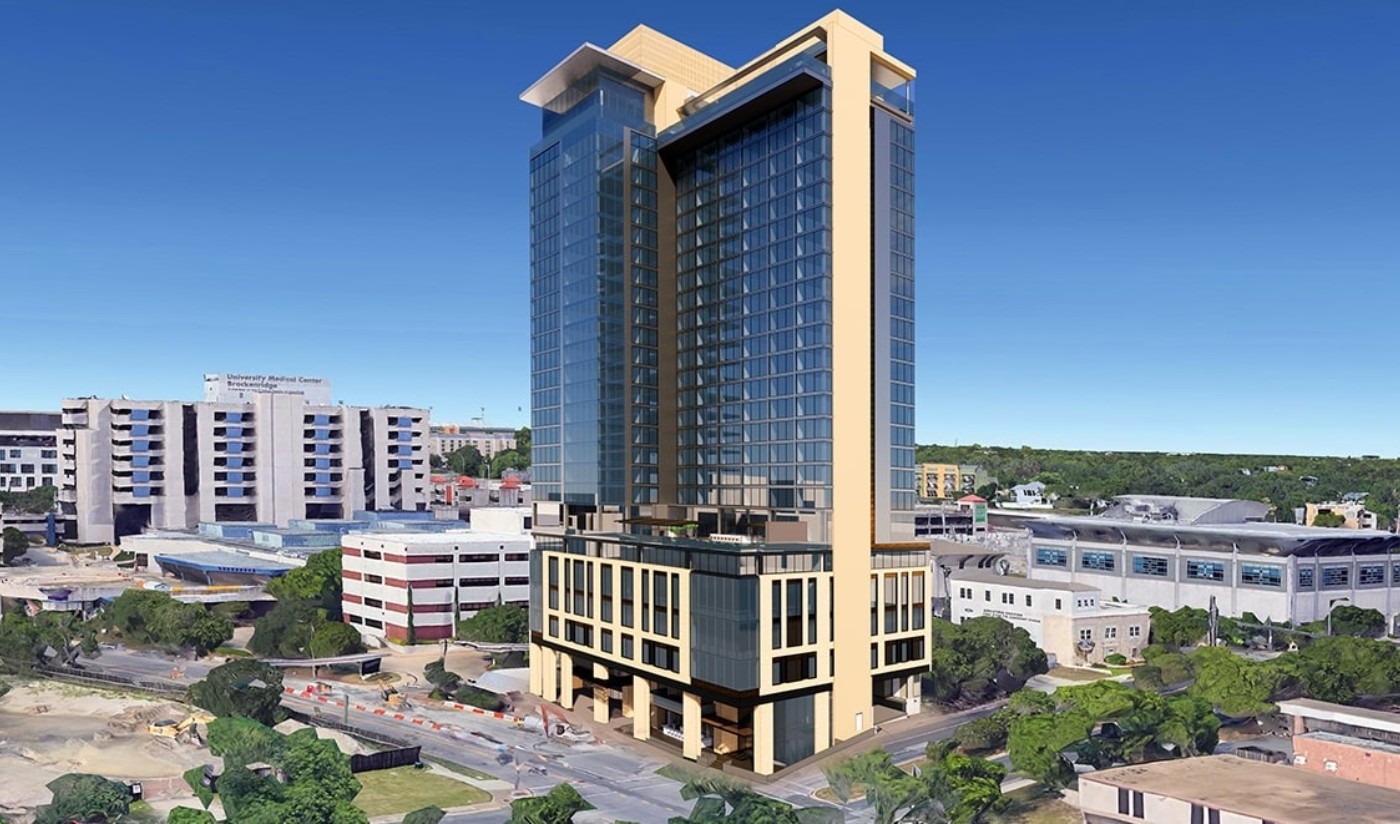
Architects at Chicago firm SCB were being pretty coy about releasing full views — there's at least one floating around showing the crown, but the details of its top half were scarce.
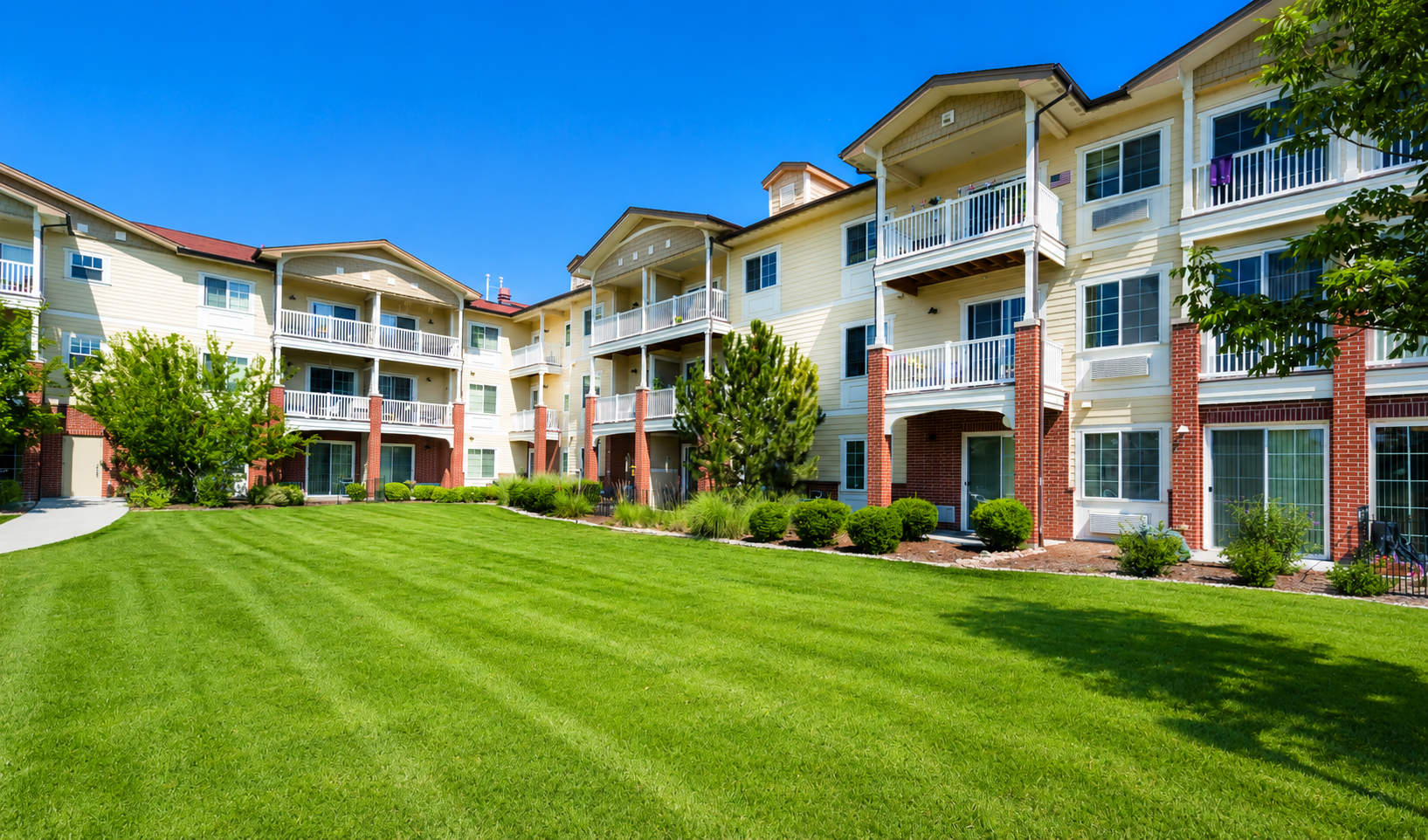
Lakeview Senior Living is a part of a family of communities operated by Spectrum Retirement Communities, LLC. Their roots are deep enough to create operational consistency and efficiency, but they aren't afraid of new growth and evolution to ensure they're always providing the best service and opportunities to residents and families.
The new Meanwhile Brewing Co. consists of multiple buildings and outdoor spaces mainly designed by OPA Design Studio. The Production Building where the beer is brewed is a 2-story building with a 1,400 SF mezzanine viewing area over the brewing operations.
Editorial contribution and practical product guidance
Through BathSelect articles and product resources, Edward helps readers select bathroom solutions that are compliant, comfortable, durable, and better suited for healthcare, hospitality, education, public, and senior living facilities. His guidance improves BathSelect content by focusing on barrier-free commercial environments, ergonomic restroom planning, safe touchless technology, and inclusive design choices that reduce friction for users and maintenance teams.
Read full editorial perspective
Edward's product review perspective studies how fixtures fit into accessible restroom conditions. A faucet is reviewed by reach, operation, height, clearance, and cleaning practicality. A shower system is considered through control placement, stability, comfort, and safer movement. A grab bar is evaluated by support, location, installation strength, and user confidence. Touchless products are studied by how clearly they respond and how easily different users can understand them.
For architects and designers, Edward's content clarifies how inclusive planning can shape fixture and layout decisions. For contractors and facility managers, it explains how accessible products can support clear installation, easier maintenance, safer operation, and long-term serviceability. For property owners and procurement teams, it connects compliance with comfort, durability, and better user experience.
His writing is especially relevant where restrooms must serve diverse users without creating unnecessary barriers. He helps BathSelect readers see accessibility as a complete planning process: understand reach, support safe movement, choose durable fixtures, simplify operation, and create commercial bathrooms that remain usable and welcoming over time.
Universal design and accessibility research
Universal design is central to Edward's profile because commercial restrooms must support many different users without making the space feel complicated or restrictive. He studies how fixture placement, product operation, reach zones, support points, and circulation paths affect safety and usability in public bathrooms.
Read universal design details
Edward evaluates universal design by considering how people approach, reach, grip, activate, clean, and move around restroom products. The goal is to help project teams select fixtures and layouts that reduce barriers while preserving durability and visual quality. This makes his guidance valuable for healthcare facilities, senior living properties, schools, hospitality projects, offices, and public buildings.
Barrier-free commercial environment guidance
Barrier-free planning asks whether the restroom works smoothly for users before, during, and after each interaction. Edward studies how faucets, showers, grab bars, dispensers, controls, mirrors, counters, and clearances shape the daily experience of commercial bathrooms. Inclusive design becomes stronger when it also supports maintenance, durability, and intuitive use.
Read barrier-free planning details
Barrier-free restroom planning also supports facility teams. A space that is easier to inspect, clean, repair, and keep open is more likely to remain safe and welcoming. Edward considers the needs of users and operators together, helping BathSelect explain why accessible, durable, and maintenance-friendly fixtures can improve both public experience and long-term facility value.
“Accessible restroom design works best when safety, reach, comfort, durability, and dignity are planned together from the first product decision.”
Read full closing perspective
Edward's role as a BathSelect Universal Design and Inclusive Architecture Specialist is both research-based and practical. He helps connect accessibility planning, inclusive public facilities, ADA-aware specification, and restroom product selection into guidance that architects, designers, contractors, facility managers, procurement teams, and owners can apply.
For healthcare, hospitality, education, public buildings, senior living facilities, offices, recreation spaces, and high-use commercial environments, this level of thinking is essential. A restroom should support safe movement, clear operation, water efficiency, hygiene, durable service, and comfort for many kinds of users. Edward's profile reflects that complete view of accessible commercial bathroom planning: compliant enough for project requirements, practical enough for facility teams, and inclusive enough for the people who rely on the space every day.
BATHSELECTUniversal Design
Edward Steinfeld Universal Design and Inclusive Architecture Specialist
Universal Design, Accessibility Research & Inclusive Public Facilities
BathSelect author insight focused on ADA-aware planning, safer fixture use, accessible restroom layouts, barrier-free public facilities, and inclusive bathroom product guidance.



.jpg)