BathSelect® | Touch-Free Soap Dispensing — Guidance for Facilities and Home Bathrooms
Benefits and Drawbacks of Automatic Soap Dispensers
Why weigh the strengths and weaknesses before you specify or buy?
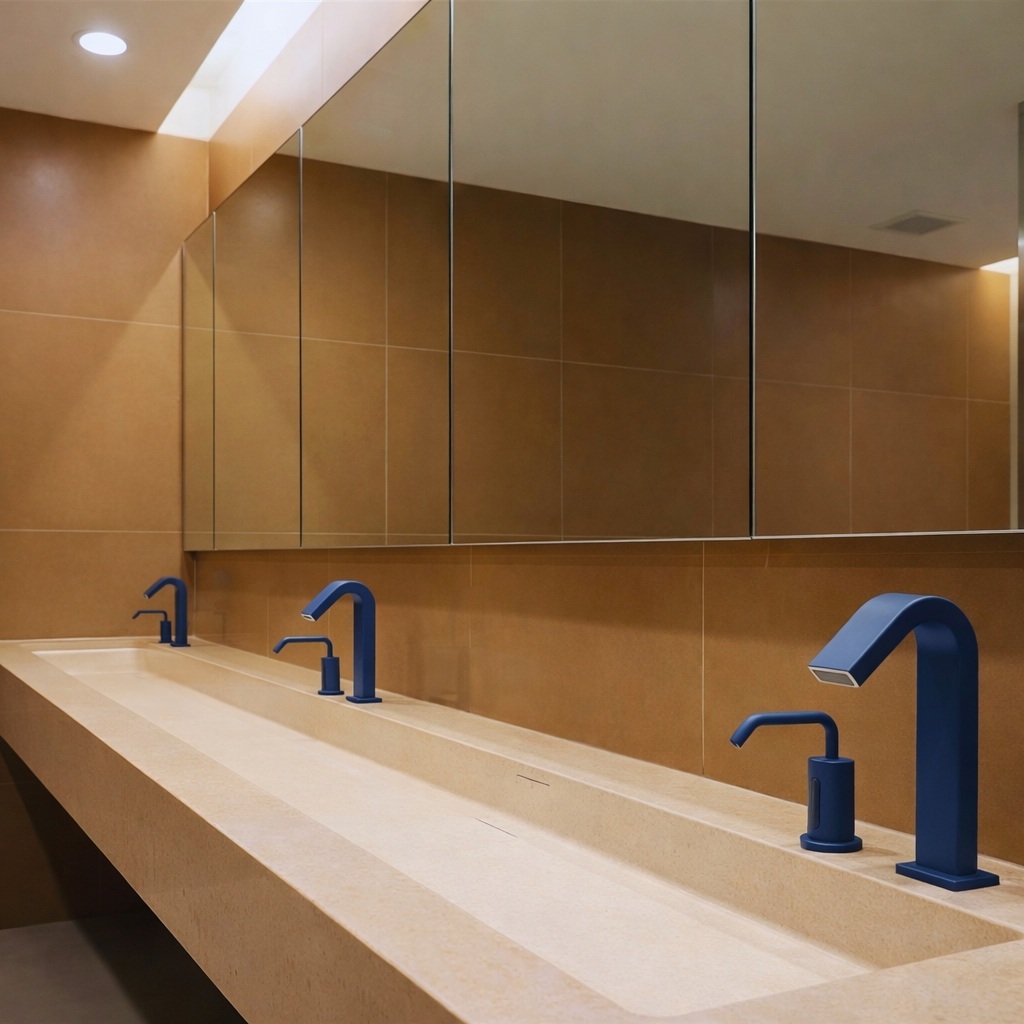
Automatic soap dispensers are now common in offices, healthcare facilities, public restrooms, and high-use
home bathrooms because they reduce touch points and support cleaner user behavior.
Read More
Still, performance varies
by sensor design, pump type, reservoir access, and power strategy. This guide scales the real-world pros and
cons of
automatic soap dispensers so facility teams and homeowners can choose confidently based on
hygiene outcomes, operating cost, uptime, and maintenance effort. You’ll also see where
manual dispensers still make sense and which drawbacks matter most in high-traffic environments,
especially for
touch-free commercial soap dispensers. Dispensers fail due to inconsistent sensors, false triggering, or delayed activation. BathSelect mitigates this through calibrated infrared sensors with controlled activation zones.
Although pump clogging, dripping, and over-dispensing are common issues, BathSelect addresses these with commercial-grade pumps, anti-drip valves, and optimized dosing mechanisms designed for liquid and foam soaps, minimizing waste, leaks, and internal blockage over long duty cycles.
Power, Durability & Maintenance
Battery failure, with weak output, and fragile housings will eventually shorten dispenser life, however BathSelect units use low-power electronics, reinforced internal components, and service-friendly refill access, reducing downtime and maintenance costs while maintaining consistent performance in demanding environments such as airports, offices, and healthcare facilities.
Touch-Free Hygiene
Pros & Cons
Cost & Efficiency
Maintenance Planning
Read More
Overview
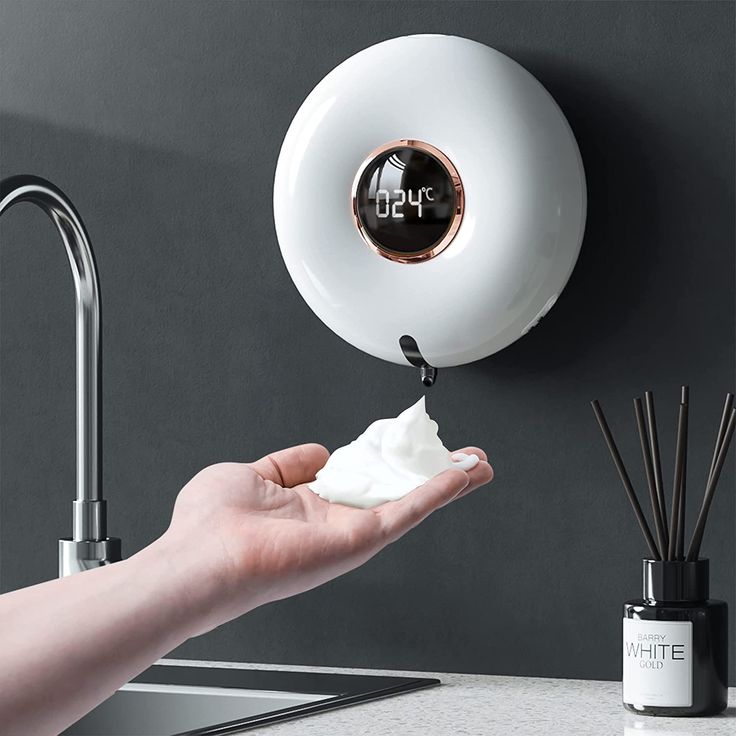
Automatic soap dispensers are engineered to reduce contact, standardize dosing, and improve hygiene behavior in
high-traffic washrooms. Most use infrared sensing to detect hands and trigger a pump cycle, which means fewer
shared touch points and less surface contamination around the sink deck. The value is strongest when you need
consistent dispensing with minimal user effort—especially where throughput and cleanliness matter.
Why It Stands Out
What makes the touch-free format different is not just convenience—it’s repeatable control. A well-tuned sensor
and pump can deliver predictable shot sizes, reduce overuse, and limit dripping that creates slippery counters.
In commercial environments, that can translate into cleaner sink zones, fewer complaints, and better inventory
planning for soap.
What This Guide Covers
This guide focuses on practical selection factors: sensor reliability, dosing adjustability, power strategy
(battery monitoring), refill access, and materials that survive harsh cleaners. You’ll also see the main
drawbacks—installation complexity, false triggering, and cost—so you can decide what matters for your facility
type and traffic level.
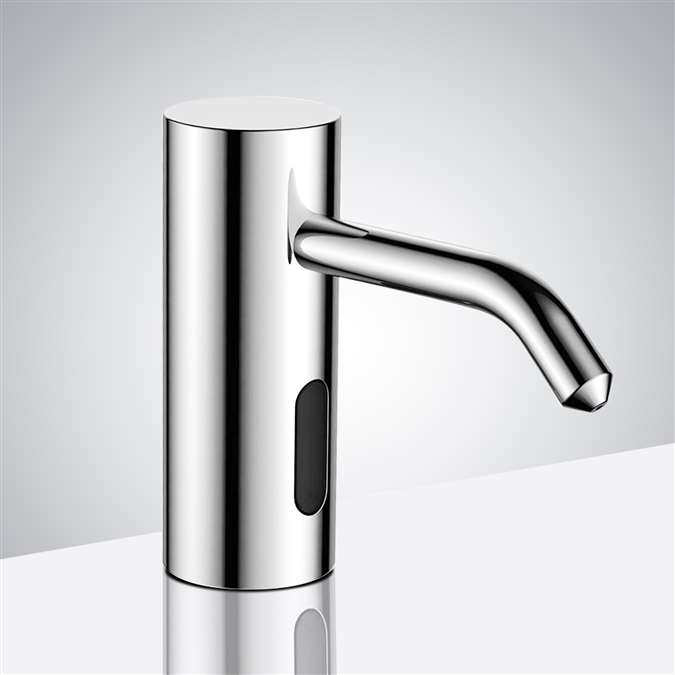
Unit Example: Stainless Steel
A stainless steel commercial unit is often chosen for durability, chemical resistance, and long-term appearance.
The enclosure is typically better at handling repeated wipe-down cycles, and the finish hides wear more
effectively than many painted surfaces. In a touch-free configuration, the goal is simple: reduce cross-contact
while keeping dispensing stable during peak use.
Adjustments & Soap Level
Adjustable dosing matters because “one size” rarely fits all. Foam, liquid, and gel soaps behave differently in
pumps, and traffic patterns change consumption. Units that allow output tuning help reduce waste and minimize
over-dispensing. A level window (or visible reservoir) simplifies checks during routine rounds and helps prevent
“empty dispenser” incidents.
Drawbacks: Install & Batteries
The tradeoff for automation is added setup and power management. Some installations require careful alignment,
clearance planning, or precise mounting for sensor line-of-sight. Battery-powered units also require a simple
maintenance routine—tracking replacement intervals and keeping spares—because low power directly affects uptime.
In most sites, these are manageable drawbacks when planned.
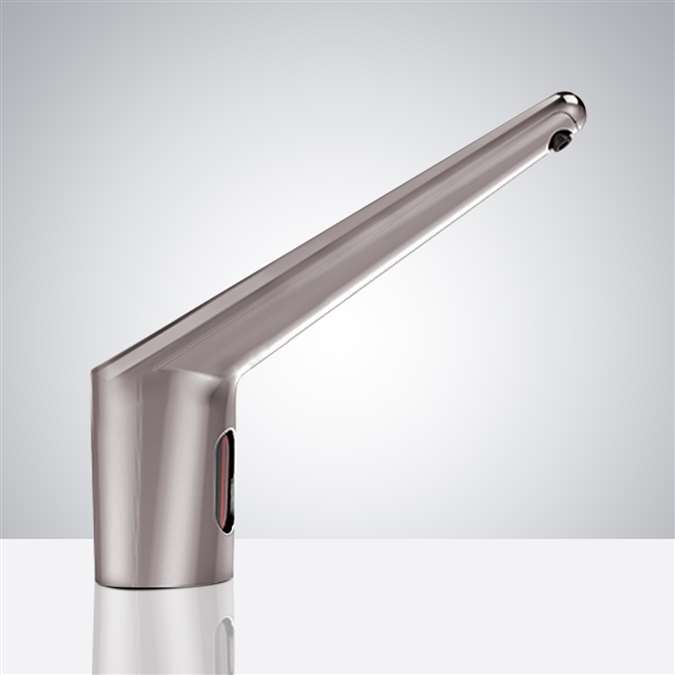
Extended Spout Design
An extended spout format improves ergonomics by placing the dispense point farther over the sink, reducing mess
on the counter. Infrared sensing typically triggers a pump cycle once the hand enters the detection window.
This design can also support cleaner workflows because it discourages users from touching the housing.
Look, Cleaning, Material
Nickel-plated or brushed finishes are often selected because they present a refined look and tolerate frequent
cleaning. Smooth surfaces reduce soil retention and shorten wipe-down time. For commercial use, corrosion
resistance and seam quality matter because moisture and cleaners constantly attack joints, fasteners, and edges.
Drawbacks: Sensitivity & Cost
Sensor sensitivity can be a real issue if the unit is tuned too aggressively or placed where pass-by motion is
common. False triggering wastes soap and creates cleanup. The cost can also rise with better housings, stronger
pumps, and refined finishing. In higher-end specifications, the value is usually justified when uptime,
cleanability, and aesthetics are priorities.
Technical Specifications
- Touch-free sensor activation (infrared sensing referenced in the content)
- Battery-powered operation referenced; requires monitoring to avoid downtime
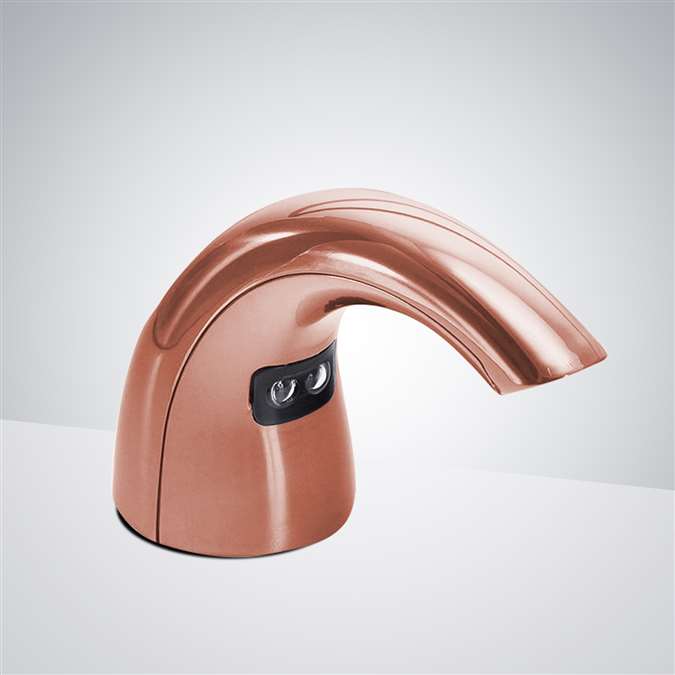
- Stainless steel construction referenced; nickel plating and rose gold finish referenced
- Adjustable soap output referenced (user can control amount on some units)
- Refill access, battery checks, and troubleshooting guidance referenced
- Tricky installation, sensor sensitivity, and higher cost (unit dependent) referenced
- Offices, hospitals, public restrooms, home bathrooms referenced
|
|
|