Ann Lacaton contributes BathSelect author insight focused on adaptive reuse, resource-conscious planning, and sustainable commercial environments. Her expertise helps BathSelect explain how restroom and wellness fixture decisions can support long-term building value, efficient renovation, and practical public facility upgrades.
A sustainable specification voice for adaptive commercial environments
As a BathSelect author, Ann connects architectural sustainability with product selection by showing how commercial faucets, shower systems, restroom fixtures, and water-saving technologies can work within existing spaces without unnecessary redesign or waste. Her perspective is especially valuable for renovation projects where the building already has a history, a structure, a plumbing framework, and a public-use pattern that must be respected.
Read full sustainable specification perspective
Ann's work emphasizes the idea that sustainability is not only about adding new technology. It is also about making careful decisions that extend the useful life of buildings, reduce unnecessary demolition, preserve material value, and improve performance where upgrades matter most. Restrooms, shower areas, wellness spaces, and public washrooms are strong examples because they directly affect water use, hygiene perception, maintenance demand, accessibility, and occupant comfort.
For BathSelect, Ann translates this architectural viewpoint into practical product guidance. She studies whether fixtures can support existing conditions, whether touchless technology can improve hygiene without complicating maintenance, whether water-saving products can reduce waste while keeping the user experience comfortable, and whether renovation choices can respect both project budget and long-term performance goals.
View expertise details
Adaptive reuse planning: restroom upgrades, fixture replacement, public-use improvements, existing plumbing coordination, and design choices that reduce unnecessary construction waste.
Sustainable commercial design: water-saving faucets, durable restroom systems, responsible material selection, low-maintenance product planning, and long-term building performance.
Public facility strategy: human-centered restroom layouts, hygiene-forward fixtures, accessible use, facility-team practicality, and user comfort across shared environments.
How Ann evaluates sustainable restroom performance
Ann evaluates restroom and wellness-space products by looking at how they perform in real environments over time. A product may appear modern in a catalog, but the stronger question is whether it improves a building without creating excess waste, service complexity, or unnecessary replacement cycles. Her reviews consider water conservation, material durability, ease of maintenance, user comfort, installation practicality, and whether a product can support existing building conditions.
Read full performance evaluation approach
In adaptive reuse projects, restroom performance depends on more than appearance. A faucet, shower system, soap dispenser, or flush valve must work with the existing space, plumbing access, power strategy, countertop conditions, wall conditions, cleaning routines, and expected traffic. Ann considers these constraints part of the design opportunity rather than a limitation.
Her approach connects sustainability with practical operation. A water-saving faucet should reduce consumption without frustrating users. A touchless dispenser should improve hygiene without creating refill problems. A shower system should support wellness and comfort without making maintenance harder. A commercial restroom upgrade should make the building feel more current while respecting the value already present in the space.
This balance is useful for hospitality, healthcare, commercial, educational, and public-use environments where renovation decisions must satisfy many groups at once. Designers want better experience. Contractors need clear installation logic. Facility managers need serviceable products. Owners want durable value. Users need spaces that feel clean, accessible, and comfortable.
Ann's design philosophy is grounded in the belief that the most sustainable commercial environments are often improved rather than replaced. A successful restroom or wellness-space upgrade should protect what still works, correct what fails, and introduce efficient products where they create measurable value. This approach helps teams avoid waste while still improving hygiene, comfort, water use, durability, and public perception.
Read sustainable design philosophy examples
For a school renovation, this may mean selecting durable, water-conscious fixtures that can fit existing plumbing conditions while reducing daily maintenance pressure. For a healthcare environment, it may mean choosing touchless products that support hygiene and cleaning routines without adding unnecessary complexity. For a hospitality property, it may mean upgrading showers, faucets, and public restroom fixtures in a way that improves guest perception while limiting disruption.
Ann's perspective encourages project teams to think beyond a single purchase. She connects each product decision to a broader sustainability question: Will this fixture last? Will it reduce waste? Will it help people use the space comfortably? Will it be easy to clean and repair? Will it improve the building without forcing avoidable reconstruction?
Related BathSelect sustainable specification resources
The following BathSelect resources align with Ann's focus on adaptive reuse, sustainable commercial environments, water-saving fixtures, public facility upgrades, wellness spaces, and practical long-term restroom planning.
Explore commercial, education, wellness, hospitality, mixed-use, office, retail, community, recreation, and public restroom references where sustainable planning, durable fixtures, adaptive upgrades, and long-term facility value can shape better user experiences.
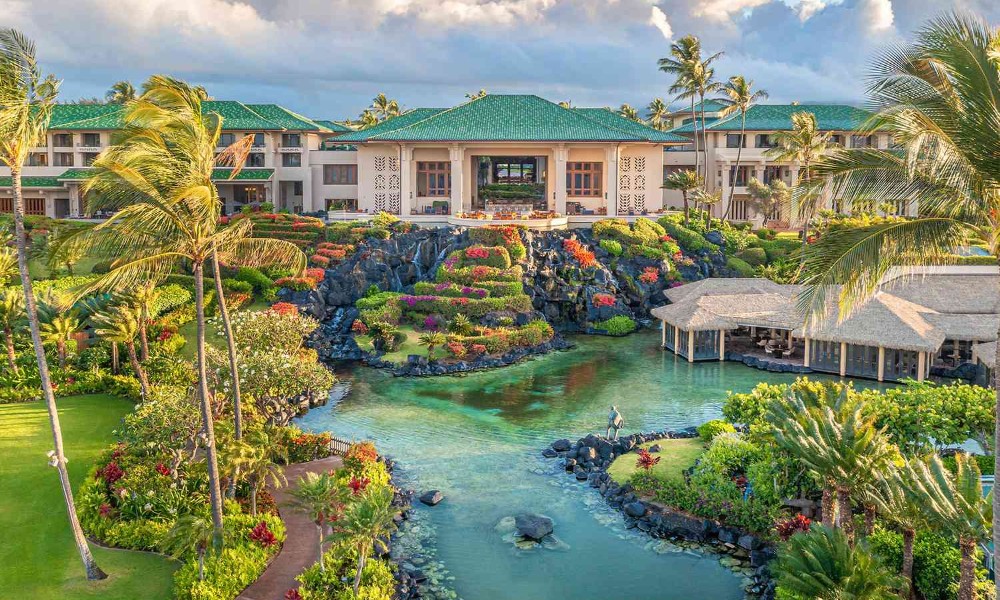
Moanalua Gardens, HO'OLA HAWAII
Moanalua Gardens, HO'OLA HAWAII
Moanalua Gardens connects cultural setting, landscape, and public-use needs, making commercial water-saving hands-free sensor faucets valuable for high-traffic restroom applications.
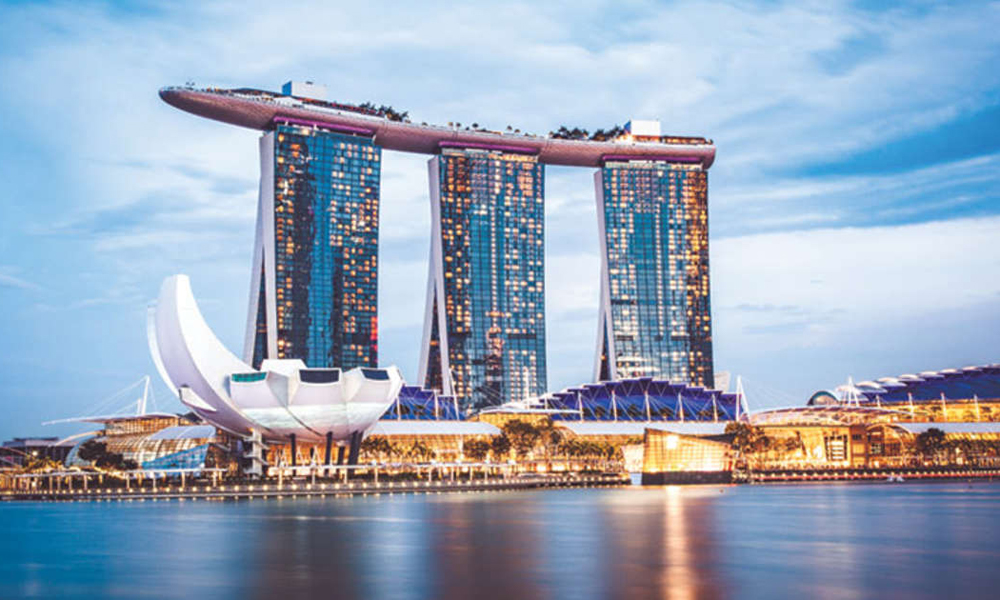
Conceived by renowned architect Moshe Safdie, Marina Bay Sands is one of the world's most recognizable destinations, requiring restroom specifications that support intense traffic and global hospitality expectations.
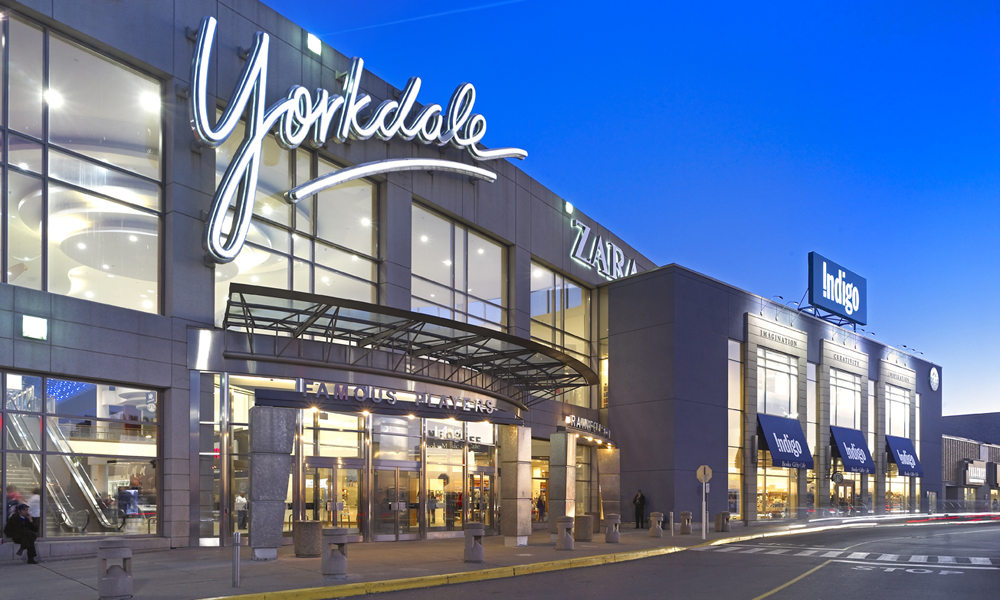
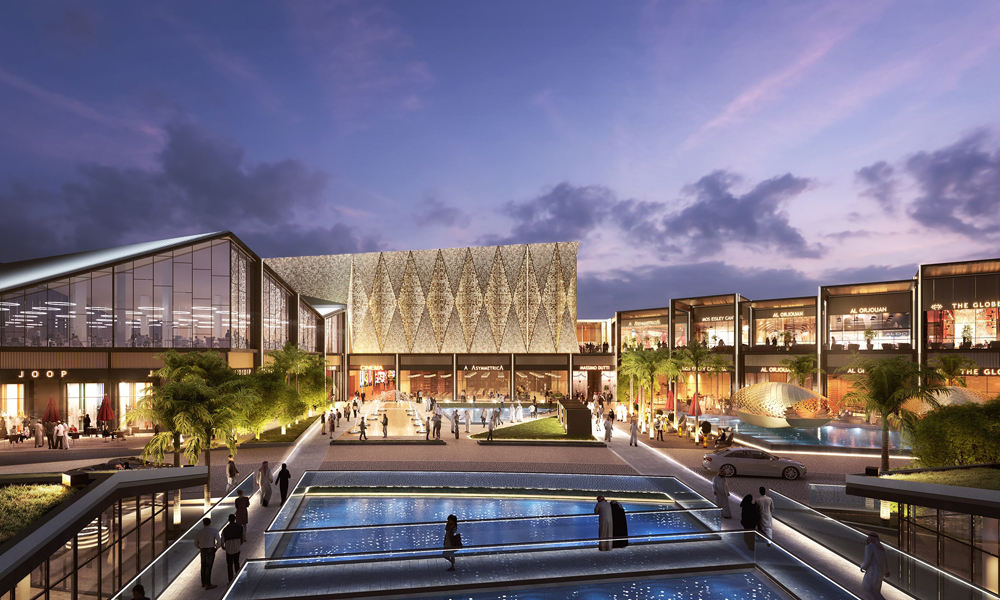
Yorkdale Shopping Centre is a major retail shopping center in Toronto. Public restroom upgrades in retail environments must support high traffic, water management, cleaning access, and consistent user comfort.
Amblebrook Gettysburg - Adult Community - Gettysburg, PA
For amenity-rich communities such as Amblebrook Gettysburg, fixture selection plays an important role in resident satisfaction, accessibility, maintenance planning, and facility performance.
Luxury hospitality developments such as The Ritz-Carlton, Grand Cayman require bathroom fixtures that perform reliably while preserving guest comfort, refined aesthetics, water management, and lifecycle value.
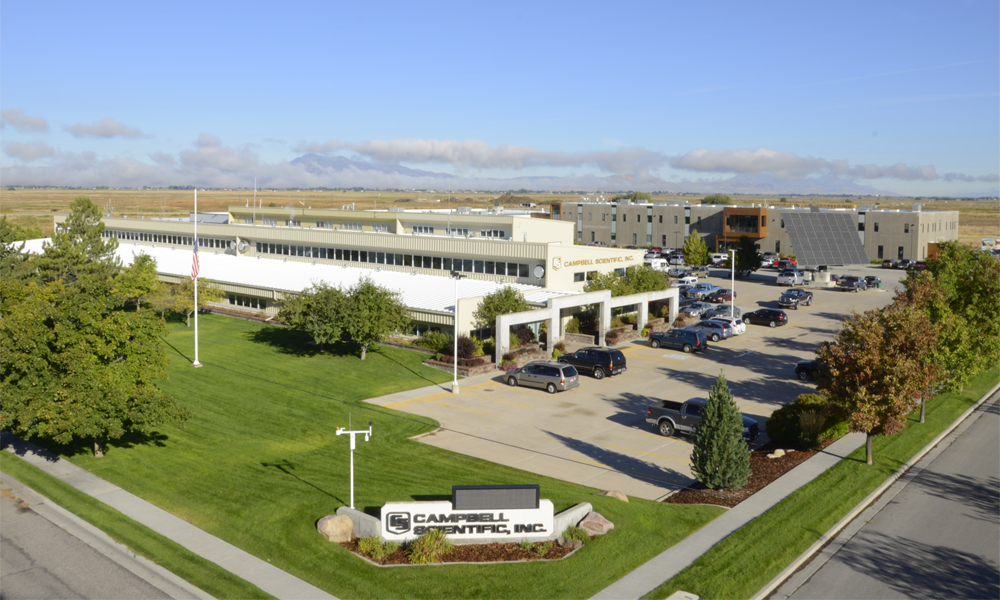
Campbell Scientific is known for accurate and dependable measurement and control instruments. Technical workplaces benefit from restroom fixtures that support reliability, hygiene, and maintenance efficiency.
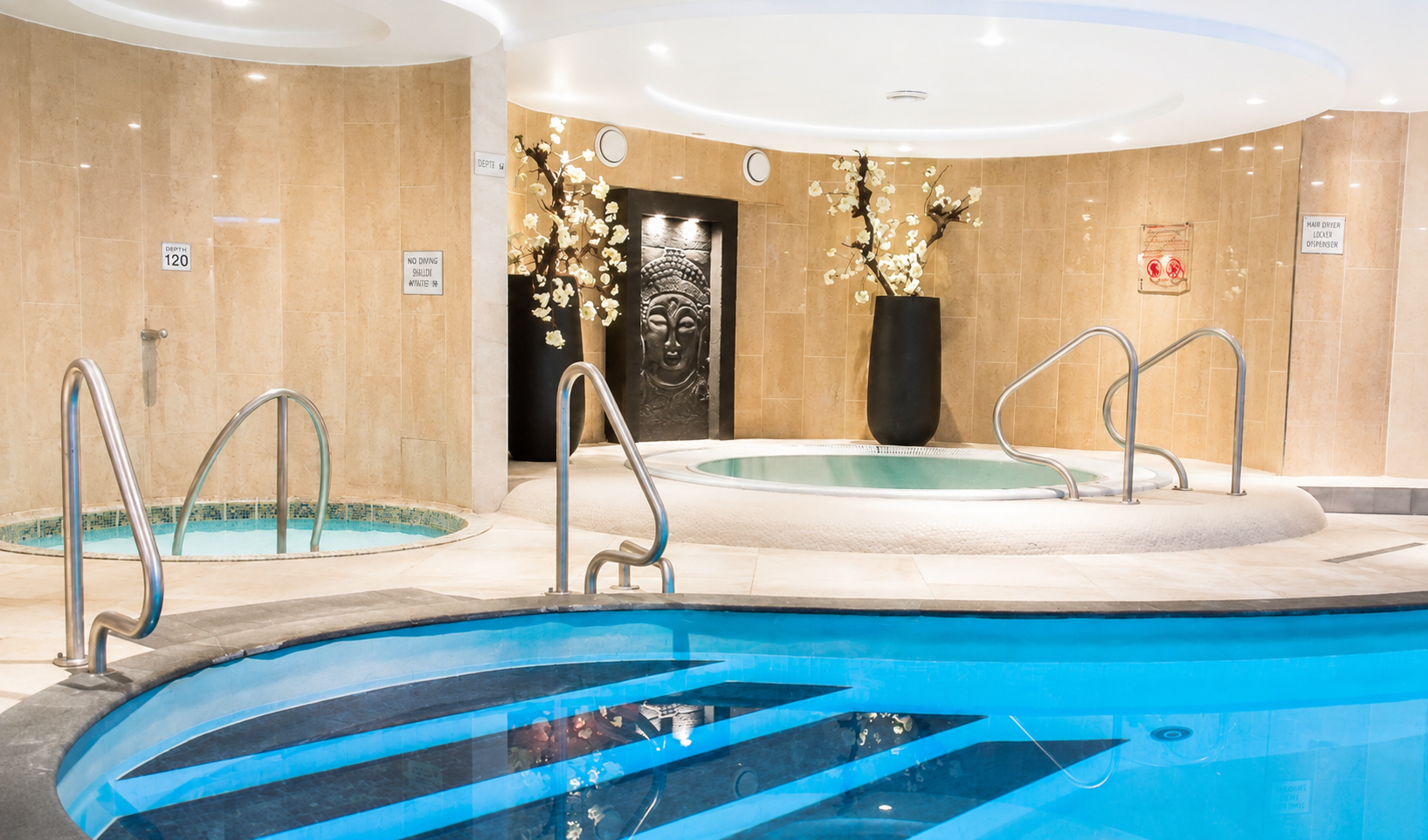
Projects focused on health and wellness place particular emphasis on fixture reliability, hygiene, maintenance efficiency, accessibility, and long-term restroom performance.
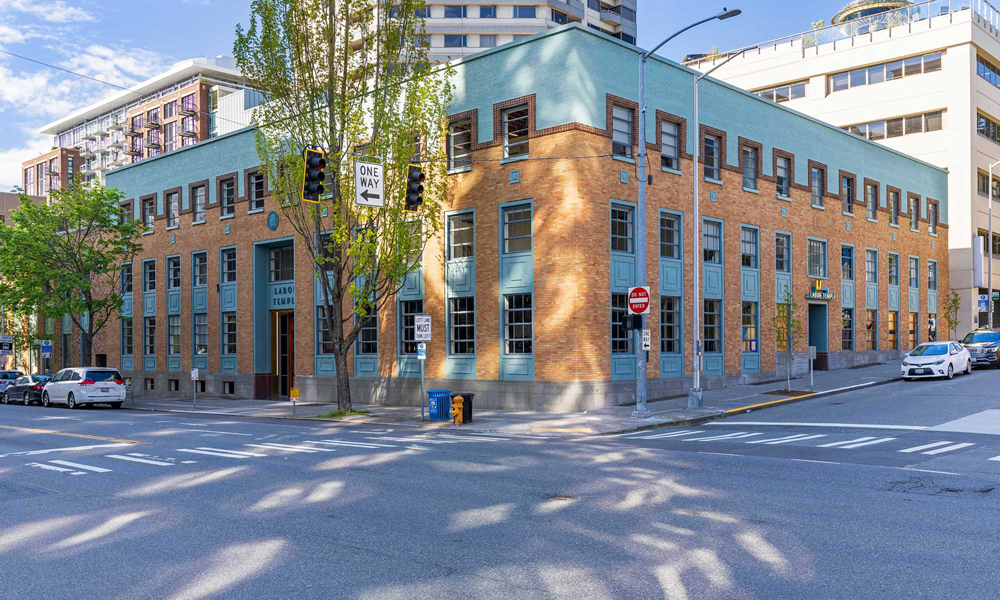
The Labour Temple is located in historic Belltown near Seattle's business district. Adaptive restroom planning supports workplace use, visitor comfort, preservation value, and serviceable upgrades.
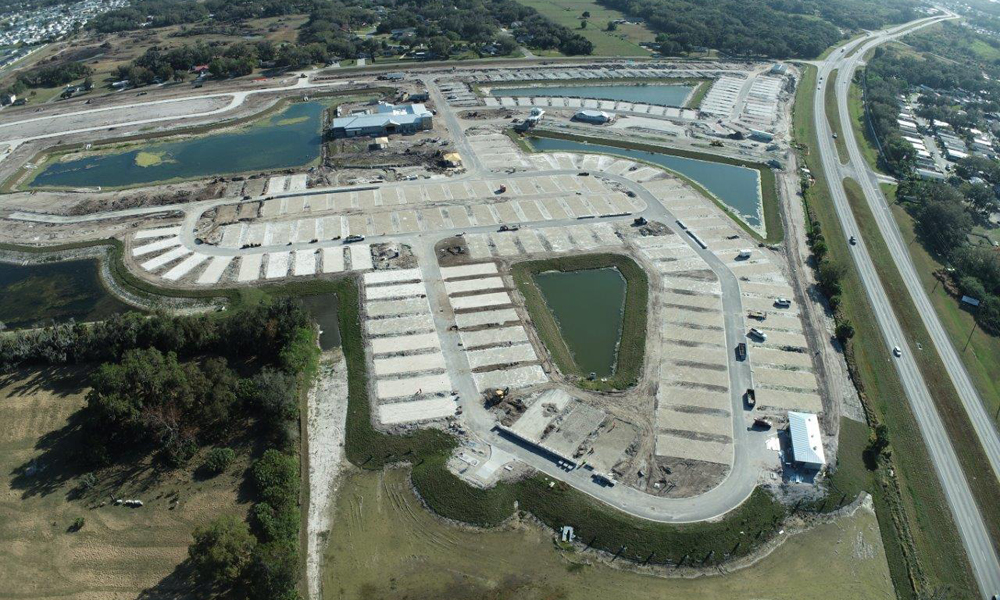
The Surf RV Resort is located between Tampa and Sarasota, where shared restroom facilities require reliable fixtures, easy maintenance, and durable performance for resort-style use.
WAFI Gourmet brings Lebanese cuisine to KSA. Hospitality restrooms in dining environments require premium fixtures that support guest comfort, heavy use, hygiene, and efficient maintenance.
The North Austin Muslim Community Center grew from a rented location into a permanent masjid project, where public-use restroom planning supports community function, durability, hygiene, and long-term service.
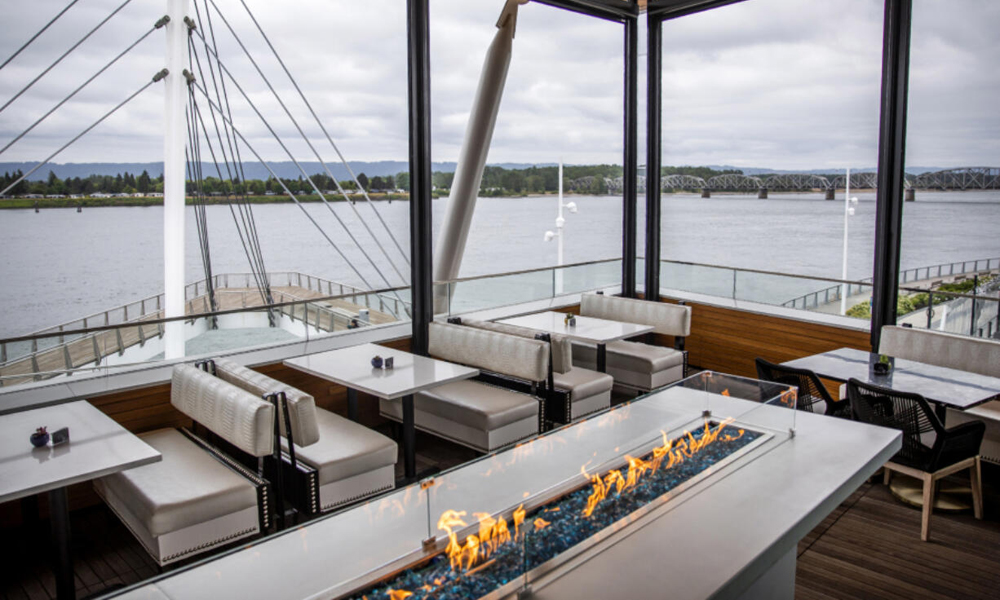
DOSALAS delivers a high-end waterfront dining experience with a casual, carefully blended hospitality feel. Restroom fixtures help extend the polished guest experience beyond the dining room.
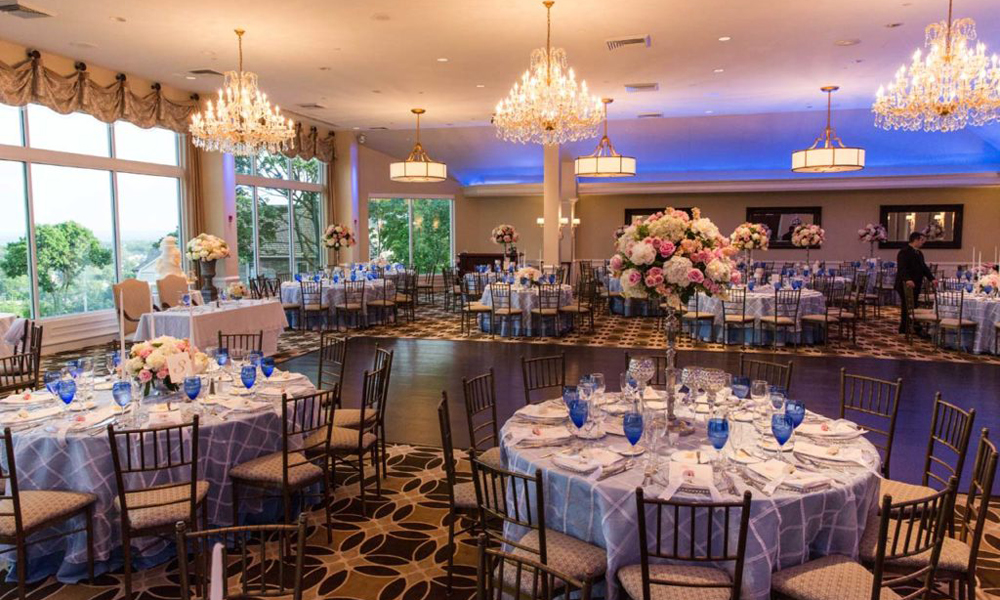
Richmond County Country Club includes golf, tennis, aquatic facilities, and clubhouses. Amenity restroom planning must support member comfort, durable operation, and refined public-use spaces.
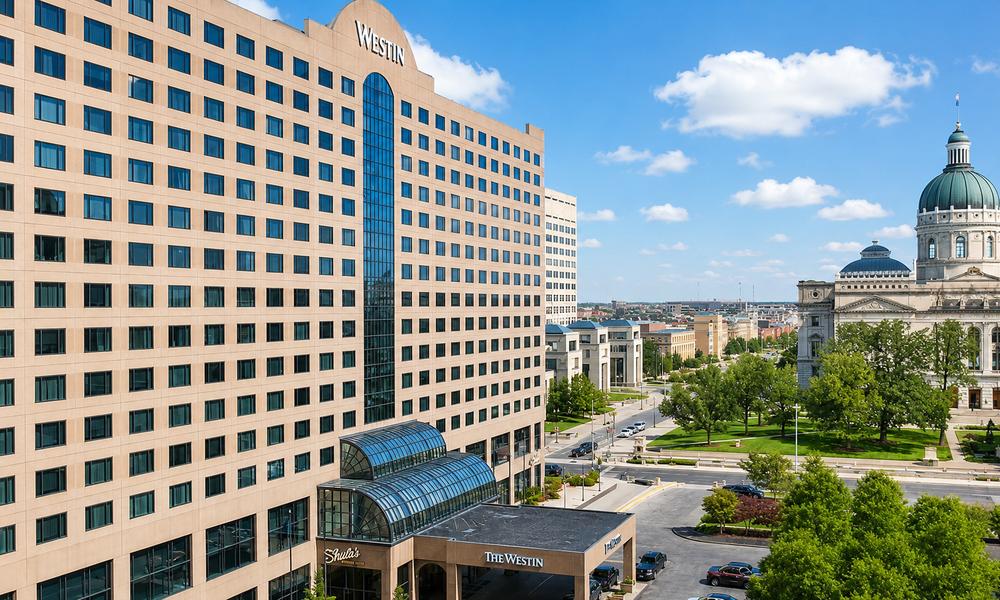
Located in downtown Indianapolis, The Westin Indianapolis connects guests to shopping, dining, nightlife, and major attractions, making restroom performance important for heavy hospitality use.
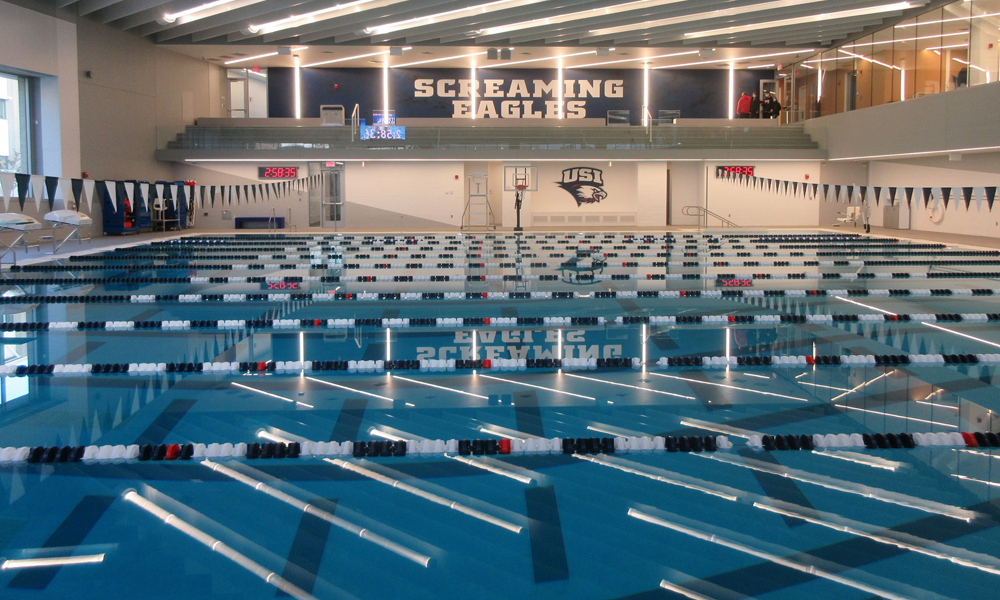
Dunbar Aquatic Center is owned by DC Public Schools and operated by DPR. Aquatic facilities require restroom and washroom fixtures that support wet-area use, maintenance, hygiene, and public traffic.
Editorial contribution and practical product guidance
Through BathSelect content, Ann helps turn sustainable design principles into practical product guidance for hospitality, healthcare, commercial, educational, and public-use environments. Her writing supports readers who need to understand how restroom and wellness fixture choices affect renovation value, daily usability, water management, maintenance routines, and long-term building performance.
Read full editorial perspective
Ann's product review perspective studies how commercial fixtures fit into existing and future building needs. A faucet is reviewed by its ability to save water, serve users comfortably, coordinate with existing counters, and remain easy to clean. A soap dispenser is considered through refill strategy, hygiene behavior, mounting conditions, and maintenance access. A shower system is evaluated by comfort, water performance, wellness value, and practical installation logic.
For architects and designers, Ann's content clarifies how sustainability can shape everyday product decisions. For contractors and facility teams, it explains how renovation-friendly fixtures can reduce disruption and simplify service. For building owners, it connects responsible specification with property value, user satisfaction, and long-term operational care.
Her writing is especially relevant where project teams must upgrade existing environments without overbuilding. She helps BathSelect readers see sustainability as a disciplined decision-making process: use less where possible, improve what matters, select products that last, and plan restrooms that remain comfortable and serviceable over time.
Adaptive reuse and resource-conscious planning
Adaptive reuse is central to Ann's profile because existing buildings often contain value that should be improved rather than discarded. She studies how restroom fixture upgrades can preserve useful infrastructure while improving hygiene, water efficiency, user comfort, and maintenance planning. Her approach supports thoughtful renovation instead of wasteful replacement.
Read adaptive reuse details
Ann evaluates adaptive reuse opportunities by considering the existing plumbing framework, room dimensions, user volume, installation access, finish conditions, and long-term service needs. The goal is to help project teams make upgrades that feel current and perform better without forcing unnecessary redesign. This makes her guidance valuable for schools, offices, public buildings, hospitality properties, healthcare settings, and older commercial spaces.
Human-centered public facility design
Public facility design must serve many people with different needs, expectations, and usage patterns. Ann studies how fixture placement, touchless interaction, water delivery, soap access, cleaning logic, durability, and accessibility affect the daily experience of shared restrooms. Sustainable design becomes stronger when it also feels intuitive and comfortable for users.
Read public facility planning details
Human-centered planning also supports facility teams. A restroom that is easier to clean, inspect, refill, and repair is more likely to remain functional and welcoming. Ann considers the needs of users and operators together, helping BathSelect explain why a durable, water-saving, maintenance-friendly fixture can improve both public experience and long-term facility value.
“The strongest sustainable restroom upgrades are those that respect existing buildings, reduce waste, improve daily use, and keep performing long after installation.”
Read full closing perspective
Ann's role as a BathSelect Sustainable Commercial Environment Architect is both architectural and practical. She helps connect adaptive reuse, sustainable planning, public facility design, and product specification into guidance that project teams can actually apply. Her perspective supports commercial spaces that need better restroom performance without unnecessary material waste or complicated redesign.
For hospitality, healthcare, education, public buildings, offices, wellness spaces, and high-use commercial environments, this level of thinking is essential. A restroom should conserve water, feel clean, support accessibility, reduce maintenance pressure, and fit the building's long-term purpose. Ann's profile reflects that complete view of sustainable commercial design: resource-conscious enough for adaptive reuse, practical enough for facility teams, and human-centered enough for the people who use the space every day.
BATHSELECTSustainable Planning
Ann Lacaton Sustainable Commercial Environment Architect
Adaptive Reuse, Sustainable Commercial Design & Public Facility Planning
BathSelect author insight focused on adaptive reuse, resource-conscious planning, sustainable restroom upgrades, and practical product guidance for long-term wellness-space performance.






.jpg)
-22.jpg)